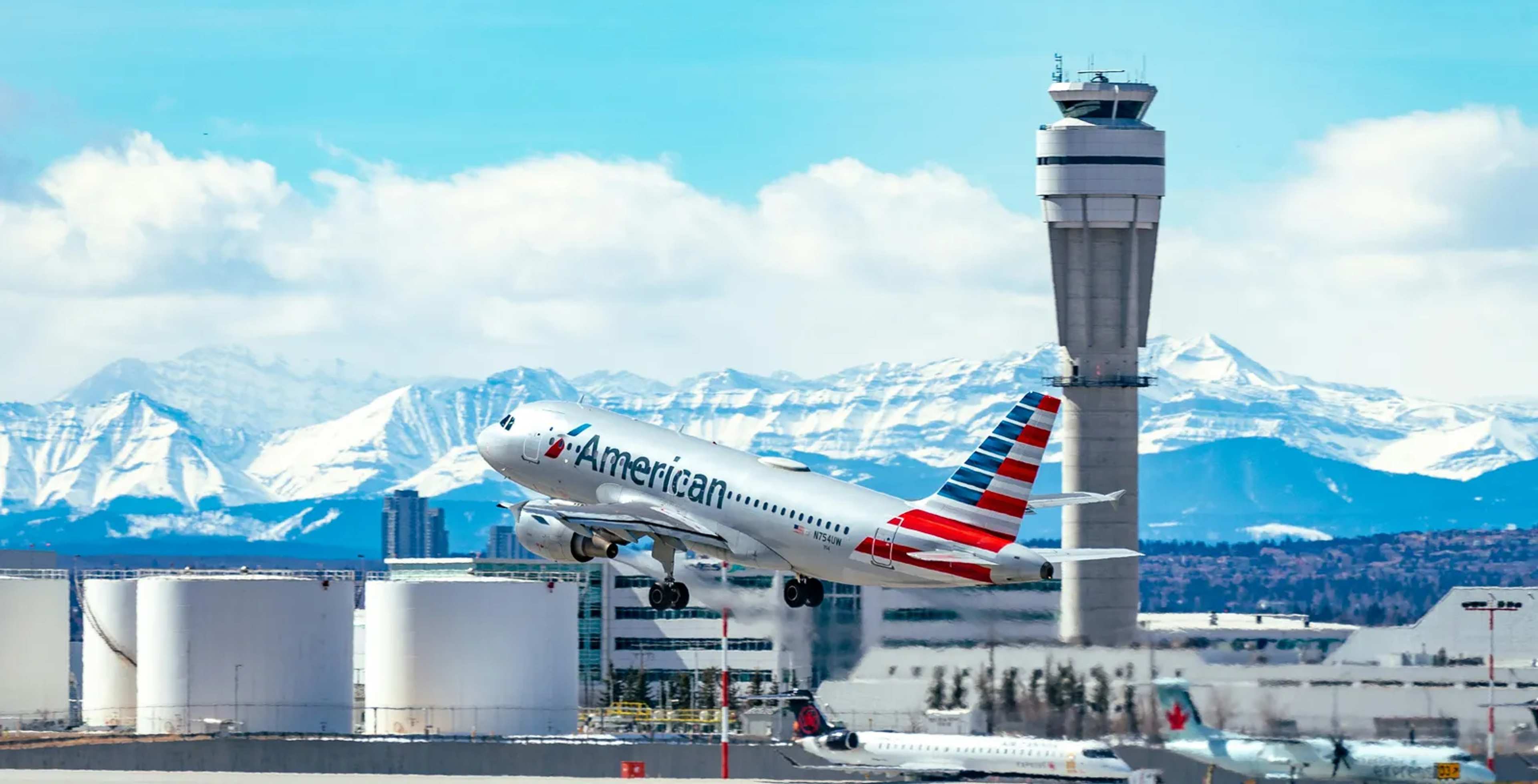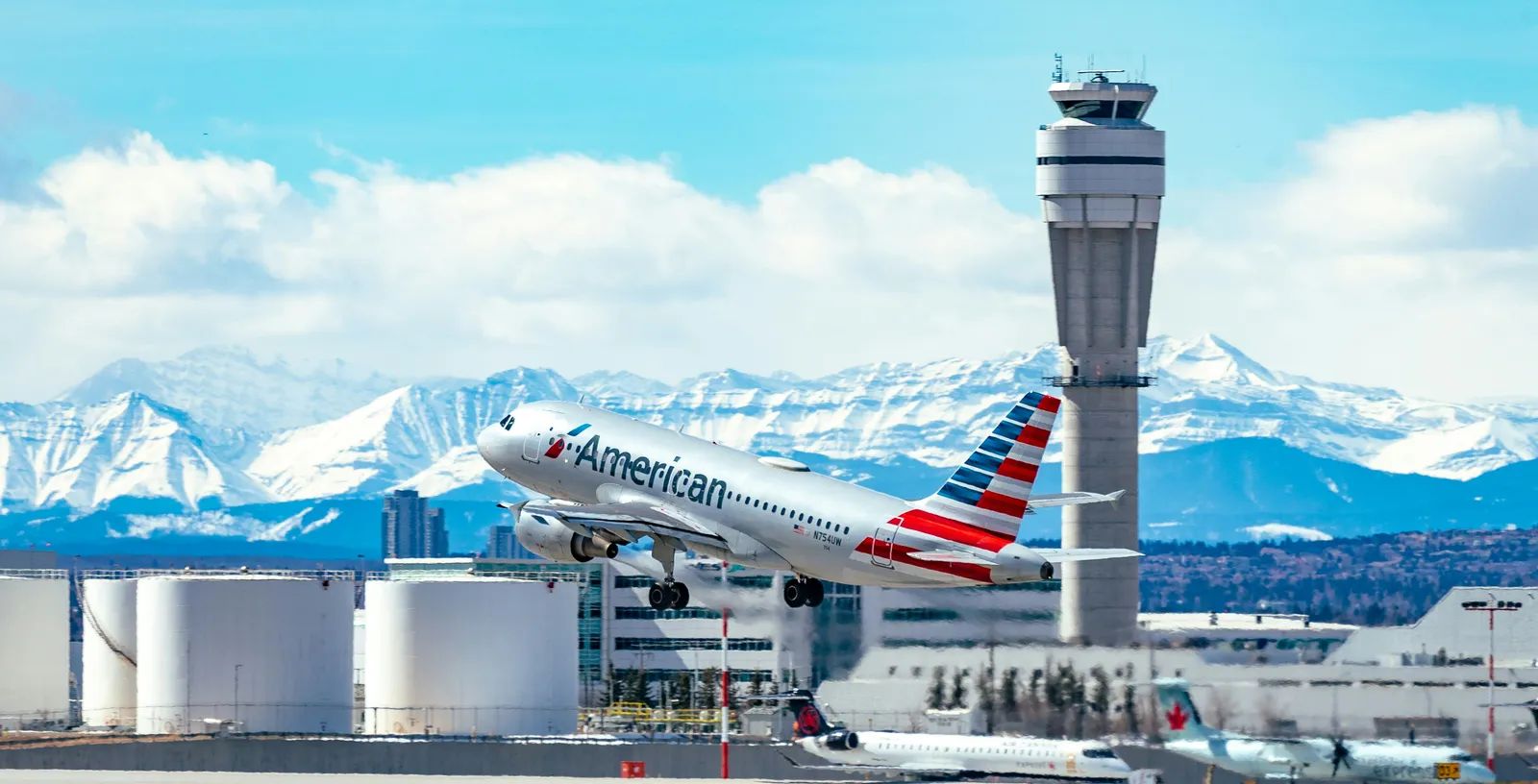
American Airlines will operate about 32% fewer flights from Los Angeles International Airport this year than it did in 2019, according to aviation analytics data from Cirium. The Fort Worth carrier now says it plans to add service at LAX as part of a gradual build at its West Coast hub ([1]). Executives have framed the effort as a shift toward serving local customers, not just routing connecting passengers through Southern California.
Sun Belt priorities left Los Angeles in the background
After the pandemic, American concentrated its investment on Sun Belt hubs in Dallas, Charlotte and Miami. The airline later moved quickly in Chicago, rapidly restoring flights at O’Hare International Airport and reviving a long rivalry with United Airlines.
Los Angeles drew fewer headlines during that period. LAX is also one of the most competitive airports in the country, and it is the only major airport where all three legacy carriers operate a hub, which makes the current gap more noticeable.
Rivals are already moving ahead on the Pacific
Delta Air Lines has positioned itself as the airport’s leading carrier and expects to operate its largest schedule there next year. The airline has also invested heavily in its Los Angeles infrastructure, which includes the only airport location that houses two Delta One Lounges.
United has signaled its own ambitions at LAX. Its network planning chief has said the airline wants to lead the airport after years of trailing Delta. American’s strategy depends on a different set of destinations, and the comparison below shows where each carrier currently stands.
| Carrier | Current reach from LAX | Stated next step |
|---|---|---|
| American | Four long-haul cities: London, Tokyo, Sydney and Auckland | More flights as facilities open, plus links to Qantas and Japan Airlines |
| United | More than six transpacific destinations | A new route to Osaka next year |
| Delta | Recently launched nonstops to Hong Kong and Melbourne | New flights to Manila beginning in 2027 |
American has acknowledged that building a stronger LAX presence will require a longer list of unique destinations. Pieper said that travelers want routes to Latin America, Europe and Asia, and he added that the airline must be able to serve those markets with its own aircraft.
A construction timeline sets the pace
American’s facilities at LAX are still under construction. The carrier consolidated its operations there last year to make way for a rebuild of Terminal 5, so its expansion is closely tied to when the new space opens.
Pieper said the airline will grow at a gradual pace until its LAX facilities are ready, a milestone expected in late 2028, when American will have access to 30 gates. He also pledged that the finished facility would be on par with those of any competitor, saying, “Our facility will be as good as anybody’s.”
What the plan could mean for travelers
For passengers, the most visible change may be a broader choice of flights out of Los Angeles. American has not yet said whether the additions will be entirely new routes or more frequent service on existing ones, so the details remain unsettled.
Connections may also improve. American’s Pacific partners, including Qantas and Japan Airlines, could give flyers more ways to reach Asia and Australia through Los Angeles, which may help the airline compete for travelers who would otherwise choose a rival hub.
Pieper summed up the airline’s view with a measured promise. Pieper said that, taken together, the pieces should create “a compelling offering” at LAX. Whether American can close the distance with Delta and United will depend on how quickly its facilities and schedule come together over the next two years.