Every bucket list has a few names that show up again and again, the landmarks everyone feels obligated to see at least once. Yet a growing pile of reviews, survey data, and traveler complaints suggests some of these famous stops leave visitors checking their wallets and wondering what just happened. Prices have climbed steadily over the past couple of years, and patience for long lines and thin payoffs has not kept pace.
Eiffel Tower, Paris
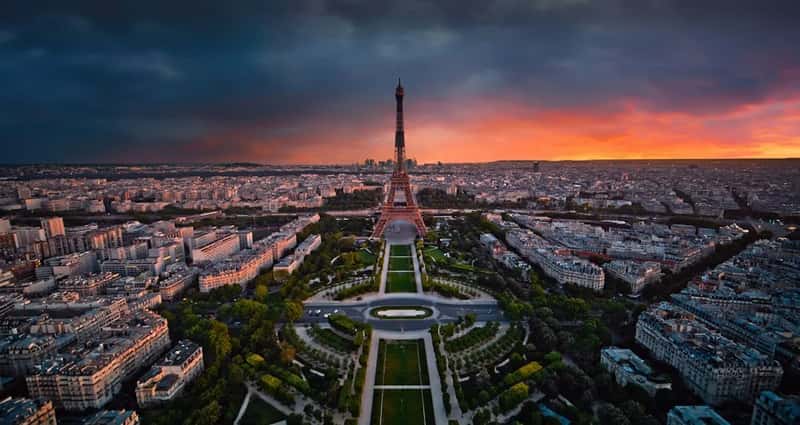
Few landmarks carry more built-in expectation than the Eiffel Tower, which is exactly why the letdown stings when it happens. The Eiffel Tower tops nearly every Paris itinerary, and its price has climbed right along with its popularity, with a summit ticket by lift now running up to €36.70 after another price hike in 2026.[1] Even travelers who book a timed slot in advance aren’t guaranteed a smooth visit, since waits can still drag on during busy stretches of the year.
Review complaints about the tower have surged dramatically, with mentions jumping from 303 in 2025 to 924 in 2026, roughly a threefold increase in a single year.[2] The recurring themes are punishing queues, steep ticket prices, and a surrounding area that feels aggressively set up to extract more money from visitors.[2] Budget-conscious travelers increasingly climb the stairs to the second floor for a lower fee, or skip the elevator entirely and head to Montmartre or Sacré-Cœur for a comparable skyline view at no cost.
Fisherman’s Wharf, San Francisco
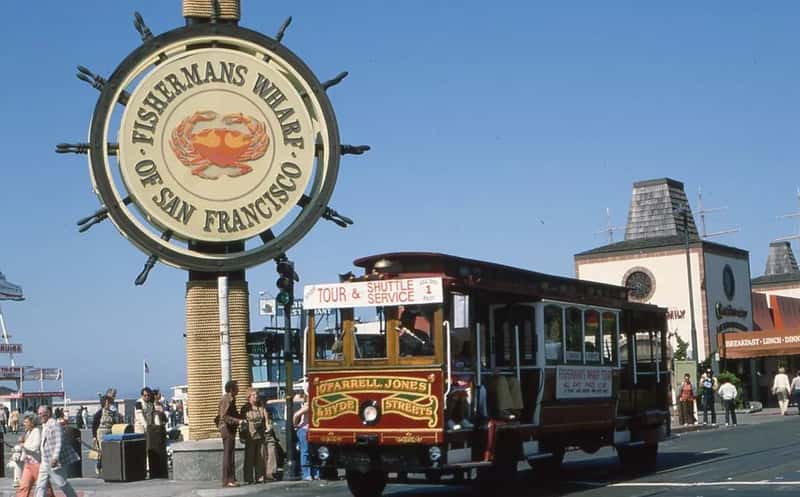
San Francisco’s waterfront district has held an unwanted title for two years running. Fisherman’s Wharf retains the global top spot for tourist trap complaints for the second consecutive year, with negative reviews climbing from 1,000 in 2025 to 1,109 in 2026, the highest complaint volume of any attraction on earth.[2] That’s a striking number for a spot that charges no entry fee at all.
The area’s reputation as an overpriced, overcrowded strip of seafood stalls and souvenir shops appears to be hardening rather than improving, with visitors often paying a premium for underwhelming food.[2] Locals and travel guides point visitors toward the Mission District or North Beach instead, where a short walk trades tourist markup for a more genuine taste of the city. The sea lions at Pier 39 and the waterfront views still have real appeal, but the food stalls surrounding them are where most of the complaints pile up.
Blue Lagoon, Iceland

Iceland’s most photographed hot spring has become a case study in paying for scenery rather than for the water itself. 2026 admission starts at roughly 96 US dollars for the Comfort package, climbing to around 121 dollars for Premium and 149 dollars for Signature tickets.[3] Add transportation from Reykjavik and a drink from the in-water bar, and a simple soak turns into a genuinely expensive afternoon.
What frustrates some visitors is that the experience isn’t unique in the way the marketing suggests. One traveler recalled being shocked by how pricey it was for the experience, especially considering most of the public hot baths are free and there are geothermic springs everywhere in Iceland.[4] Travel guides now openly acknowledge this tension, noting the lagoon is essentially a manufactured attraction that happens to look extraordinary, which for many visitors still justifies the cost while for others it simply confirms it’s overpriced.
Trevi Fountain, Rome
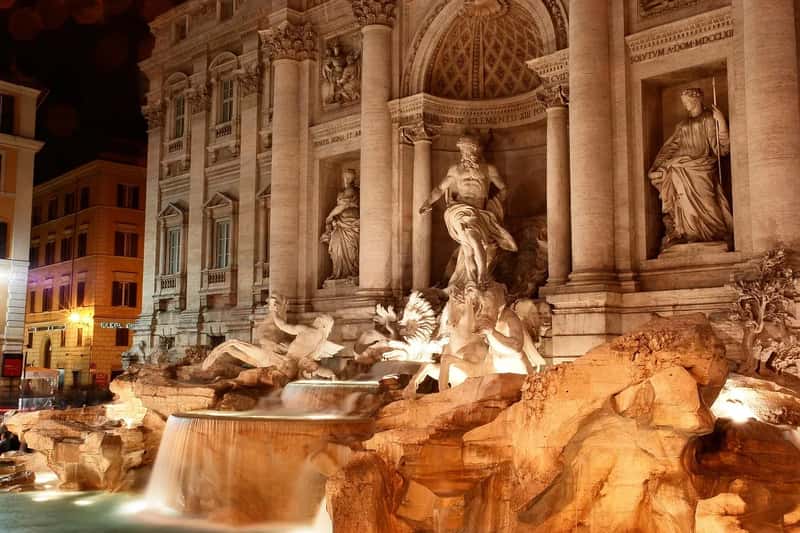
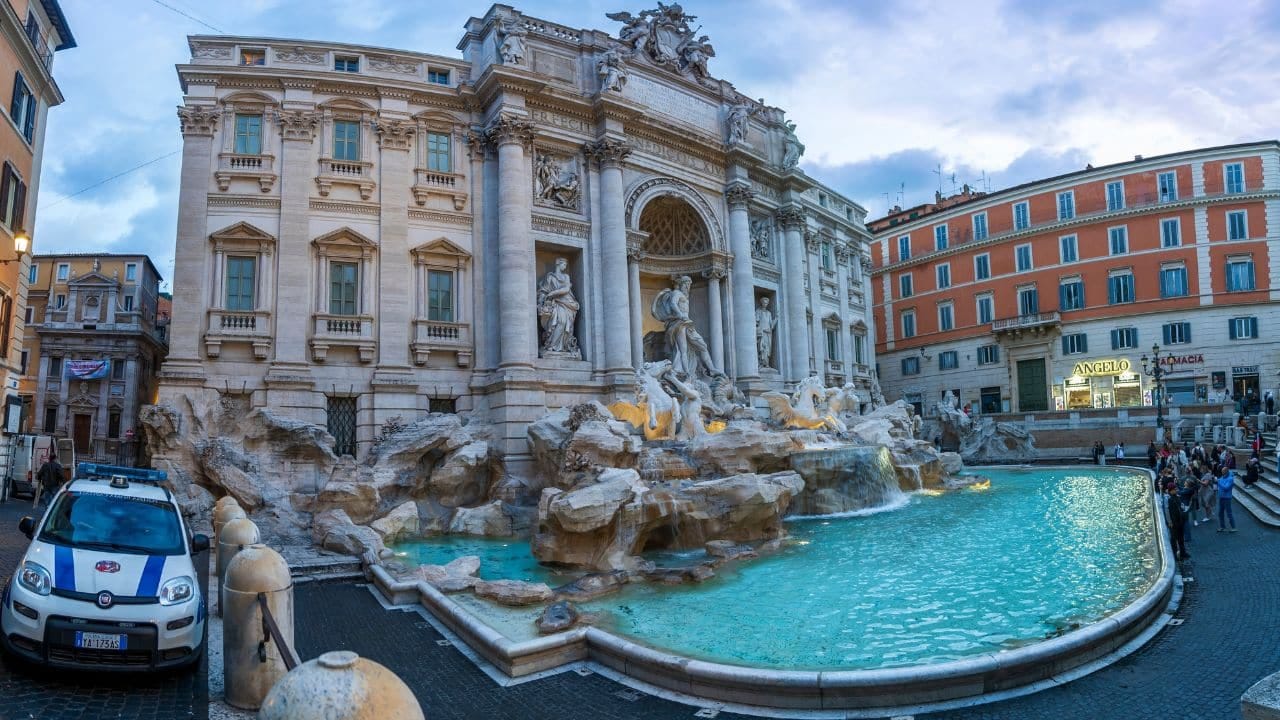
Rome’s baroque showpiece draws crowds so dense that the experience itself has become the complaint. A March 2025 survey found the Trevi Fountain among the most disappointing tourist attractions, with almost a quarter of respondents reporting a negative experience and just under 17 percent citing crowds and mobility as the biggest problems.[5] That’s a remarkable figure for a monument that costs nothing to view.
The scale of foot traffic explains a lot. The fountain’s popularity forced Rome to implement a new queuing rule in 2024 to manage the crowds, since anywhere from 10,000 to 12,000 tourists were known to visit daily before crowd control measures went into effect.[5] The fountain itself remains free and genuinely beautiful, but the frustration comes from paying with time, elbow room, and patience rather than money, arriving at dawn or late evening is usually the only way to actually see it clearly.
Space Needle, Seattle
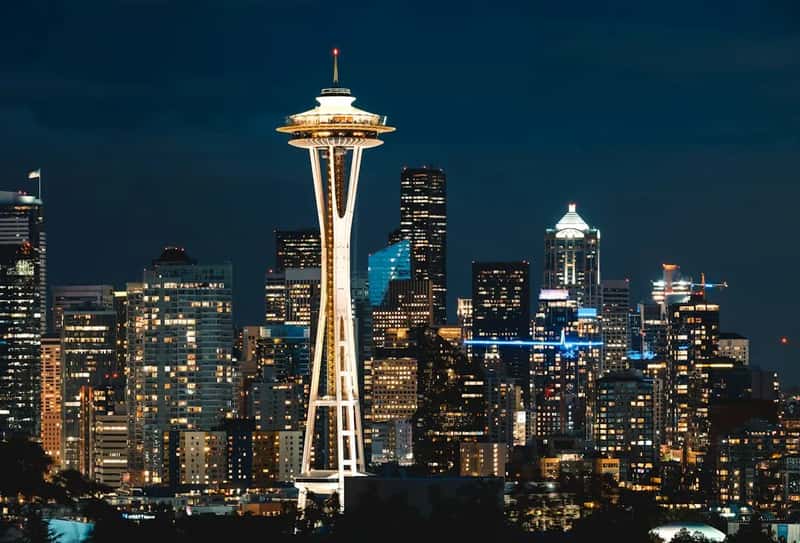
Seattle’s signature tower has become a frequent example in overpriced-attraction roundups, and the math explains why. A standard adult ticket runs around 50 dollars per person, and for a couple that adds up to at least 100 dollars before anything else is added, with a family of four easily crossing 195 dollars after taxes.[6] That’s a steep price for what amounts to a 42-second elevator ride and a view from roughly 520 feet up.
Some visitors find it worthwhile anyway, particularly on a clear day when Mount Rainier and Puget Sound are visible in full. Others are less convinced. Some feel the Space Needle is not worth the cost, complaining about a 60-minute wait after their designated entry time and feeling crammed into the elevator once they finally got there.[7] Bundling the ticket with the neighboring Chihuly Garden and Glass, or opting for a city pass, tends to soften the sting for travelers who still want the view.
Juliet’s Balcony, Verona
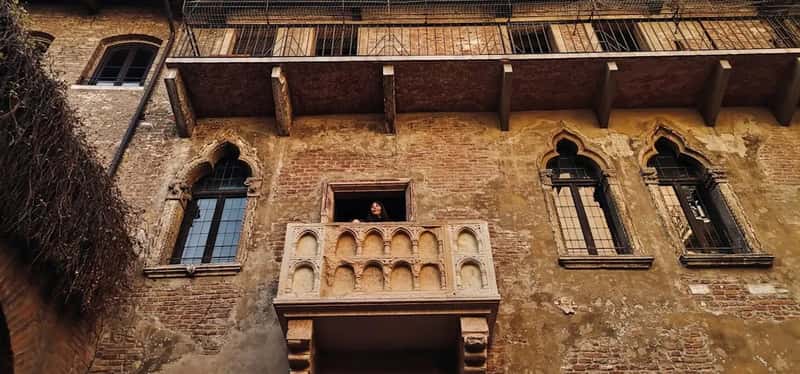
Few attractions rest on a shakier historical foundation than Verona’s famous balcony, yet tourists keep lining up to pay for it. The landmark has nothing to do with Shakespeare or his star-crossed lovers, and in fact it was built more than 300 years after he died, but visitors now pay 12 euros just to access what is essentially an ordinary balcony.[8] The fee applies purely for the photo opportunity, since there’s no genuine historical or literary connection to justify the charge.
Travel critics have not been gentle about it either. A recent roundup of Europe’s most overrated attractions set out to identify destinations that aren’t awful exactly, just very boring, overrated, and offering little insight into local culture, and the Juliet balcony topped that list.[8] For travelers willing to pay for a keepsake photo the appeal is understandable, but anyone hoping for a meaningful literary pilgrimage is likely to walk away feeling shortchanged.
These six spots share a familiar pattern: iconic reputations built up over decades, rising admission costs, and a widening gap between the marketing and the on-the-ground experience. None of them are without merit entirely, plenty of visitors still walk away satisfied, especially those who plan around the crowds or pick a quieter time of day. Still, the volume and consistency of complaints across review platforms suggests these particular stops are worth weighing carefully against the alternatives sitting just a short walk away.