Panama’s real estate market has spent the past few years riding a wave of interest from retirees, remote workers, and investors drawn by the dollar economy and relatively easy residency options. But a country that welcomes foreign buyers on paper doesn’t automatically protect them from every pitfall on the ground. Between rural land with murky paperwork and beachfront lots that look private but aren’t, there’s a fair amount to sort through before signing anything.
Most of the trouble buyers run into isn’t exotic. It tends to repeat itself in a handful of recognizable patterns, and once you know what they look like, they’re a lot easier to spot from across the room.
1. Property sold as “Right of Possession” instead of titled land
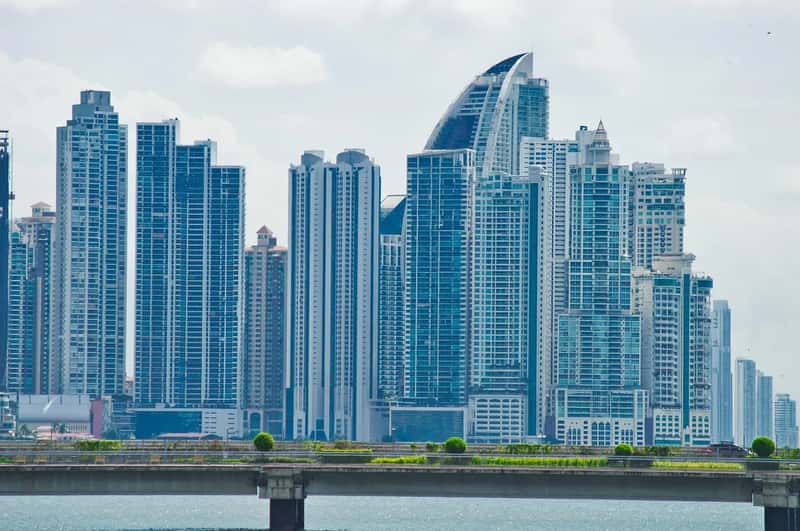
This is the single most common trap for foreign buyers, and it shows up more often than people expect, especially outside Panama City. The biggest legal risk for foreigners buying Panama property in 2025 is purchasing Right of Possession land instead of titled property, since it technically belongs to the government and only grants usage rights based on occupation, and it cannot be registered in Panama’s Public Registry, making it vulnerable to overlapping claims. Sellers don’t always volunteer this distinction, and glossy listings rarely mention it upfront.
Rights of possession are essentially squatter’s rights, meaning you do not own the land, since the Nation of Panama owns all right of possession property and what you actually acquire is the right to occupy and possess it. It can still be a workable arrangement in the right circumstances, but treating it as equivalent to a deed is where buyers get burned. Always ask directly whether a property is “finca” titled or ROP, and get it confirmed in writing before you get emotionally attached to the place.
2. Unclear title history or signs of registry fraud
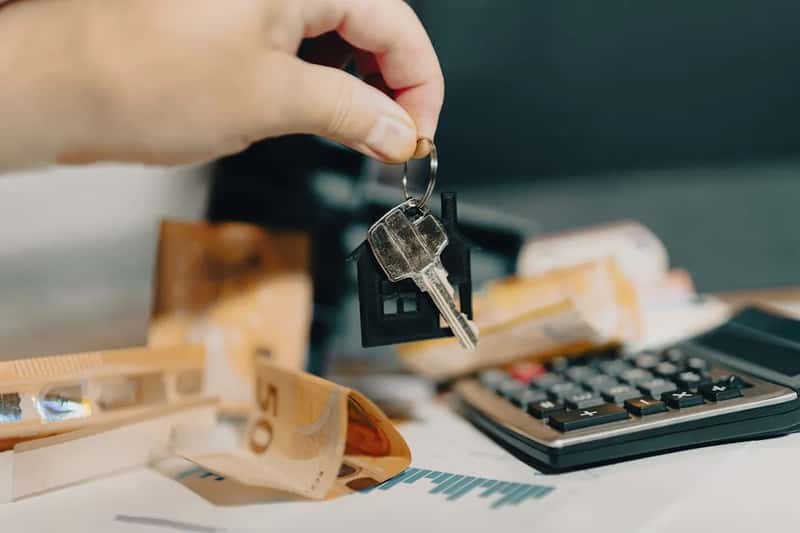
Even titled land can carry hidden problems if the chain of ownership wasn’t properly verified. Fraud against foreign buyers has become a real enough issue that authorities have started tracking it more closely. The Ministerio Público recorded over 5,100 fraud complaints nationwide from January to October 2025 alone, with pre-construction purchases and right of possession land sales being the transaction types most frequently targeted by scammers, since the lack of a clear title makes it easier to sell the same property to multiple buyers or misrepresent ownership.
A red flag worth taking seriously is a seller who resists a full title search, rushes the paperwork, or can’t produce clean documentation from the Public Registry. Foreign buyers face title fraud, Right of Possession land disputes, developer scams, and hidden costs due to judicial inefficiencies and inadequate due diligence, and enforcement inconsistencies create vulnerabilities that require expert guidance to avoid costly mistakes. A licensed local attorney who works independently of the seller’s agent is the simplest safeguard here.
3. Beachfront or island listings that aren’t actually private property
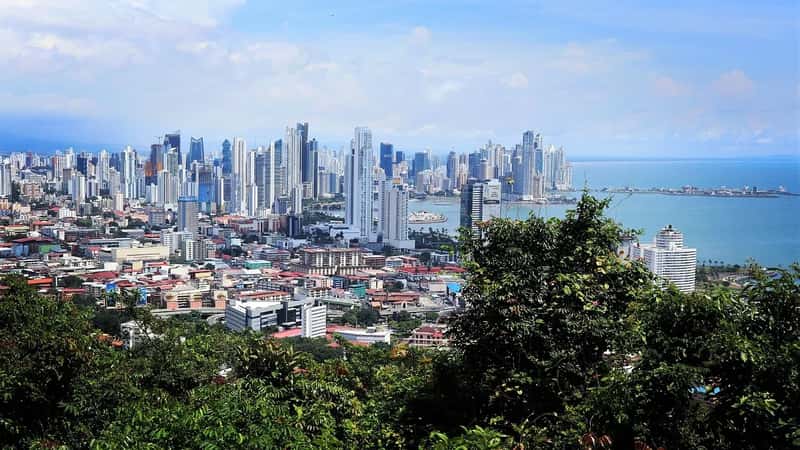
Panama’s coastline photographs beautifully, and that’s exactly why so many buyers assume the sand in front of a listing belongs to it. It usually doesn’t. Concession and sale of beachfront property may only be granted up to 22 meters from the high tide mark, with the first 10 meters considered beachfront that cannot be granted concession under any circumstances, while the next 12 meters can only be granted as a coastal easement.
Islands raise a similar issue. Some offshore islands have land held under Right of Possession rather than full title, and while many prime islands such as Isla Contadora in the Pearl Islands do have titled land available, many others remain primarily ROP or require special concessions. If a listing markets itself as “beachfront” or “private island,” it’s worth asking exactly which legal category the land falls into, since a concession is closer to a long-term lease from the state than to outright ownership.
4. Pre-construction deals with no verified completion history

Buying into a project before it’s built can mean a better price, but it also means betting on a developer’s ability to actually finish what they’ve promised. This is where a fair share of the market’s worst outcomes happen. Some scams involve selling units in a development that either doesn’t exist or will never be built, with attractive prices and glossy marketing materials luring buyers in before they discover the development is a phantom project.
Market conditions haven’t made this easier lately either. Oversupply in the condo market increases developer desperation, leading to more aggressive and potentially fraudulent sales tactics, while rising construction costs push more pre-construction projects toward failure, and slower economic growth reduces property liquidity. Before putting down a deposit, ask for the developer’s track record on past projects and confirm the permits are actually issued, not just “in process.”
5. Agents or escrow arrangements that skip proper licensing
Panama does regulate who can legally sell real estate, but not everyone plays by those rules, and unlicensed operators are easier to run into than you’d think. Unlicensed agents may present themselves as legitimate professionals but operate outside the law, increasing the risk of fraud. There’s also a specific credential worth checking for: idoneidad, in the context of Panamanian real estate, refers to the certificate of professional competence or suitability, and it is a requirement for professionals, including real estate agents.
Escrow fraud is another variation of the same problem. In an escrow fraud scheme, the fraudster impersonates a legitimate escrow service or sets up a fake one, convinces the buyer to deposit funds into the fraudulent account, and then drains it without the buyer receiving the property. Confirming an escrow agent’s identity and licensing directly, rather than through contact details supplied by the seller’s side, is a small step that closes off a lot of risk.
6. Hidden taxes, fees, or unpaid debts attached to the property
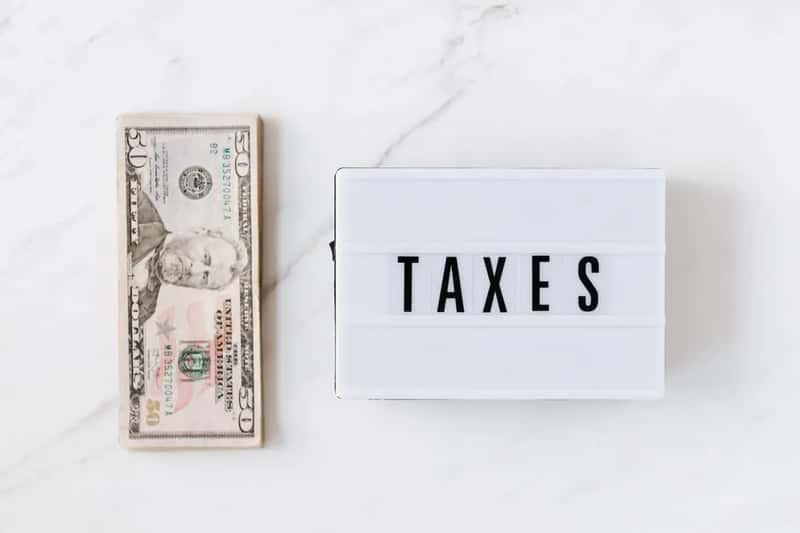
The sale price is rarely the full story. Panama’s closing costs follow a fairly predictable structure, but they still catch buyers off guard when nobody explains them ahead of time. As of early 2026, the property transfer tax rate in Panama is 2 percent of the higher of the purchase price or the cadastral value, plus there is a 3 percent advance payment mechanism tied to capital gains compliance. Add in agent commission and legal fees, and total transaction costs climb from there.
A subtler risk is inheriting someone else’s unpaid obligations. In 2026, a property cannot be transferred if there is a single cent of outstanding property tax owed on it. That’s actually a protection for buyers in one sense, but it can stall a closing for weeks if the seller hasn’t settled their accounts, so confirming the property’s tax status early avoids an unwelcome surprise right before signing.