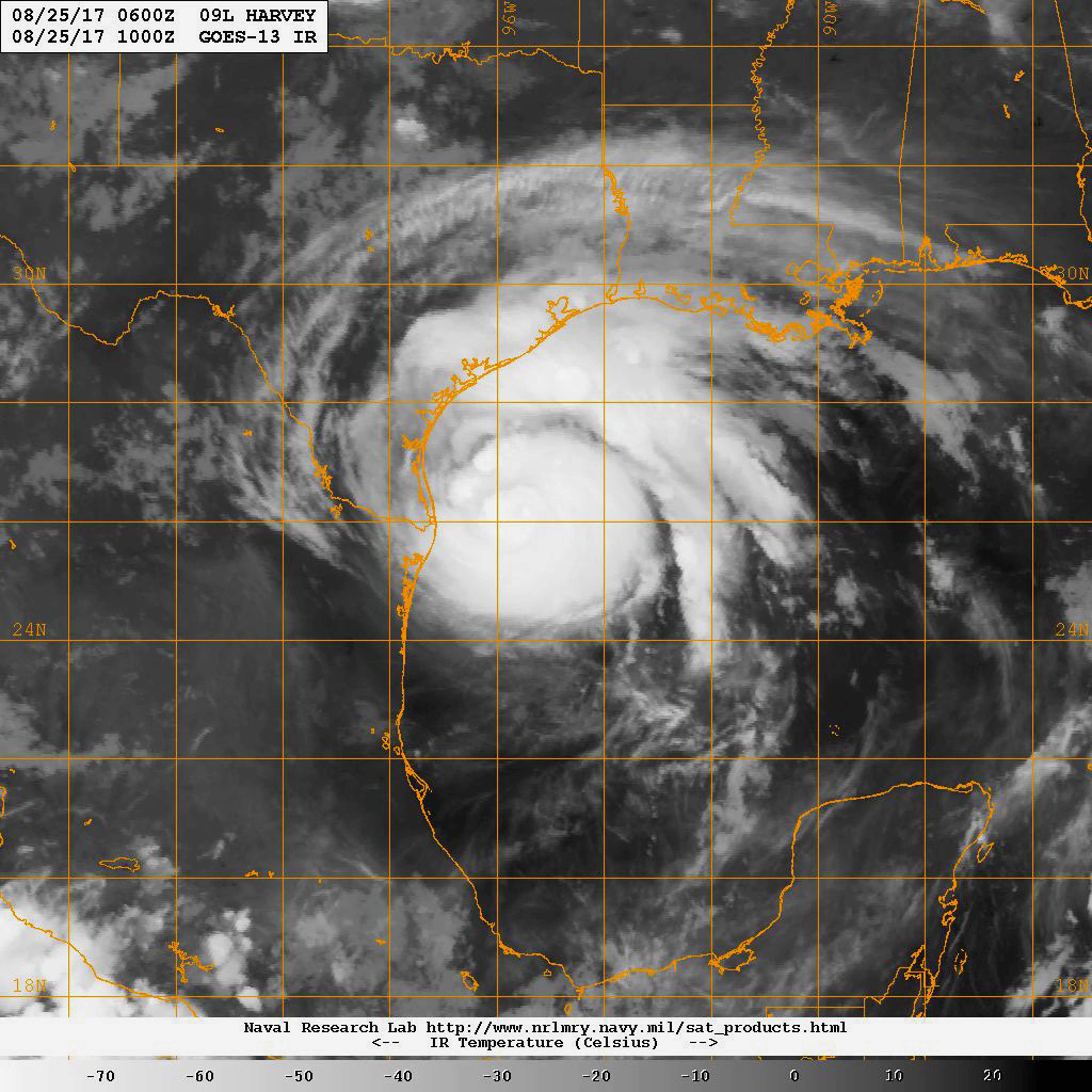
Anyone who flies with any regularity knows the feeling. You’re sitting at the gate, boarding time has passed, and the departure board still says “on time” even though something clearly doesn’t add up. Airlines rarely announce trouble the moment they know about it, which means passengers who pay attention to the right signals often see disruptions coming long before an official update appears.
With air travel in 2026 still working through staffing shortages, aging infrastructure, and unpredictable weather patterns, knowing what to watch for can save hours of frustration. Below are six practical warning signs that tend to show up before a delay or cancellation becomes official.
1. Your inbound aircraft is already running late
Most delays don’t start at your gate. They start somewhere else entirely, with the plane that’s supposed to become your flight. Late-arriving aircraft is one of the most common causes of downstream delays, and tracking apps make it possible to see exactly where that plane is before the airline says a word.
Late-arriving aircraft causes a significant share of all delays, making it one of the most common categories, so tracking where your plane is coming from reveals problems before the airline says anything.[1] If you search your flight number and notice the incoming aircraft is sitting on a tarmac two states away well past its scheduled arrival, that’s a strong hint your own departure is about to slip.
2. Weather is building at your departure city, arrival city, or somewhere in between
Weather remains the single biggest disruptor in American aviation, and it doesn’t need to be happening where you are standing. A storm system over the Midwest can ripple outward and delay flights on the East Coast hours later, simply because aircraft and crews get pushed off schedule.
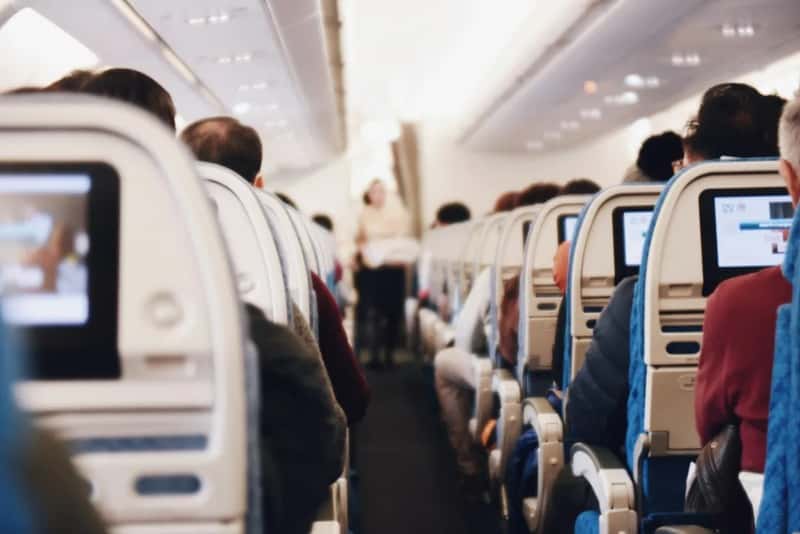
Weather is responsible for over 70 percent of flight delays in the National Airspace System, and those delays may occur at the departure airport, the arrival airport, or somewhere along the route.[2] Checking a weather map for your entire flight path, not just your local forecast, is one of the more reliable ways to anticipate trouble before it’s announced.
3. The FAA has issued a ground stop or ground delay program
When an airport gets overwhelmed, either from weather, staffing, or sheer volume, the FAA can freeze departures headed there through a ground delay program or a full ground stop. These orders are public and often show up in aviation tracking tools well before individual airlines update passengers.
Advisories from the FAA’s Air Traffic Control System Command Center describe recent use of ground delay programs and a temporary ground stop at Detroit, as convective weather forced reroutes and constrained airspace capacity.[3] Even short-lived orders to hold departures bound for a single airport can trigger late departures across an airline’s entire network,[3] which means a ground stop hundreds of miles away can still knock your itinerary off schedule.
4. Your airline’s app shows a vague or shifting status

A gate agent announcement of “operational issues” tells you almost nothing useful, but the app behind that announcement often knows more than it lets on. Rebooking options, gate changes, and standby movement inside the app frequently update before a formal delay is announced overhead.
Major airline apps offer real-time flight status, push notifications for delays and gate changes, and self-service rebooking with system access that third-party apps cannot match, letting travelers rebook themselves during disruptions without waiting on hold.[1] If the app quietly refreshes your gate assignment or shows new flight options appearing in the background, treat that as an early signal rather than a coincidence.
5. There are signs of a mechanical or maintenance issue
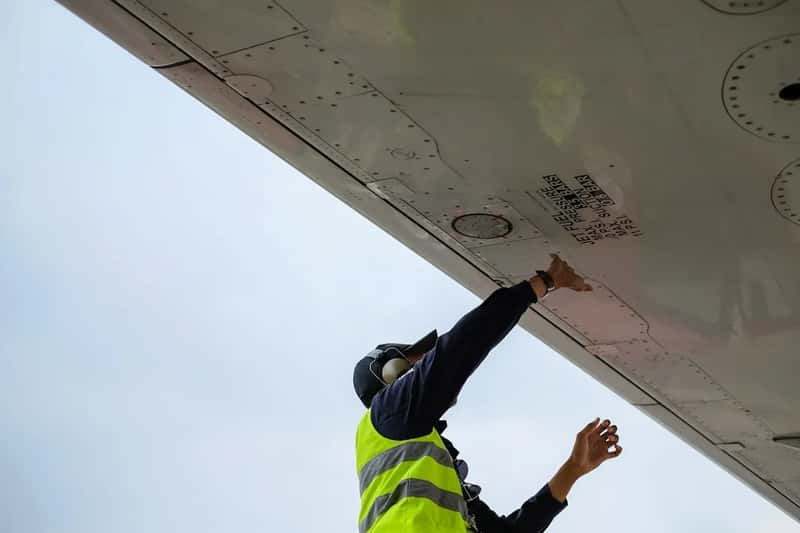
Not every delay comes from weather or congestion. Sometimes it’s simpler and more mechanical than that, and these delays tend to move slower because they involve inspections rather than just waiting out a storm.
Airplane breakdowns and mechanical failures, such as a problem with an airplane’s brakes, hydraulics, exterior doors or even the bathroom, can cause a delay in takeoff.[4] If you notice maintenance crews repeatedly boarding and exiting your aircraft, or if the same tail number has been stuck at the gate far longer than a routine turnaround requires, a mechanical hold is often the quiet explanation.
6. The airport or region is dealing with a broader system strain
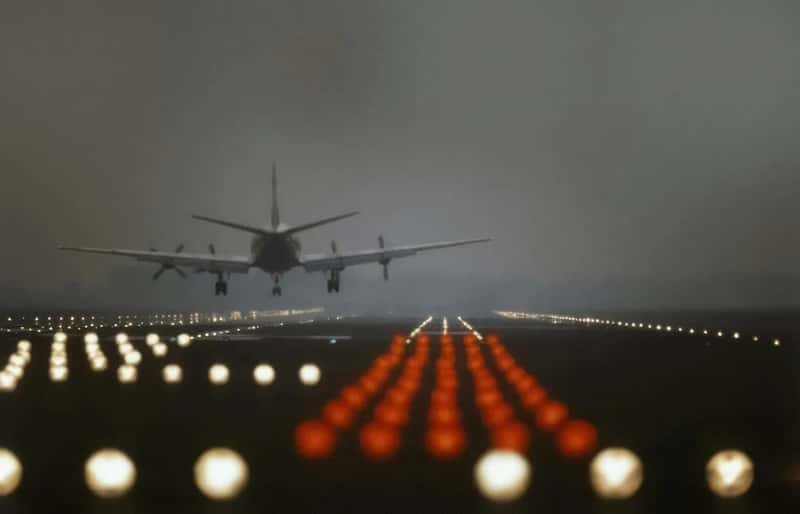
Some disruptions have nothing to do with your specific flight and everything to do with the system around it. Chronic staffing shortages and unusually high traffic at certain hubs make an entire day’s schedule fragile, and it doesn’t take much to tip it over.
An air traffic controller shortage of roughly 3,500, according to the FAA, could lead to flight delays and cancellations across the system.[4] In 2025, approximately 1 billion passengers departed from U.S. airports, and nearly a quarter of those travelers experienced a flight delay or cancellation, according to a report from AirHelp.[5] When you’re flying through a historically strained hub during a high-traffic month, the odds of disruption rise well before your specific flight shows any trouble on paper.
Recognizing these six signals won’t stop a delay from happening, but it does give travelers a head start most people don’t have. Checking your inbound aircraft, watching the weather along your full route, keeping an eye on FAA advisories, paying attention to app behavior, noticing maintenance activity, and understanding the broader strain on the system at your airport all add up to a clearer picture than a departure board alone can offer.