There’s a particular kind of muscle memory that comes from spending your childhood strapped into the backseat, watching mile markers blur past on the way to somewhere. It shapes habits that stick around long after the family station wagon is gone. Even now, decades later, certain reflexes kick in the moment a road trip is on the horizon, whether it’s a quick weekend drive or a cross-country haul.
These habits aren’t really about nostalgia. They’re practical, almost involuntary responses baked in by years of repetition, the kind of thing you don’t notice until someone points it out. Here are seven of them that tend to show up without anyone deciding to do them on purpose.
1. Checking the gas tank before anyone even asks
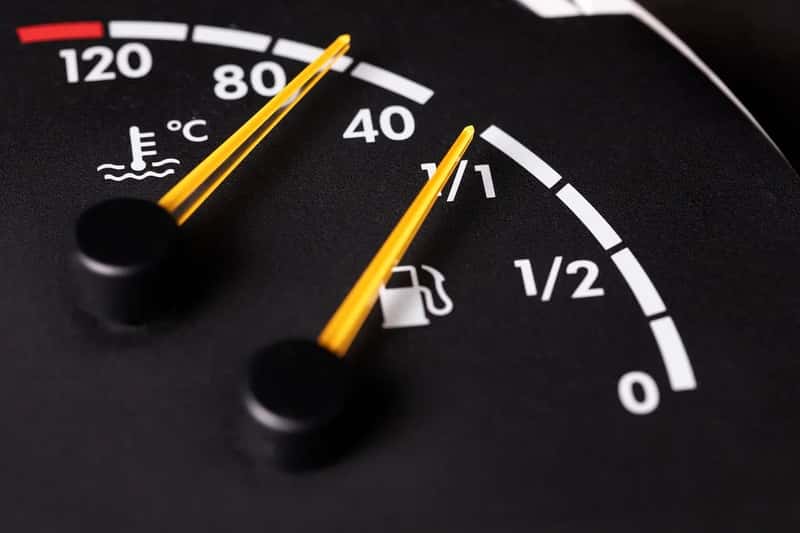
People raised on road trips glance at the fuel gauge almost reflexively, often before the car has even left the driveway. It’s not anxiety, it’s just pattern recognition from years of watching a parent do the same thing at every rest stop. There’s a quiet logic to it: running low on gas in an unfamiliar area was always treated as the one mistake you don’t want to make twice.
This habit tends to show up even on short errands that have nothing to do with a real trip. Many drivers who grew up this way say they feel uneasy letting the tank drop below a quarter, regardless of how close they are to home. It’s less about fear and more about a learned rhythm, checking fuel the way some people check their phone battery.
2. Packing snacks like the car might get stranded
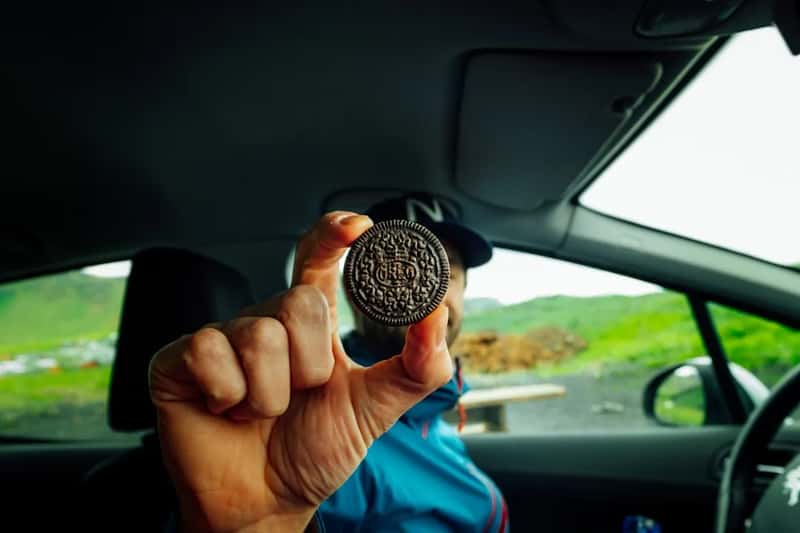
Anyone who spent summers driving through stretches of highway with no exits in sight knows the unspoken rule: you bring more food than you think you’ll need. It usually starts with crackers or pretzels tossed into a bag “just in case,” and somehow that habit never fully goes away. Grocery stores near highway routes have long stocked snack aisles specifically because of this kind of travel behavior, according to retail trend reporting on road trip shopping patterns.
Even adults who now travel with GPS, apps, and 24-hour gas stations at every exit still feel compelled to pack a small stash before heading out. It’s a habit rooted less in necessity and more in the memory of a road trip that once went sideways, a wrong turn, a closed diner, a snack that saved the day. Better safe than hungry, as the old family logic goes.
3. Instinctively knowing how to entertain themselves without a screen
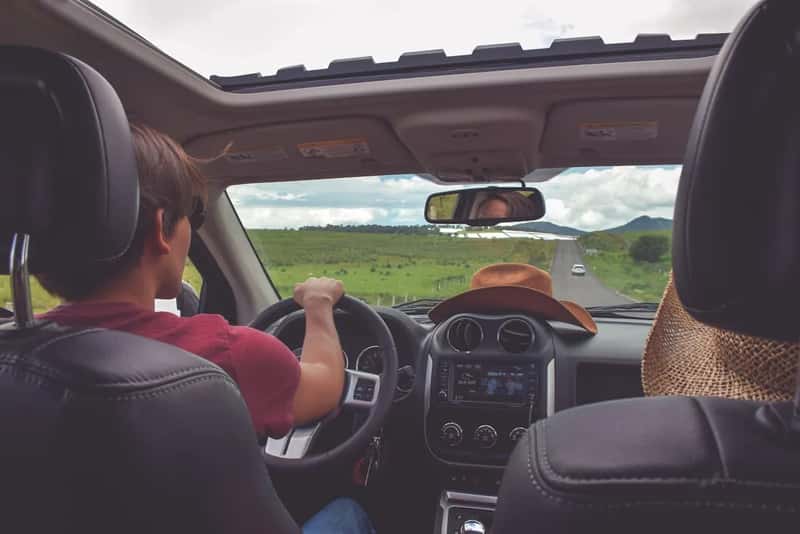
Long before tablets and phones took over backseat entertainment, kids on road trips relied on license plate games, spotting contests, or simply staring out the window and thinking. That skill, oddly enough, sticks. People who grew up this way tend to be more comfortable with downtime, less likely to reach for a phone the second a wait or a lull hits.
Psychologists who study boredom and attention have noted that unstructured time, the kind common on long car rides, can support creativity and patience in ways constant stimulation doesn’t. It’s a small thing, but it shows up in adulthood as an ability to sit through a delay or a long line without feeling restless. The habit of entertaining yourself with nothing more than your own thoughts doesn’t fade easily once it’s formed.
4. Mentally mapping the route even when the GPS is already on
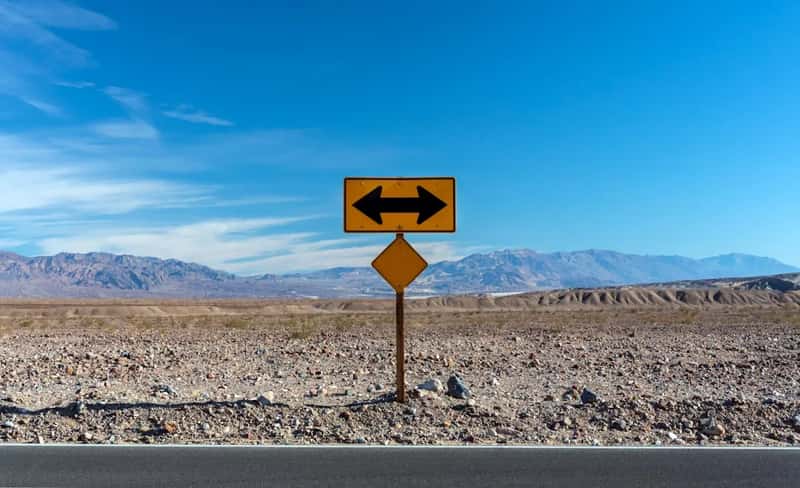
There’s a particular kind of person who still glances at road signs and mile markers even though the navigation app has everything under control. This comes from years of following along on paper maps or listening to a parent narrate turns out loud. It’s a habit of situational awareness, not distrust of technology, just an old reflex that never fully switched off.
Many road trip veterans admit they like knowing where they are in relation to the next town or landmark, even if the phone is doing all the actual work. It gives a sense of control, a backup plan in case service drops or the app glitches, which still happens more often than people expect on rural highways. Growing up navigating by memory or printed maps seems to leave a lasting comfort with knowing the lay of the land.
5. Automatically taking on the role of “car snack and trash manager”
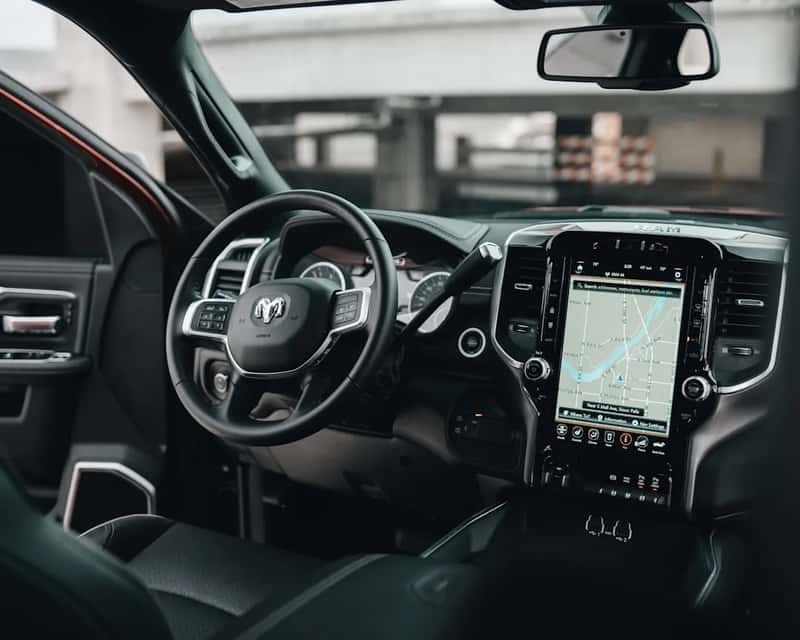
If you grew up in a car with siblings, chances are someone appointed themselves the unofficial keeper of the snack bag and the trash pile. That role tends to follow people into adulthood, showing up as an instinct to keep the car tidy, to hand out napkins before anyone asks, or to designate a specific bag for wrappers before the trip even starts. It’s a small organizational tic, but it’s remarkably consistent among people with a road trip heavy childhood.
This habit often extends beyond family trips into rideshares, rental cars, or work carpools, where the same person quietly manages cups and food wrappers without being asked. It’s less about control and more about comfort, the same way some people can’t relax in a messy room. The order it brings feels familiar, even soothing, a small echo of family trips gone by.
6. Building in rest stops without needing to be told
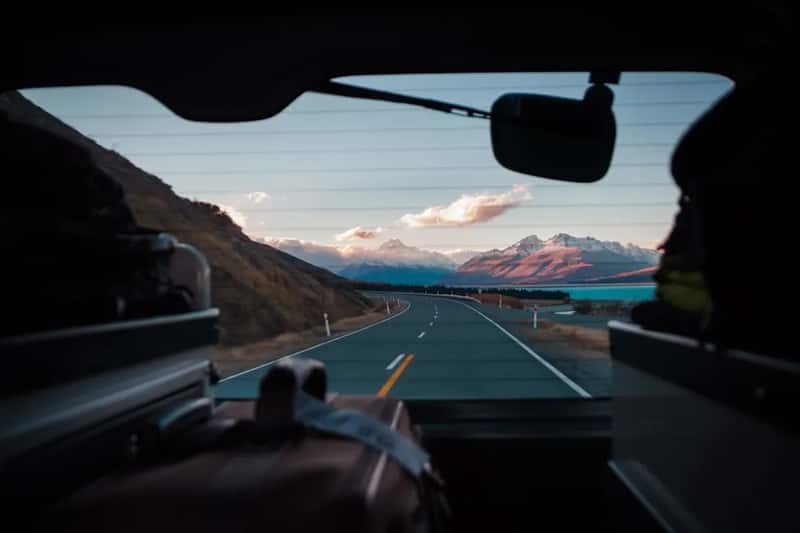
People who spent their childhoods on long drives tend to understand, almost intuitively, that stopping every couple of hours isn’t optional, it’s part of the trip. The National Highway Traffic Safety Administration has long recommended taking breaks during long drives to reduce fatigue related risks, and that advice seems to sink in early for kids who grew up on the road. As adults, many of them plan stops before setting out, almost as a built in ritual rather than a reaction to tiredness.
This habit tends to show up even on trips shorter than the ones from childhood. A two hour drive might still include one planned stop, not because it’s needed, but because it feels right. The rhythm of stop, stretch, refuel, and go became so ingrained early on that skipping it can feel oddly incomplete.