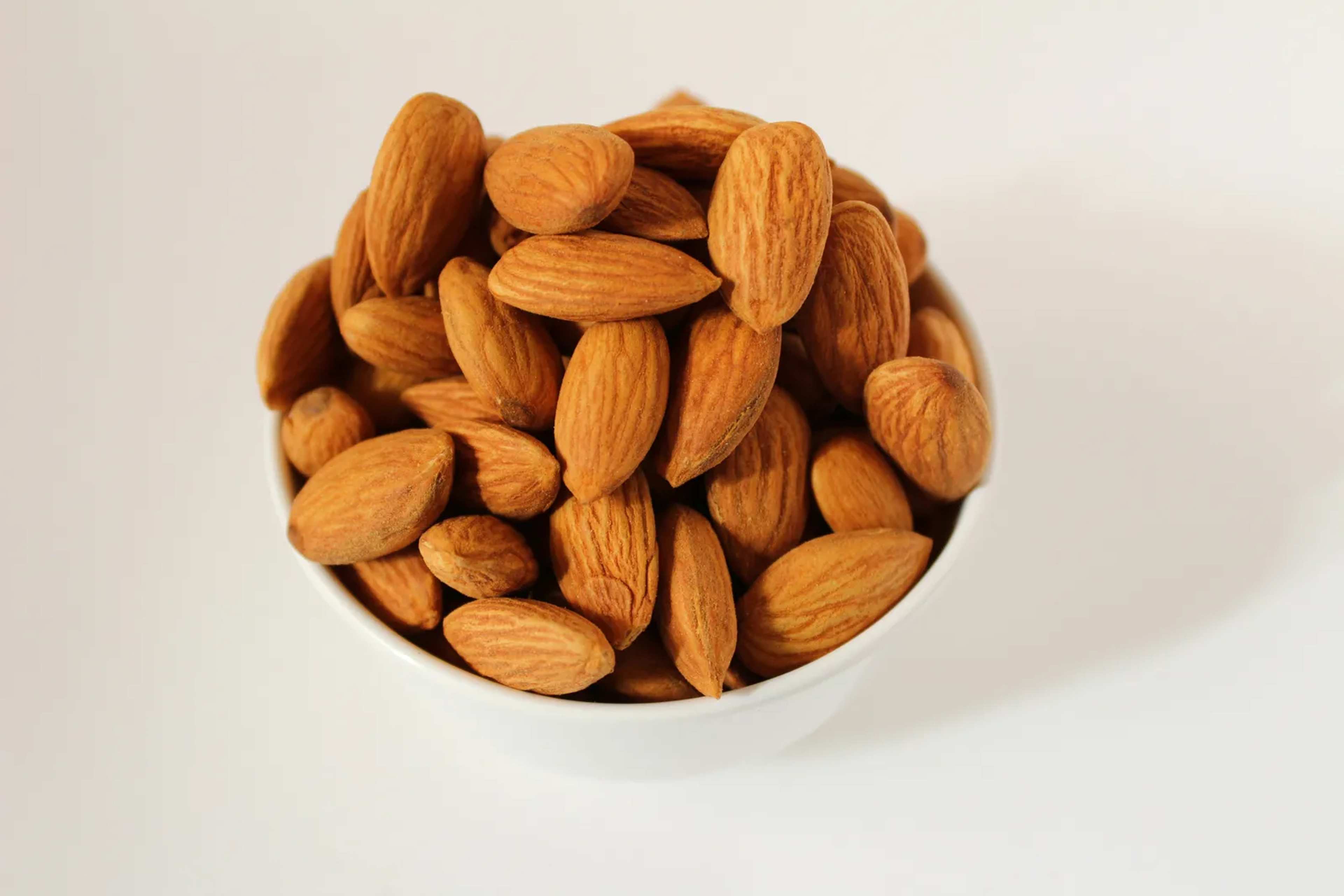
A bag of almonds tucked away in the pantry after last year’s baking projects often looks perfectly fine months later. The nuts sit there quietly, their natural oils slowly changing in ways that are not always visible at first glance. Storage conditions, packaging, and the form of the almonds all play a role in how quickly quality declines. ([1])
The Gradual Shift in Almond Quality
Almonds contain natural oils that can oxidize over time, leading to rancidity. This process does not always produce dramatic visual changes, which is why many people overlook early signs. The condition of the nuts at purchase, the type of packaging, and the temperature where they are kept all influence how long they stay fresh. Industry sources note that cool and dry conditions help slow the breakdown of those oils.
University extension services emphasize that rancid almonds are primarily a quality issue rather than an immediate safety concern. The flavor becomes sharp and unpleasant, yet appearance and smell alone cannot confirm whether harmful bacteria are present. Refrigeration and freezing preserve taste and texture but do not eliminate any bacteria that may already exist in the product.
Recommended Storage Times From Reliable Sources
Guidance from the USDA FoodKeeper and various university extensions provides practical ranges for home storage. Shelled almonds typically maintain quality for about four months in a pantry setting around 70 degrees Fahrenheit. Refrigeration extends that period to roughly eight months, while freezing supports up to ten months or longer depending on the source consulted.
Almonds still in the shell generally last longer than shelled varieties across all storage methods. In-shell nuts can remain usable for six months in the pantry, sixteen months in the refrigerator, and up to twenty months in the freezer according to USDA data. These figures represent estimates of peak quality rather than strict safety cutoffs, and actual results vary with packaging and handling.
Commercial recommendations from the Almond Board of California suggest even longer periods under controlled cool and dry conditions below 50 degrees Fahrenheit and 65 percent relative humidity. Home pantries rarely match those exact parameters, so shorter times are more realistic for most households. Vacuum-sealed or unopened packages should follow the printed date as the most reliable indicator.
Clear Indicators That Almonds Have Deteriorated
Inspect almonds carefully before use, starting with a visual check for mold, bugs, or webbing. Any fuzzy growth or unexpected dampness and clumping in plain nuts warrants discarding the entire batch without tasting or sniffing closely. USDA guidance advises against consuming moldy nuts and notes that mycotoxins produced by certain molds can pose risks.
Odor provides another important clue. A stale, painty, or cardboard-like smell often signals lipid oxidation and rancidity. Shelled almonds can also absorb surrounding flavors and moisture, so strong pantry odors nearby may affect them over time. When in doubt, it is safer to replace the supply rather than risk an off batch in recipes or snacks.
Practical Steps for Everyday Use
Keep almonds in a clean, airtight container away from heat sources, direct sunlight, and strong-smelling items. For short-term needs, a cool, dark pantry works well, but anything not used within a few weeks benefits from refrigeration or freezing. Date the container when transferring nuts to help track freshness and rotate stock effectively.
Roasted, salted, sliced, or chopped almonds tend to lose quality faster than raw whole kernels because processing increases exposure to oxygen and moisture. Follow package instructions for these forms and move leftovers to the refrigerator or freezer promptly. Freezing works effectively when the container remains sealed during the warming process to reduce condensation.
Key points to remember:
- Quality declines mainly through oil oxidation rather than sudden spoilage.
- Storage temperature and packaging make the biggest difference in shelf life.
- Inspect for mold, bugs, clumping, and off odors before eating.
- Refrigerate or freeze portions that will not be used soon.
- Best-by dates reflect quality, not automatic safety limits.
Proper handling keeps almonds enjoyable for months beyond initial expectations in many cases. Paying attention to these details turns an ordinary pantry staple into a reliable ingredient rather than a source of disappointment.