There’s a particular kind of jet lag that has nothing to do with time zones. It shows up weeks after you’ve unpacked your suitcase, when you catch yourself doing something that feels distinctly un-American, or un-Australian, or simply unlike the person you were before you boarded that flight home. Europe has a way of quietly rewiring habits, and most travelers don’t even notice it happening until a friend points out that they’ve started acting a little different.
These shifts are rarely dramatic. Nobody comes home speaking fluent Italian or suddenly obsessed with castles. Instead, the changes are small, practical, and oddly persistent, the kind of behavioral souvenirs that outlast the actual trip. Here are six habits that seem to follow first-time European travelers home, whether they mean for them to or not.
1. Walking Everywhere, Even When Driving Would Be Easier
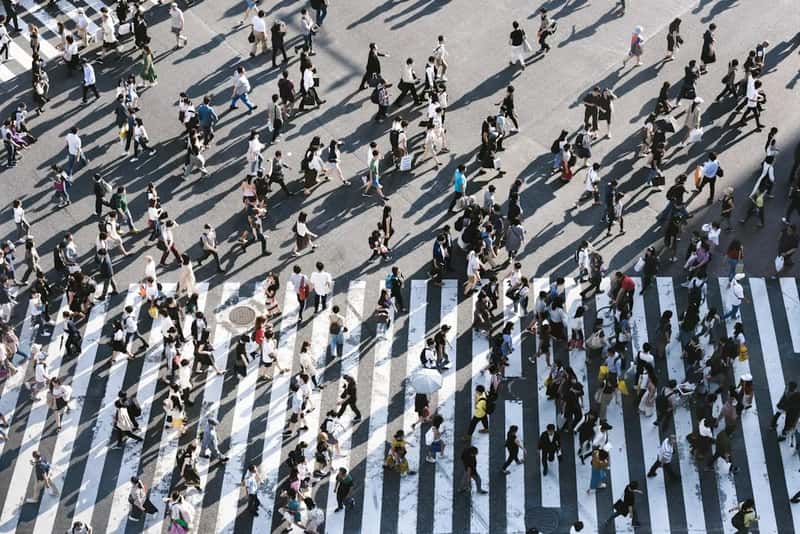
After a week or two of navigating cities like Paris, Lisbon, or Prague on foot, something clicks. Many European city centers were built long before cars existed, which means distances that feel long on paper often turn out to be a pleasant fifteen-minute stroll. Tourists get used to walking to dinner, walking to the next neighborhood, walking just because the streets are interesting, and that habit doesn’t always stay behind at customs.
Back home, in cities designed around highways and parking lots, these same travelers often find themselves choosing to walk to the grocery store or skipping the car for a nearby errand. It’s not always convenient, and sometimes it’s downright impractical depending on where they live. Still, the instinct lingers, a quiet protest against a lifestyle that treats walking as exercise rather than transportation.
2. Lingering Over Meals Instead of Rushing Through Them

One of the more noticeable culture shocks in places like Italy, Spain, or France is how unhurried dining feels. Waiters don’t rush over with the check the moment the last bite is finished, and a two-hour lunch is treated as completely normal rather than indulgent. First-time visitors often feel impatient at first, then strangely relaxed, and eventually a little sad to leave that rhythm behind.
Once home, plenty of travelers start pushing back against fast-food-paced dinners. They pour a second glass of wine slower, let conversation stretch past dessert, or simply refuse to treat eating as a task to check off. Friends sometimes tease them for taking forever at restaurants, not realizing they’ve unknowingly imported a small piece of Mediterranean table culture.
3. Carrying a Reusable Water Bottle and Actually Using It
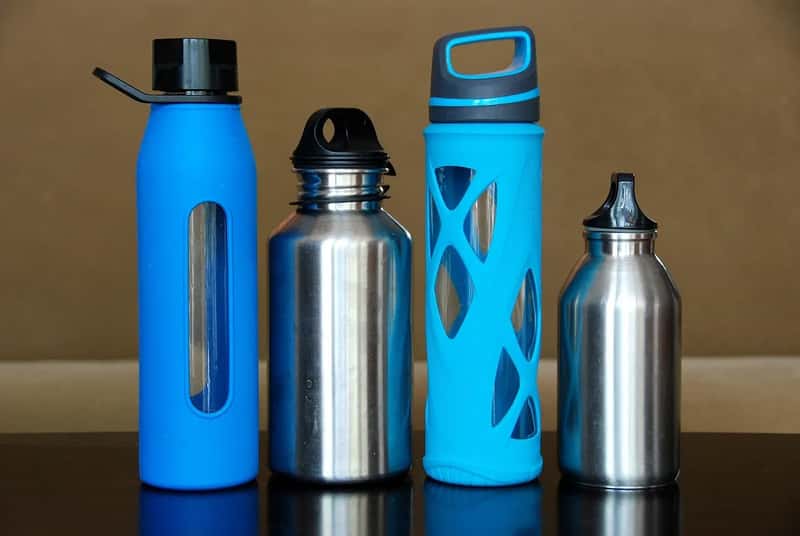
Many European cities make hydration refreshingly simple thanks to public drinking fountains, from Rome’s nasoni to Switzerland’s roadside fountains fed by mountain springs. Travelers quickly learn that carrying a refillable bottle saves money and hassle, since tap water is generally safe to drink across most of Western and Central Europe. That habit of refilling instead of rebuying tends to stick.
Long after the trip ends, many tourists keep a reusable bottle in their bag out of pure habit, refilling it at parks, gyms, or offices instead of grabbing a plastic one. It’s a small shift, but it often marks the start of a broader awareness about unnecessary waste. What began as a travel convenience quietly becomes a slightly greener everyday routine.
4. Taking Public Transportation Without Complaint
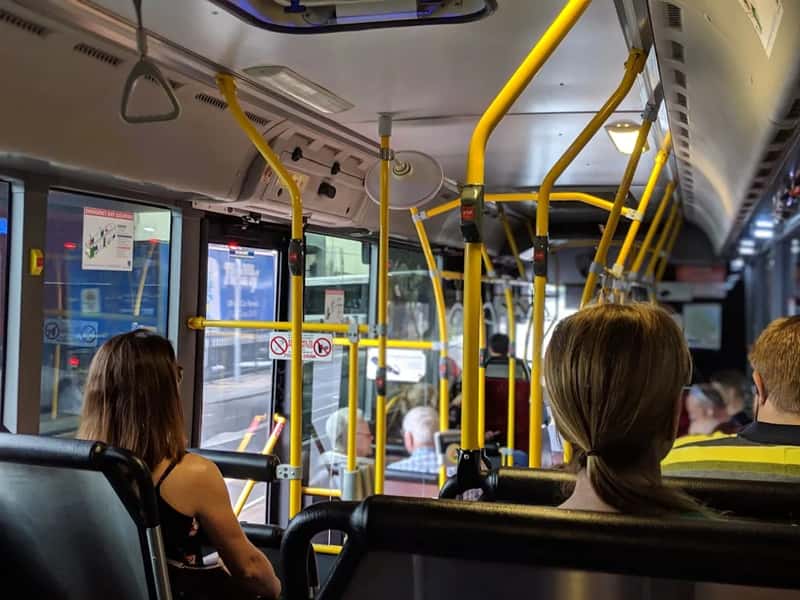
Cities such as Amsterdam, Vienna, and Berlin have transit systems that make car ownership feel almost unnecessary, with frequent trains, trams, and buses connecting nearly everything worth seeing. First-time visitors often arrive skeptical and leave impressed, surprised by how easy and stress-free getting around can be without ever touching a steering wheel. That experience tends to reshape expectations.
Returning home, especially to places where public transit is spotty or inconvenient, many travelers find themselves newly frustrated by systems they once accepted without question. Some start seeking out transit options they previously ignored, while others simply complain more loudly about infrastructure gaps. Either way, their tolerance for car-dependent city planning tends to shrink.
5. Prioritizing Vacation Time Like It’s Sacred
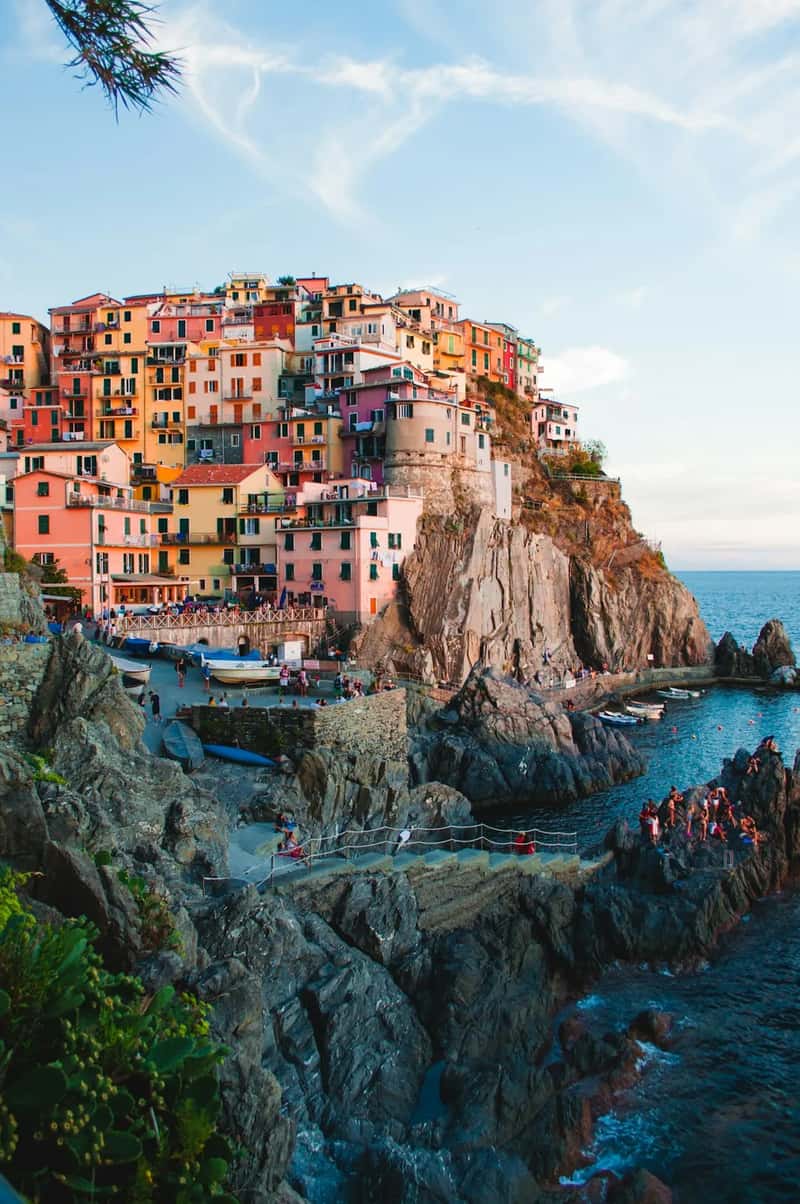
European labor norms tend to treat time off as a right rather than a favor, with most European Union countries guaranteeing workers a minimum of four weeks of paid annual leave. Travelers who spend time in places where entire cities seem to slow down in August, particularly in France and Italy, often come home questioning why their own vacation days feel so hard to use. The contrast is hard to unsee once it’s been experienced firsthand.
Many return home determined to actually use their allotted time off instead of letting it pile up unused. They start planning trips further in advance, guarding weekends more fiercely, or pushing back gently when work culture treats rest as optional. It’s less about becoming lazy and more about recalibrating what a healthy relationship with work is supposed to look like.
6. Seeking Out Local Bakeries and Markets Over Big Chains
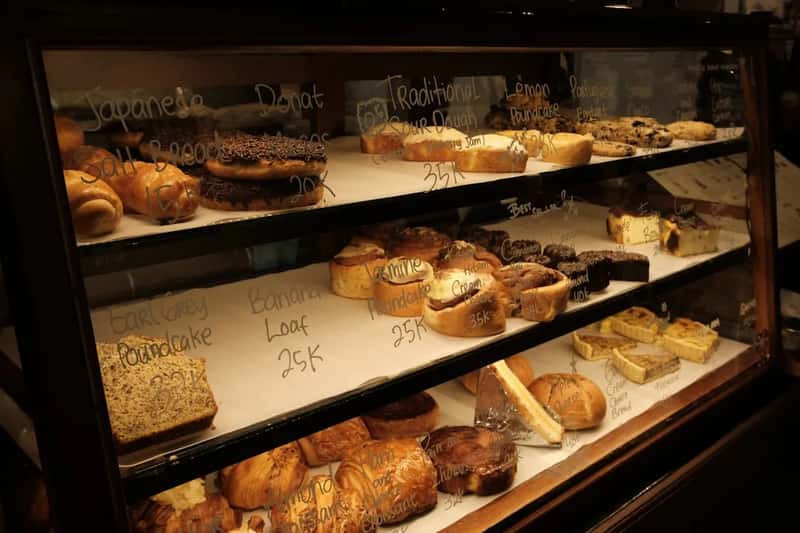
Farmers markets, neighborhood bakeries, and small family-run shops are woven into daily life across much of Europe in a way that feels different from the convenience-store culture many tourists are used to. Buying fresh bread each morning or picking produce from a weekly market becomes part of the trip’s charm, not just a tourist activity. That daily ritual of shopping small and shopping fresh tends to leave an impression.
Once home, many travelers start actively seeking out farmers markets, local bakeries, or independent grocers instead of defaulting to the nearest supermarket chain. It’s rarely a complete lifestyle overhaul, but the preference for fresher, more local options often sticks around. What felt like vacation behavior slowly becomes a genuine shift in how they shop.
None of these habits arrive with fanfare. They sneak in quietly, tucked between jet lag and unpacked luggage, until one day a traveler realizes they’ve become someone who walks more, eats slower, and guards their vacation days like treasure. Europe doesn’t just leave memories behind, it leaves fingerprints on daily routines that can last for years after the passport gets its next stamp.