Every year, millions of Americans pack up and relocate in search of better weather, cheaper housing, or new job opportunities. Yet in a handful of states, something different happens: people who grow up there tend to stay, and newcomers who arrive often decide to put down roots for good. Researchers at the Federal Reserve Bank of Dallas call this phenomenon “stickiness,” a measure of how many native-born residents remain in their home state well into adulthood.
The states on this list consistently rank among the highest for resident retention, and several also score well on independent happiness and quality-of-life surveys. From booming job markets to strong communities and reasonable costs of living, these are the places where the grass apparently doesn’t look greener anywhere else.
1. Texas

No state keeps its own people quite like Texas does. According to Census Bureau data analyzed by the Dallas Fed, Texas, with an 82% stickiness rate, retains the most native-born people and has been at or near the top of the list for years.[1] That figure is even more remarkable considering how much the state’s population has grown and diversified over the past two decades.
Part of the appeal comes down to simple economics. Texas has no state income tax, a relatively low cost of living compared to other large states, and job markets in Austin, Dallas, and Houston that have attracted major employers across tech, energy, and healthcare. The Lone Star State also has the lowest percentage of out-migration, which refers to the ratio of the number of people leaving a state in a given year per 1,000 residents.[1] When people do leave, they’re the exception rather than the rule.
2. North Carolina
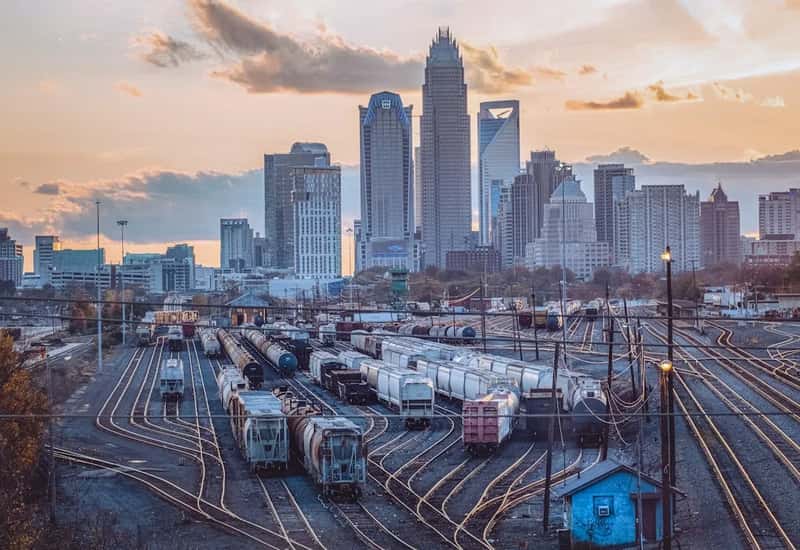
North Carolina has quietly become one of the most “sticky” states in the country. Dallas Fed data shows North Carolina retains 75.5% of its native-born residents[1], placing it second nationally behind only Texas. The state blends a moderate climate, mountains, and coastline within a single day’s drive, giving residents plenty of reasons to stay close to home.
Beyond geography, North Carolina’s economy has diversified well beyond its traditional tobacco and textile roots. The Research Triangle area around Raleigh-Durham has become a magnet for biotech and technology firms, while cities like Charlotte have grown into major banking hubs. That combination of natural beauty and economic opportunity gives both natives and transplants little incentive to look elsewhere.
3. Georgia
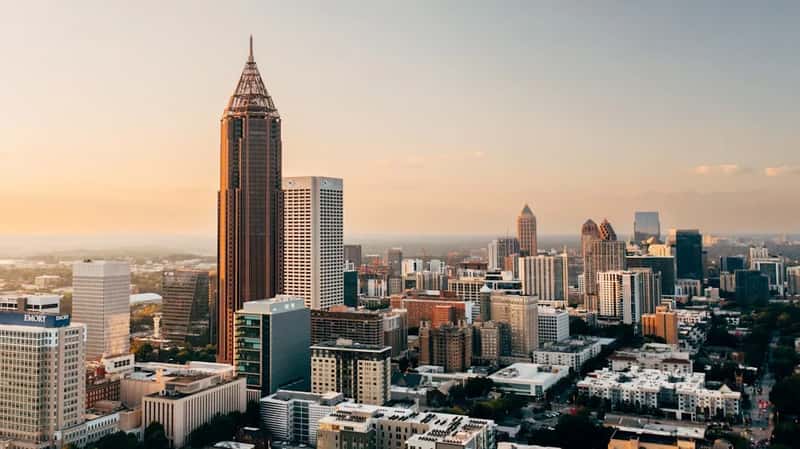
Georgia ranks third among the stickiest states in the nation, with Dallas Fed research showing a 74.2% retention rate for native-born residents.[1] Atlanta’s rise as a business and entertainment hub, paired with a lower cost of living than many coastal metros, has made the state attractive to both lifelong residents and newcomers looking to settle permanently.
Georgia also happens to perform respectably on broader happiness metrics. In WalletHub’s 2026 happiness rankings, Georgia landed at number 19 overall[2], a solid mid-pack showing among all fifty states. Combine steady population retention with reasonable community satisfaction, and it’s easy to see why so many Georgians simply never leave.
4. California

California might seem like an unlikely entry given its high cost of living and frequent headlines about residents fleeing for cheaper states. Still, the numbers tell a more nuanced story. Dallas Fed data places California fourth nationally with a 73.0% stickiness rate[1], meaning the vast majority of native Californians never actually leave.
California also ranks unusually high for overall happiness despite its affordability challenges. WalletHub’s most recent survey placed California seventh overall among all states for happiness[2], driven largely by strong scores in emotional and physical well-being. Between the climate, the economic opportunity concentrated in places like Silicon Valley, and deep-rooted family and cultural ties, many Californians decide the tradeoffs are worth it.
5. Utah
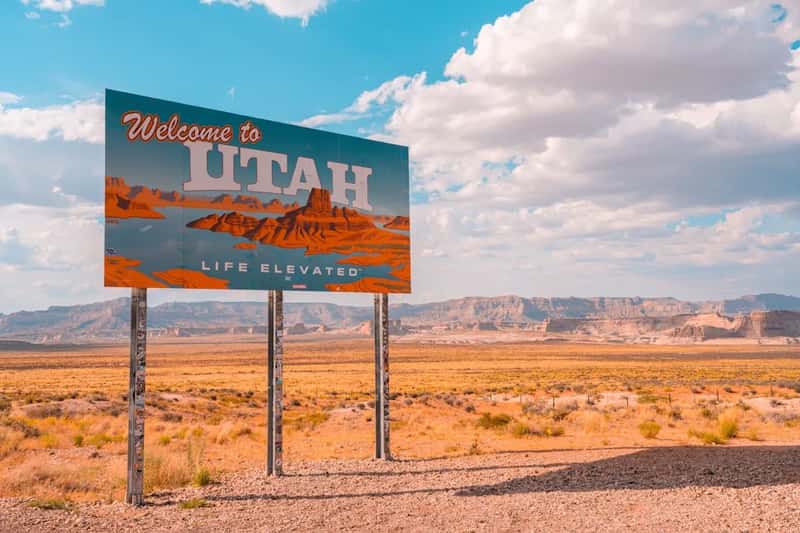
Utah consistently earns a reputation as one of the most livable states in the country, and the data backs it up. The Dallas Fed found Utah rounds out the top five sticky states, with a retention rate hovering just under seventy-three percent.[3] That loyalty is paired with genuinely strong quality-of-life numbers across the board.
Utah’s economy has been remarkably resilient, and its residents report unusually high satisfaction with daily life. According to WalletHub’s 2025 report, Utah takes top honors in a number of categories, including sports participation rate, fewest work hours, highest volunteer rate and lowest divorce rate.[4] Strong community ties, outdoor access, and a stable job market give residents little reason to pack their bags.
6. Florida

Florida rounds out this list as the sixth-stickiest state in the nation, with Dallas Fed research showing a 72.7% retention rate among native-born residents.[1] That’s a notable figure for a state that also absorbs enormous numbers of retirees and transplants from colder climates every year, suggesting Florida is just as good at keeping people as it is at attracting them.
No state income tax, year-round warm weather, and a wide range of housing markets from dense urban centers to quiet coastal towns all play into Florida’s staying power. The state also performs respectably on broader well-being measures, ranking 14th overall in WalletHub’s 2026 happiness rankings[2]. For many Floridians, the sunshine and lack of state taxes make leaving a tough sell.
What ties these six states together isn’t one single factor. Some, like Texas and Florida, lean heavily on low taxes and strong job growth. Others, like Utah and North Carolina, combine economic opportunity with strong community bonds and access to the outdoors. California and Georgia show that even states with real affordability challenges can still keep residents loyal when culture, climate, and career opportunities align.
The common thread is simple enough. When a state manages to deliver on jobs, community, and quality of life at the same time, people tend to notice, and they tend to stay. For millions of residents in these six states, home really does feel like the best place to be.