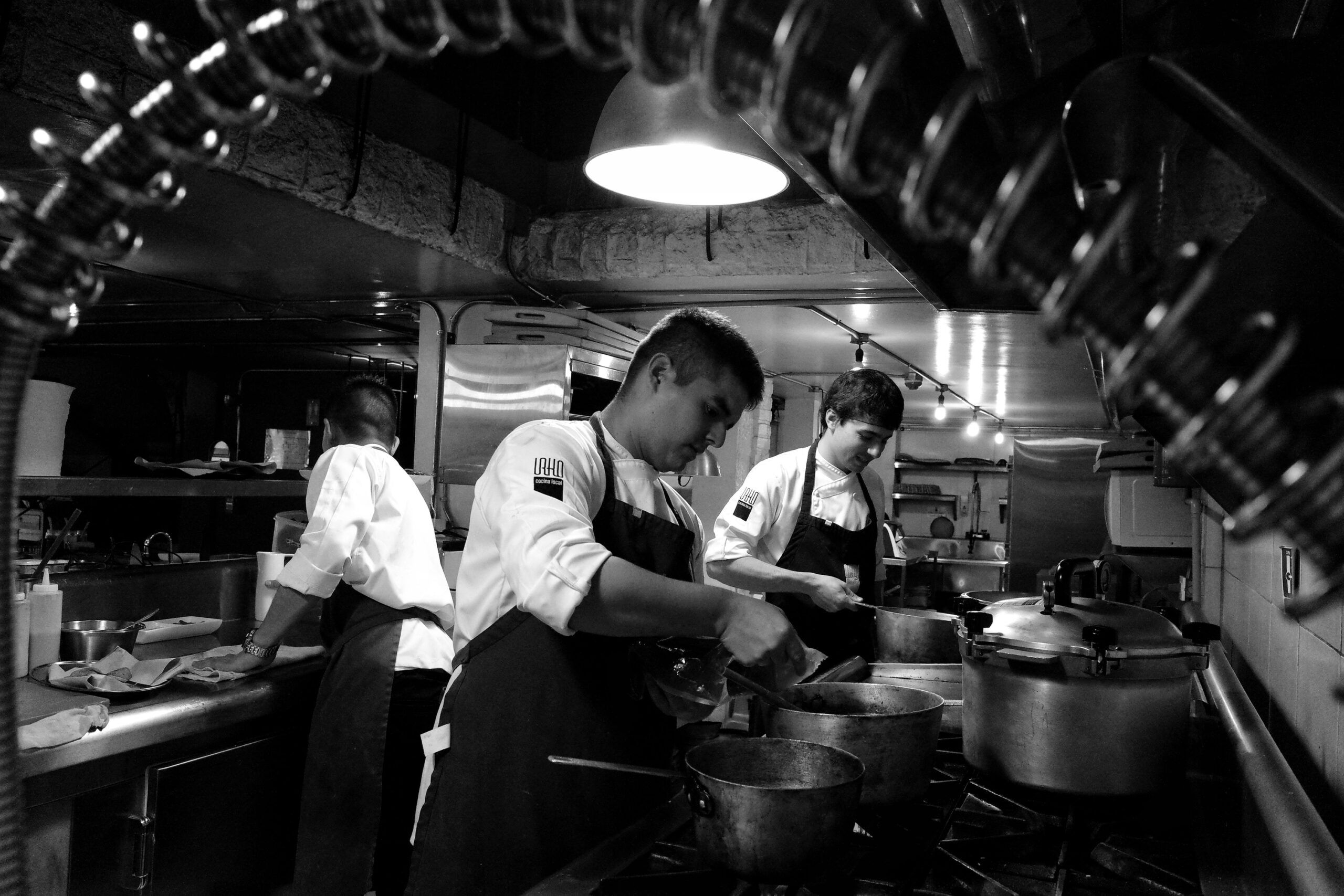
Long before the first ticket prints or the front door unlocks, a chef has already made a dozen small decisions that determine whether the night runs smoothly or falls apart by seven o’clock. Service doesn’t start when the first guest sits down. It starts hours earlier, in the quiet chaos of prep, when a chef walks the line and makes calls that ripple through every plate that leaves the kitchen. These choices rarely get noticed by diners, yet they’re the difference between a kitchen that hums and one that limps through the rush.
What follows isn’t a list of recipes or techniques. It’s a look at the judgment calls that separate a well-run kitchen from a stressed one, the kind of decisions that experienced cooks make almost on instinct but that took years to develop. Here are seven choices nearly every chef faces before the doors open.
1. Reviewing the Menu and Locking in Specials
Before anything else happens, a chef has to decide what’s actually being served that night. This means confirming the standing menu items are still viable given what arrived in that morning’s delivery, and deciding whether a special makes sense based on surplus ingredients, seasonal produce, or something that simply looked too good to pass up at the market. It sounds simple, but this decision touches everything downstream, from prep lists to plating to how servers describe dishes to the table.
A chef also has to weigh consistency against creativity here. Regulars expect certain dishes to be there, while a special can showcase skill or use up product before it turns. Getting this balance wrong either bores the kitchen or confuses the guest, so the choice of what goes on the board that night is one of the first real decisions of the day.
2. Deciding How Far Mise en Place Needs to Go
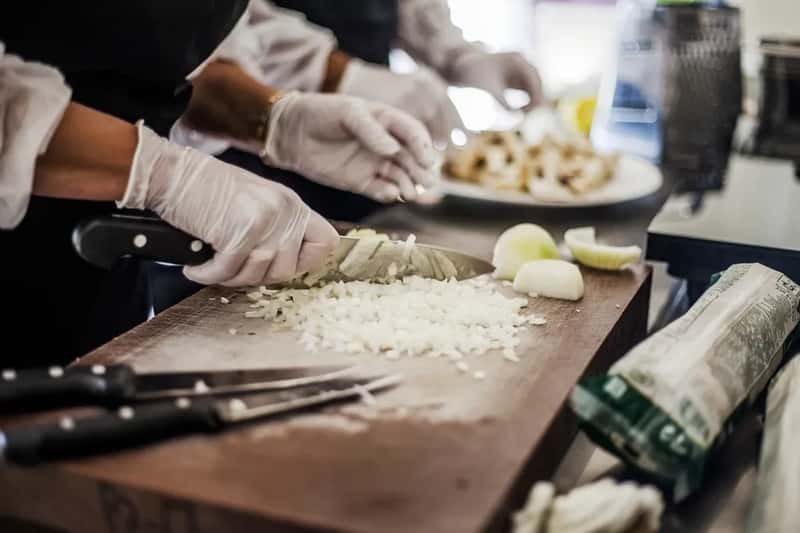
Mise en place, the French term for “everything in its place,” is the backbone of professional cooking, and a chef has to decide exactly how much prep is enough without tipping into waste. Too little prep and the line drowns during a rush. Too much and ingredients lose freshness or get thrown out at the end of the night, cutting into margins that are already thin in most restaurants.
This decision changes daily based on reservations, weather, local events, and even gut instinct built from years of reading a room before it fills up. A chef walking the line before service checks that sauces are portioned, proteins are trimmed, and garnishes are ready, then makes real-time adjustments if something looks short or overprepped. It’s less about following a checklist and more about constantly recalibrating based on what the night is likely to demand.
3. Choosing What to Say in the Pre-Service Briefing
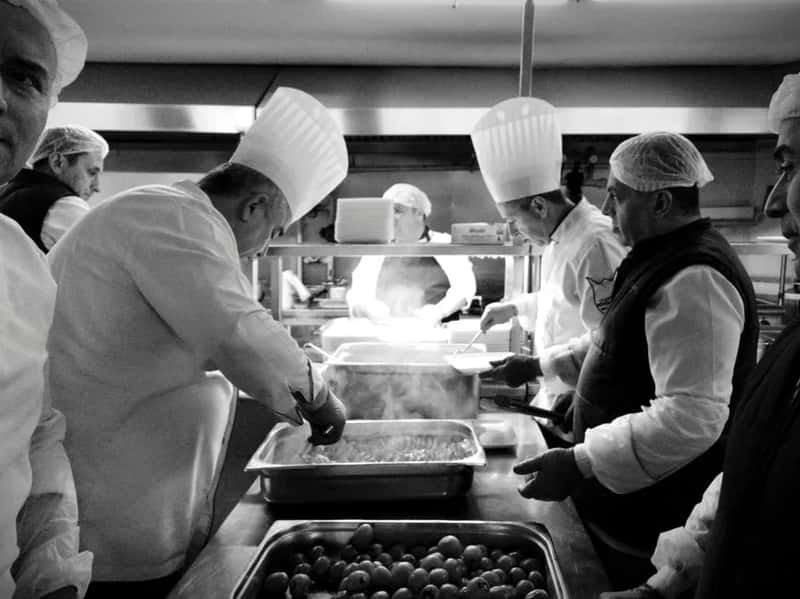
Most professional kitchens hold a short pre-service meeting, sometimes called a lineup or a family meal briefing, where the chef decides what information the team actually needs before the first ticket comes in. This might include specials, ingredient substitutions, allergy concerns tied to specific reservations, or simply which stations are short-staffed that night. The choice here is about clarity and brevity, since cooks and servers are absorbing a lot of information in a very short window.
A good briefing also sets tone. Chefs decide whether the night calls for a calm, steady message or a more urgent one if the kitchen is behind on prep or expecting a packed house. This is also frequently when allergy and dietary information gets reinforced, since miscommunication here can lead directly to safety issues once service starts moving fast.
4. Tasting Everything Before It Goes Out
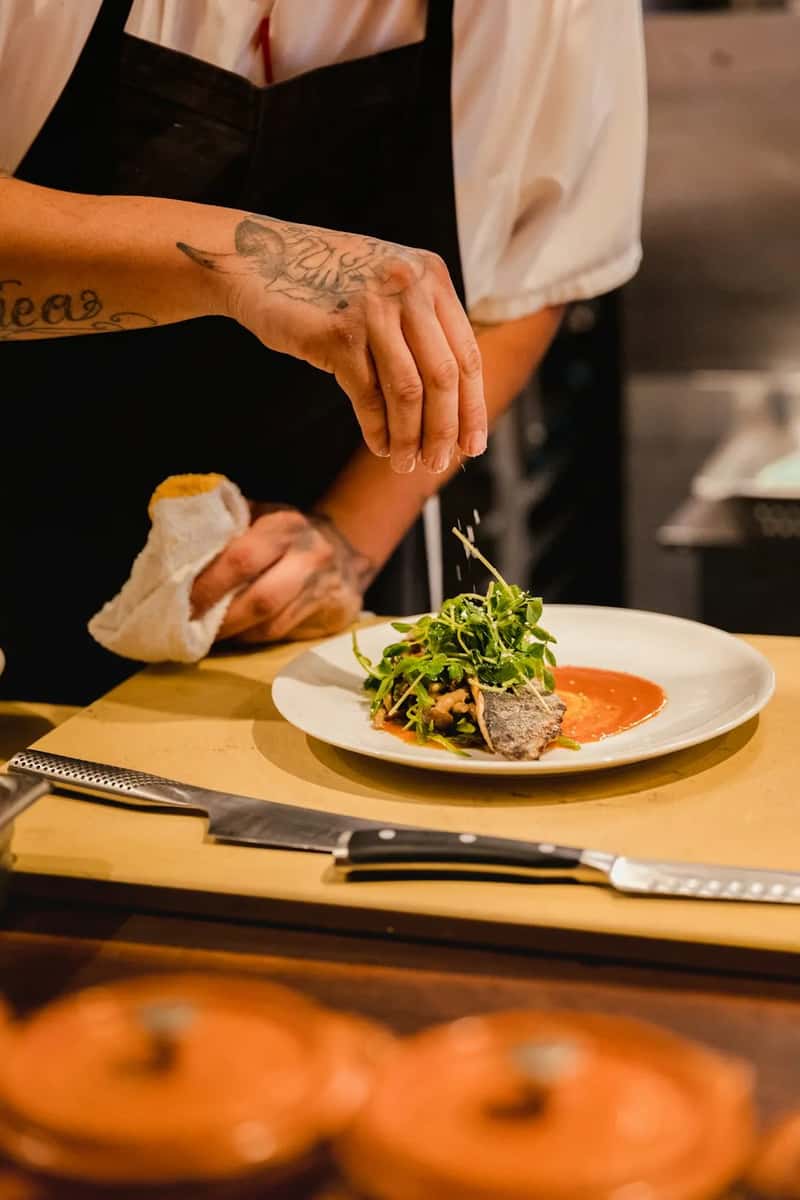
Tasting is not optional in a serious kitchen, and a chef has to decide how deep that tasting goes before doors open. This usually means sampling sauces, soups, and any dish that was prepped fresh that day, checking for seasoning, texture, and temperature. It’s also the moment where a chef catches problems, like a sauce that broke or a batch that wasn’t reduced properly, before a guest ever sees the plate.
Beyond flavor, this choice extends to consistency across stations. A chef often tastes the same dish prepared by different cooks to make sure the version leaving the pass tonight matches what left it last week. This quality control step is quiet and unglamorous, yet it’s one of the most direct ways a chef protects the reputation of the kitchen night after night.
5. Deciding How to Staff the Stations
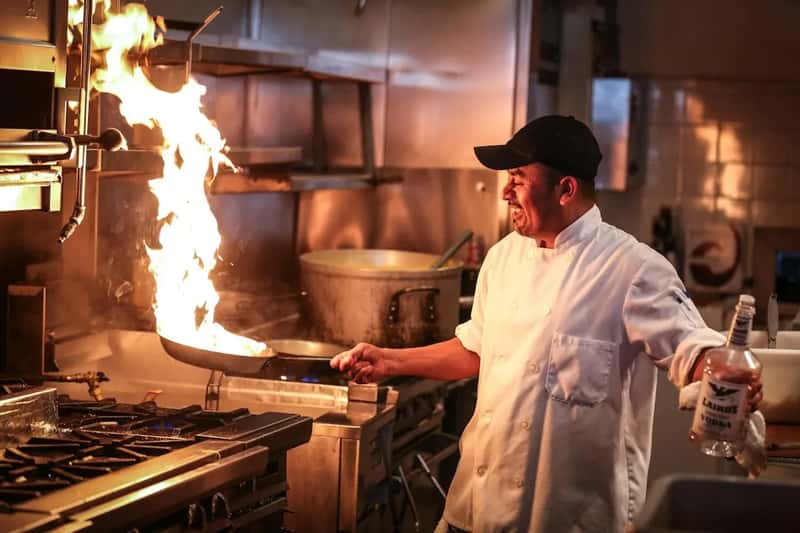
No two nights have identical staffing, and a chef has to make real-time decisions about who works which station based on who showed up, who called in, and who’s ready for more responsibility. This might mean moving a newer cook to a slower station and shifting a veteran to handle the busiest one, or doubling up on a station expected to take the brunt of a large reservation. These calls are made with an eye toward both speed and safety, since an understaffed station during a rush can create a bottleneck that slows the entire line.
This decision also involves trust. A chef has to gauge, often in a matter of minutes, whether someone is having an off day or is fully dialed in, and adjust the lineup accordingly. Getting staffing right before service starts is one of the clearest signs of an experienced chef, since it prevents problems rather than reacting to them once the kitchen is already slammed.
6. Reviewing the Reservation Book and Expected Covers
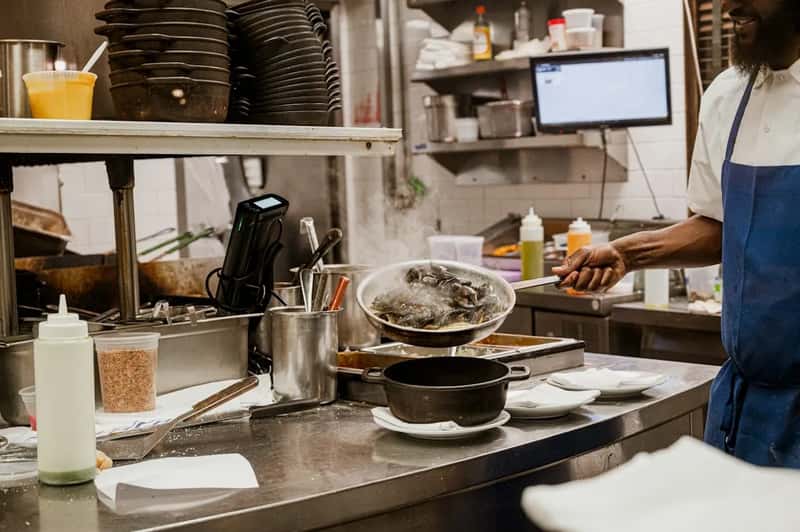
Before the first guest arrives, a chef typically reviews the reservation list to understand how many covers are expected, when large parties are seated, and whether any tables have special requests tied to allergies, celebrations, or dietary restrictions. This information shapes pacing decisions for the entire night, including when to push certain prep items and when to hold back on others that spoil quickly. A kitchen expecting two large parties at seven o’clock prepares very differently than one expecting steady, spread-out traffic.
This choice also affects how a chef times the tasting and final prep steps described earlier. Knowing that a twelve-top is booked for early in the night, for example, might mean prioritizing certain proteins or sides earlier than usual so the kitchen isn’t caught flat-footed. Reservation data has become more detailed with modern point-of-sale and reservation systems, giving chefs more precise information to plan around than they had even a few years ago.
7. Inspecting Equipment and Workstations One Last Time
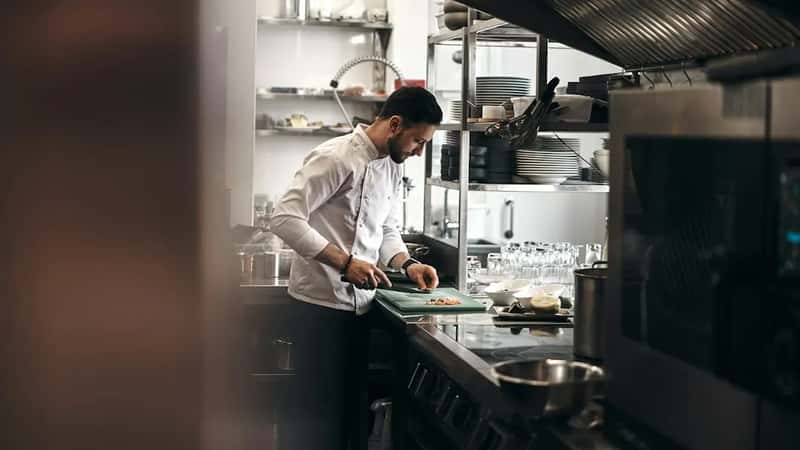
The final choice before service begins is a walkthrough of the kitchen itself, checking that ovens are at temperature, walk-in coolers are holding properly, and stations are stocked with the tools each cook will need. This is also when a chef confirms that safety equipment, like fire suppression systems and first aid supplies, is in working order and accessible, a requirement reinforced by health codes across most jurisdictions. A single piece of malfunctioning equipment discovered mid-service can derail an entire night, so catching it beforehand is far better than discovering it under pressure.
This inspection is also a chance to confirm cleanliness and organization, since a cluttered station slows cooks down in ways that compound as tickets pile up. Chefs walking this final lap are essentially making a last judgment call on whether the kitchen is truly ready, not just prepped on paper but functionally prepared for whatever the night throws at it. It’s a small, quiet moment, yet it’s often the last real decision made before the pass goes live and the first ticket comes through.
Taken together, these seven choices show that cooking well is only part of what makes a kitchen successful. The decisions made in the hours before service, about staffing, prep, communication, and equipment, shape everything that follows once the doors open. A chef’s real skill often shows up not in a single dish, but in the accumulated judgment behind dozens of small calls made quietly before anyone else even walks in.