There’s a particular kind of relief that comes from checking a restaurant bill abroad and realizing you didn’t need to wince. A lot of travelers assume that kind of ease disappeared years ago, priced out by inflation and overtourism. Yet a handful of cities around the world still let a modest paycheck cover a genuinely comfortable life, and the reasons why are more interesting than simple currency math.
What follows isn’t a list of forgotten villages or places with no infrastructure. These are functioning, often lively cities with good food, decent internet, and real neighborhoods, places where the cost of living has simply not caught up to their quality of life. Here are seven worth knowing about.
1. Chiang Mai, Thailand

Chiang Mai has been a budget favorite for over a decade, and the numbers still back up the reputation. Recent cost tracking puts monthly rent around $420, with a full living budget landing somewhere between $750 and $1,000 a month for a single person. That figure covers a one bedroom apartment, groceries, transportation, and regular meals out, not just bare survival.
Thailand more broadly remains one of the easier places to stretch a modest income, and coastal and northern cities in particular let people live comfortably for under $2,000 in places like Chiang Rai, Hat Yai, Udon Thani, or on smaller islands like Koh Phangan and Koh Chang[1]. Chiang Mai sits in that same affordable tier but with more infrastructure, a larger expat community, and a well established digital nomad scene. Street food alone can keep grocery bills low, and the city’s temples, mountains, and night markets give it a texture that budget destinations don’t always have.
2. Ho Chi Minh City, Vietnam
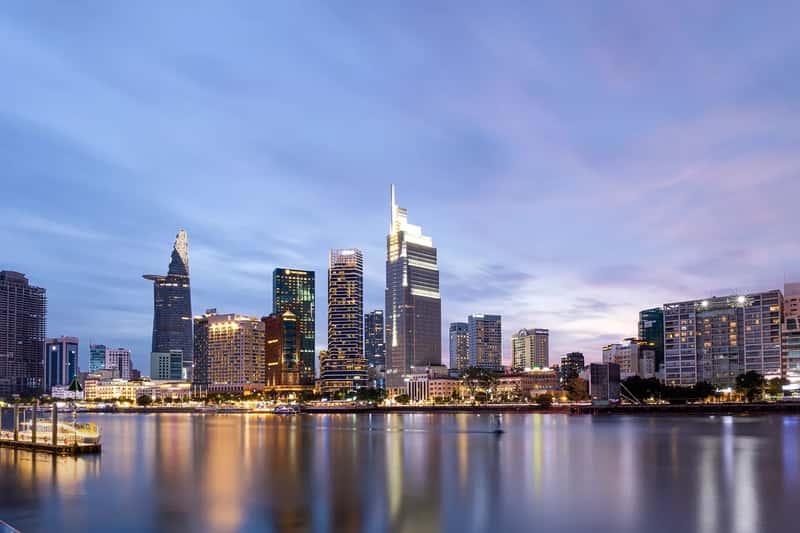
Vietnam’s largest city offers city energy without city prices, at least by Western standards. Average rent sits around $560 a month, and a full monthly budget typically runs between $900 and $1,200 for someone living well rather than scraping by. That’s enough for a decent apartment, regular meals at local restaurants, and a social life that doesn’t require constant budgeting math.
The broader national numbers reinforce how far money goes here. The estimated cost of living for a single person according to Numbeo is around US$500 a month, excluding rent[2], which leaves a comfortable cushion even after housing is added in. Ho Chi Minh City also has the advantage of scale. It’s a real metropolis with coworking spaces, healthcare options, and an increasingly international food scene, so the affordability doesn’t come at the cost of convenience.
3. Mexico City, Mexico

Mexico City has a reputation problem in the sense that people assume its popularity has priced it out of the affordable category. That’s only partly true. A couple can expect to spend somewhere between $2,000 and $3,000 a month for a comfortable lifestyle in the capital’s more central neighborhoods, according to recent cost breakdowns, which is a fraction of what similar neighborhoods would cost in most major U.S. or European cities.
Move slightly outside the capital and the math gets even better. Cities like Guadalajara and Mérida bring that couple’s budget down to somewhere between $1,500 and $2,200 a month. Broader estimates for Americans relocating to Mexico put monthly costs between $1,500 and $2,500, which for many people covers rent, groceries, transportation, and dining out combined, not just one category. The country’s proximity to the U.S. and overlapping time zones also make it a practical choice for remote workers, not just a cheap one.
4. Medellín, Colombia

Medellín has spent the last several years building a reputation as one of Latin America’s most livable affordable cities, and the cost data supports that. Average rent runs around $532 a month, with total monthly budgets typically falling between $1,000 and $1,300 for a single person living comfortably. That’s enough for a modern apartment in a walkable neighborhood, not a cramped studio on the edge of town.
Part of what makes Medellín stand out is the balance between cost and quality of life. The city’s spring like climate year round means no seasonal utility spikes for heating or cooling, and its metro system is genuinely efficient, which keeps transportation costs low. Combined with a strong coffee culture and a growing food scene, it’s a city where the low cost of living doesn’t feel like a compromise.
5. Porto, Portugal

Portugal has become something of a shorthand for affordable European living, and Porto is where that reputation holds up best without sacrificing city amenities. A couple can expect to budget somewhere between 1,800 and 2,800 euros a month for a comfortable life there, according to recent cost of living breakdowns, noticeably less than Lisbon’s equivalent range. That gap matters, because Porto still offers the riverside charm, historic architecture, and wine culture that draw people to Portugal in the first place.
Housing is the main reason the math works. Rents in Porto sit well below Lisbon’s, and everyday costs like groceries, public transportation, and dining out follow the same pattern. The city’s growing digital nomad and remote work community has also made it easier to find furnished apartments and coworking spaces without paying capital city premiums, which is part of why it keeps showing up on affordability shortlists for Western Europe.
6. Budapest, Hungary

Budapest offers a case study in what a mid sized European capital can cost when it isn’t London, Paris, or Amsterdam. Recent data puts the average monthly cost of living for one person at roughly $1,829, covering housing, food, and transportation. Average rent for a one bedroom apartment in the city center runs around $913 a month, a fraction of what a comparable unit would cost in most Western European capitals.
What makes Budapest particularly appealing is that the savings don’t come with an obvious quality trade off. The city has thermal baths, a strong public transit network, and a dining scene that mixes traditional Hungarian food with a growing international presence. For anyone used to Western European capital city prices, Budapest tends to feel like getting a genuine upgrade in lifestyle for roughly the same or lower monthly spend.
7. Tbilisi, Georgia

Tbilisi has quietly become one of the more talked about affordable cities of the past few years, partly thanks to generous visa policies and partly because the cost of living has stayed low even as the city’s profile has risen. Recent estimates put the monthly cost of living for one person at around £1,000, covering housing, food, and transport. That’s a striking figure for a capital city with a functioning metro, a growing café culture, and increasingly reliable internet infrastructure.
Rent is the main driver of that affordability. A one bedroom apartment in the city center averages under £510 a month, while the same unit outside the center drops to around £320. For remote workers and retirees alike, that kind of housing cost, combined with cheap local produce and inexpensive public transportation, is what keeps Tbilisi near the top of affordability conversations despite its rising popularity.
None of these seven cities are secret anymore, and that’s worth acknowledging. Word travels fast among remote workers, retirees, and budget conscious travelers, and prices in popular neighborhoods can shift within a year or two as more people arrive. Still, the underlying economics in each of these places, lower housing costs, cheaper local food, and currencies that stretch further against the dollar or euro, tend to hold steady even as individual rents creep upward.
The real takeaway isn’t that these cities are permanently frozen in some earlier, cheaper era. It’s that affordability today usually comes down to picking places where local wages and international budgets haven’t fully converged yet. For now, that gap is still wide enough in Chiang Mai, Ho Chi Minh City, Mexico City, Medellín, Porto, Budapest, and Tbilisi to make a real difference in how far a modest income can go.