Walk down a street in Ljubljana or Taipei and you will notice something small but telling: the trash bins are outnumbered by recycling bins, often four or five to one, each labeled for a specific material. It is a quiet visual cue that hints at something bigger happening behind the scenes, a set of national systems built over decades to keep waste out of landfills and back into use.
While most of the world still struggles to recycle even a third of what it throws away, a small group of countries has pushed well past that mark. Their approaches differ, from deposit schemes to mandatory sorting laws to pay-as-you-throw pricing, but the results place them in a league of their own.
Germany
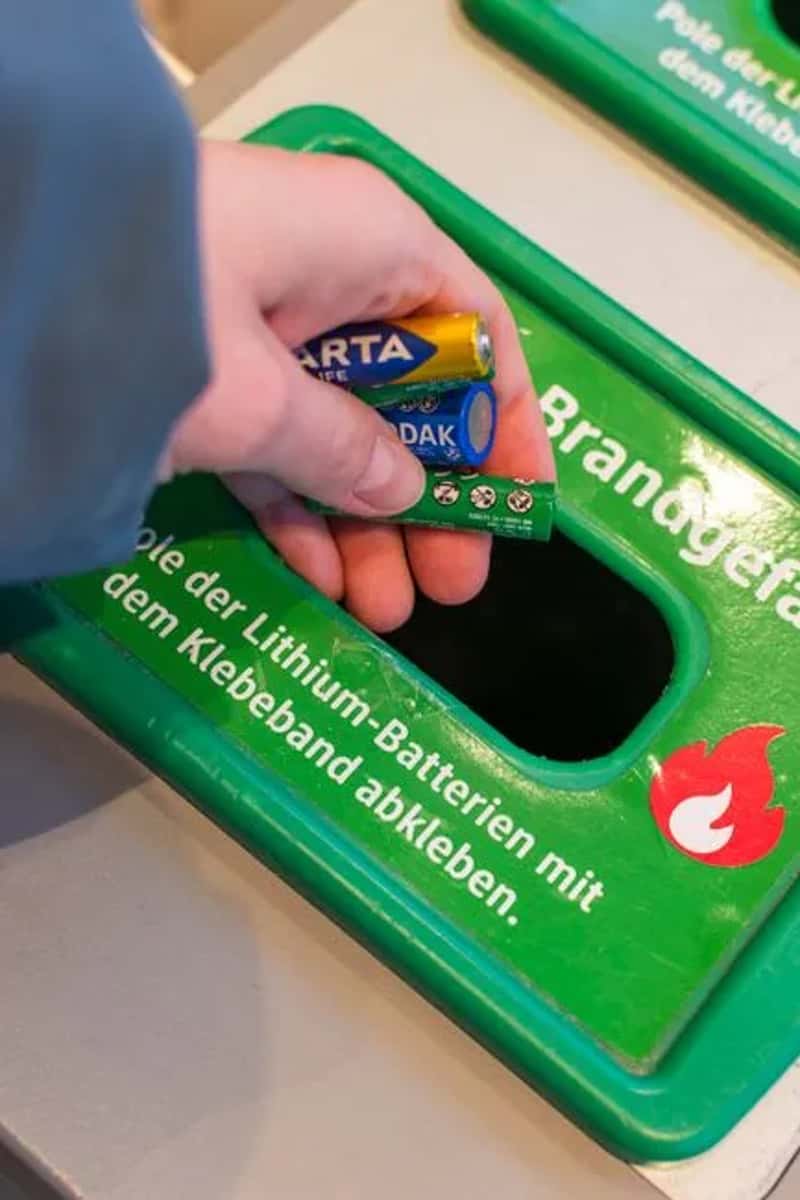
Germany has held the title of Europe’s top municipal recycler for years, and 2024 was no exception. In 2024 the leading country for recycling was Germany, with 67% of municipal waste either recycled or composted. That performance did not happen by accident. Germany’s success owes much to its comprehensive Green Dot recycling scheme, which mandates that producers take responsibility for the packaging waste they generate.
The country also relies heavily on its bottle deposit system to keep containers circulating rather than piling up. A deposit return scheme has proven extremely effective in Germany, which has reached a return rate of 98.4% since adopting it. Combine that with strict landfill bans on organic-rich waste, and it becomes clear why German households have simply grown up sorting everything into color-coded bins without a second thought.
Austria
Austria is frequently named the single best performer in independent global comparisons. Austria was revealed as the world’s best country for recycling in a study by Reloop and Eunomia Research and Consulting. That research looked across dozens of nations, weighing not just headline numbers but the reliability of how each country actually measures and reports its waste streams.
Domestically, Austria’s rate has hovered in the low sixties for several years, putting it firmly among Europe’s elite. Austria’s recycling rate sits at around 62.5%, closely following Germany. Much of that success traces back to a strict landfill ban introduced decades ago, which forced the country to build out sorting and composting infrastructure rather than simply burying the problem.
Slovenia
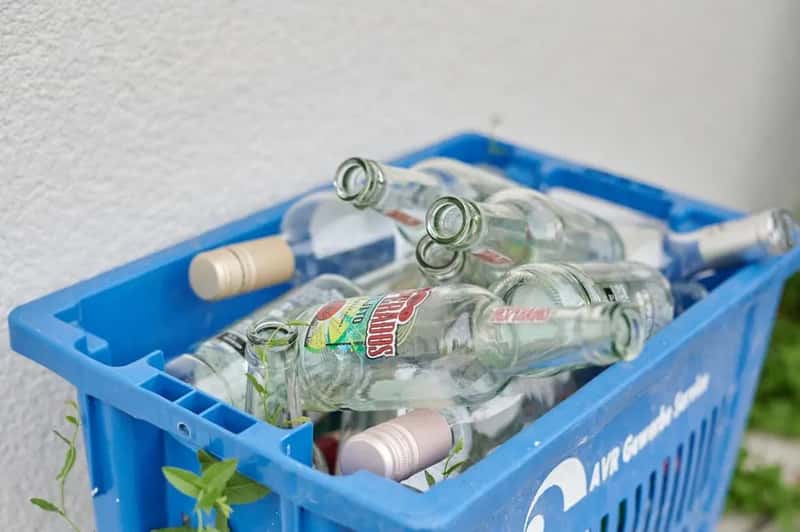
Slovenia rarely gets the international attention that Germany or Austria receive, yet its numbers hold up just as well. The recycling rate of municipal waste in Slovenia increased by 2.7 percentage points to 62.3% in the most recent reporting year. That climb has been steady rather than sudden, built on mandatory separate collection rules that apply to nearly every household fraction, from glass to textiles to biowaste.
Packaging waste, a category many countries struggle with, has become a particular strength. The recycling rate of packaging waste in Slovenia rose by 11.0 percentage points to 73.6%, while plastic packaging recycling reached 51.5%. Small in population, Slovenia has effectively used that scale to its advantage, running tighter, more consistent collection programs than larger neighbors.
Switzerland
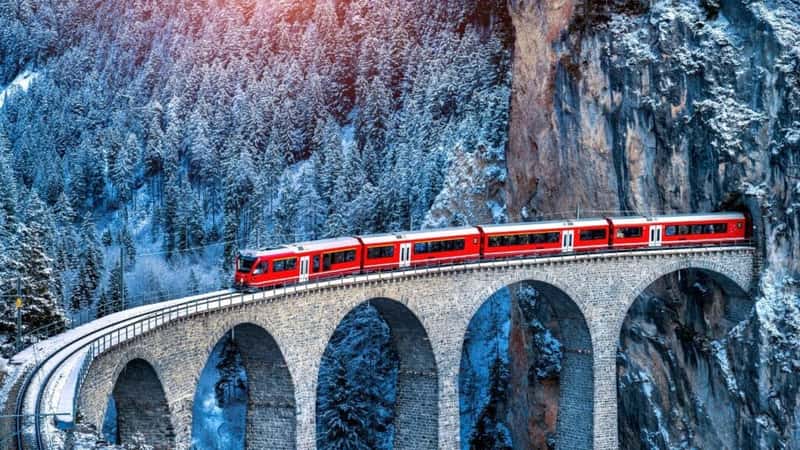
Switzerland rarely makes flashy headlines about recycling, largely because its system has been quietly effective for so long that it barely counts as news anymore. The Swiss lead the world when it comes to recycling, with half of the waste generated in the country recycled and the other half converted into energy. That balance matters because nothing ends up simply buried.
The remainder of Switzerland’s municipal waste is incinerated with energy recovery, while no municipal waste is landfilled at all.
Individual material streams tell an even more striking story. Minimum legal requirements for recycling beverage packaging were met in 2024, with recycling rates reaching 100% for glass, 90% for cans, and 84% for PET bottles. Not every category is perfect, though. Battery recycling has actually slipped somewhat as longer-lasting lithium-ion batteries stay in circulation longer before entering the waste stream, a reminder that even top performers face shifting challenges.
Wales
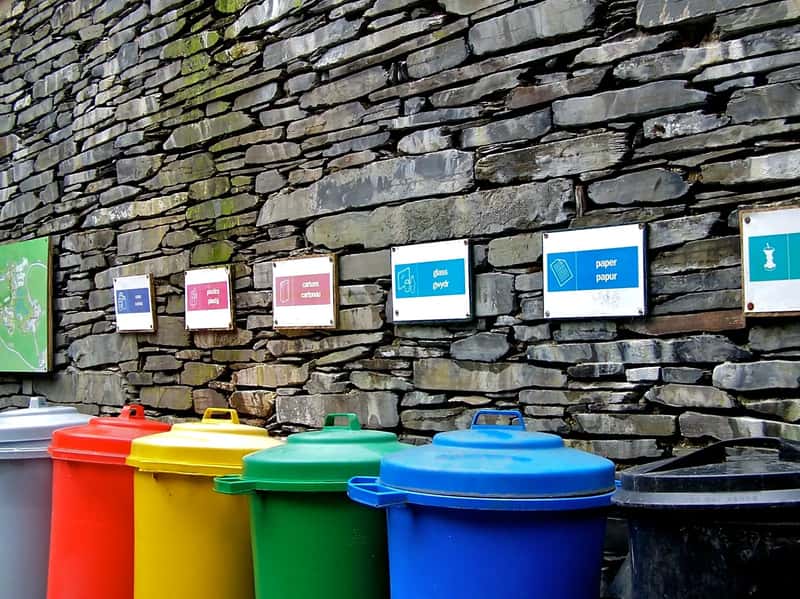
Wales stands out as a rare non-continental success story, having built one of the strongest recycling programs anywhere in the United Kingdom or beyond. Wales leads the way in the UK, coming in at number 2 globally in the Reloop and Eunomia comparison. That ranking places it ahead of much larger, wealthier nations, a fact that surprises people who assume recycling success tracks neatly with GDP.
The country’s statutory targets have not just been met but exceeded. Statistics show that Wales’s national recycling rate has surpassed its statutory target of 64%, reaching a rate of 65.2%. That is a notable contrast with the rest of the UK, where household recycling nationally sits closer to the mid-forties, underscoring how devolved policy and local commitment can produce very different outcomes within the same country.
South Korea
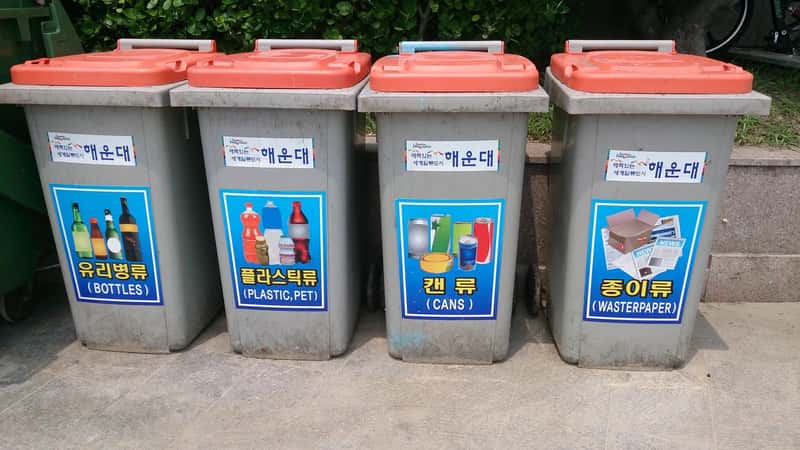
South Korea approaches recycling with a level of household discipline that few countries attempt to match. South Korea secured second place among all nations for recycling rate, at 54%. That figure reflects a system built around mandatory food waste separation, volume-based garbage fees, and strict enforcement that makes sorting nearly unavoidable for residents.
South Korea’s strength lies particularly in categories many countries overlook. South Korea, with an EPI waste recovery score of 82, particularly stands out in food waste management and digital waste tracking. That focus on food waste is significant, since organic material is one of the hardest waste streams to divert from landfills, and South Korea has turned it into one of its clearest strengths.
Taiwan
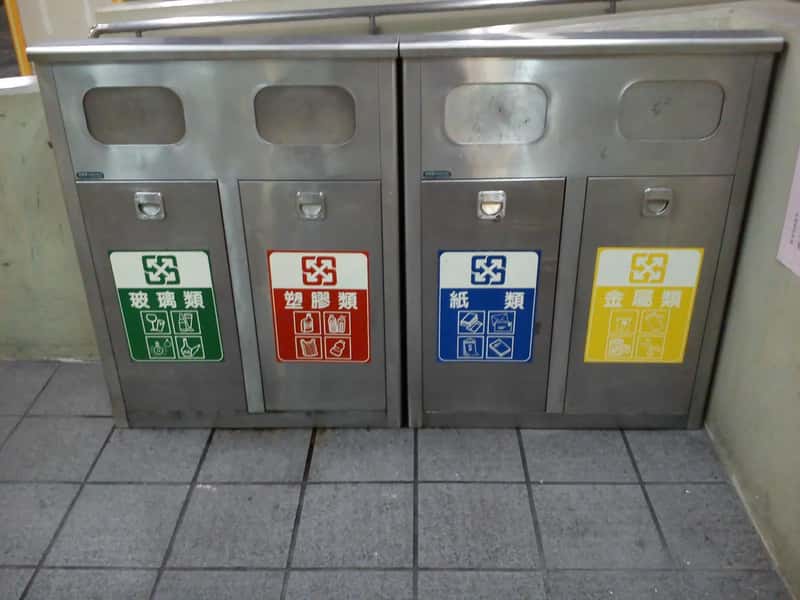
Taiwan’s transformation over the past three decades is one of the more dramatic recycling stories anywhere in the world. In 1993, the trash collection rate on the island was just 70 percent and virtually no waste was recycled, while by the mid-1990s two-thirds of its landfills were full or nearly full. That crisis forced a complete rebuild of the system rather than incremental fixes.
The results of that rebuild are now visible in the official statistics. Taiwan’s Ministry of Environment announced that the island’s general waste recycling rate reached 60% in 2025, placing it ahead of the United States, where the national rate stands at around 32%. A distinctive part of the system is its collection method. Taiwan’s waste collection requires residents to bring trash directly to designated collection points, with garbage trucks traveling through neighborhoods on fixed schedules, often playing music to alert residents.
What links these seven places is not a single formula but a shared willingness to treat waste as a policy problem worth solving properly, whether through deposit schemes, mandatory sorting, or simply refusing to let landfills be the default answer. None of these systems are flawless, and even the strongest performers still argue over how to measure success accurately. Still, the gap between these countries and the global average is wide enough to suggest that better outcomes are less about wealth and more about sustained, unglamorous policy work carried out year after year.