For decades, an American passport has opened doors almost anywhere in the world with little more than a stamp or a quick online form. That assumption started cracking in 2025 and 2026, as a wave of new entry restrictions from Washington triggered something few travelers expected: countries pushing back with their own bans on American citizens.
The pattern is called reciprocity, and it has already turned theoretical policy into real consequences for ordinary tourists. Four nations, Mali, Burkina Faso, Niger, and Chad, have already shut their doors to Americans in direct response to expanded US travel restrictions. The list below looks at eight countries currently on Washington’s own restricted list, places where the diplomatic groundwork for a similar retaliatory ban is already in place, even if no formal announcement has landed yet.
Somalia
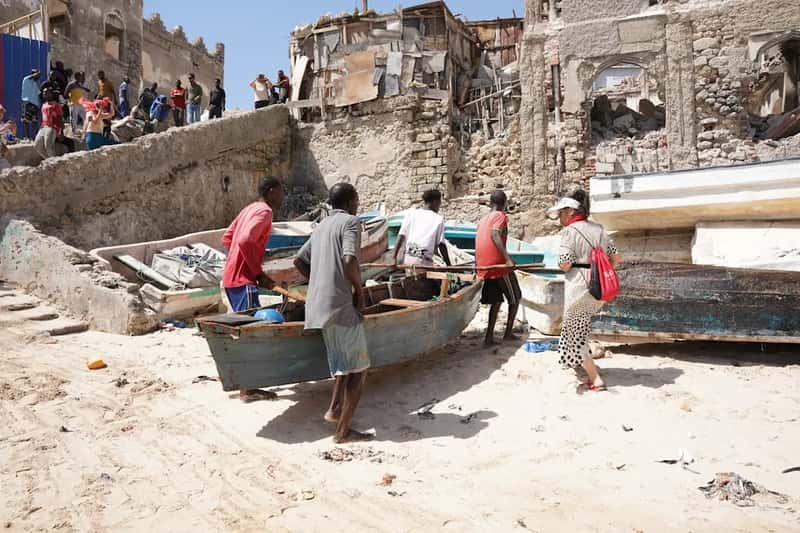
Somalia sits on the United States’ full visa suspension list, a designation that has remained in place since mid 2025 and was reaffirmed in the December proclamation that expanded restrictions to 39 countries. Washington’s stated justification is blunt. Somalia has historically refused to accept back its removable nationals, a factor that consular officials point to repeatedly when explaining why the country made the list.
Somalia’s federal government has limited authority over parts of its own territory, which makes coordinated retaliation harder to organize than it was for Mali or Niger. Even so, Somali officials have criticized the American measures publicly, and the diplomatic playbook used by other African nations gives Mogadishu a ready made template if it decides to respond in kind. Given how quickly Mali and Burkina Faso moved from criticism to full bans within weeks of the December order, Somalia remains a country worth watching closely.
South Sudan
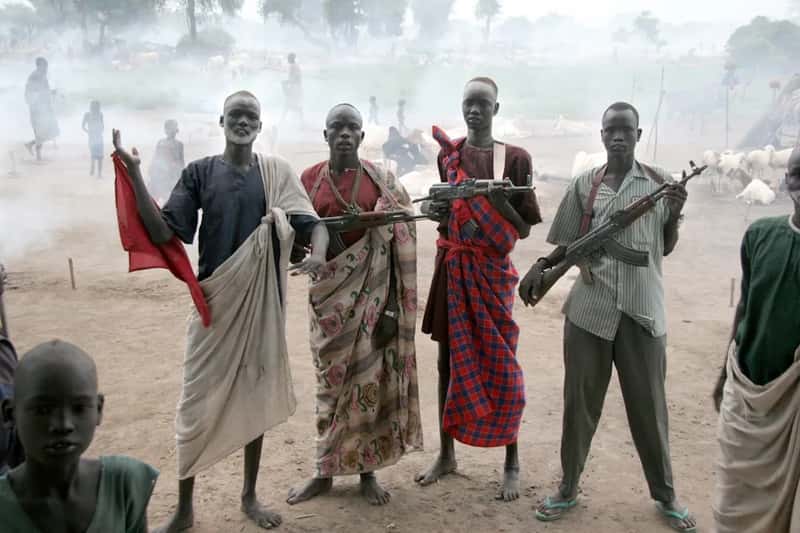
South Sudan joined the fully restricted category in the December 2025 expansion, and the data behind that decision was specific. South Sudan had a B-1/B-2 visa overstay rate of 6.99 percent and an F, M, and J visa overstay rate of 26.09 percent, and has historically failed to accept back its removable nationals, the proclamation noted. Those numbers gave Washington its official rationale, even as critics argued the country’s fragile institutions were being punished for problems largely beyond their control.
South Sudan’s government has echoed complaints raised by other newly listed nations about fairness and double standards. It has not yet followed Mali or Niger toward a formal ban, but the same reciprocity language used by West African foreign ministries could just as easily appear in a statement from Juba. With the country already grappling with displacement and weak civil documentation systems, a retaliatory gesture aimed at American travelers would carry low domestic risk for its leadership.
Syria
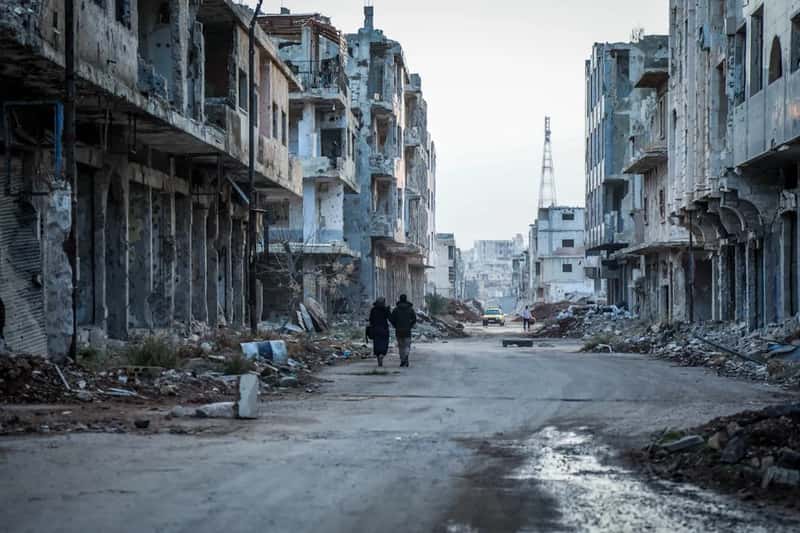
Syria’s addition to the full ban list came later than most, arriving with the December 2025 proclamation rather than the original June order. The reasoning reflected the country’s recent history directly. Syria is emerging from a protracted period of civil unrest and internal strife, the proclamation stated, framing the restriction as tied to security screening capacity rather than hostility toward Syrians specifically.
Syria’s transitional authorities have been working to rebuild diplomatic relationships across the board, which makes an immediate retaliatory ban less likely in the short term. That calculation could shift quickly if Washington adds further sanctions or if talks over reconstruction aid stall. A government still establishing its legitimacy abroad might find a reciprocal travel measure a useful way to demonstrate independence from American pressure without risking a larger diplomatic rupture.
Libya
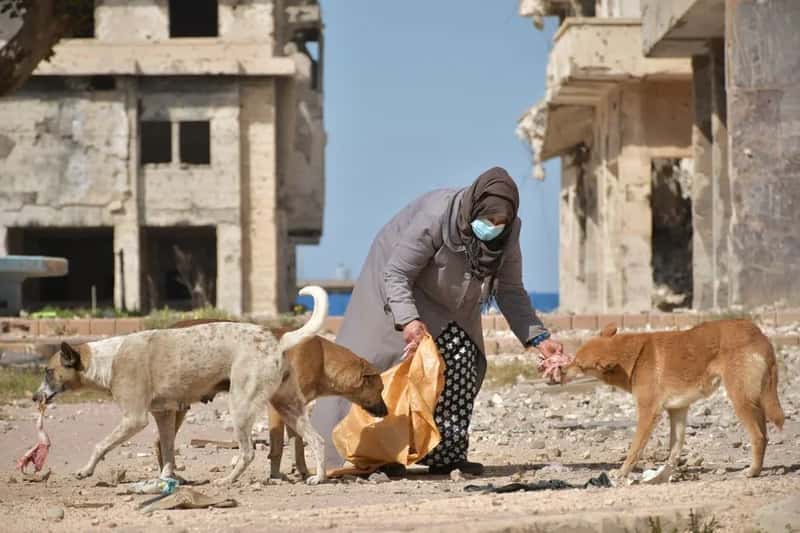
Libya has remained on the United States’ fully restricted list since the original proclamation took effect in mid 2025, one of twelve countries carried over unchanged into the expanded December order. The country’s divided political landscape, split between rival administrations in the east and west, has long complicated basic governance functions, including passport issuance and border security screening, the exact concerns that typically justify a full suspension.
That same division makes a unified national ban harder to enact than in a country with a single functioning government. Still, either of Libya’s competing authorities could use a reciprocal measure against American travelers as a way to project legitimacy and independence, particularly if tensions over oil exports or military support from Washington escalate further. It would not be the first time a fractured state used symbolic foreign policy moves to shore up domestic standing.
Yemen

Yemen has been part of the United States full restriction list since the earliest version of the proclamation, and it also carries the separate distinction of a Level 4 Do Not Travel advisory from the State Department. Level 4 countries include Afghanistan, Syria, Ukraine, Yemen, South Sudan, Sudan, Haiti, Libya, Somalia, Central African Republic, Burkina Faso, Mali, Niger, Russia, Belarus, Iran, North Korea, Iraq, Lebanon, Myanmar, and Venezuela, a list that overlaps heavily with countries facing US entry bans of their own.
Years of conflict have left Yemen’s internationally recognized government and the Houthi movement controlling separate territories, each with its own approach to foreign policy. A formal, country wide ban on American tourists would be largely symbolic given how few Americans currently attempt to visit, but symbolism has already proven enough to motivate similar announcements elsewhere. If either faction wants to signal alignment with other retaliating nations, a token ban costs little and sends a clear message.
Haiti

Haiti’s presence on the fully restricted list places it alongside Afghanistan and Yemen in the group facing the strictest American entry conditions. The country is also rated Level 4 for Do Not Travel by the State Department, reflecting ongoing gang violence that has crippled much of the capital and disrupted normal government functions, including the kind of civil registry and screening systems that consular reviewers look for.
Haiti’s transitional leadership has limited practical control over daily security, let alone the bandwidth to design and enforce a formal travel ban. That said, Haitian officials and diaspora advocacy groups have voiced frustration over what they see as unfair treatment in the American proclamation, and a retaliatory gesture, even a mostly symbolic one, could gain political traction domestically as a rare visible response to Washington. Given how quickly other nations moved from public criticism to formal announcements, Haiti’s silence so far should not be mistaken for acceptance.
Venezuela
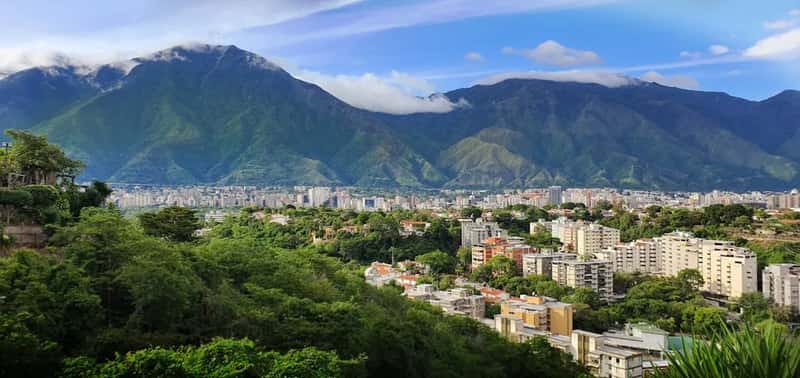
Venezuela occupies a more complicated position than the other countries on this list. It sits on the partially restricted side of the American proclamation rather than the fully banned side, yet the broader relationship between Washington and Caracas has rarely been more volatile. In January 2026, American forces captured former president Nicolás Maduro and transported him to New York to face charges, a dramatic escalation that followed years of sanctions, oil tanker seizures, and diplomatic estrangement.
The US Embassy in Caracas resumed limited operations in March 2026, but visa services in Venezuela remain suspended, with applications instead routed through Bogotá, Colombia. Whether the successor leadership in Caracas moves toward cooperation with Washington or toward renewed confrontation remains genuinely uncertain. A pivot toward the latter, especially if disputes over oil exports or sanctions relief break down, could easily produce a formal reciprocal measure aimed at American travelers, echoing the pattern already set by four African nations.
None of these eight countries has announced a blanket ban on American tourists as of this writing. What connects them is a shared set of ingredients that already produced four real world bans elsewhere: inclusion on Washington’s restricted entry list, strained or actively deteriorating diplomatic relations, and governments with political incentives to respond visibly rather than quietly. Travelers with plans involving any of these destinations would do well to monitor official government channels rather than assume current access will hold.