Every year, thousands of people pack up their lives and move abroad chasing something better: sunshine, affordability, community, or just a slower pace. Most eventually return home. But a handful of countries have become the exception, places where the initial “let’s try it for a year” turns into a decade, then a lifetime. The latest data on expat satisfaction offers a clear picture of where that happens most often, and why.
Panama

Panama has topped the InterNations Expat Insider survey for three years running, and the numbers explain why people stop planning their exit. Around 87% of expats in Panama are happy with their life abroad, versus 70% globally, while a third want to stay in the country forever. That is not a small margin. It is a country where satisfaction runs well above the international average across nearly every category surveyed.
Money plays a big role in that contentment. Ninety percent of expats said their disposable income is enough to live a comfortable life, and 76 percent said they’re content with their current financial situation. Add in relatively easy visa processes and a culture that makes newcomers feel welcome quickly, and it becomes obvious why so many expats simply stop counting the years.
Mexico

Mexico consistently ranks near the very top of global expat surveys, and the reason has less to do with cost and more to do with people. Mexico came out second best, coming in first on the ease of settling in index, thanks to how easy it is to find friends and how welcome expats felt. That sense of social ease is rare and it tends to be the thing that keeps people from leaving.
The 2026 data backs this up in detail. Mexico ranks 2nd overall and defends its traditional strength: 1st place in the Ease of Settling In Index, with all three of its subcategories, Local Friendliness, Finding Friends, and Culture and Welcome, also in 1st. For many retirees and remote workers, that combination of warmth and familiarity is worth more than any tax break or beach view.
Thailand

Thailand holds a title that matters more than any overall rank: the happiest expats in the world live there. The happiest expats in the world can be found in Thailand, which ranked third overall, with as many as 86% of expats saying they are happy there and a further 42% wanting to stay forever. That last figure, nearly half planning to stay permanently, says something about how deep the attachment runs.
Ask people why, and the answers tend to repeat themselves. Eighty-six percent of expats in Thailand are happy there; they cite friendly locals and how easy it is to find housing, enjoy plentiful leisure options, achieve a comfortable cost of living, and access quality medical care. It is a country that rewards patience, and the ones who stick around long enough to learn its rhythms rarely regret it.
Spain

Spain has quietly built a reputation as the best country in the world for pure quality of life, and it has held that position for years now. Spain has ranked No. 1 for quality of life for the fifth year in a row, and one in five (20 percent) of expats say they moved here for a better quality of life (compared to 9 percent globally). That is not a fluke. It is a pattern that keeps repeating survey after survey.
Part of the appeal is simply how life feels day to day. According to InterNations’ survey, Spain ranks high for leisure options, culture and nightlife, and great food, with 87 percent happy with Spain’s culinary variety and dining options, and the nice weather doesn’t hurt, either. Cities like Madrid and Barcelona have become magnets for long-term foreign residents who came for a trip and never quite left.
Portugal

Portugal’s rise has been dramatic. It jumped significantly in the rankings in a single year, and the reasons go beyond weather. Neighboring Portugal is not far behind at No. 8, riding up from No. 17 in 2025. That kind of climb suggests something structural changed in how expats view the country, not just a lucky year of good press.
Safety and healthcare tend to come up constantly in conversations with people who moved there. Portugal is one of the safest countries, ranking 7th on the 2025 Global Peace Index, and the public healthcare system (SNS) provides excellent and accessible healthcare with subsidized or low-cost medication and treatments. Combine that with a cost of living that stays well below most of Western Europe, and it becomes easier to understand why so many retirees from the US, UK, and Brazil put down roots in Lisbon, Porto, or the Algarve and never look back.
Malaysia
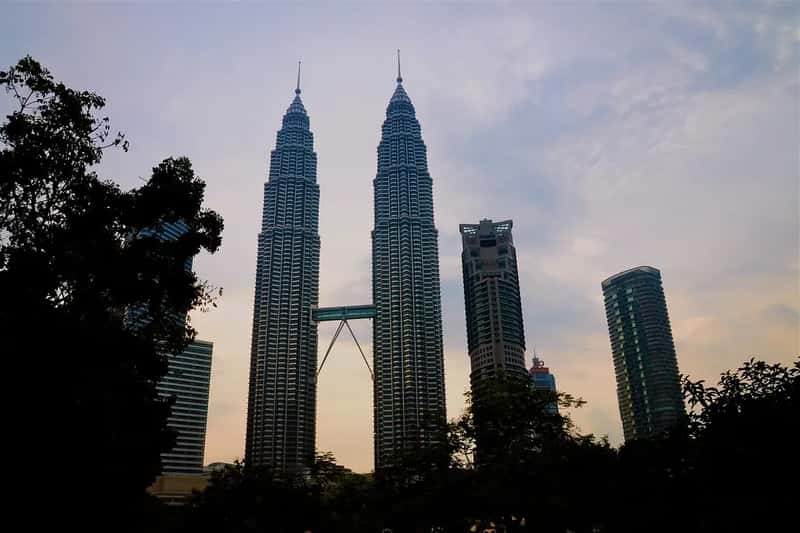
Malaysia rarely gets the same headlines as Thailand or Portugal, yet it consistently lands in the affordability top tier of global expat rankings. Affordability is another common thread, Panama (1st), Thailand (2nd), Mexico (3rd), Portugal (4th), and Malaysia (5th) occupy the top 5 of the Personal Finance Index, and expats in these countries find housing both affordable and easy to secure. That kind of financial ease removes a huge source of stress for anyone settling in long term.
Language is often the deciding factor for people choosing between Southeast Asian destinations. Malaysia sits at No. 9 thanks to its affordability and the ease of finding housing for foreigners, and English is widely spoken. For expats who want modern infrastructure without a steep learning curve, Malaysia checks boxes that few countries manage simultaneously.
Vietnam

Vietnam has built an almost unmatched track record on one specific measure: affordability that does not sacrifice comfort. Vietnam has topped the InterNations Personal Finance Index for five consecutive years. Five years is not a fluke. It is a sustained pattern that keeps drawing new arrivals every single year.
What makes the country stick, rather than just attract, comes down to daily satisfaction. The survey revealed strong satisfaction levels among expats in Việt Nam, with 89 per cent expressing contentment with the local cost of living and 87 per cent reporting that their income supports a very comfortable lifestyle. Cities like Da Nang and Hanoi have become quiet favorites among people who initially planned a short stint abroad and simply never got around to leaving.
What ties these seven countries together is not any single factor. It is the combination of affordability, warmth, safety, and a sense of belonging that turns a temporary move into something permanent. Some places win on cost, others on climate or community, but each earns its spot through years of consistent expat feedback rather than a single good season. For anyone weighing a move abroad, that consistency, more than any single ranking, is probably the number worth paying attention to.