Singapore is easy to love as a visitor. It’s clean, efficient and safe, and it runs on rules that most residents seem to follow without thinking about them. For a traveler from the United States, though, a few automatic routines can cross a legal line before the jet lag has even worn off.
The timing matters this year. Singapore tightened several of these rules in 2025 and 2026, and enforcement figures from this year show the authorities are using them. Some of these habits end in a fine, and others can lead to a real arrest. Here are seven worth knowing before you land.
Vaping Anywhere, Even Once

Vaping has been banned in Singapore since 2018, and the penalties changed sharply in 2026. Under the amended law, individual users now face fines of up to S$10,000, up from S$2,000 before.[1] The new rules took effect on 1 May 2026.[1]
Enforcement is not theoretical. Between 1 January and 31 March 2026, authorities caught and penalised 2,589 people for possessing or using vaporisers.[2] A 2026 traveler guide also notes that the ban applies even to people in transit.[3] A layover is not a loophole.
Bringing a Vape Through Customs
Packing a vape in your carry on may feel like carrying a phone charger. Singapore sees it as importing a banned product. Importers now face mandatory jail terms of up to nine years and fines of up to S$300,000.[1]
Cars are covered too. Drivers entering Singapore with vapes in their vehicles can no longer claim they didn’t know the devices were there.[1] Etomidate laced pods, known as Kpods, carry far heavier penalties, and adults who involve young people in smuggling or supplying them can face up to 20 years in jail and up to 15 strokes of the cane.[1]
Posting a Vaping Clip on Social Media

Many Americans share everything online, but a vaping photo is a risky thing to post. The Health Sciences Authority has started acting on content, not just on devices. In the first quarter of 2026 it identified and fined ten people who posted vaping photos or videos of themselves.[2]
Ten is a small number, but it shows that a public post can serve as evidence. A clip filmed in Singapore, or a story that shows a device on your hotel balcony, can be used against you. It’s an easy mistake to make because it feels so ordinary.
Packing Chewing Gum in Your Bag
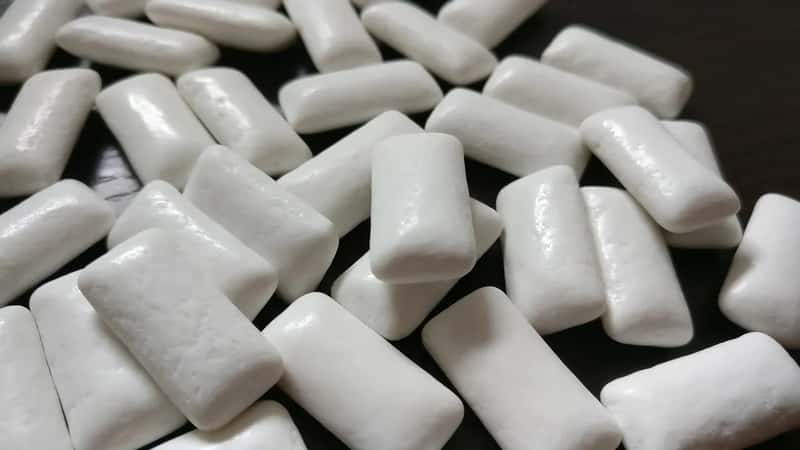
The gum ban is real, though it’s often misunderstood. Chewing gum isn’t illegal to chew in Singapore. What the law prohibits is importing and selling it.[4] So the risky habit isn’t the chewing, it’s the pack in your pocket or suitcase.
The ban dates back to 3 January 1992, after gum litter had disrupted train services.[5] Importing gum can carry fines of up to S$100,000 on a first conviction, and the immigration authority lists it as a prohibited item at customs.[6] Medical gums, such as nicotine gum, have been permitted since 2004.[7]
Dropping a Wrapper or Cigarette Butt
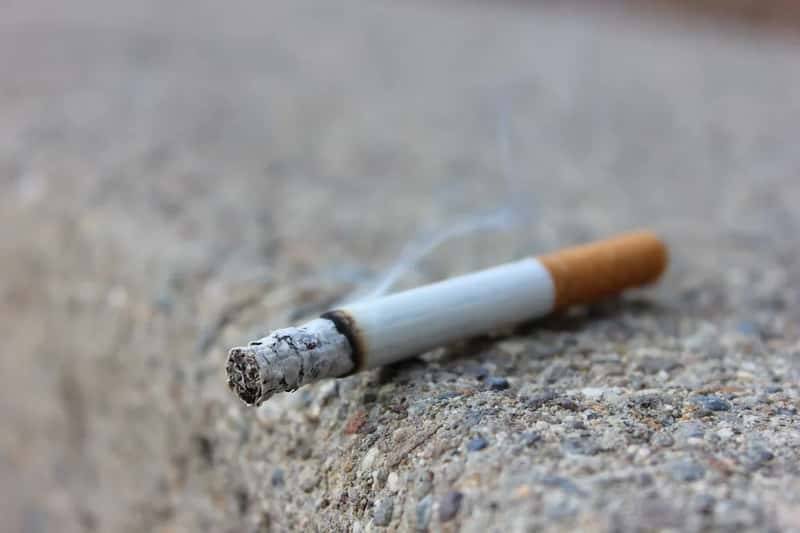
Littering feels like a minor lapse in many American cities. In Singapore it comes with a price tag. The National Environment Agency says litterbugs face a composition amount of S$300 for a first offence.[8]
Repeat or more serious cases go to court, where punishment can include cleaning public areas. The court may impose a Corrective Work Order requiring offenders to clean public areas for up to 12 hours.[8] One reported case involved a man fined S$3,600 and given 12 hours of corrective work for throwing a cigarette butt, his eighth offence.[9]
Spitting in Public
A quick spit on the pavement might pass without comment in some places. Singapore treats it as a hygiene offence. According to one summary of the law, spitting in public compounds is prohibited, with a fine of up to S$1,000 for a first offence.[10]
The same summary says the fine rises to S$2,000 for a second offence and up to S$5,000 for third and later offences.[10] That makes it one of the cheaper mistakes to avoid. A tissue and a bin are all it takes.
Bringing Cannabis or Edibles From Home

Cannabis is legal in a number of American states, and gummies or vape cartridges can look routine in a travel bag. Singapore sees them very differently. Cannabis is a Class A controlled drug under the Misuse of Drugs Act.[11] The Central Narcotics Bureau has also reminded the public that bringing any product containing cannabis into Singapore is an offence, regardless of the amount.[12]
Singapore’s government describes its position as zero tolerance, and that covers cannabis edibles and trace amounts.[13] Authorities can drug test people at entry points such as Changi Airport, and evidence of drug use in your system on arrival can lead to refusal of entry or arrest.[14] Singapore citizens and permanent residents face an additional rule, since drug abuse overseas is treated as if it happened in Singapore.[11]
Carrying Nicotine Pouches or Heated Tobacco
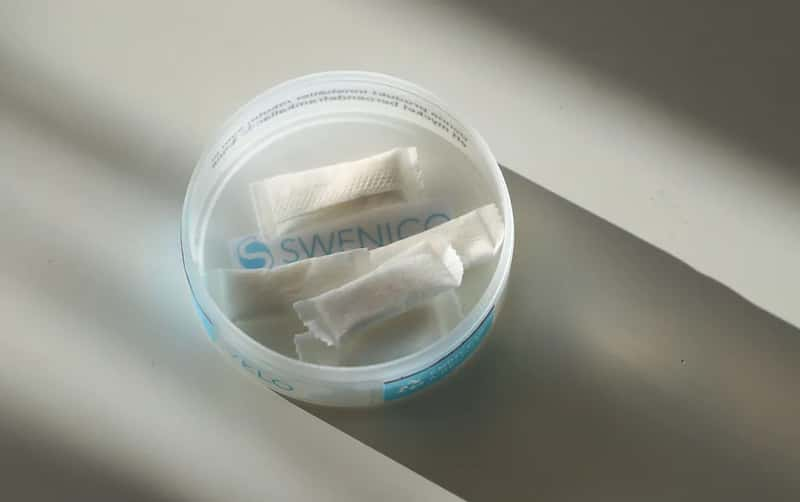
Nicotine pouches have become a common habit for many Americans who want something discreet. Singapore’s rules have not kept pace with that trend. A 2026 traveler guide states that Singapore bans vapes, nicotine pouches and heated tobacco, even in transit.[3]
The guide adds that since 1 May 2026, the renamed Tobacco and Vaporisers Control Act has applied a tougher penalty framework.[3] Official guidance can change, so it’s worth checking the latest rules from Singapore’s health authorities before you pack. Leaving the tin at home is the simplest answer.