Most people walk up to a hotel front desk, hand over their ID and credit card, and silently hope for a miracle. A bigger room. A nicer view. Maybe a suite with a soaking tub they didn’t pay for. Spoiler: that miracle is far more achievable than you think, and it has nothing to do with luck.
There is a whole underground of travel knowledge that separates the guests who sleep in a standard room from those who end up sipping wine on a private terrace they technically didn’t book. It’s a mix of timing, psychology, status, and a handful of moves that most travelers simply don’t know about. Ready to stop leaving it to chance? Let’s dive in.
1. Join the Loyalty Program Before You Even Pack Your Bag
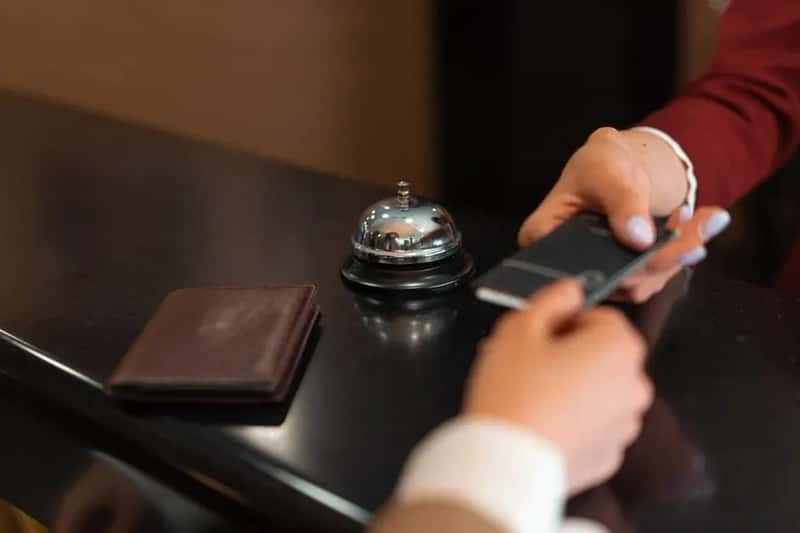
Honestly, this one surprises people with how much power it actually holds. Total hotel loyalty program members grew by nearly fifteen percent in 2024, reaching more than 675 million globally, far outpacing room growth of roughly seven percent. Hotels are not handing out free suites because they’re generous. They’re doing it because loyalty members are their most valuable asset.
Loyalty members are seventy percent more likely to choose the same hotel brand over competitors, and hotels know this. Once you’ve hit elite status in a loyalty program, you are often entitled to an upgrade. For example, Platinum IHG Rewards Club members are upgraded at check-in to the best room available. That means you could pay for a standard queen and walk into a club-level suite with a jacuzzi.
Hilton’s 2024 Trends Report indicates that roughly three in five travelers consistently book with one brand or credit card to maximize benefits, with more than two thirds of Millennials prioritizing their loyalty programs when planning travel. Focus your stays on one brand, stack your nights, and let the program do the heavy lifting for you.
2. Always Book Directly Through the Hotel’s Own Website
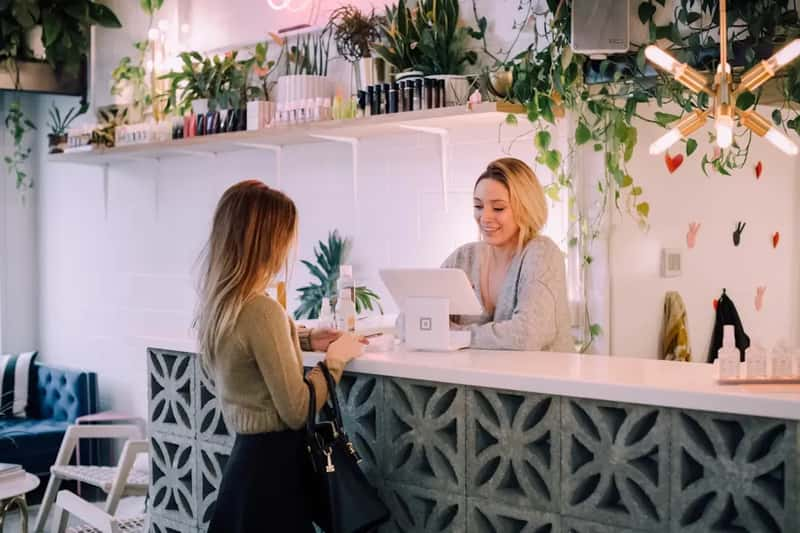
Here’s the thing most people get wrong: they book through a third-party site thinking they got the best deal, then wonder why the front desk treats them like a stranger. Think of it like being a regular at your neighborhood coffee shop versus walking in off the street. Direct guests get the warmth. OTA guests get… the standard room.
To encourage guests to book directly, hotels offer value-added services such as free breakfast, discounts on amenities, free airport transfers, or room upgrades. This is not a rumor. It’s a deliberate strategy hotels use to pull you away from platforms like Expedia or Booking.com. The benefits of direct booking include higher revenue for the hotel, better control over pricing, and the ability to deal directly with consumers to improve their experience.
Simply mentioning your membership number at check-in signals that you are a returning, valued customer and not a one-time visitor the hotel has no investment in retaining. Combine a direct booking with a loyalty membership and you’ve basically handed the front desk agent two solid reasons to upgrade you before you even open your mouth.
3. Time Your Check-In Like a Chess Move

Timing is wildly underrated. Most travelers rush to check in at noon, dragging their luggage through a lobby packed with other impatient guests. That’s exactly the wrong move. You are more likely to get an upgrade if you check in later in the day, because after around 4 p.m., the hotel has a clearer picture of what rooms are actually available.
By arrival time in the evening, hotels have a clearer picture of their availability. If there are unsold rooms, they might be more willing to give an upgrade rather than let a better room go unused. A suite sitting empty overnight earns a hotel nothing. You, arriving at 6 p.m. with a smile, become a logical solution to that problem.
Business hotels are typically slammed Monday through Thursday but have huge vacancies on weekends. By booking a standard room for a leisure trip during their off-peak period, you are far more likely to be upgraded to an executive suite. Think about it like scoring a table at a restaurant right when it opens, with none of the dinner rush pressure crowding out the maître d’s generosity.
4. Mention a Special Occasion, But Do It Early
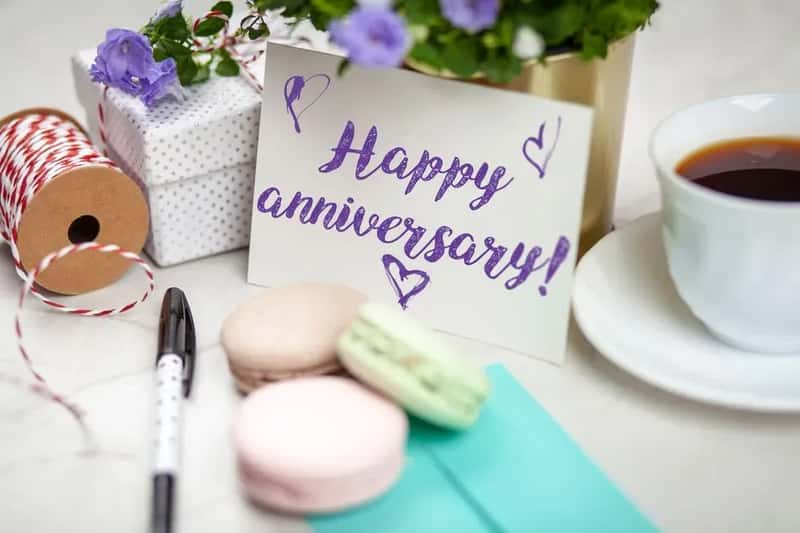
This hack works because it’s rooted in something genuinely human: people want to celebrate with you. If you mention a special occasion like a birthday or anniversary, your chances of getting a hotel room upgrade go up significantly. Hotels staff respond to stories. A room number doesn’t have a story. A honeymoon couple checking in absolutely does.
If you’re celebrating a special occasion, let the staff know before arriving. If it’s an anniversary or birthday and you’re hoping to be considered for an upgrade, mention it at the time of booking or email the front desk ahead of time. Some hotels pre-assign rooms and upgrade categories a day or so before arrival. Timing this right is everything. Don’t wait until you’re standing at the desk.
If you’re marking a special occasion such as a birthday, honeymoon, or a celebration, establishments are often willing to offer upgrades or extra benefits to guests celebrating important moments in their lives. A short, genuine email sent two or three days before arrival is often all it takes. No begging, no demands, just a warm heads-up. It works more often than people expect.
5. Target Newly Opened or Freshly Renovated Hotels
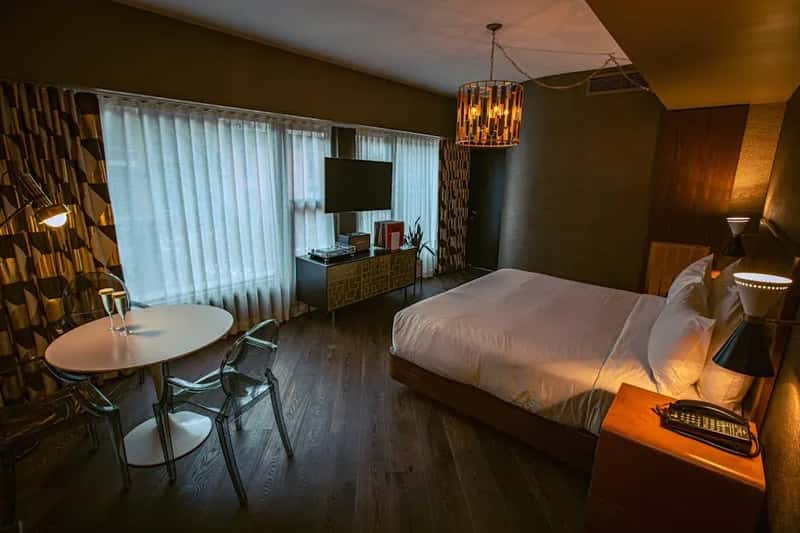
I know it sounds counterintuitive to stay somewhere brand new when you don’t know what you’re getting. But here’s the hidden logic: New hotels or those that have just undergone renovations often want to impress early guests. If you stay at one that has recently opened, you might get lucky with an upgrade. They’re desperate for glowing reviews and word-of-mouth buzz.
When a hotel is in its soft launch phase or has just completed a major renovation, they are eager to make a stellar impression. They want to fill their premium rooms, showcase their best assets, and collect positive feedback. This means they are often incredibly generous with upgrades. Think of it like a new restaurant giving you a complimentary dessert, just so you’ll rave about it on Saturday night.
The optimal window for targeting a newly opened property is usually two to six months after a soft opening, or immediately after a major renovation. Avoid the very first week while logistics are still being worked out, but don’t wait until the hotel is fully established. That sweet spot is where the magic happens. Combine a direct booking with a note about being excited to experience their new space and you’ve got a strong hand to play.
6. Master the Art of the Polite Ask at the Front Desk

This is probably the most overlooked hack, and the research on it is surprisingly clear. According to Plusgrade’s 2024 Hospitality and Rail Study, roughly half of guests are open to floor upgrades when prompted at check-in, which means hotels are already primed for this conversation. The staff is expecting this interaction. They run through it dozens of times a day.
Staff decide who gets the quiet wing or the noisy floor. They can relocate you away from elevators, swap you into a brighter view, or quietly tag you for early check-in. A polite conversation simply acknowledges that human leverage. Think of the front desk agent as a friend with a master key. You wouldn’t bark orders at a friend. You’d be warm, curious, and genuinely friendly.
A polite inquiry at check-in, for example “I’ve heard your property has some great suites, would it be possible to get one for this stay?” is good phrasing. Keep it light. Keep it human. According to the AHLA’s 2025 Report, more than a third of guests consider a quick and easy check-in a key driver of a positive experience. A pleasant, low-pressure interaction creates exactly the emotional context that makes a front desk agent want to reward you.
7. Travel During Off-Peak Seasons and Use Low Occupancy to Your Advantage
Let’s be real: trying to score a suite upgrade at a fully booked resort during spring break is roughly the same odds as finding a taxi in the rain. Your best chance of scoring a free hotel upgrade comes during the off-season. Most hotels are willing to upgrade rooms when they’re not fully booked. Try booking in January, February, or late summer when occupancy rates are lower.
If the hotel has low occupancy during your stay, you may not even have to ask. They want you to remember your stay positively and an upgrade genuinely helps with that. Hotels are businesses, and an empty suite is a completely missed opportunity. You’re not asking for charity. You’re solving their inventory problem, elegantly and for free.
Hotels should focus on maximizing redemptions that fill less popular shoulder seasons and drive ancillary revenue through incentives like food and beverage credits, spa perks, and exclusive experiences. This is actually official hospitality industry strategy. Hotels actively want to fill premium rooms during slower periods with guests they can impress. Show up during those windows and you become the exact type of guest they’re hoping for.
The Bottom Line
Getting a free suite upgrade isn’t about being lucky, wealthy, or famous. It’s about understanding how the hotel industry actually works and positioning yourself as the guest every front desk agent quietly wants to reward. The strategies above aren’t tricks. They’re genuinely smart moves backed by real data and consistent traveler experience.
Think about what you now know: loyalty programs that put members in over half of all occupied rooms in 2024, the incredible power of a direct booking, the strategic advantage of checking in late on a quiet weekend, and the surprising magic of simply mentioning a celebration in advance. Every single one of these costs you almost nothing.
The difference between a standard room and a suite with a panoramic view is, more often than not, just five minutes of thoughtful preparation before you walk through those lobby doors. What upgrade hack are you going to try on your next trip? Drop your experience in the comments.