Airport gates are strange little social laboratories. Dozens of strangers sit shoulder to shoulder for an hour or more, all trying to look busy while secretly watching everyone else out of the corner of their eye. It’s not paranoia, it’s just how humans behave when they’re bored, tired, and waiting for a machine to fly them somewhere.
Most people think their pre-boarding habits go unnoticed. They don’t. Gate agents, flight attendants on standby, and fellow passengers pick up on small behavioral cues almost instantly, and some of those habits shape how smoothly your boarding experience actually goes.
1. Standing up the moment boarding is announced, even if you’re in a later group
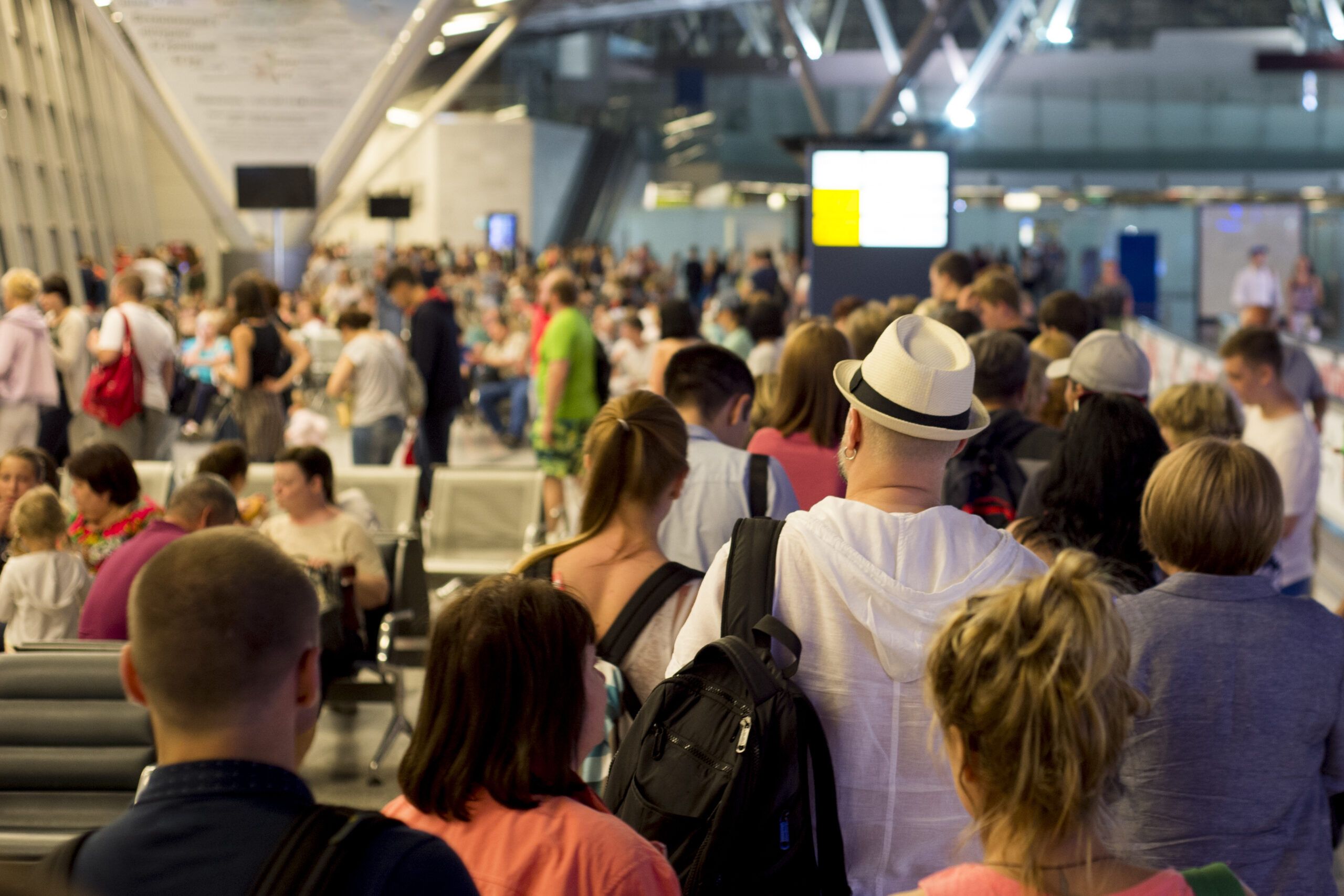
There’s a very specific kind of shuffle that happens the second a gate agent picks up the microphone. Rows of seated travelers rise almost in unison, phones and bags in hand, even though the announcement usually only applies to families or premium ticket holders first. Gate staff have a name for this informal rush, often just calling it “the gate lurch,” and it’s one of the most visible habits at any boarding area.
The problem is that this creates a bottleneck right at the door long before it’s actually needed. Passengers who are supposed to board later end up blocking the path for the people who are genuinely called. Regular flyers tend to notice who does this every single time, and it rarely reflects well since it usually just adds a few extra minutes of crowding for everyone nearby.
2. Playing videos or music without headphones
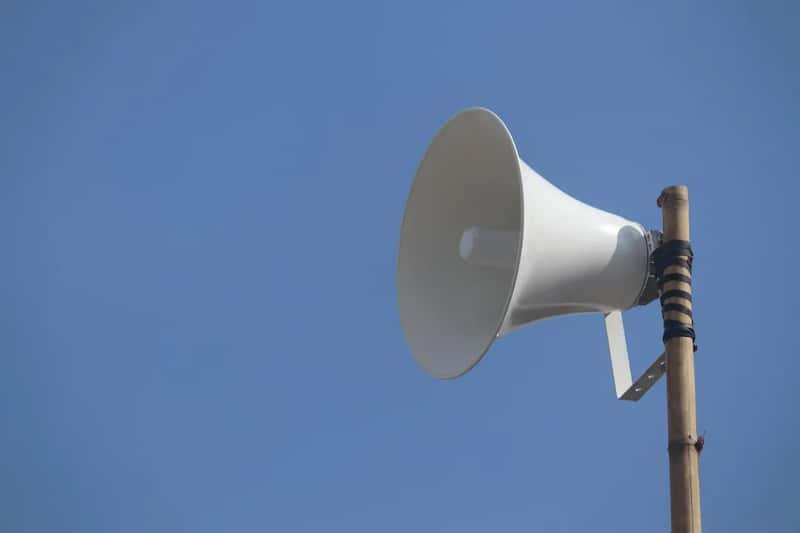
Sound spreads fast in a gate area because the ceilings are high and the seating is close together. When someone lets a video autoplay out loud, or takes a call on speakerphone, it becomes the ambient soundtrack for twenty or thirty strangers whether they like it or not. Airlines and airport authorities have increasingly flagged this behavior in traveler etiquette surveys, since noise complaints are consistently among the most cited annoyances in shared travel spaces.
It’s a small thing, but it’s also one of the most immediately noticeable ones, because it interrupts everyone’s attempt to read, nap, or scroll in peace. Frequent travelers often glance up right away when they hear unexpected audio, partly out of irritation and partly out of habit from years of noisy terminals. It doesn’t take long for a section of seats to quietly become “the loud phone person’s area” in everyone’s mind.
3. Blocking the boarding door area well before your group is called
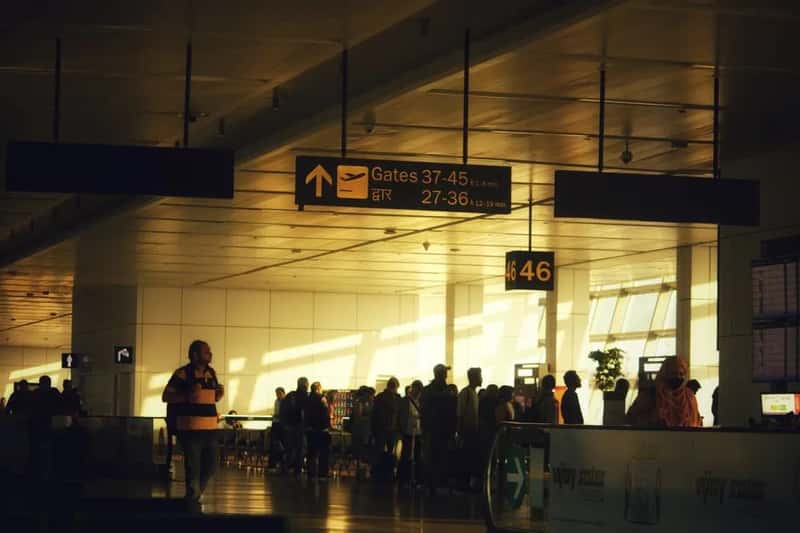
Somewhere near every gate door, a small crowd tends to form long before boarding actually starts, hovering just close enough to see the screen but far enough to pretend they’re not anxious. This early clustering is extremely visible to gate agents, who often have to ask people to clear the area so they can process paperwork or communicate with the aircraft crew. Frequent flyers have grown accustomed to grumbling about it in aviation forums, where the term “gate huddling” is used almost affectionately to describe the phenomenon.
Passengers actually in wheelchairs, needing extra time, or traveling with small children often have a harder time navigating around this human wall. It also makes it more obvious who values their aisle-seat overhead bin space more than basic spatial awareness. Most seasoned travelers notice this instantly, since it delays the entire boarding sequence by clogging the one narrow path everyone eventually has to use.
4. Spreading out across multiple seats with bags, coats, and food
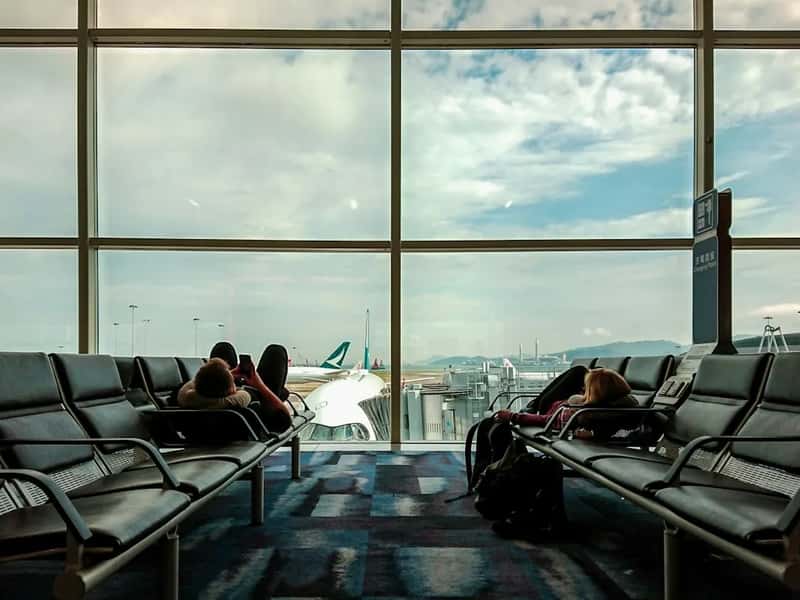
Airport seating has always been limited, and it seems to shrink every year as more flights get scheduled and gate areas stay the same size. When someone claims three seats for themselves, a rolling bag, a jacket, and a half-eaten sandwich, it becomes obvious to anyone scanning the row for a place to sit. This habit tends to draw quiet but pointed looks, especially during peak travel periods when gates are visibly packed.
During the busier travel seasons of 2025 and 2026, many U.S. airports have continued reporting record passenger volumes, which only makes limited seating feel scarcer. Travelers standing nearby, especially those with young kids or mobility issues, notice seat-hogging almost instantly because they’re the ones left standing. It’s rarely done with bad intent, but it’s one of those habits that gets remembered by whoever had to stand for forty minutes because of it.
5. Camping right next to the outlet without actually needing power
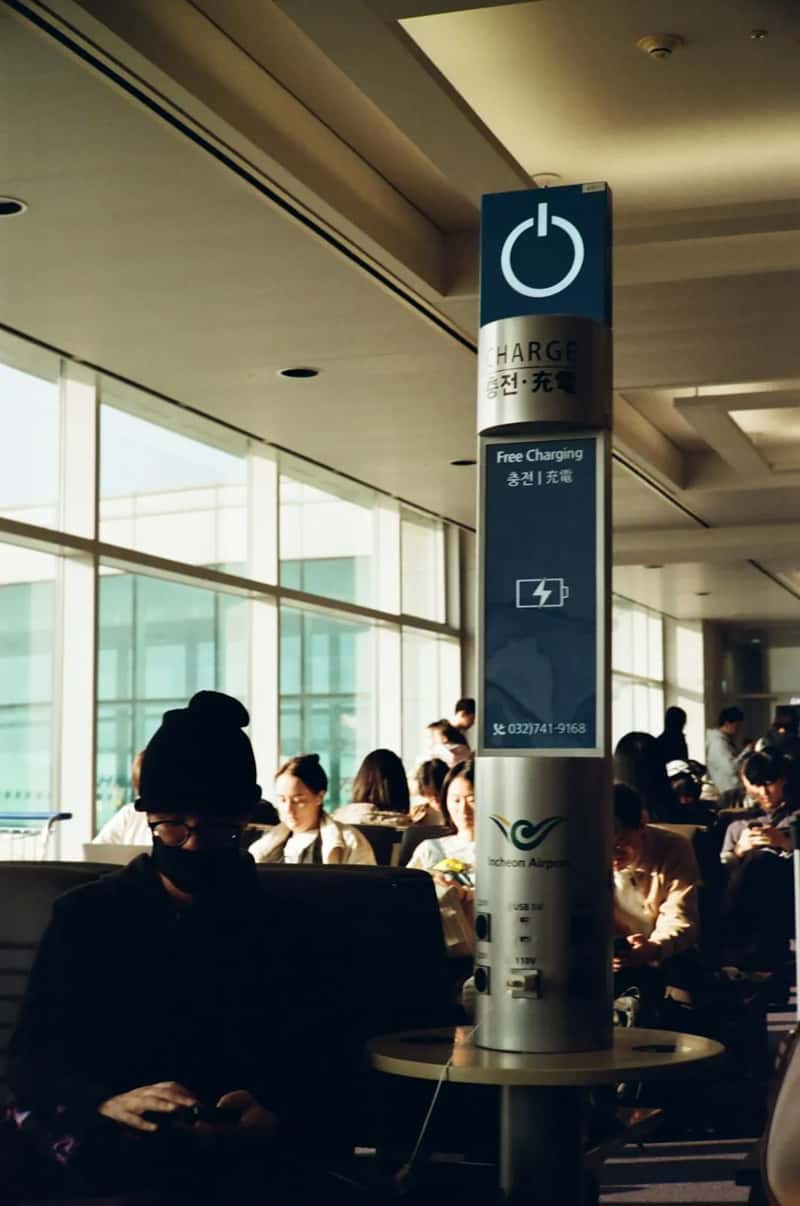
Power outlets at gates are treated like rare treasure, and for good reason since most travelers rely on their phones for boarding passes, maps, and entertainment during long layovers. When someone sits at an outlet seat for an hour without ever plugging anything in, other travelers with dying batteries absolutely notice, and it tends to draw more attention than people expect. It’s one of the more universally recognized frustrations among frequent flyers, right up there with slow security lines.
Airports have tried to address the outlet shortage by installing more charging stations in recent terminal renovations, but demand still tends to outpace supply during busy hours. Gate-side power hogging becomes especially visible when a nearby passenger is visibly searching for a spot to charge a phone that’s about to die. It’s a small moment, but it’s remembered, especially by the person who missed a boarding text because their battery ran out.
6. Loudly narrating a phone conversation about something private
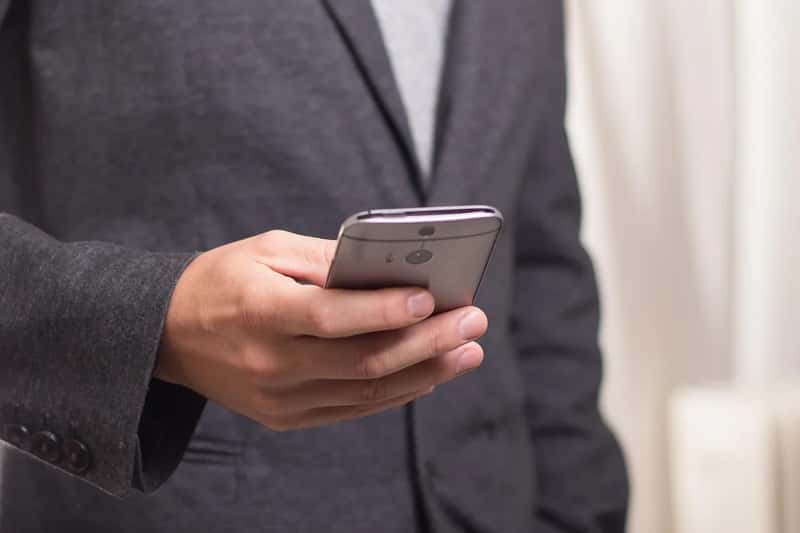
Gate areas are quiet enough that conversations carry much further than people realize, and this becomes obvious the moment someone starts discussing a medical appointment, a family dispute, or work drama at full volume. Nearby passengers usually try not to eavesdrop, but the enclosed nature of gate seating makes it almost impossible not to hear every detail. This kind of unintentional oversharing is one of the fastest ways to become “that person” in a waiting area full of strangers.
It’s not just about privacy either, since loud calls also interrupt anyone trying to nap, read, or mentally prepare for a flight. Frequent travelers often notice this instantly because it breaks the unspoken quiet that most people try to maintain in shared waiting spaces. A single loud call can shift the entire mood of a gate area for several minutes, even if nobody says anything about it out loud.
7. Ignoring boarding group numbers entirely and lining up anyway
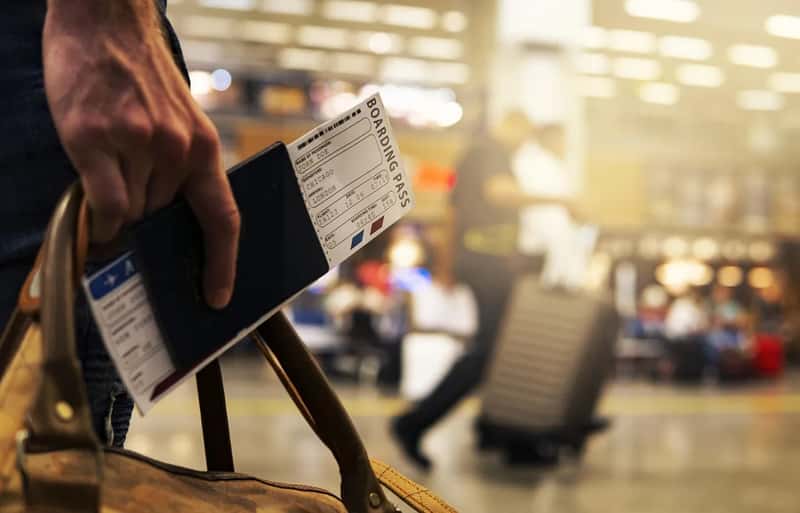
Boarding by group number exists to keep lines moving efficiently, yet there’s almost always a handful of passengers who ignore the system and simply join the line whenever they feel like it. Gate agents frequently have to redirect these travelers, checking boarding passes and asking them to step aside until their group is actually called. This habit is one of the most immediately visible ones, since it creates a mismatched line where some tickets clearly don’t match the current boarding phase.
Airlines have leaned more heavily on automated boarding-group enforcement systems in recent years, using scanners that beep or flash when someone tries to board too early. Even with that added digital gatekeeping, plenty of travelers still try their luck the old fashioned way. Other passengers watching the line notice right away, especially the ones who followed the rules and are now waiting a little longer because of it.
None of these habits are dramatic on their own, but gate areas are small, quiet, and closely observed spaces where every action tends to register with someone nearby. Paying attention to these seven small behaviors can make the wait smoother, not just for the people around you, but for the entire boarding process itself.