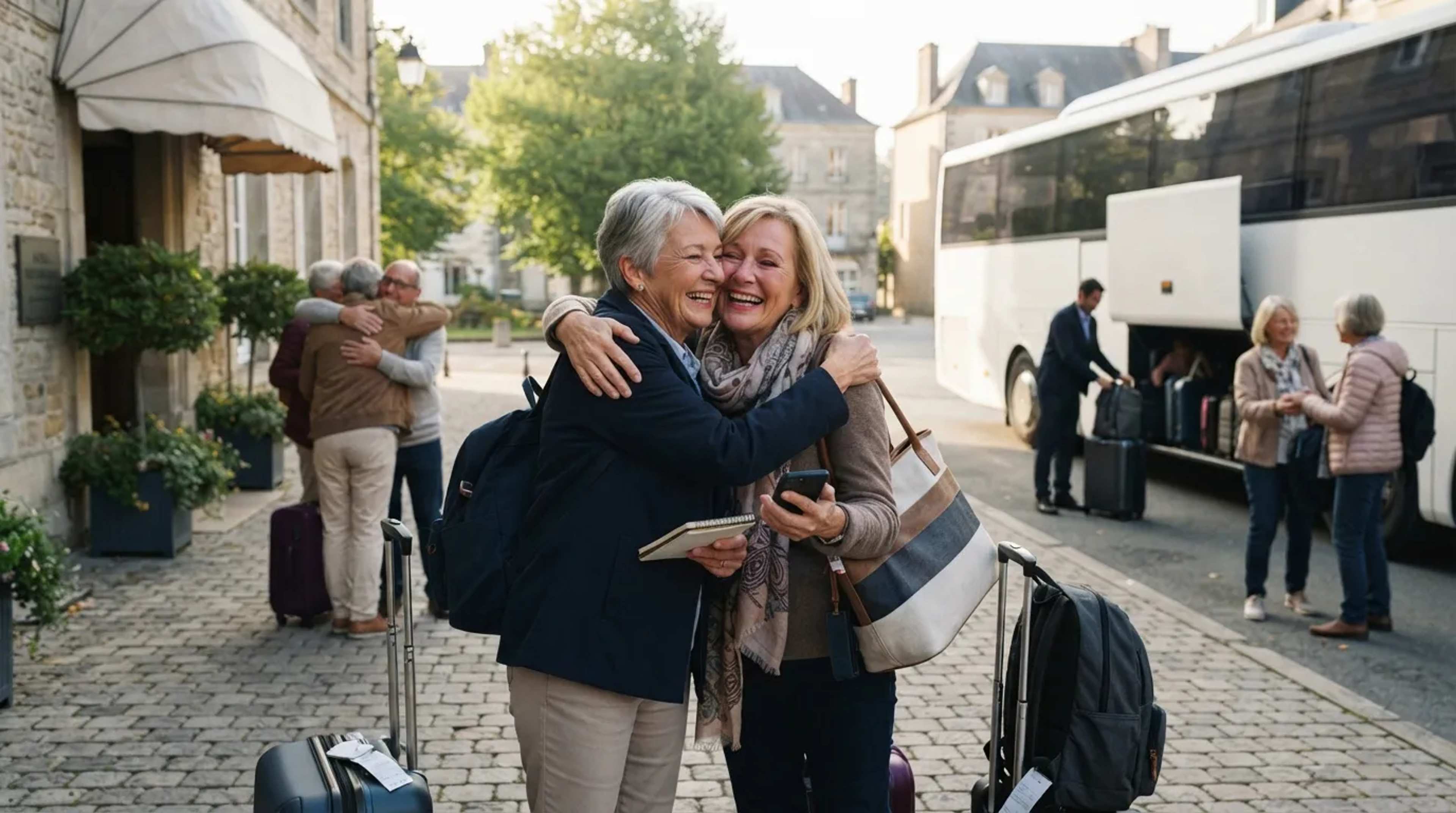
Travel has a way of revealing character. The way someone treats a flight attendant, waits in line, or reacts to a delayed train often says more than any passport stamp ever could. Small habits, the ones we barely notice ourselves doing, can quietly shape how locals and fellow travelers perceive an entire group of visitors.
Etiquette abroad isn’t about rigid rules or memorizing customs manuals. It’s about awareness, the kind that makes a shared space, whether it’s an airplane cabin or a narrow cobblestone street, feel a little easier for everyone involved. Here are seven habits worth noticing, and rethinking, the next time you pack a bag.
1. Talking loudly in quiet public spaces

Volume control is one of the most overlooked forms of travel etiquette. Museums, temples, train quiet cars, and small family run restaurants often have an unspoken expectation of lower noise levels, and speaking as though you’re still at a backyard barbecue tends to stand out immediately. This isn’t about cultural stereotypes either; it’s simply a mismatch between personal comfort and shared environment.
In many parts of Japan and Northern Europe, for instance, public transportation is treated almost like a library, with conversations kept to a near whisper. Travelers who ignore this norm often assume they’re being friendly or expressive, but locals frequently interpret it as inconsiderate. A quick read of the room, literally looking at how others are behaving, usually solves the problem before it starts.
2. Refusing to attempt the local language

Nobody expects fluency, but refusing to even try a basic greeting or “thank you” can come across as dismissive. Language effort signals respect, and most people abroad respond warmly to a clumsy but sincere attempt rather than a flawless accent. Skipping this step entirely, and instead speaking slower and louder in English, is one of the more common etiquette missteps travelers make without realizing it.
Data from language learning platforms like Duolingo has shown a consistent spike in downloads for phrases tied to travel destinations right before major vacation seasons, suggesting more travelers are catching onto this shift. Even five or six memorized phrases, hello, please, thank you, excuse me, can change the tone of an entire interaction. It costs nothing but a little humility.
3. Ignoring dress codes at religious or cultural sites
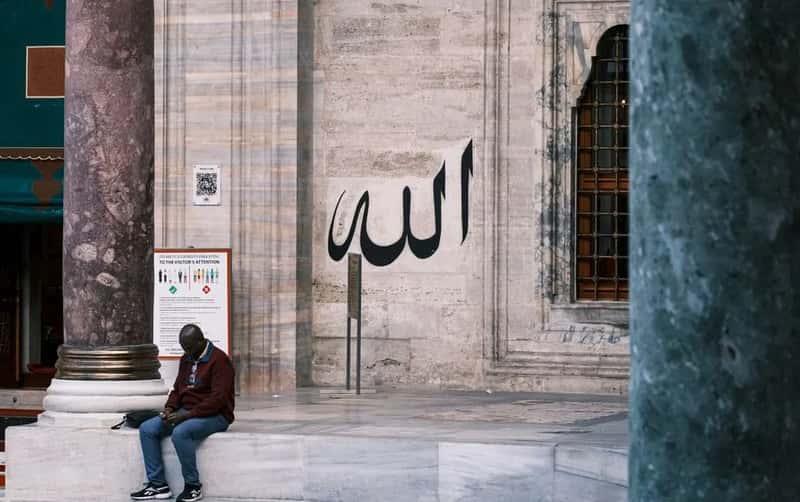
Showing up to a mosque, temple, or cathedral in beachwear isn’t just a fashion choice, it’s often read as a sign of disrespect toward a place that holds deep meaning for local communities. Many sites, including St. Peter’s Basilica in Rome and Wat Phra Kaew in Bangkok, enforce strict dress codes and will turn away visitors who arrive in shorts, tank tops, or overly revealing clothing. This isn’t a new rule either; it’s been standard practice at religious sites for decades, yet travelers are still regularly caught off guard.
Packing a lightweight scarf or a pair of long pants specifically for these visits takes up almost no suitcase space. Ignoring the dress code and trying to argue your way past security or a guide rarely ends well, and it often causes unnecessary delays for other visitors waiting in line. A little preparation avoids the entire situation.
4. Not tipping appropriately, or over tipping out of guilt

Tipping customs vary wildly across the globe, and getting it wrong in either direction can create awkwardness. In Japan and South Korea, tipping is often seen as unnecessary or even slightly offensive, while in the United States, service industry wages are frequently built around the assumption that tips will supplement a lower base pay. Traveling without researching local norms means either underpaying someone who depends on tips or over tipping in a way that can feel patronizing.
According to a 2024 survey from Bankrate, a significant share of Americans reported feeling confused about when and how much to tip, both domestically and abroad. This confusion only intensifies once currency conversions and unfamiliar service structures enter the picture. A five minute search before a trip, checking what’s customary in the destination, prevents most of these awkward moments entirely.
5. Hovering or crowding for photos at popular sites
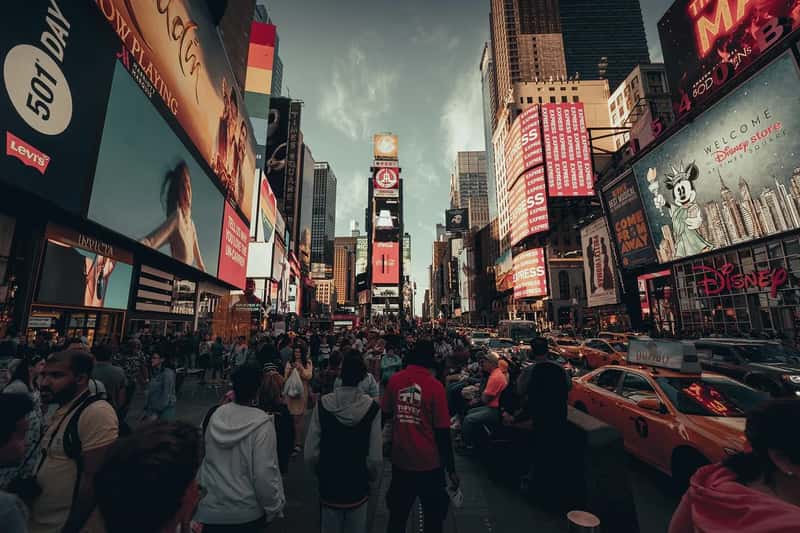
Everyone wants that perfect shot in front of the Eiffel Tower or the Trevi Fountain, but treating a public landmark like a personal photo studio, blocking pathways, cutting in front of other visitors, or refusing to move after getting the shot, creates friction fast. Popular destinations have seen such an increase in this behavior that cities like Venice and Amsterdam have introduced crowd management measures partly in response to overtourism pressures. Being aware of the people around you, and taking turns at busy vantage points, is basic courtesy that somehow gets forgotten in the excitement of travel.
This also extends to drone photography, which is now restricted or banned outright in many historic city centers and national parks due to noise and privacy concerns. Rome, for example, prohibits recreational drone use in most of its historic center. Checking local drone laws before a trip isn’t just about avoiding fines, it’s about respecting shared public space.
6. Leaving negative reviews over cultural misunderstandings

Online reviews carry real weight for small businesses, yet a growing number of travelers leave one star ratings based on cultural friction rather than actual service failures, things like slower pacing at a family run restaurant, or a lack of air conditioning in a historic guesthouse that simply wasn’t built for it. This kind of feedback often reflects a mismatch of expectations rather than genuine poor service. Platforms like TripAdvisor and Google Reviews have both acknowledged ongoing challenges with reviews that stem from cultural misunderstanding rather than legitimate complaints.
A more useful approach involves separating personal preference from actual quality issues before hitting submit. If a stay was clean, safe, and as advertised, a low rating over something like unfamiliar food customs or a language barrier can unfairly damage a small business’s reputation. Thoughtful, specific feedback tends to help both future travelers and the businesses themselves far more than a reactive complaint.
7. Disregarding local queueing and personal space norms

Queue culture differs more than most travelers expect. In the United Kingdom, cutting in line is treated as a near social offense, while in parts of Southern Europe and the Middle East, queues can be looser and more fluid, which sometimes gets misread as rudeness by visitors unfamiliar with the norm. Personal space expectations shift just as much, with some cultures standing much closer during conversation than others find comfortable.
Misreading these unspoken rules, either by pushing ahead impatiently or by backing away too obviously from someone standing close, can create tension without either party fully understanding why. Paying attention to how locals interact with each other, rather than assuming your home country’s norms apply everywhere, tends to smooth over most of these moments. It’s a small adjustment that goes a long way toward feeling like a considerate guest rather than an oblivious one.
None of these habits require a complete personality overhaul to fix. Most come down to paying a little more attention, reading the room, checking a local custom in advance, or simply slowing down enough to notice how everyone else is behaving. Travel etiquette, at its core, is less about following a rulebook and more about staying curious and a bit humble in places that aren’t your own.