Renting a car abroad feels like freedom until the first unfamiliar road sign appears. Americans tend to assume that driving is driving, that a steering wheel and a set of pedals translate everywhere the same way. In practice, plenty of countries run on rules that seem almost quietly designed to trip up visitors who have never had to think twice about right of way, headlights, or which side of the street belongs to them.
1. Germany and its unwritten right of way rules
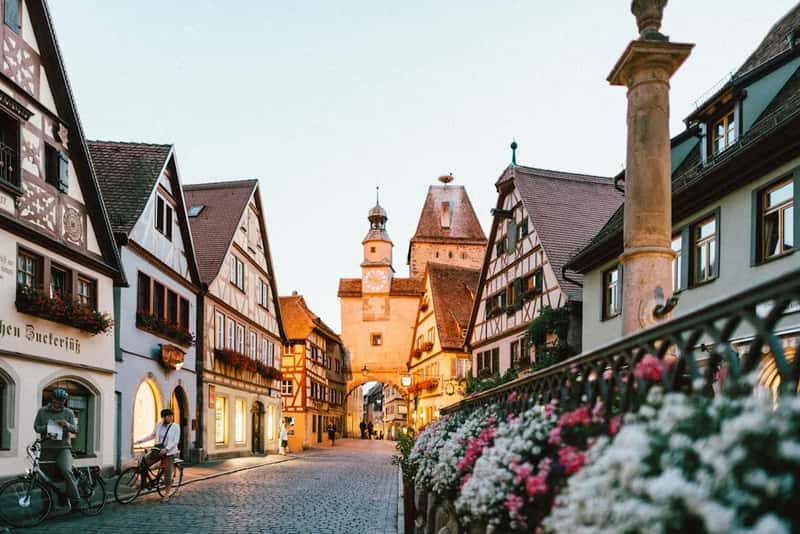
Most American drivers assume a red light means stop, then eventually turn right when it’s safe, the way it works across most of the United States. Germany does not allow that. You are not allowed to turn right on a red light, and the only exception is when there is a specific signal with a green right arrow. Even then, drivers have to come to a complete stop and yield to everyone else before moving.
The bigger surprise for many visitors is what happens at intersections with no signs at all. Priority to the right is a right-of-way system in which the driver of a vehicle is required to give way to vehicles approaching from the right at intersections, and it’s the basic rule whenever there are no traffic signs or road markings. There’s also a merging habit worth knowing before hitting the Autobahn. When merging, drivers observe the zipper rule, where both lanes feed into the continuing lane with cars alternating, and no one lane has priority over the other.
2. France and the logic of priorité à droite
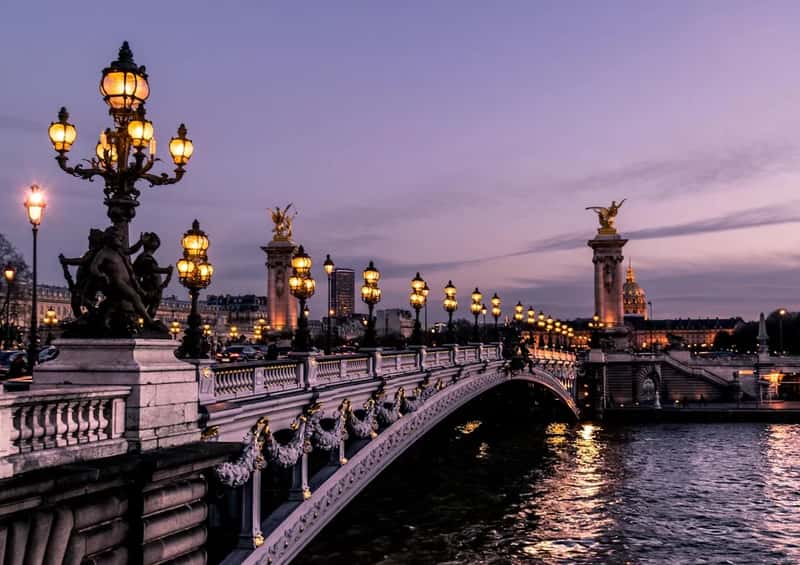
France runs on a similar but distinct version of the same idea, and it catches out even seasoned European drivers, not just Americans. Priorité à droite is the default rule at intersections unless road signs or markings state otherwise, and it applies to all road users under Article R415-5 of the Code de la route. In plain terms, if you’re approaching a junction and there’s no stop sign or signal, the car coming from your right technically has the right to go first, even in situations that feel backwards to American instincts.
Where this really gets confusing is on older roundabouts. In most countries, vehicles already on the roundabout get priority, but on traditional French roundabouts, vehicles entering from the right get right-of-way, meaning drivers already circling must yield. Modern roundabouts have shifted toward the more familiar system, but rural intersections and small villages still lean on the old rule, and the consequences of getting it wrong are real. Refusing the priority can result in a fine of 135 euros, the loss of four points, and a three-year suspension of your license.
3. Italy and the invisible walls called ZTL zones
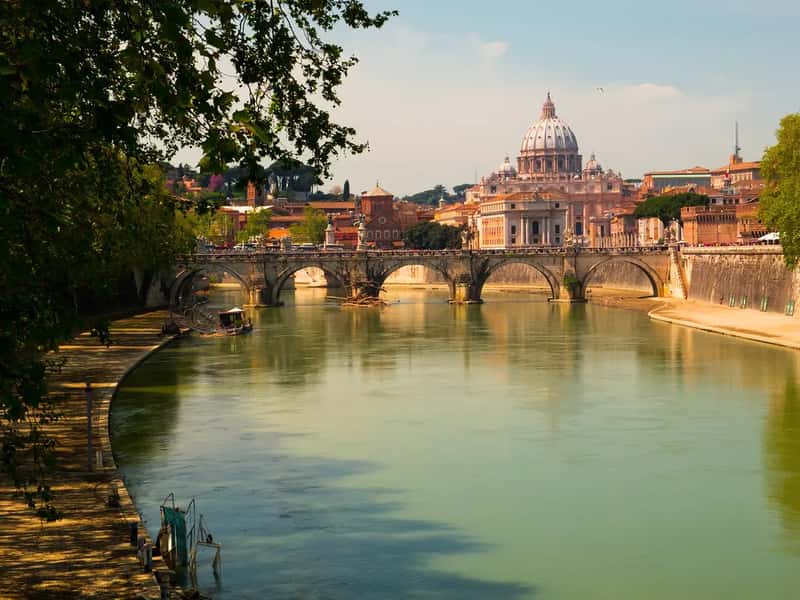
Italy’s historic centers look inviting from behind a rental car’s windshield, right up until an automated camera silently ends the visit with a fine. A ZTL is a camera-enforced restricted-traffic zone found in the historic centre of most Italian cities, including Rome, Florence, Milan, Bologna, Pisa, Siena, and Naples, where unauthorised cars are banned during posted hours and cameras at each entry gate photograph every plate. There’s no gate arm, no toll booth, nothing that visually signals “turn around now.”
The financial sting tends to arrive long after the trip is over. The base fine runs roughly 83 to 332 euros, and with a rental car you also pay the company’s administrative fee of about 30 to 60 euros, with the notice sometimes arriving up to fifteen months after the trip. Navigation apps are not much help either, since most satellite navigation software does not avoid these limited traffic zones. Anyone staying inside a ZTL should ask their hotel to register the car’s plate before ever driving in.
4. Iceland and the rules built around raw landscape
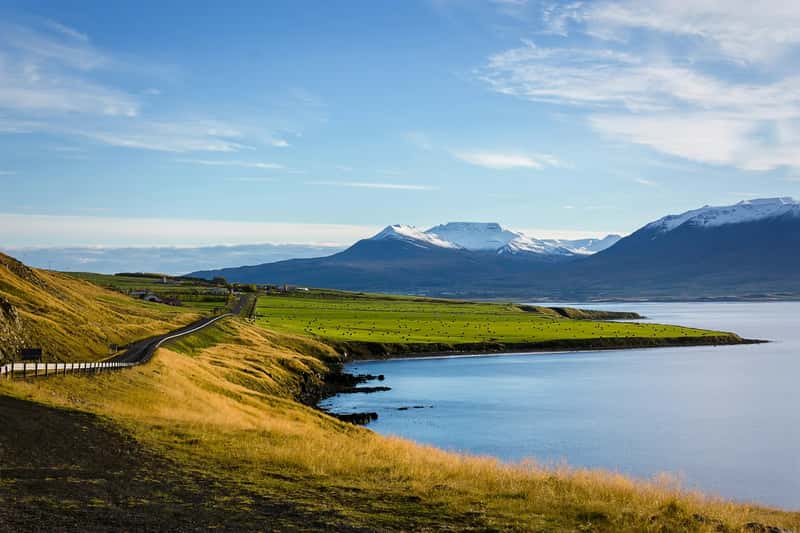
Iceland’s roads look empty and inviting, the kind of open country that seems to beg for a shortcut across a field. That instinct will get a driver into serious trouble. Off-roading in Iceland is illegal, since driving on non-designated roads damages nature, disturbs the fragile ecosystem, and can lead to accidents on uneven ground. The penalties are not symbolic either. Fines can exceed 1,400,000 ISK, roughly 11,200 dollars, as happened in a 2018 case involving tourists in modified jeeps.
Then there’s the headlight rule, which surprises visitors who assume daytime running lights are optional. Headlights must always be on when driving in Iceland, whether at night or during the day. Combine that with Iceland’s near-zero tolerance for alcohol, where the blood alcohol limit sits at 0.02 percent with fines ranging from around 90,000 to 270,000 ISK depending on the level, as of July 2026, and it becomes clear the country treats driving discipline as a serious matter, not a suggestion.
5. Japan and the quiet complexity of driving on the left
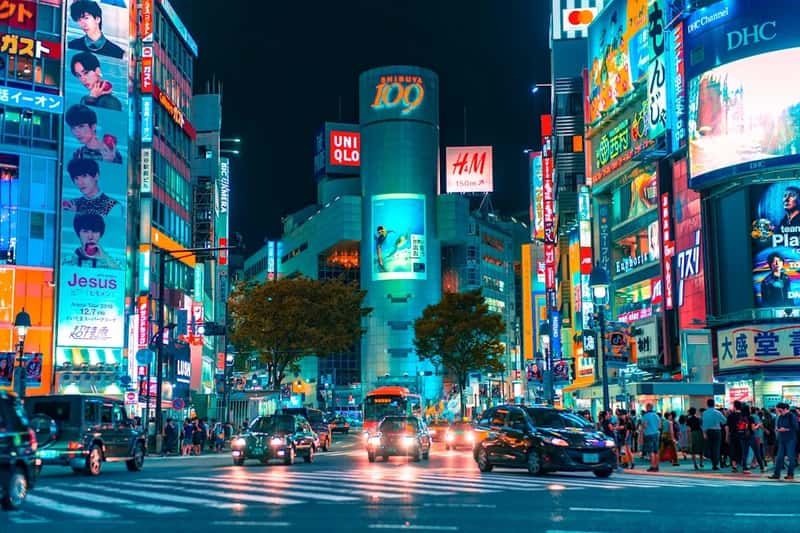
For an American, the switch to left-side driving in Japan is the obvious hurdle, but it’s rarely the one that causes the most trouble. Japan’s road traffic conventions are based on the Geneva Convention, and international permits from countries party to different conventions may not be valid, meaning drivers from certain countries cannot use a standard international permit at all. Anyone planning to rent a car needs to sort this out before departure, not after landing.
The roads themselves add another layer of difficulty. Foreigners driving in Japan for the first time tend to notice quickly that the roads are narrow and the signs aren’t always immediately readable, and Japan’s system carries distinctive features like left-side driving, kanji signage, and a strict interpretation of stop rules. Add in the sheer number of small kei cars sharing tight residential lanes, and it makes sense why many visitors choose trains for cities and save the rental car for open countryside like Hokkaido.
6. The United Kingdom and the etiquette hiding inside its roundabouts
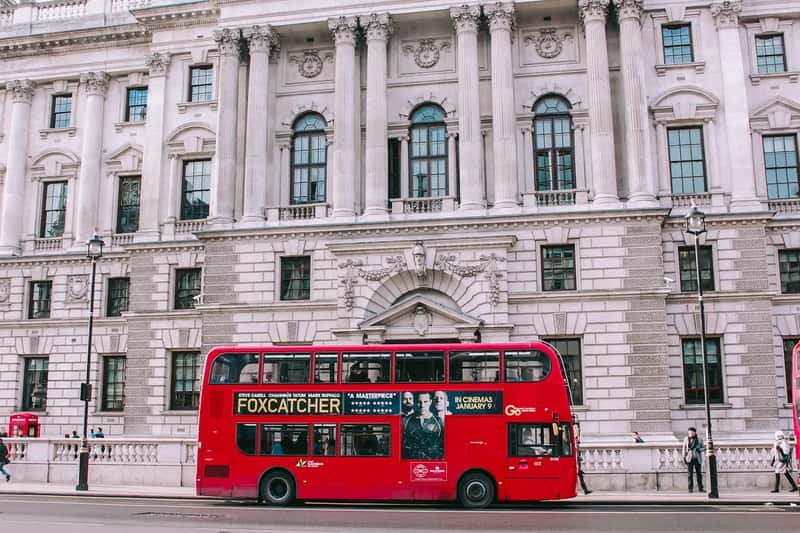
Driving on the left is the headline adjustment for Americans in the UK, but the country’s dense network of roundabouts is where confidence usually falls apart. Unlike the simple stop-sign intersections common across the United States, British roundabouts require constant awareness of which lane leads to which exit, decided well before entry. Signage is thorough, yet the flow of traffic moves briskly, and hesitation tends to draw honking rather than patience.
Zebra crossings carry a weight that surprises many visitors too. Pedestrians who step onto a zebra crossing have an absolute right of way the moment they commit to crossing, a rule enforced far more strictly in practice than similar crosswalk laws tend to be treated in much of the United States. Combined with narrow country lanes, tight village streets, and a general national habit of overtaking briskly, American drivers often find the UK less about the side of the road and more about pace and precision.
7. Australia and the scale that changes everything

Australia drives on the left, same as Japan and the UK, which is the easy part to prepare for mentally. The harder adjustment is distance. Outback highways can stretch for hours without a town, a gas station, or another car, and running low on fuel in that kind of isolation is a genuinely different problem than anything most American road trips prepare a driver for.
Road trains, the multi-trailer trucks that haul freight across vast stretches of the interior, add another wrinkle entirely. These vehicles can extend well beyond the length of anything seen on U.S. interstates, and overtaking one requires patience, clear sightlines, and a willingness to wait rather than force a pass. Wildlife crossing roads at dusk, particularly kangaroos, is another well-known hazard that catches visitors who aren’t expecting an animal that size to appear at speed.
8. Costa Rica and the rhythm of unpredictable road conditions
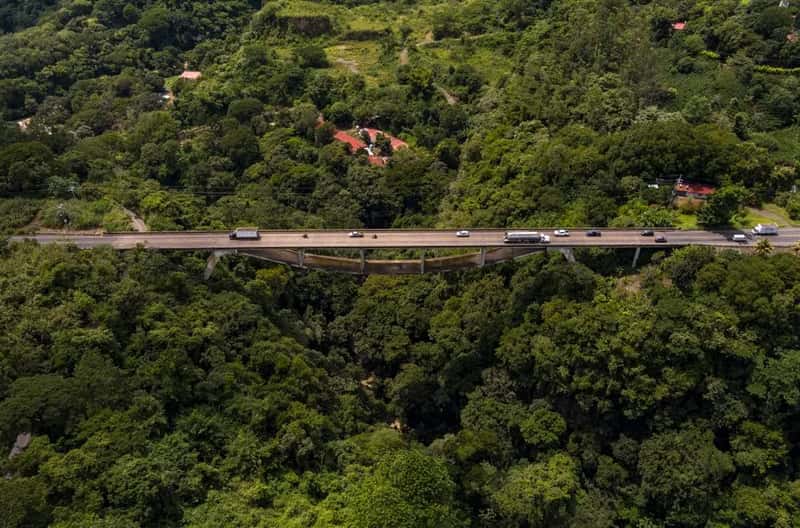
Costa Rica’s driving culture runs on a mix of informal habits and formal enforcement that doesn’t always match American expectations. Speed bumps, locally called muertos, appear with little warning on highways and through small towns, often unmarked or poorly signed, and hitting one at speed is a common way rental cars get damaged. Many roads outside the main tourist corridors are unpaved or poorly maintained, especially during the rainy season, which runs roughly from May through November.
Checkpoints staffed by traffic police are common, and visitors are expected to carry their passport, rental agreement, and proof of mandatory insurance at all times. Drivers accustomed to four-way stops back home need to adjust to intersections where right of way is often decided more by assertiveness than by clear signage. It’s a country where cautious, unhurried driving pays off far more than confidence borrowed from wider American highways.
None of this means these countries are hostile to visiting drivers. Most of these rules exist for reasons that make sense once explained, whether that’s protecting Iceland’s fragile landscape, easing traffic flow in France’s countryside, or keeping Italy’s centuries-old city centers intact. A little homework before picking up the rental keys tends to save far more money and stress than learning these lessons on the road itself.