Fill up a tank in Hong Kong and you might pay more than fifteen dollars a gallon. Do the same in a handful of oil rich nations, and the bill barely registers. The gap between the world’s cheapest and most expensive gasoline markets has grown so wide that a single gallon in one country can cost less than a bottle of water, while the same amount elsewhere rivals the price of a modest lunch.
That kind of disparity does not happen by accident. It comes down to government policy, oil wealth, and decades old subsidy systems that some nations refuse to dismantle even under financial pressure. Here is a closer look at the countries currently sitting at the very bottom of the global gas price ladder, along with the ones just behind them that still offer some of the cheapest fuel anywhere on the planet.
Libya
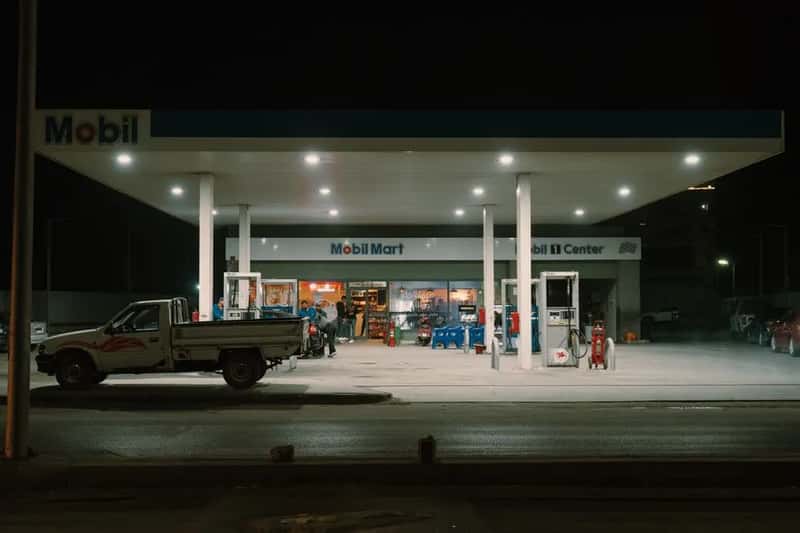
Libya has held the title of cheapest gasoline in the world for years, and in 2026 that has not changed. Libya tops the list at just $0.09 per gallon, with fuel heavily subsidized to maintain political stability and support domestic consumption.[1] The North African nation sits on vast crude reserves, and decades of government intervention have kept pump prices at only a few cents per liter.
Supported by vast crude oil reserves, the North African nation has maintained heavy fuel subsidies for decades, keeping pump prices at just a few cents per litre.[2] The result is almost surreal for outside visitors. In Libya, gasoline is even cheaper than bottled water.[1] Even amid ongoing political instability, the subsidy system has proven remarkably durable, largely because removing it would be politically explosive.
Iran
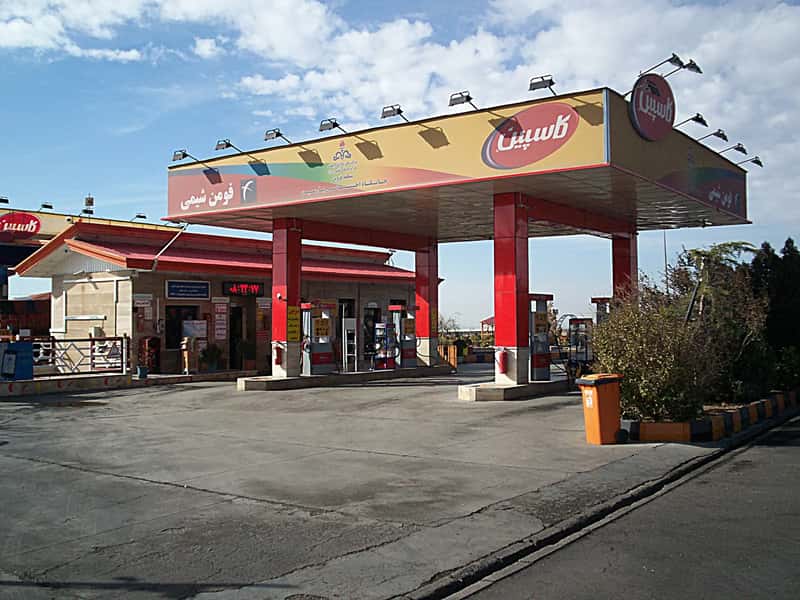
Iran runs a close second, with prices that hover just a few cents above Libya’s. Iran enjoys an extremely low petrol price of $0.13 per gallon.[3] The government treats cheap fuel as something close to a national entitlement, a legacy of the country’s enormous oil and gas reserves.
Sanctions and a heavily state controlled economy have shaped this pricing for decades. In oil rich countries like Libya and Iran, fuel is heavily subsidized, making it cheaper than bottled water in some cases.[1] Rationing systems exist for higher volume users, but for ordinary drivers the price at the pump remains negligible compared to almost anywhere else in the world.
Venezuela
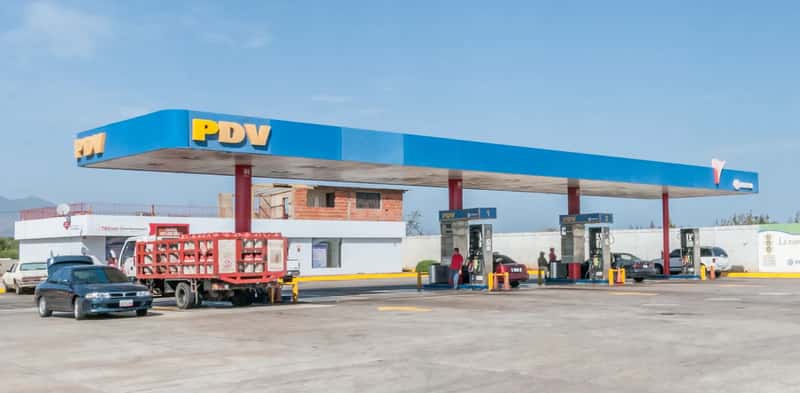
Venezuela rounds out the trio of nations where gasoline is essentially given away. With the largest known reserves of crude oil in the world, Venezuela is in the top three of countries with the cheapest fuel, with drivers in the South American nation paying around $0.16 per gallon.[3] That figure has fluctuated over the years amid hyperinflation and currency instability, but it consistently lands among the lowest on earth.
Economic collapse has actually reinforced the subsidy rather than eroding it, since raising fuel prices has historically triggered social unrest. Years of underinvestment in refining capacity mean the country sometimes struggles to keep stations stocked, even though the fuel itself is astonishingly cheap. It is a strange contradiction: some of the largest oil reserves on the planet, paired with a domestic market where filling a car costs almost nothing.
Angola
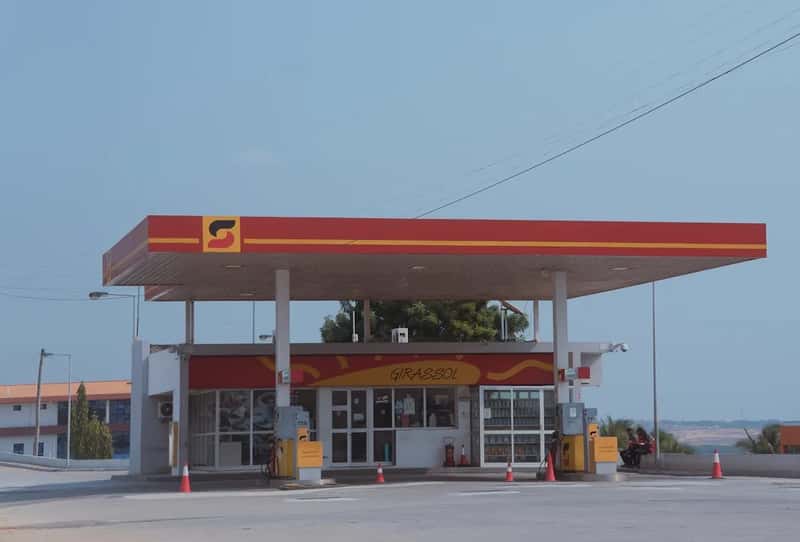
Angola is one of Africa’s most significant oil producers, and that status shows up clearly at the pump. The gallon price in Angola runs around $1.238, which is dramatically below the global average even though it sits well above the twenty cent mark that Libya, Iran, and Venezuela occupy.[4] Government subsidies and the absence of major fuel taxes keep prices low for citizens despite the country exporting most of its crude.
Aside from being the second largest oil producing country in Africa, Angola also gives gas subsidies to its people and does not add taxes to the pump price, though it meets most of its petroleum needs from exports since it currently has only one operational refinery near the capital Luanda.[5] That reliance on imported refined fuel occasionally creates supply hiccups, but the subsidized price itself has remained stable for years.
Kuwait
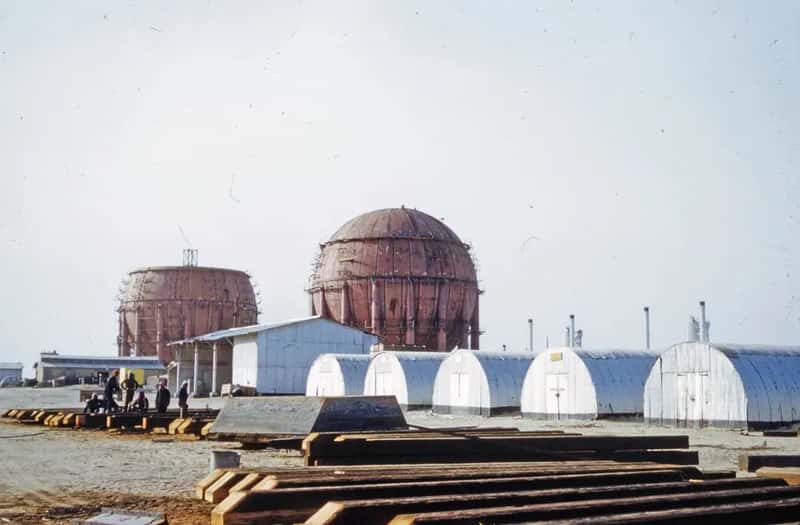
Kuwait’s fuel policy reflects its status as one of the wealthiest oil producing nations in the Gulf. Kuwaitis spend about $1.30 for a gallon of gas,[6] a price that stays low thanks to direct government support rather than market pricing. Among Gulf states, gas prices remain the cheapest in Kuwait, largely due to support provided by the government to all consumers, citizens and expatriates alike.[7]
The scale of that support is considerable. Kuwait is a major oil producer and a member of OPEC, with oil accounting for nearly half of the country’s GDP and around most of its export revenue.[7] Even with occasional talk of subsidy reform, successive governments have been reluctant to raise prices meaningfully, aware of how sensitive the issue is politically.
Algeria
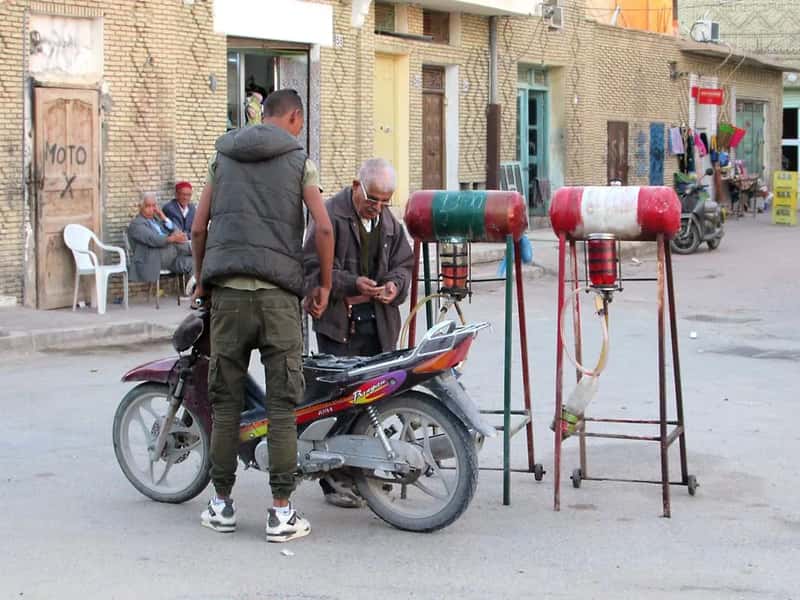
Algeria often gets overlooked in conversations about cheap fuel, yet it consistently ranks among the least expensive markets in the world. Even though its citizens pay more than ten times as much for gas as its neighbor to the west, Libya, Algeria still ranks fifth in terms of affordability, with a gallon of gas costing around $1.27.[6] The country’s large natural gas and oil sector underwrites this pricing structure.
Fuel in Algeria costs a fraction of Western prices per liter, with the country’s vast oil and gas resources contributing to these low prices as the government continues to subsidize fuel costs to help support local economic stability.[8] Algerian officials have floated gradual subsidy reductions in recent budget discussions, but so far the changes have been modest rather than sweeping.
Egypt
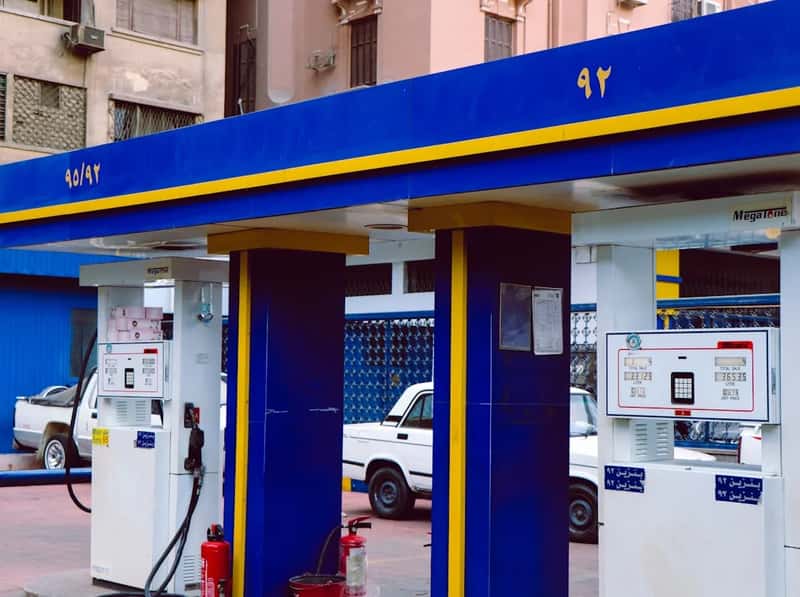
Egypt sits in an interesting middle ground among the cheap fuel nations, since it is working through an international reform program while still shielding drivers from full market prices. Egypt’s petrol price has moved higher following recent subsidy reductions tied to an IMF supported economic reform program that includes gradual fuel subsidy cuts, though the government still shields consumers from full international market exposure, keeping Egypt among the continent’s cheapest markets.[9]
That reform process means prices have crept upward compared to a few years ago, when Egypt’s gasoline sat closer to the very bottom of global rankings. Egypt has significant energy resources in both traditional fossil fuels and renewable energy, with proved oil reserves in the billions of barrels and billions of dollars worth of crude petroleum exported annually.[5] Even with the adjustments, filling a tank in Cairo remains far cheaper than in most of Europe or North America.
Turkmenistan
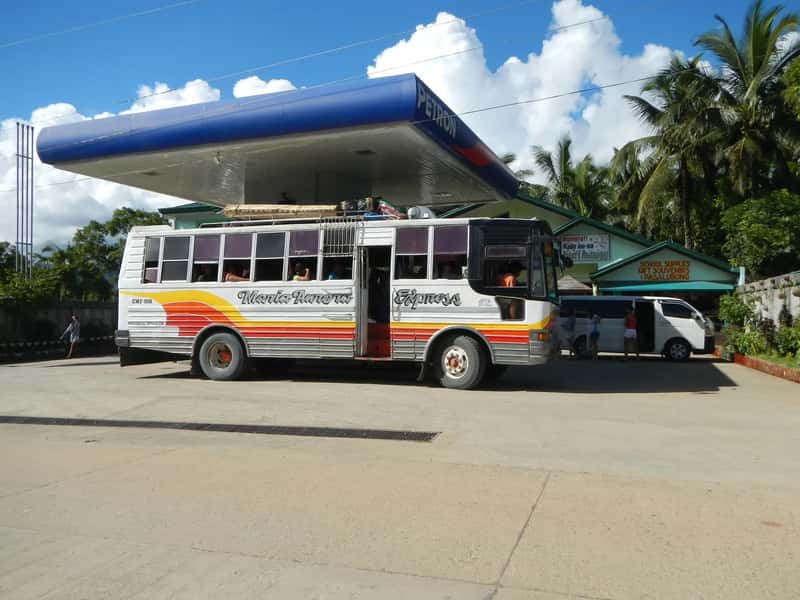
Turkmenistan’s fuel pricing has long been shaped by its Soviet era approach to resource distribution. A gallon of fuel in Turkmenistan costs around $1.63,[6] which places it firmly among the ten or so cheapest fuel markets on the planet even though it no longer sits near the very lowest tier once occupied by Libya, Iran, and Venezuela.
The country’s enormous natural gas reserves, among the largest in the world, have historically allowed the government to treat cheap domestic fuel as a form of social benefit rather than a market commodity. For years, Turkmen citizens received a fixed monthly fuel allowance at little or no cost before the system shifted toward the current subsidized retail model. Even with that change, prices remain a small fraction of what drivers pay in neighboring Central Asian states.
Only three countries in the world, Libya, Iran, and Venezuela, currently keep their pump prices consistently below the twenty cent per gallon mark, and all three do it through decades old subsidy systems tied directly to their oil wealth. The next tier of nations, including Angola, Kuwait, Algeria, Egypt, and Turkmenistan, still offer some of the least expensive fuel on earth, even if their prices land in the range of a dollar or so per gallon rather than mere pennies. What connects all eight is the same underlying formula: significant domestic oil or gas production paired with a political decision to keep fuel costs low for citizens, regardless of what that means for national budgets over the long run.