Most travelers treat insurance as something to sort out the night before a flight, if they think about it at all. For a growing number of destinations, though, a policy is a document that immigration officers, airlines, or visa officials can ask to see. Skip it, and the trip can stall before it starts.
The rules differ a lot from place to place. Some countries apply them to everyone, some only to certain visa holders, and some sell you a government policy at the border if you arrive without one. Here are eight destinations where insurance is part of the entry conditions, along with what each one asks for.
Georgia

Georgia is one of the newest additions to this list. Starting January 1, 2026, all tourists entering Georgia are required to hold a valid health and accident insurance policy.[1] The rule was initially planned for June 2025 and later postponed[2]. It also reaches beyond visa holders, because it covers visa exempt travelers as well[2].
The details are fairly specific. The policy can be shown in physical or electronic form and must be available in Georgian or English.[1] A Georgian or a foreign insurer can issue it, and the coverage amount must be no less than 30,000 GEL.[1] The policy also has to cover the full stay, including both arrival and departure dates.[1] Under the regulation, a foreigner may be refused entry without the required cover.[3]
Tanzania
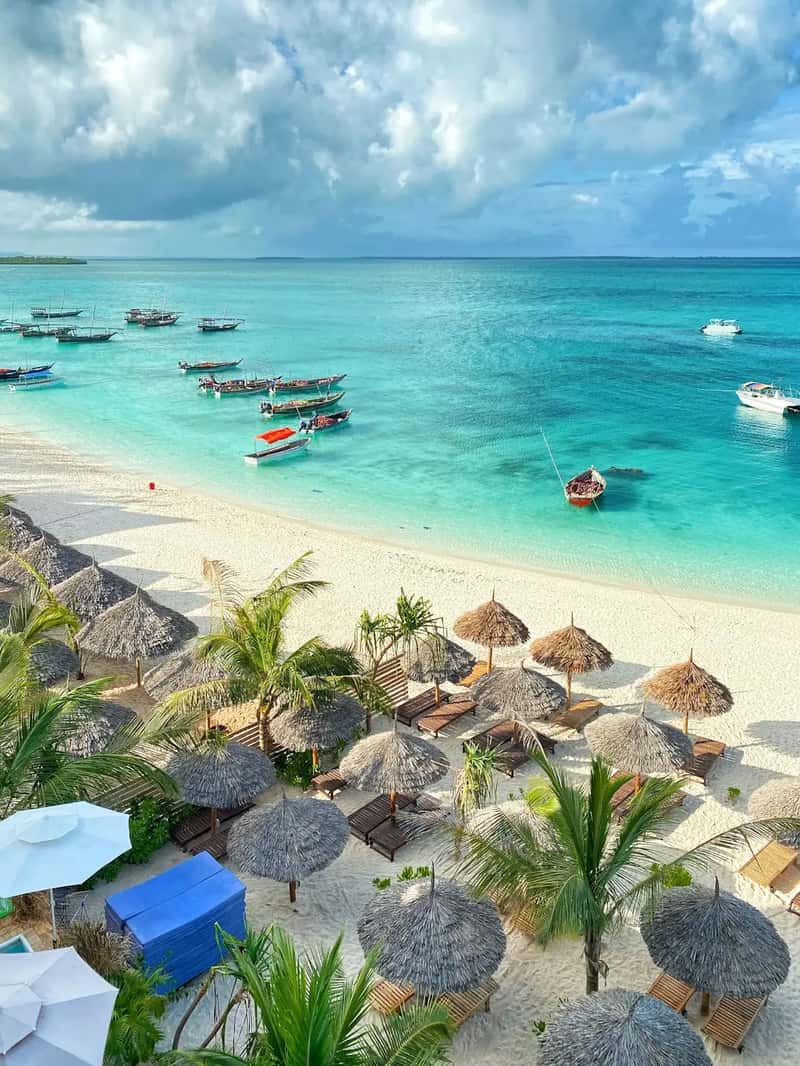
Tanzania’s rule is the freshest of the eight. Starting October 2026, most foreign visitors will need to buy a government mandated travel insurance policy costing the equivalent of $44 per person.[4] That’s tomorrow, given today’s date. The requirement applies to foreign visitors entering Tanzania by air, land, or sea.[4]
The policy is a purchase you make through the state, not a check on the cover you already own. Reports say travelers must complete the purchase even if another provider already covers them.[5] For Mainland Tanzania, the policy comes through the National Insurance Corporation.[5] Zanzibar runs its own scheme, and its visitor insurance system has operated since October 2024.[5] Residents of East African Community and Southern African Development Community states are excluded from the definition of foreign visitors who must buy the cover.[6]
Argentina

Until recently Argentina let most visitors in with just a passport. That changed with Decree 366/2025, published May 29 and enforced from July 1, 2025.[7] Since then, travelers must show proof of qualifying health insurance at airports, ports, or land border crossings.[7]
The policy needs to be broad. It must include emergency care, hospitalization, evacuation, and repatriation for the entire length of the stay.[7] Airlines may also act as a first checkpoint. Reports indicate airlines have been told to check proof of insurance before letting passengers board flights to Argentina.[8] Keep a copy where you can find it at check in.
Cuba
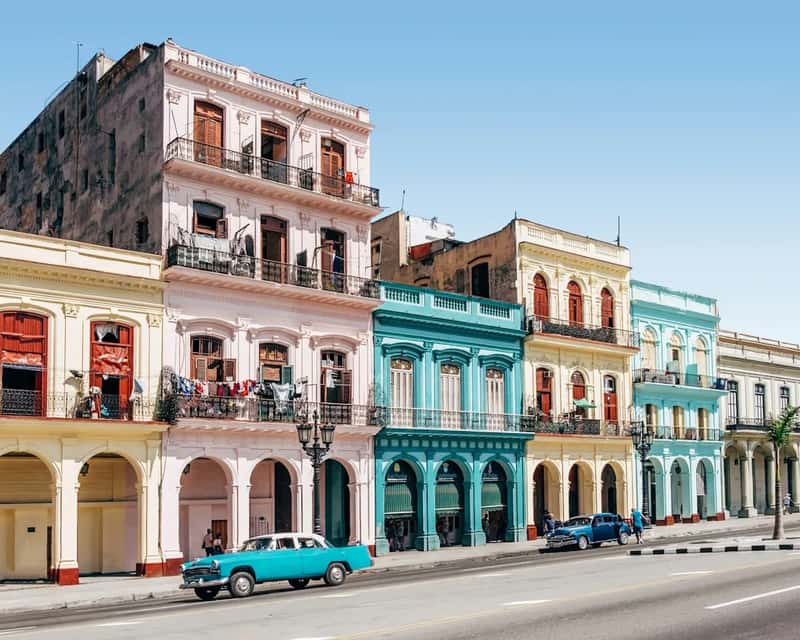
Cuba has asked for this longer than most. Health insurance is mandatory for all visitors to the island.[9] One practical detail is that Cuba requires medical insurance from a non U.S. provider.[10] Travelers from the United States should check their policy carefully for that reason.
Proof is usually requested on arrival, not when you apply for your visa. Without it, you may be turned away or made to buy one of the government’s own Asistur policies.[9] Printing your policy before you fly is the simplest way to avoid that.
Qatar

Qatar ties insurance to the visa process. On February 1, 2023, Qatar began requiring foreign nationals to show proof of a health insurance policy to obtain entry visas.[11] The rule comes from a wider framework, Law No. 22 of 2021, which regulates healthcare services in the country.[12] Anyone extending a visitor visa must also prove coverage for the extended stay.[11]
Which insurer you use matters here. The Ministry of Public Health has published a list of registered companies authorized to issue policies to foreign nationals applying for entry visas.[11] Policies from companies off that list will not be recognized.[11] The scheme centers on emergency and accident care, ambulance transport, and medical evacuation where needed.[12]
Belarus

Belarus states its rule plainly on the Ministry of Foreign Affairs website. A foreign citizen needs a qualifying foreign insurance certificate, or must take out health insurance at border checkpoints, to obtain a visa and cross the border.[13] Visitors who arrive without a policy and refuse to buy one at an international airport checkpoint are refused entry.[13]
A foreign policy has to meet a few conditions. It must be valid in Belarus, cover the whole period of stay, and provide an insured amount of not less than 10,000 euros.[13] Buying on the spot is possible, which makes Belarus more forgiving than a few others on this list. Still, sorting out cover ahead of time is easier than doing it at a border desk.
Iran

Iran links insurance directly to the visa. To obtain a visa for Iran, you must have valid travel medical insurance.[14] The reason is a gap in international arrangements: Iran has no reciprocal healthcare insurance agreements with other countries, so most nationalities must prove they have valid health insurance to get a visa.[15]
This is a visa stage requirement more than a border one, so plan for it early. Insurers and visa agents often describe the paperwork as part of the application file. Because Iranian entry rules can shift with circumstances, check current conditions with the embassy before you book.
Ecuador and the Galápagos Islands
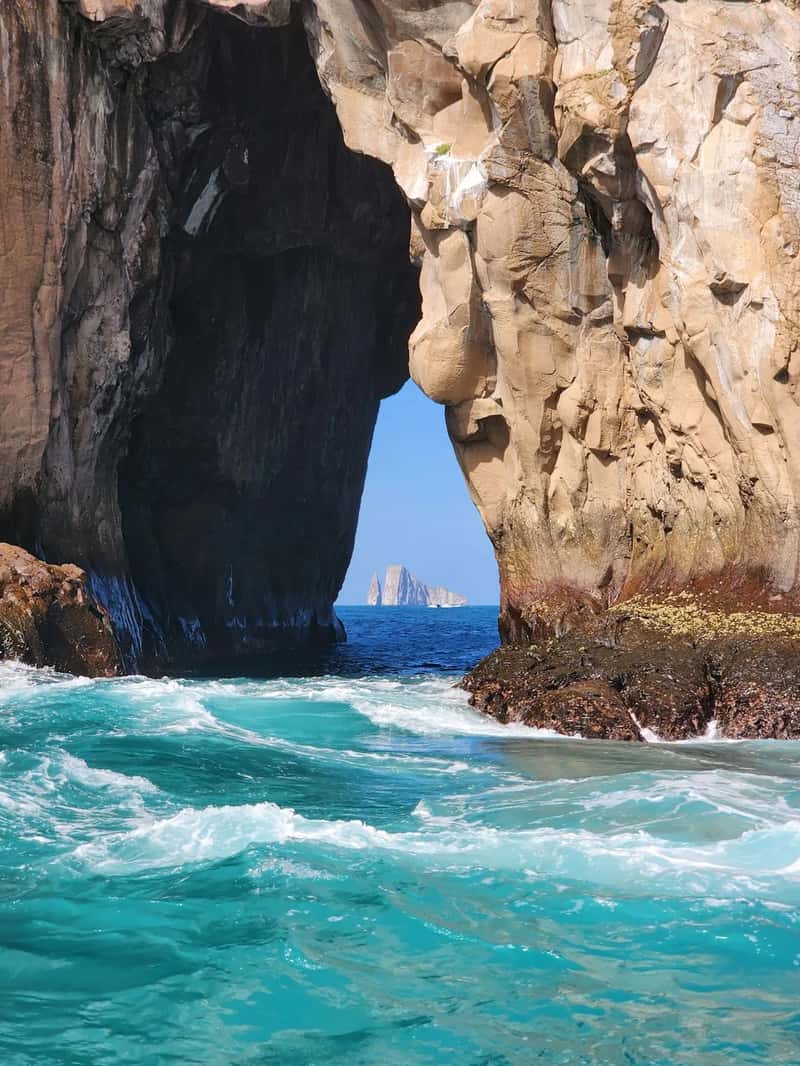
Ecuador is a partial case, and it’s worth being precise about it. Travel insurance is not required for mainland Ecuador, but it is mandatory for visitors to the Galápagos Islands.[14] The policy must be valid for the entire duration of your stay.[14]
The logic is easy to follow. The islands are remote, and a serious injury may need an evacuation to the mainland. For Galápagos visits, coverage should include medical expenses and evacuation.[16] Read your policy wording before you book, since some plans handle island evacuations differently.