Most travelers never think about how a city handles housing until they step out of a station and see it. Some places feel quiet in that respect, and the numbers often back up the impression. Other places make the opposite impression within minutes of arrival.
The figures below come from official counts and recent reporting from 2024 to 2026. Counting methods differ a lot from country to country, so each entry explains what was actually measured. A low number can mean real success, a narrow definition, or a mix of both.
Finland
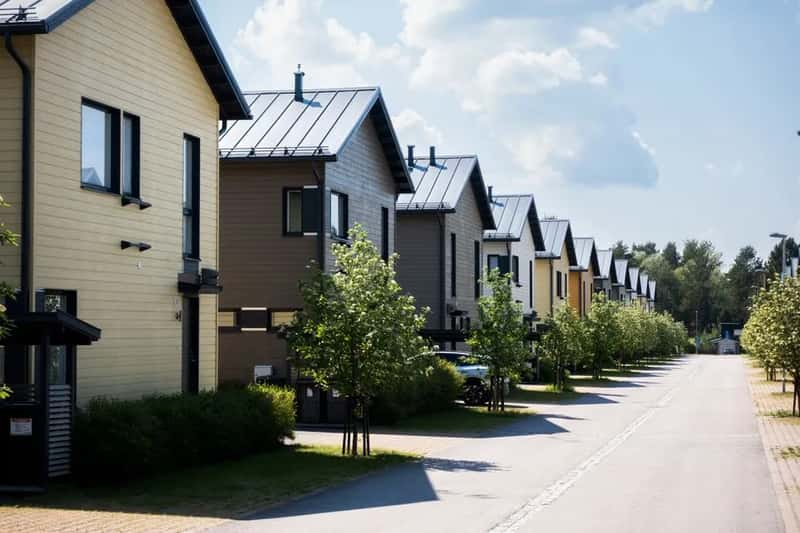
Finland’s housing agency counted 4,579 homeless people living alone as of 15 November 2025[1], and 1,306 of them were long term homeless[1]. For a country of this size, that is a small total. Since 2008, Finnish policy has rested on Housing First, which treats permanent housing as a basic right and a starting point for recovery.[2]
The latest figures do come with a caveat. The number of homeless people living alone rose by 773 from the previous year[1], roughly one fifth higher than in 2024[2]. That ended eleven straight years of decline[3]. The government still aims to end long term homelessness by 2027.[4]
Finland’s Zero Count Municipalities
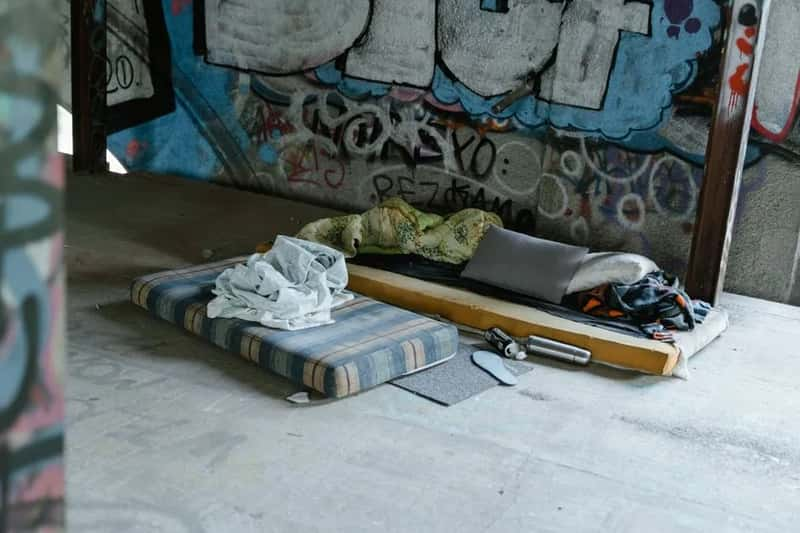
A national total hides a pattern that shows up town by town. The 2025 survey went to 292 municipalities in mainland Finland[1], and 238 of them responded. Homeless people were reported in 99 municipalities, while 139 reported none.[1] So more than half of the responding municipalities said they had no homeless residents on the survey date.
The picture is not complete, since not every municipality replied. The data reflects observations on 15 November 2025, with an 81 percent response rate.[1] Part of the effect comes from the housing stock itself. Former homeless shelters were converted into housing units with supportive services.[5]
Japan
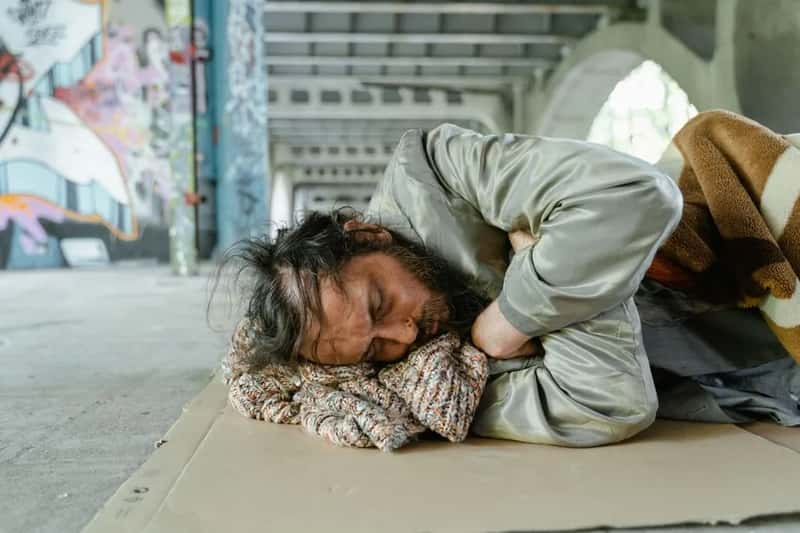
A January 2025 survey by the Ministry of Health, Labor, and Welfare found 2,591 homeless people in Japan, down 229 from the year before.[6] Compare that with the past. The highest number ever recorded was 25,296 in 2003.[7] The count has also fallen by around a third since 2021, when it stood at 3,824.[6]
The definition is narrow, and that matters. The survey does not include people without fixed residences who stay in internet cafés and similar places.[6] Surveys by weekly magazines and housing assistance programs have estimated that between 100,000 and 300,000 people nationwide could be net café refugees.[7] Those estimates are unofficial, so treat them as a rough range rather than a fact.
Tokyo
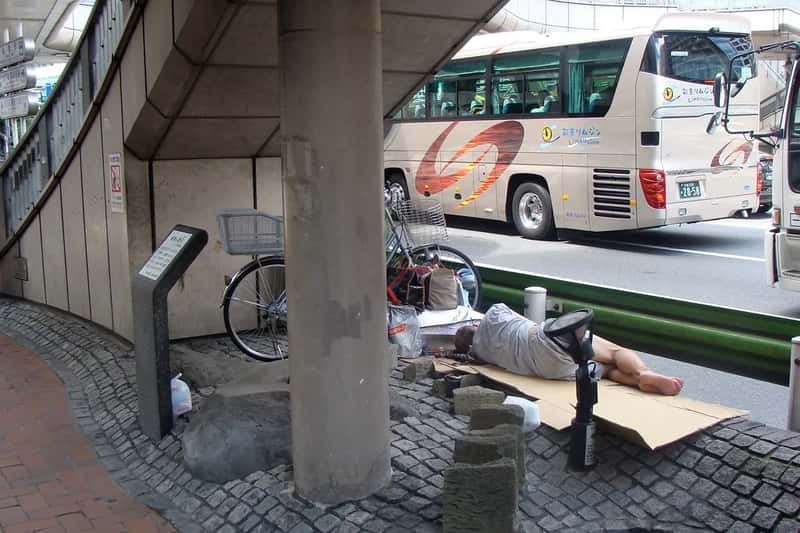
Tokyo is one of the biggest metropolitan areas on earth, yet its street count is modest. Osaka had the most homeless people in Japan at 763, followed by Tokyo with 565 and Kanagawa with 366.[6] A visitor walking through central Tokyo is far more likely to notice crowds than anyone sleeping outdoors.
Those who are counted tend to be in particular spots. Urban parks, roadsides and riversides were the most common locations nationwide.[6] Of the 2,591 people counted nationwide, 2,346 were men and 163 were women, which is roughly nine in ten men.[8] The count itself is based on local authority employees observing people staying overnight in places like parks and beside rivers.[9]
Aomori, Niigata and Nagasaki
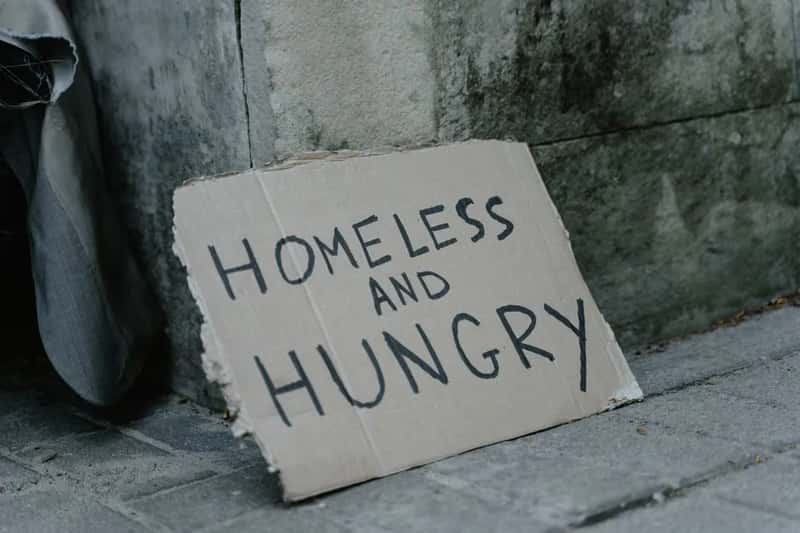
Some parts of Japan reported nobody at all. No homeless people were found in nine prefectures, including Aomori, Niigata, and Nagasaki.[6] These are regional destinations known for snow country, coastlines and old port history, not for big urban crowds.
A zero in the survey has limits, because the method is visual. Local officials record who they see staying overnight in public spaces[9], which would not capture anyone sleeping in a café or staying informally with others. Still, in a country of roughly 123 million people[7], an official count in the low thousands is notable.
Singapore
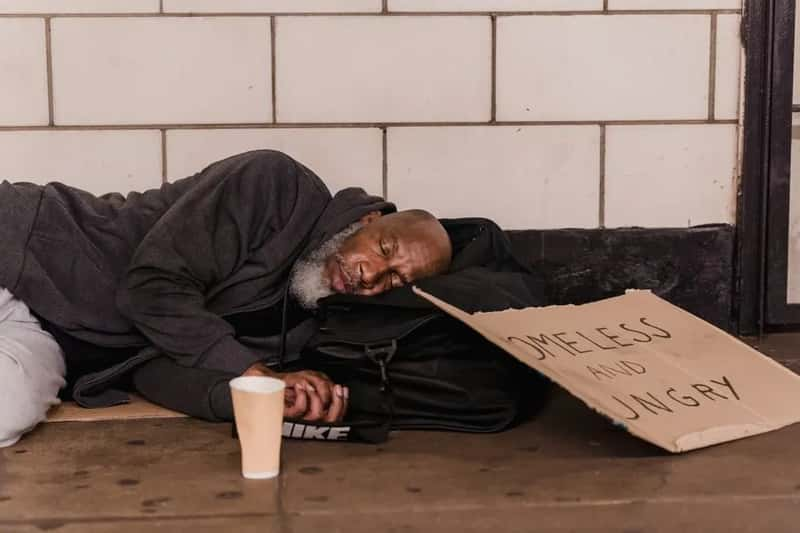
Singapore recorded 496 rough sleepers in a nationwide single night count on 18 July 2025, according to a report released in January 2026.[10] That was about six percent lower than the 530 counted in 2022.[11] Rough sleepers turned up in 35 of 36 planning areas, with Bukit Merah and Jurong West at 39 each.[10]
The definition here is broader than it sounds. It covers anyone sleeping in public spaces, including people who have homes but struggle to get back to them.[11] Nearly half of those surveyed said they had a place they could return to.[11] Community groups point to a quieter issue as well: requests for help from people under 35 made up nearly half of one group’s cases in 2025.[12]
Vienna
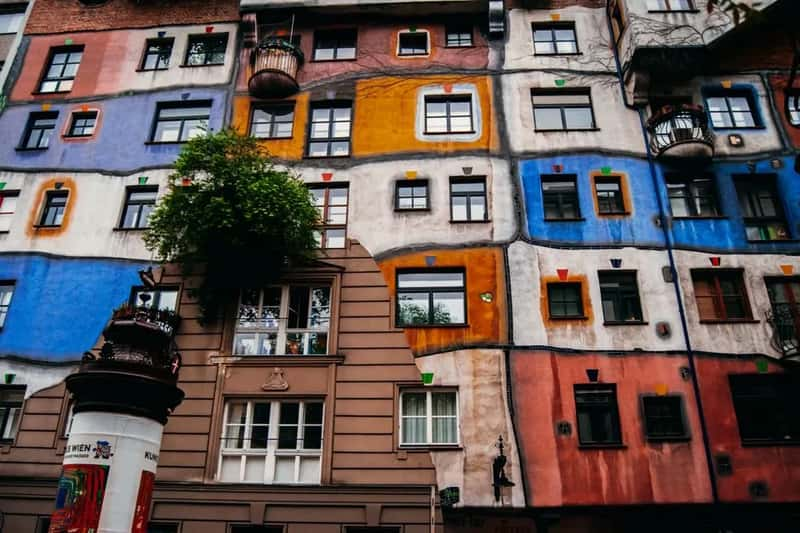
Vienna is often cited as the model for public housing. State owned buildings house hundreds of thousands of residents, and 5,000 new affordable units are added each year.[13] The official homeless share of the population fell from 0.29 percent in 2013 to 0.23 percent in the latest figures.[14] That is a small slice of the city, though it is not zero.
Counting is tricky here. The number of people who lost an apartment but can stay temporarily with friends or relatives has declined, while the number of rough sleepers has increased.[14] Another research project cites over 11,000 people registered as homeless in the Central Population Register in 2024[15], so totals depend on the definition used. The Vienna Social Fund also opened an extra 1,000 beds for winter.[14]
Denmark
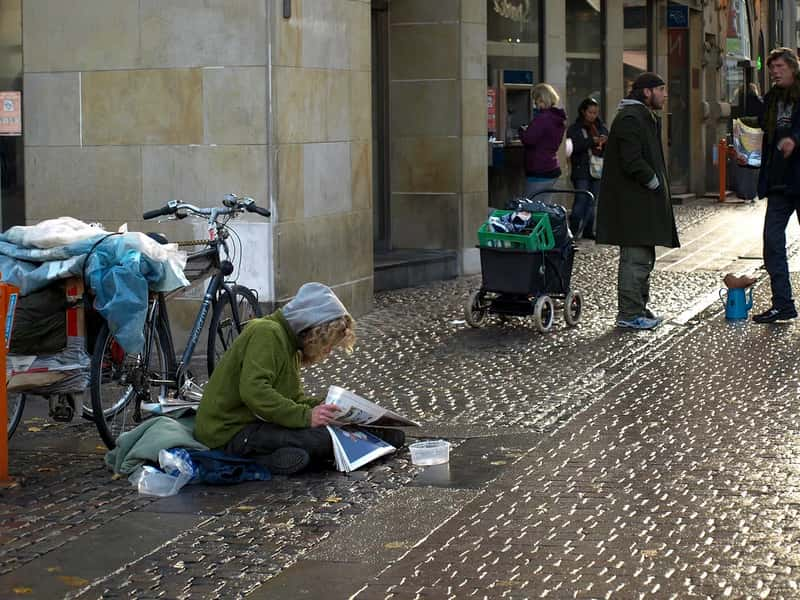
Denmark rarely makes headlines the way Finland does, though the evidence of progress is there. In 2023, the European federation FEANTSA assessed that only Finland and Denmark were making demonstrable progress in reducing homelessness.[16] That places it in a small group across Europe.
Recent national totals are less widely published than the Finnish ones, so any comparison should stay modest. What the assessment does show is direction rather than a precise headcount. For travelers, the practical takeaway is simple: Denmark belongs on the shortlist of places where homelessness is being reduced rather than rising.
Now the other side. In the United States, 771,480 people were counted as homeless on a single night in January 2024.[17] Los Angeles, New York City, San Francisco, Seattle, Portland and Honolulu are the places travelers most often describe as having visible street homelessness.
Across the Atlantic, England’s national rough sleeping snapshot for 2024 identified 4,667 people sleeping rough.[18] London is the obvious place to see it, while Brighton and Hove stands out by rate: 30 per 100,000 population, the joint 19th highest rate in England.[18] Dublin is the other European capital where the issue is hard to miss.
The tenth is Osaka, the one place on this list that sits inside a low count country. It recorded 763 homeless people in Japan’s January 2025 survey, the highest of any prefecture.[6]