Airports, layovers, time zone shifts, and hours in a cramped seat all take a toll on the body in ways that go beyond simple tiredness. What you eat before and during a trip plays a bigger role in how you feel than most travelers realize, often more than sleep or caffeine alone. Some foods keep blood sugar steady and support alertness for hours, while others set you up for a crash right when you need to be sharp.
This guide breaks down the choices that genuinely help and the ones that quietly work against you, so packing your travel snacks becomes less of a guessing game.
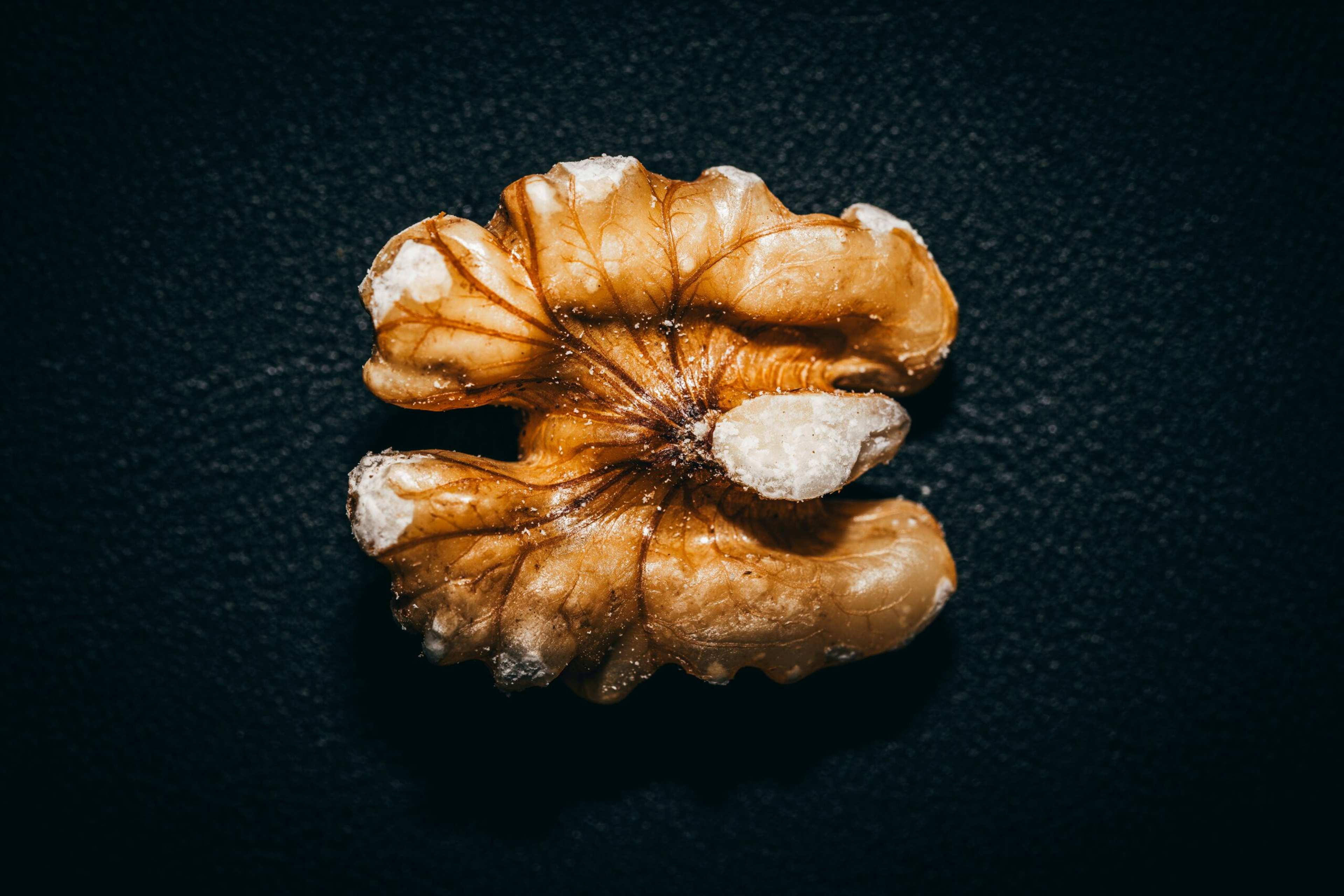
1. Almonds and mixed nuts
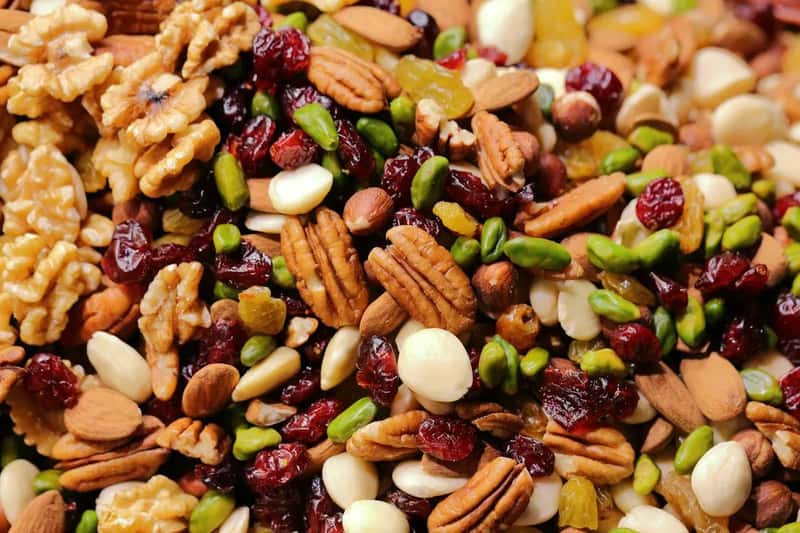
Nuts are one of the most practical travel snacks because they combine protein, fiber, and healthy fats in a shelf-stable package that survives long flights without refrigeration. This combination slows digestion, which means the energy they provide releases gradually instead of spiking and dropping. A small handful, roughly a quarter cup, is enough to curb hunger without weighing you down before a long walk through a new city.
Almonds specifically carry magnesium, a mineral involved in converting food into usable energy at the cellular level. Travelers who skip meals due to tight connections often reach for nuts precisely because they don’t require utensils, refrigeration, or a table. Just watch portion sizes, since the calorie density adds up quickly if you’re snacking out of a large bag for hours.
2. Bananas
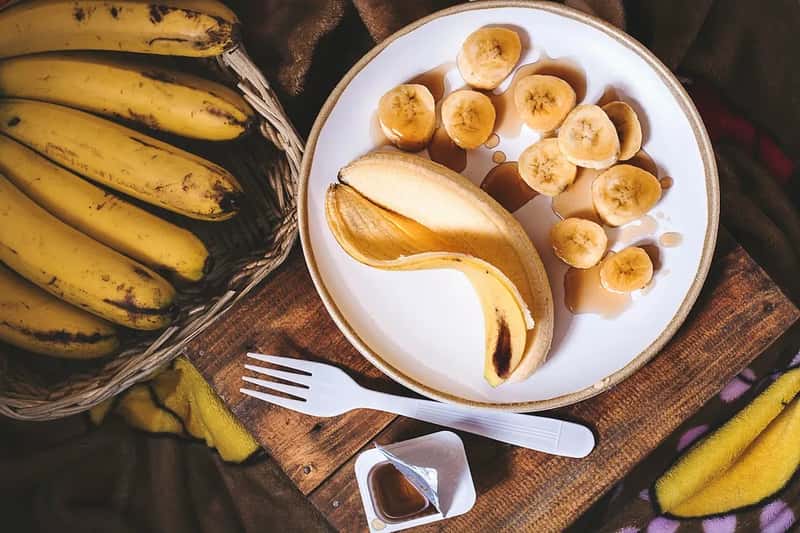
Bananas remain a favorite among frequent flyers for good reason. They pack natural sugars alongside potassium and a small amount of fiber, giving a quick lift without the sharp crash associated with candy or soda. The potassium content also helps offset some of the fluid shifts that happen during air travel, when cabin pressure and dry air can leave muscles feeling sluggish.
Unlike many packaged snacks, a banana requires no prep and no wrapper waste beyond the peel, making it an easy grab on the way out the door. It’s not a complete meal, but paired with a handful of nuts or a piece of cheese, it becomes a balanced mini-meal that holds energy steady for a couple of hours.
3. Oats and overnight oats

Oats are a slow-digesting carbohydrate, which means they release glucose into the bloodstream gradually rather than all at once. This steady release is exactly what’s needed before a long travel day, since it helps avoid the mid-morning slump that hits after a sugary breakfast pastry. Many travelers now prep overnight oats in a jar the night before a flight, combining oats with milk or yogurt and letting them sit in the fridge until it’s time to leave.
Adding fruit or a spoonful of nut butter boosts the staying power even further. Because oats are also gentle on digestion for most people, they’re a safer choice than heavier breakfasts when you’re about to sit still for several hours in a pressurized cabin.
4. Greek yogurt

Greek yogurt stands out for its protein content, typically containing close to double the protein of regular yogurt in the same serving size. Protein takes longer to digest than sugar, which translates into a longer stretch of feeling alert rather than a quick spike followed by a dip. It also travels reasonably well in an insulated bag for a few hours, making it workable for morning flights or road trip stops.
The probiotics in yogurt may offer an added benefit for travelers, since gut health can influence how the body handles the stress of new time zones and unfamiliar food. Choosing plain yogurt and adding your own fruit or honey avoids the added sugars found in many flavored cups, which can undercut the steady-energy benefit.
5. Dark leafy greens and vegetable-based snacks

Salads and vegetable sticks aren’t the first thing most people think of for travel food, but they deserve more credit. Leafy greens like spinach and kale carry iron and folate, both of which support the body’s ability to carry oxygen efficiently, a factor that matters more than people expect during long-haul flights where cabin oxygen levels are slightly lower than at ground level. Fatigue tied to low iron intake is a real and common issue, particularly for travelers who already eat light on the road.
Pre-cut carrots, cucumber, or bell pepper strips packed in a container also add fiber and water content, both of which help counter the dehydration that dry cabin air causes. They’re not glamorous, but a bag of raw veggies next to a protein source makes for a genuinely sustaining snack combination.
6. Whole grain bread and crackers

Whole grains provide complex carbohydrates, which the body breaks down more slowly than the refined white flour found in most airport pastries and snack aisles. A sandwich made with whole grain bread, some turkey or hummus, and a few vegetables covers protein, fiber, and slow-burning carbs in one package that holds up well in a travel bag. This kind of balanced combination is generally more effective at sustaining energy than any single food eaten alone.
Whole grain crackers paired with cheese or nut butter make a solid backup option when a full sandwich isn’t practical, especially for short connections. The fiber content also supports digestion, which tends to slow down during travel due to reduced movement and irregular eating times.
7. Water-rich fruits like oranges and berries

Dehydration is one of the most overlooked causes of travel fatigue, and cabin air on most flights is notably drier than typical indoor environments. Fruits with high water content, including oranges, strawberries, and watermelon when in season, help maintain hydration alongside the fluids you drink. Oranges in particular carry vitamin C, which supports the immune system at a time when travelers are exposed to more germs than usual in airports and shared cabin air.
Berries bring natural antioxidants and a moderate amount of natural sugar, giving a gentle energy boost without the intensity of processed sweets. Packing a small container of mixed berries or a couple of clementines is simple and doesn’t require refrigeration for short trips.
8. Dark chocolate in moderation

Dark chocolate, specifically varieties with a high cocoa content, contains a modest amount of caffeine along with theobromine, a compound that offers a gentler, longer stimulant effect compared to the sharp jolt of coffee or energy drinks. A square or two can genuinely help with alertness during a layover without triggering the jitteriness or later crash associated with larger caffeine doses. It also satisfies a sweet craving in a way that’s less likely to spike blood sugar compared to milk chocolate or candy.
The key word is moderation, since dark chocolate is still calorie-dense and easy to overeat when bored during a long delay. Sticking to a small portion, ideally chocolate with at least seventy percent cocoa, keeps the benefits intact without turning it into a sugar bomb.
9. Sugary pastries and candy

Airport bakeries and vending machines make sugary pastries and candy bars tempting, but these foods are among the fastest routes to an energy crash. The rapid spike in blood sugar from refined sugar and white flour triggers an equally rapid drop, often leaving travelers feeling more drained than before they ate. This crash tends to hit right as boarding calls happen or during a critical connection window, which is exactly the wrong time.
These foods also offer little in the way of fiber, protein, or micronutrients, meaning they fill the stomach temporarily without providing sustained fuel. Reaching for one occasionally isn’t harmful, but relying on pastries as a primary travel snack sets up a pattern of highs and lows throughout a long travel day.
10. Fried and greasy fast food
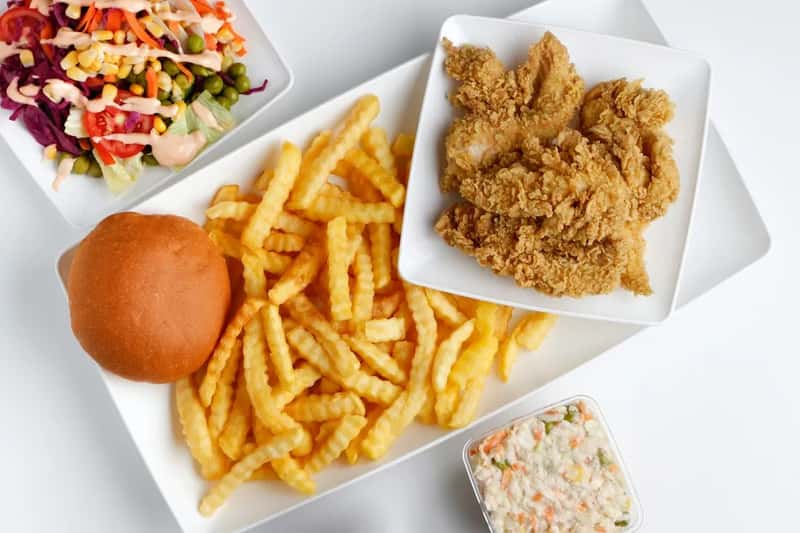
Fast food is convenient in airports and highway rest stops, but heavy, fried options come with a cost beyond the calorie count. High-fat, greasy meals slow digestion significantly, diverting blood flow toward the digestive system and away from the brain and muscles, which contributes to that sluggish, heavy feeling many travelers report after eating fried food before a flight. This effect is more pronounced when combined with sitting still for hours afterward, as digestion during long periods of inactivity tends to feel more uncomfortable.
Fried foods are also typically high in sodium, which worsens the dehydration already caused by dry cabin air and can contribute to swelling in the legs and feet during long flights. An occasional indulgence won’t derail a trip, but making greasy fast food the default meal choice while traveling tends to backfire by the time you reach your destination.
11. Alcohol

Alcohol is one of the most direct drains on travel energy, largely because of its dehydrating effect combined with its disruption of sleep quality. Even a single drink at altitude can hit harder than at sea level, since lower cabin oxygen levels amplify alcohol’s effects on the body. Beyond the immediate dehydration, alcohol interferes with the deep sleep stages needed for genuine rest, which matters enormously on overnight flights or when trying to adjust to a new time zone.
Many travelers reach for a drink to relax before or during a flight, but the energy cost often shows up the next day as grogginess and mild dehydration that plain water doesn’t immediately fix. Limiting alcohol, or skipping it entirely on travel days, tends to preserve energy far better than the short-term relaxation it offers.
12. Energy drinks and excess caffeine

Energy drinks and large doses of caffeine can feel like the obvious fix for travel fatigue, but they frequently backfire by creating a sharper crash later in the day. The high sugar content in many energy drinks compounds the problem, layering a sugar crash on top of the caffeine crash once the initial effects wear off. This combination can leave travelers feeling worse a few hours later than if they’d relied on food and hydration alone.
Excess caffeine also worsens dehydration, working against the already dry conditions of a cabin or a hot climate at a destination. A moderate cup of coffee or tea is generally fine and even helpful for alertness, but stacking multiple energy drinks throughout a travel day tends to do more harm than good by evening.
Choosing food strategically while traveling isn’t about eliminating every treat or convenience option. It comes down to leaning on slow-digesting, nutrient-dense choices for the bulk of a trip while limiting the foods that create sharp spikes and equally sharp drops in energy. Small adjustments to what goes in a travel bag can make the difference between arriving worn out and arriving ready to actually enjoy the destination.