Most people think of national parks as a summer thing. Packed parking lots, crowded trails, reservation lotteries just to get a glimpse of a famous arch or canyon wall. It’s almost like trying to have a quiet moment in Times Square on New Year’s Eve. Honestly, the whole point of going to a national park is to feel small in the presence of something vast and ancient – and that’s nearly impossible when you’re shoulder to shoulder with strangers.
Here’s the thing: winter changes everything. The crowds evaporate, the light turns golden and dramatic, and these landscapes reveal a side of themselves most visitors never get to see. Visiting U.S. national parks in winter offers a unique and unforgettable experience with fewer crowds, peaceful snowy landscapes, and a chance to see wildlife in a different light. If you’ve only ever seen these places in July, you don’t really know them yet. Let’s dive in.
1. Yellowstone National Park, Wyoming
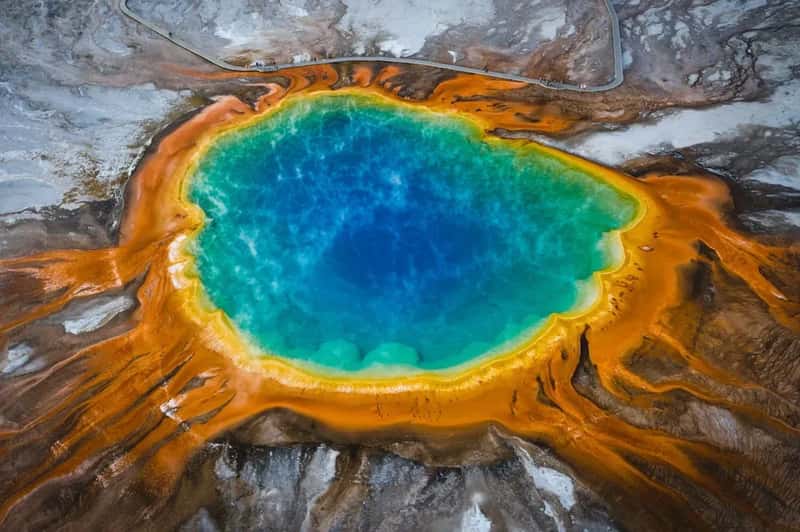
Yellowstone National Park welcomed 4.7 million visitors in 2024, the second busiest year on record. Most, however, arrived during the summer months. That contrast alone makes the case for winter. When the snowcoaches roll in and the summer crowds are long gone, Yellowstone becomes a completely different universe.
With fewer vehicles and visitors, wildlife viewing often improves in winter. Frost-covered bison move through meadows foraging through snow, wolves hunt in the Lamar Valley, and those that remain are easier to spot against the snow and with fewer crowds. Think of it like watching a nature documentary, except you’re actually in it.
In 2024, recreation visitors from January to March numbered between 30,000 and 50,000 per month, according to the National Park Service, while many days in the heart of winter saw less than a few thousand people exploring Yellowstone. Compare that to July, when hundreds of thousands swarm the park, and the math is pretty staggering. Iconic geysers like Old Faithful erupt through steaming clouds in the icy air, and wildlife such as bison, wolves, and elk are more easily spotted against the snow. Snowcoach tours, cross-country skiing, and guided wildlife excursions are the best ways to explore this majestic landscape in winter.
2. Bryce Canyon National Park, Utah
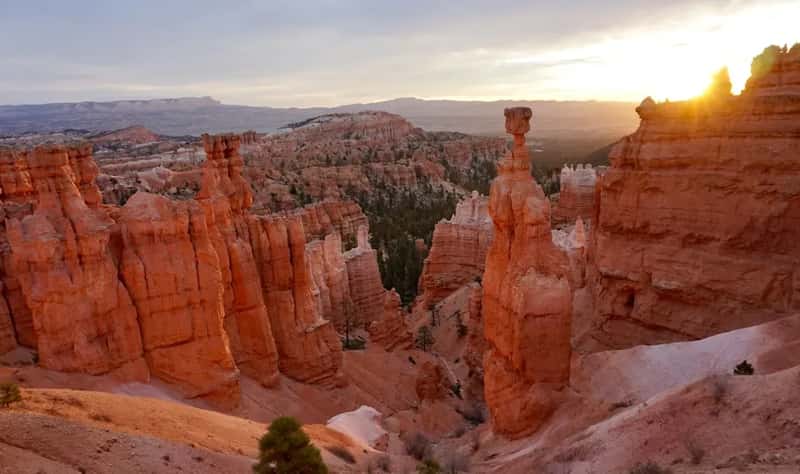
While it may be hard to imagine, Bryce Canyon’s earthly spires are even more spectacular when icy. Bryce Canyon National Park also has ideal stargazing skies, and the cold, dry air makes them all the more amazing. I think this is one of winter’s best-kept secrets in the entire national park system.
Bryce Canyon’s famous hoodoos – those tall, thin spires of rock – are especially breathtaking in the winter. A dusting of snow atop the red-orange formations creates a magical contrast. The park stays relatively accessible in winter, with popular viewpoints open and trails like the Rim Trail and Queen’s Garden perfect for a snowy hike or snowshoe adventure.
Saturday astronomy programs and full moon snowshoe adventures are just a couple of the several incredible programs offered here during the winter season. The annual Winter Festival is held on President’s Day weekend. If you’ve ever wanted to snowshoe beneath a sky full of stars in the middle of a canyon, Bryce Canyon in winter is genuinely hard to top. The Christmas Bird Count, held in mid-December, is the longest running citizen science survey in the world. Volunteers gather across the park and wider area to make a survey of the winter birds that make it their homes.
3. Grand Canyon National Park, Arizona
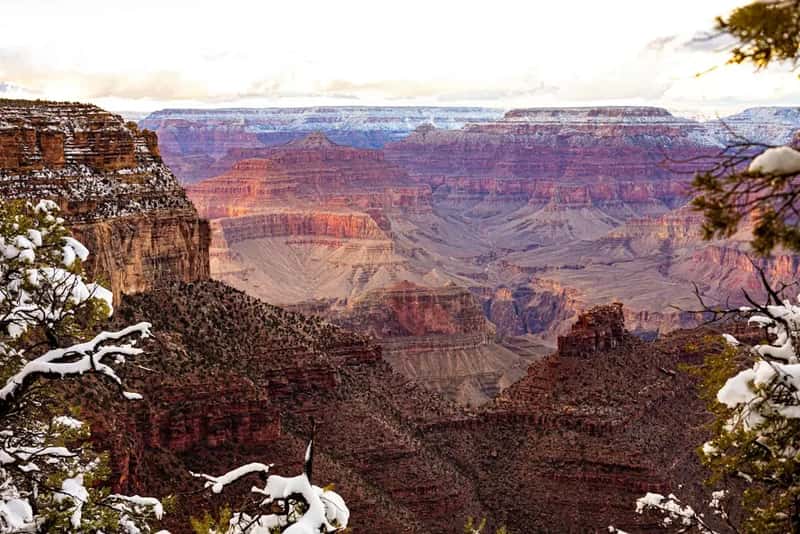
Many visitors consider winter an underrated and particularly special time to visit the Grand Canyon. That’s when the dramatic red rocks pop beneath a dusting of snow, and you’ll share the scenery with just a fraction of the number of tourists here in summer. It sounds almost too good to be true.
In daylight, the Grand Canyon invokes just as much childlike wonder when its red, blue, and purple striped walls pop against the crisp powder dusting the plateaus and ledges. Cooler temperatures mean fewer visitors – January is the quietest time to go, with a third of the visits seen at the park’s peak in July.
While the North Rim of this world wonder closes in winter thanks to its high elevation and heavy snowfall, the more popular South Rim remains open year round and the colder months are a perfect time to visit to get some hiking in. While the North Rim of the canyon does close every winter, the South Rim area remains open, with temperatures at the rim generally peaking in the 40s and dropping into the 20s. Temperatures on the canyon floor are a bit higher, between the 30s and high 50s. Layers are your best friend here.
4. Arches National Park, Utah
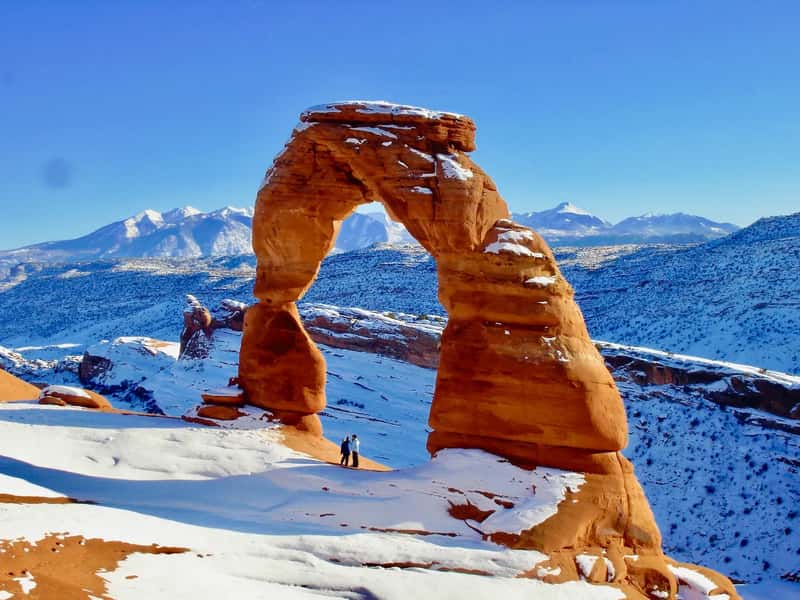
While the dry Delicate Arch proudly stands out on the front or back of a Utah license plate, a dusting of snow on the red rocks makes the southwestern scene pop and, surprisingly, attracts fewer visitors. If you’re looking to see the Delicate Arch or the park’s other 2,000-plus arches and works of natural art without the crowds and hours of lines, visit during the offseason winter months.
In 2024, just 14 percent of visitors explored Arches during this time. Apart from New Year’s and Presidents’ Day, Arches averages fewer than 700 cars per day, compared to peak periods when there are more cars than parking spaces, from Easter through mid-October. That’s a dramatic shift. Imagine having Delicate Arch nearly to yourself.
Visitors spending time in winter found Arches and Canyonlands with zero crowds. Some of the highlights included getting Delicate Arch with fewer than 20 people, securing a permit the same day to hike the Fiery Furnace, and catching sunrise at Mesa Arch in Canyonlands without the hundreds of people present on any given summer morning. Let’s be real – that kind of experience is priceless.
5. Rocky Mountain National Park, Colorado
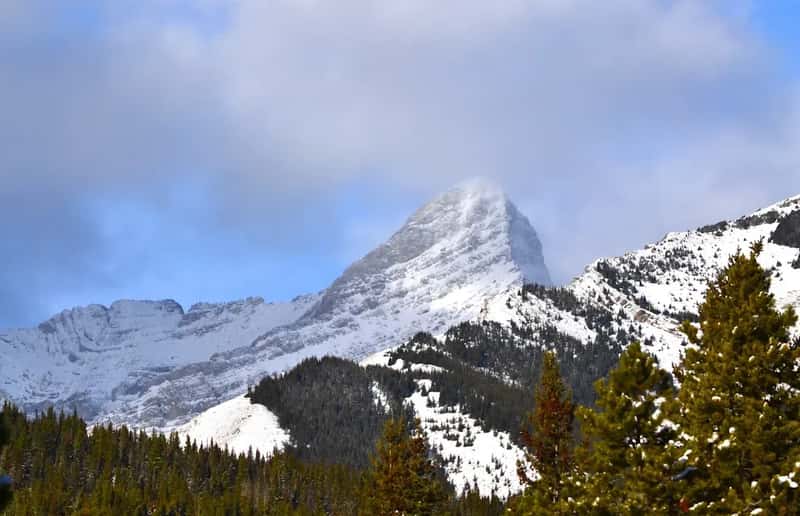
With the highest elevations in the country, Colorado is well-known for being a winter destination, and Rocky Mountain National Park is no exception. With numerous peaks to explore, backcountry skiers can cut through the incomparable continental divide. Other recreation opportunities include world-class snowshoeing, sledding and hiking.
Most of Rocky Mountain National Park’s hiking trails are covered with a blanket of snow from mid-November through mid-May. Even into June, elevations above 9,000 feet may still have snow. Winter here isn’t just a season – it’s practically the default state of the park.
What puts the Rocky Mountains on any best-of list for winter visits is its 300 miles of trails that lend themselves to unique hiking, snowshoeing and cross-country skiing adventures during these colder months. As you make your way through popular trails like the Cub Lake Trail or Tonahutu Creek Trail, you’ll be able to spot wildlife like elk, mule deer and bighorn sheep. Rocky Mountain National Park has several layers of vehicle reservations during the busy summer months, which makes it difficult to battle crowds and find parking. In winter, Rocky Mountain hiking trails are generally blanketed with snow, which makes them perfect for snowshoeing, cross-country skiing or sledding.
6. Crater Lake National Park, Oregon
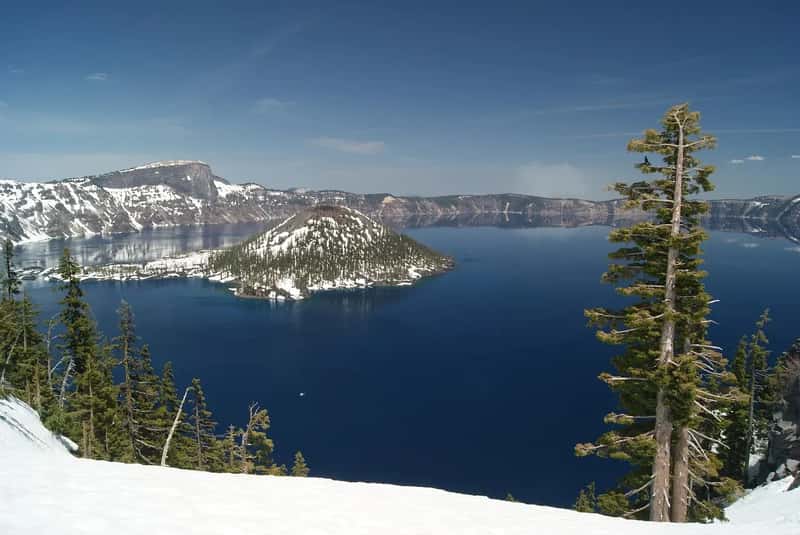
The deepest lake in North America is one of the most beautiful places to visit in America during any time of year. Winter adds an extra layer of magic to Crater Lake National Park. The numbers back that up in a remarkable way.
Historically, Crater Lake’s lowest visitation rates are in December and January. For context, in January 2024 the park had less than 5,000 visitors, compared with over 153,000 visitors in July of the same year. That’s roughly a thirty-fold difference. The park essentially becomes yours.
Storms from the Pacific Ocean dump an average of 42 feet of snow at Park Headquarters each winter and more than 50 feet at Rim Village. That’s not a typo – fifty feet of snow. There are plenty of winter activities to plan for a trip to Crater Lake. Ranger-guided snowshoe walks are particularly popular. The walks last about two hours and cover one to two miles of moderate-to-strenuous terrain, with an experienced ranger taking the group out to explore the forests and meadows along the rim of Crater Lake.
7. Grand Teton National Park, Wyoming
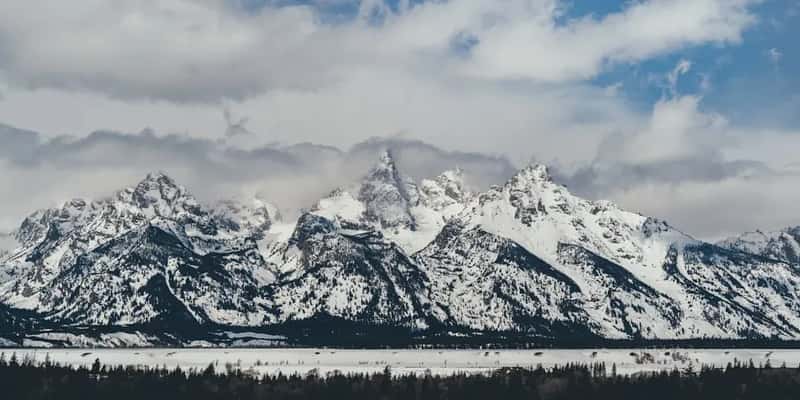
Snow covers Grand Teton National Park’s classically beautiful landscape from November to May. Its long winters can be bitterly cold, with the coldest temperature ever recorded here at negative 63 degrees Fahrenheit. If that sends a shiver down your spine – good. That’s the point.
Discovering a crowd-free version of Wyoming’s striking Grand Teton National Park by visiting in winter is genuinely rewarding. After the final leaf peepers leave, the park becomes a winter wonderland where you can cross-country ski, snowshoe or even snowmobile through the snowdrifts. For a more leisurely experience, dog sled tours take visitors through the silver-white wilderness.
Whether you’re on a sled or skis, winter is a great time to spot elk, moose, bison, deer, bald eagles and wolves. As soon as Grand Teton National Park’s Jackson, Jenny, and Phelps lakes freeze over in December, ice anglers flock there to drill holes in the thick ice and drop jigs into the waters alive with aquatic life. Waiting for the trout to bite in the bitter cold might not sound as thrilling as skiing or snowmobiling, but the unparalleled views, serenity, and slower pace will remind you why you’re there.
8. Acadia National Park, Maine
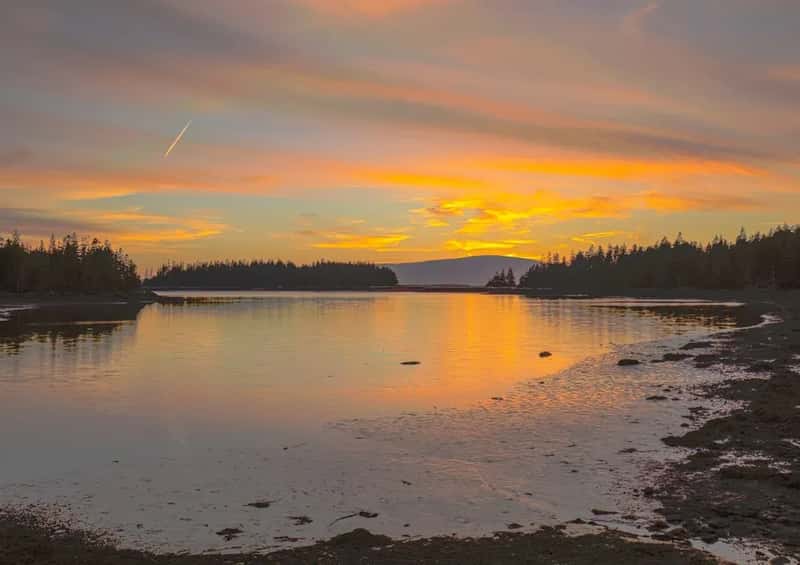
Between early October and early March, Acadia National Park’s Cadillac Mountain – the tallest on the eastern seaboard – offers hardy hikers epic views of the first sunrise in the country. The park can see fewer than 10 visitors a day in colder months. Those lucky few who do show up find crowd-free walking trails during the day and mesmerizing views of constellations by night. Fewer than ten people per day on Cadillac Mountain. That’s almost surreal.
Another fantastic reason to spend winter in Acadia is that it is an epic place to go snowshoeing and cross-country skiing. There are nearly 45 miles of carriage roads, and it is truly a magical place in winter for those looking to enjoy the outdoors in a majestic setting.
Schoodic Point is a particular favorite of birdwatchers in winter. Birds like eagles, owls, razorbills, murres, dovekies, black-capped chickadees, and Harlequin ducks are typical examples of what visitors can see. The only national park on the East Coast displays a different type of beauty during the winter. Part of that is because it’s quieter and less crowded. It’s hard to say for sure which park wins the “best in winter” title, but Acadia’s raw, coastal beauty draped in snow is genuinely hard to argue with.
Winter Parks: A Final Thought
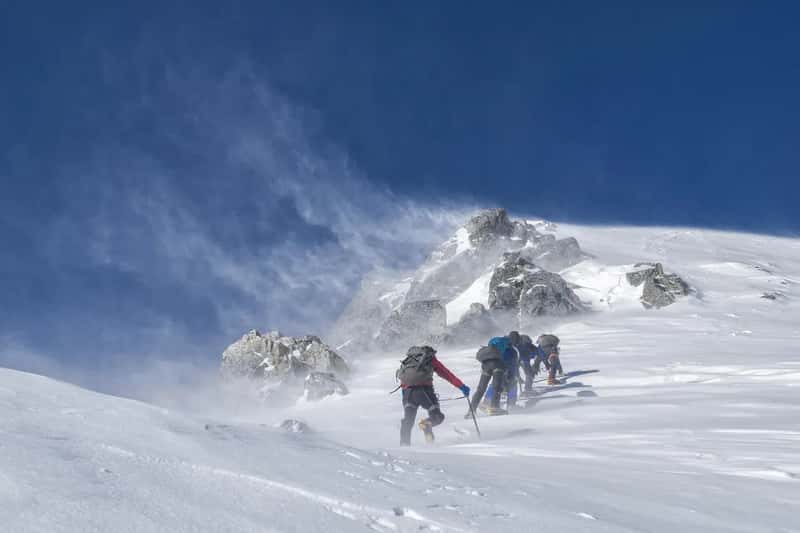
In 2024, 55 percent of national parks saw an increase in average visitation in February through June and October through December, according to the National Park Service. The secret of winter parks is slowly getting out. Still, these landscapes remain dramatically quieter in the cold months than at any other time of year, and the rewards for bundling up and showing up are extraordinary.
Venturing to a national park in the winter often means blankets of snow and winter activities to try, such as snowshoeing, downhill skiing, cross-country skiing, snowmobiling and even ice climbing. One of the great benefits is that you have far fewer people exploring these parks in the winter, and because of the colder weather, you have to deal with how it’s different and how you approach it. That challenge, honestly, is part of what makes it so memorable. The parks that ask something of you tend to give the most back. What would you have guessed before reading this – that winter or summer makes for the better national park trip?