Ask any cruiser with a dozen sailings under their belt what they’d skip next time, and you’ll rarely hear about the destinations or the ship itself. It’s almost always about money spent on something that seemed appealing in the moment but turned into a source of regret by disembarkation day. After years of onboard sales pitches, flashy displays, and limited-time offers, experienced cruisers have developed a pretty specific list of things they no longer fall for.
These aren’t obscure mistakes either. They’re purchases that show up again and again in cruiser forums, Facebook groups, and post-cruise reviews, often with the same complaints attached. Here’s what seasoned travelers say they’ve learned to walk right past.
1. The unlimited drink package

On paper, an all-inclusive beverage package sounds like the smart move, especially with cocktails easily running into double digits per drink. But the math only works if you actually drink enough to hit the break-even point, and that number is higher than most people expect. Most cruisers average around 3–5 alcoholic drinks per day, which means many people actually lose money on the CHEERS![1] package on Carnival, for example.
The problem gets worse on certain itineraries. Drink packages can be great on certain itineraries, but the value may not add up when you are not making the most of them, especially on longer or cooler-weather cruises, as one cruiser explained about a 10-day Alaska cruise that was definitely not worth it for their group.[2] Add in port-heavy schedules where you’re barely onboard, and many did not drink enough to justify the cost or found that port-heavy schedules meant less time onboard to take advantage[2] of what they’d paid for.
2. Ship photo packages
Cruise photographers are impossible to avoid. Flashbulbs pop the moment you step onboard, by the gangway, at dinner, in the atrium, and ship photographers seem to follow you everywhere.[3] The photos look great in the moment, but the bill afterward often doesn’t match the payoff.
Veteran cruisers have started skipping the bundled packages entirely. Cruise photo packages often run into hundreds of dollars, and that’s for digital versions, so you’ll still have to pay to get them printed, and the biggest regret is that many cruisers admit they barely used them, with one forum post reading, “We bought the package and ended up with three photos worth keeping.”[3] One cruiser summed up the letdown simply, noting the pictures “We did not like most of the pictures, and they were $$$.”[2]
3. Art auction purchases

Art auctions are practically a cruise ship institution, complete with free champagne and a live bidding atmosphere that makes spending feel almost like entertainment. That’s actually the point. One of the top reasons to attend the art auction is the free champagne, as well as the spectacle that is bidding in a live auction.[4]
The regret tends to surface once the pieces get home and the resale value question comes up. The advice from experienced cruisers is only buy it if you like it, not because you think it’s worth anything, since it’s mostly all worthless[4] as an investment. One cruiser candidly described spending on artwork this way: “we spent so much money we didn’t know any better. I have pieces all over the house and some in the closet.”[4]
4. Gold chains sold by the inch
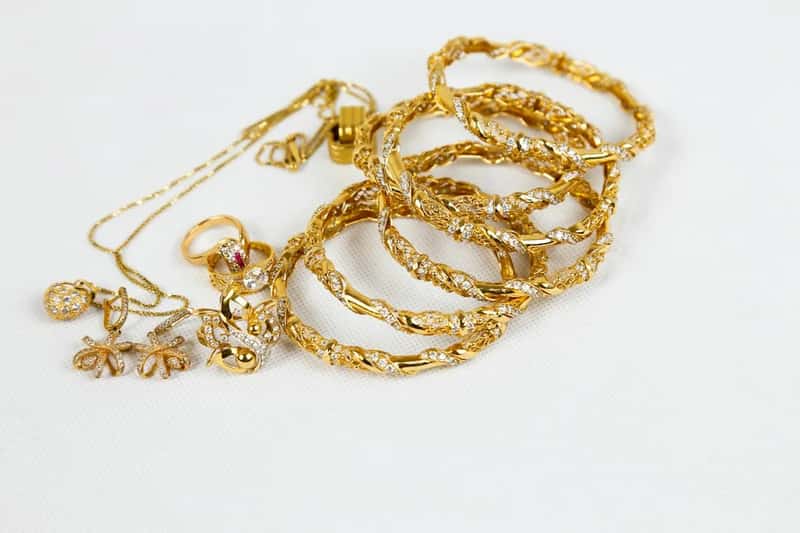
It’s a peculiar cruise ship tradition, but it’s a real one. A surprising number of people felt they wasted money on the gold chains you can buy on ships by the inch, usually from a table set up on the Royal Promenade or near the buffet where you pick whatever length you prefer.[4] The novelty of watching it get cut to size is part of the appeal.
The durability issue is what turns buyers into skeptics. The issue seems to be the chains weren’t a bad price, but would break later, usually where the crew member cut it off.[4] Combine that with the fact that the price onboard can vary greatly from what you’d find on land, so the advice is to ignore any claims of a bargain, look at it purely as something you’d like to own because it looks nice, and check the price online to compare[4] before buying.
5. Post-treatment spa products

The spa sales pitch is practically baked into the service itself. Cruisers walk in for a massage or facial expecting relaxation, and walk out facing a checkout counter stacked with serums and creams. The post-treatment spa sales pitch seems all part of the “service” cruise lines provide, and after a relaxing massage or facial, many cruisers walk out with pricey spa products they’ll barely use again.[3]
It’s not that the products are bad. It’s that the buying decision happens at the worst possible moment, right when you’re relaxed, a little vulnerable to suggestion, and not thinking about your suitcase space or your bathroom shelf back home. Veteran cruisers now treat the spa checkout the same way they treat any retail counter: browse, but don’t decide on the spot.
6. Logo shop souvenirs
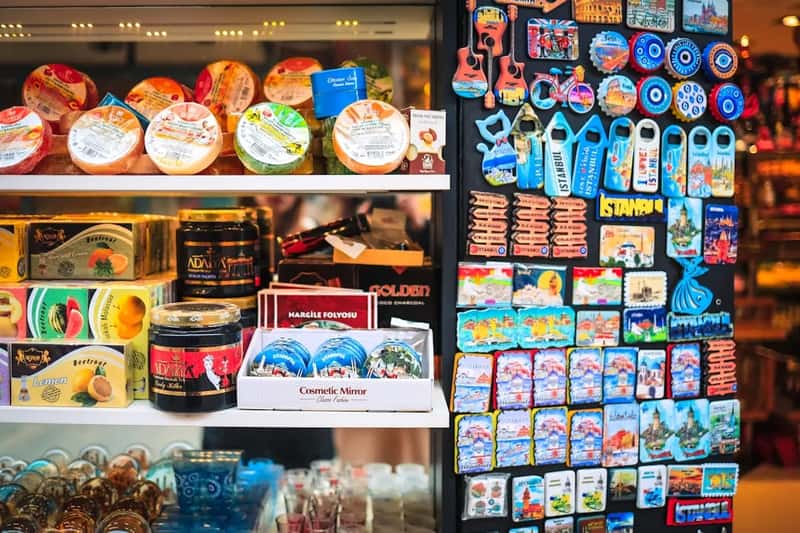
Cruise ship gift shops are stocked with branded shirts, mugs, and keychains that seem irresistible in the moment. The regret usually kicks in once the suitcase gets unpacked at home. Many forum posts come from travelers who now avoid “souvenir traps,” saying they bought shirts or mugs because they were caught up in the excitement of the cruise, only to realize once home they’d never wear or use them again, since the designs tend to be basic and the prices are high.[3]
Experienced cruisers have shifted their souvenir strategy entirely. Savvy cruisers now skip the logo shops or buy tacky souvenirs with unused onboard credit instead, opting for something local or personal from port rather than another dust collector.[3] It’s a small change, but it tends to leave people with mementos they actually keep out on display.
7. Casino play with free onboard credit

Free onboard credit feels like house money, which is exactly the trap. Cruisers who’d never gamble with their own cash suddenly treat free OBC like it doesn’t count. Many rookie cruisers complain that free OBC never disappears faster than in the onboard casino, since some assume that because it’s free, blowing it in the casino is fine, but unless you track spending carefully, it can be gone before you know it.[3]
The house edge onboard doesn’t do casual gamblers any favors either. Even seasoned gamblers get burned in ship casinos, because they’re not Vegas, and the odds are worse, the payouts smaller, and the house takes a bigger cut.[3] Veteran cruisers now treat their onboard credit as a budget line item, not a free pass to gamble it away.
8. Duty-free luxury watches
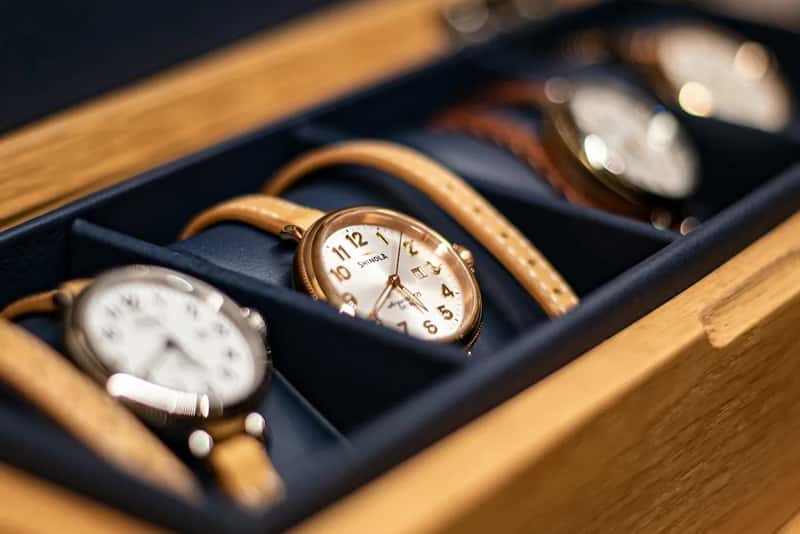
Duty-free shopping promotions make watches look like a steal, especially when the display cases are lined with familiar-sounding brand names and big discount stickers. The reality doesn’t always hold up once the cruise ends. One cruiser’s regret was blunt and simple: “Invicta watch(es)… never again,”[2] while another described a purchase that fell apart entirely, calling it “A $600 Invicta watch for my husband in 2015, it has since fallen apart and is unusable.”[2]
The lesson veteran cruisers take from this one is straightforward. The consensus is that just because something is on sale does not mean it is a smart buy.[2] Onboard “duty-free” pricing gets treated with the same skepticism as any other sales pitch at sea, discount signage included.
The common thread across all eight of these purchases isn’t that cruisers regret spending money on their vacations. It’s the gap between how a purchase feels in the moment, wrapped in champagne, flashing cameras, or a ticking clock on a “today only” deal, and how it looks once the ship docks and real life resumes. Setting a spending plan before boarding, and pricing things against what they’d cost on land, tends to be the difference between a souvenir worth keeping and one that ends up in a closet.