Ask any campground manager what keeps their business running smoothly, and most will tell you the same thing: repeat guests are gold. They already know the rules, they treat the property with respect, and they show up year after year without needing much hand-holding. What many first-time RVers don’t realize is that this loyalty often gets rewarded quietly, through small favors and unadvertised extras rather than flashy signage at the front gate.
These perks rarely appear in a brochure or a website FAQ. They tend to surface only after a manager recognizes a familiar rig pulling in, or after a guest has stayed enough times to earn a mental note in the office. Here’s a look at eight of the most common ways campground staff quietly take care of the travelers who keep coming back.
1. Priority on Preferred or Familiar Sites
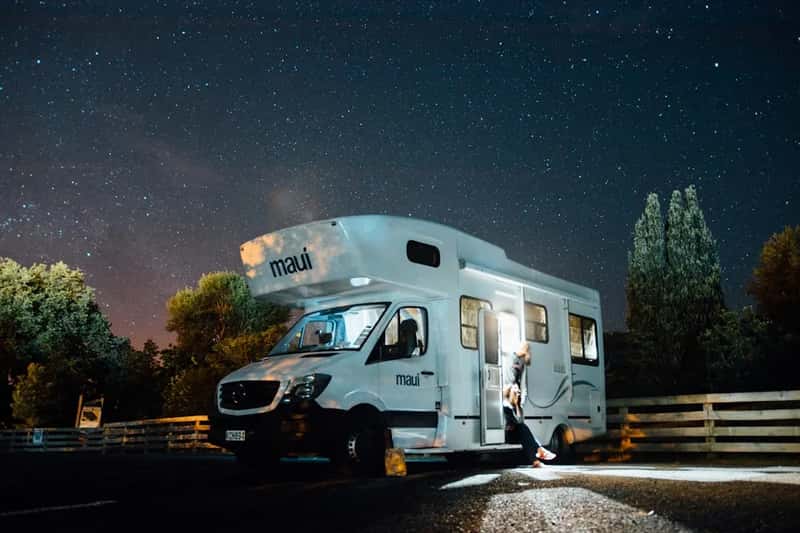
Returning campers often end up back in the same spot, or a similarly good one, without having to ask twice. Managers remember which guests prefer shade, pull-through access, or a quiet corner away from the bathhouse, and they’ll often hold that site aside during booking season before it ever gets listed as available online.
This isn’t usually a formal policy. It’s simply easier for staff to place a known, low-maintenance guest in a desirable spot than to gamble on an unfamiliar one. Over multiple seasons, this can mean a returning RVer consistently lands better real estate within the park than a first-time visitor booking the exact same category of site.
2. Flexibility on Check-In and Check-Out Windows
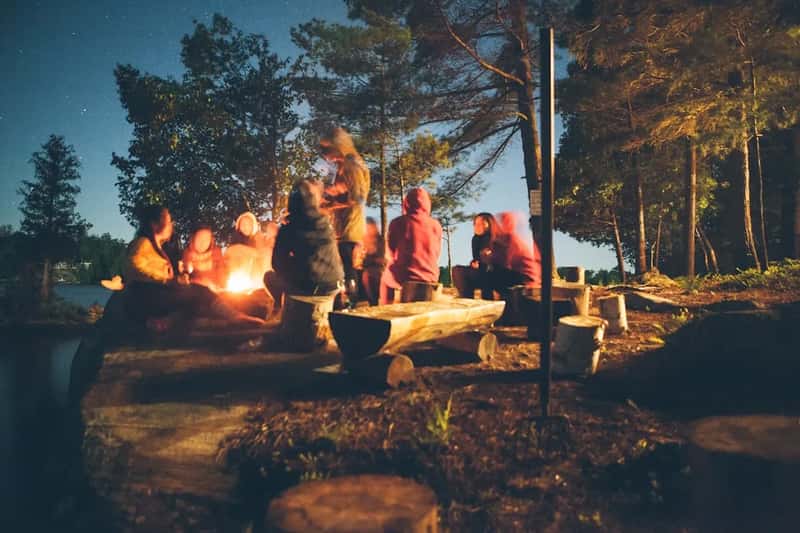
Standard check-in and check-out times exist for a reason, mainly to give staff a window to clean and inspect sites between guests. Most campgrounds allow guests to check-in after 1:00 p.m. or 2:00 p.m., with usually a two- or three-hour difference between the time guests must check out and when they will allow guests to check in.[1] Many parks also charge a fee, often around 25 dollars, for early arrival or a late departure when it’s officially requested.
For guests the office already trusts, that rigid line tends to soften. A manager who knows a returning traveler will be ready and organized is far more likely to wave them in an hour early or let them linger past checkout without charging the posted fee, simply because the risk of a scheduling conflict feels low.
3. Unadvertised Loyalty Discounts and Point Boosts
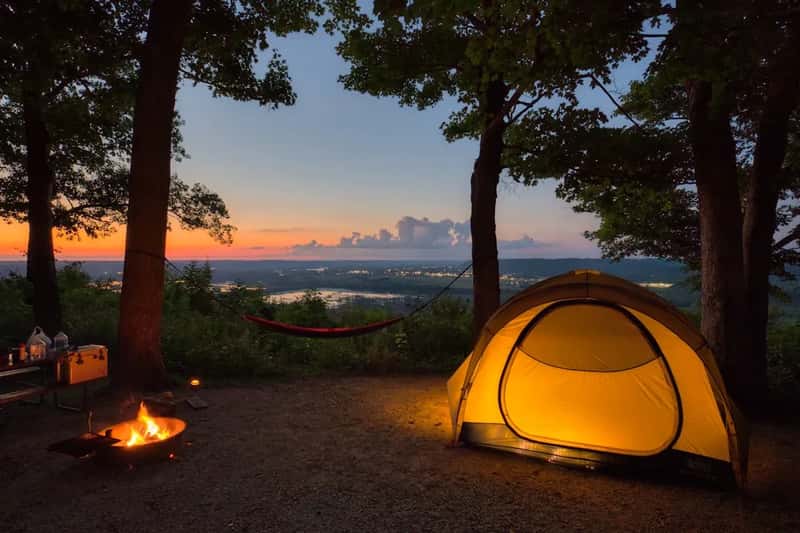
Some of the biggest chains have made loyalty official. The KOA camping discount program is a renewable annual program that any guest can enroll in, and for just 39 dollars a year, guests get access to perks like a 10 percent discount on the daily registration rate at 500-plus KOA locations and a free night of camping during KOA Rewards Weekend.[2] Climb to VIP status within that same program and guests whose KOA Rewards account reaches VIP status will earn reward points 25 percent faster.[2]
Independent parks and smaller regional groups often run quieter versions of the same idea. Points earned with each stay are sometimes redeemable for perks like free firewood or a complimentary breakfast, and store credit works the same way at parks that track repeat visits informally.[3] These informal tabs rarely get advertised at the counter, so guests who never think to ask about a loyalty credit simply never receive one.
4. Waived or Reduced Cancellation Fees

Life on the road is unpredictable, and plans change. Chains that formalize their loyalty tiers often build in real financial protection for their most frequent guests. For VIP campers, KOA will waive the standard 20 dollar cancellation fee for a tent or RV site if guests call to cancel more than seven days in advance, or fourteen days prior to a cabin stay.[2]
Independently owned parks tend to handle this on a case-by-case basis rather than through a published policy. A manager who recognizes a longtime guest’s name on a cancellation request is far more likely to quietly skip the fee or convert it into a future stay credit, even when the park’s official cancellation window has technically closed.
5. A Direct Line to Staff Instead of the General Queue

New guests typically go through the front office or a general reservation line for every request, from a maintenance issue to a billing question. Returning travelers often get something faster: a manager’s cell number, a direct email, or simply the understanding that they can walk up and be helped immediately rather than waiting behind other check-ins.
That personal channel means problems get solved in minutes instead of sitting in a queue behind every other guest’s request, and it’s an informal perk with real weight, since a fast fix during a stressful travel day can be the entire difference between a good trip and a ruined one.[3] It’s a small thing on paper, but for anyone who has dealt with a broken sewer connection at ten at night, it matters enormously.
6. Local Discounts Passed Along Quietly
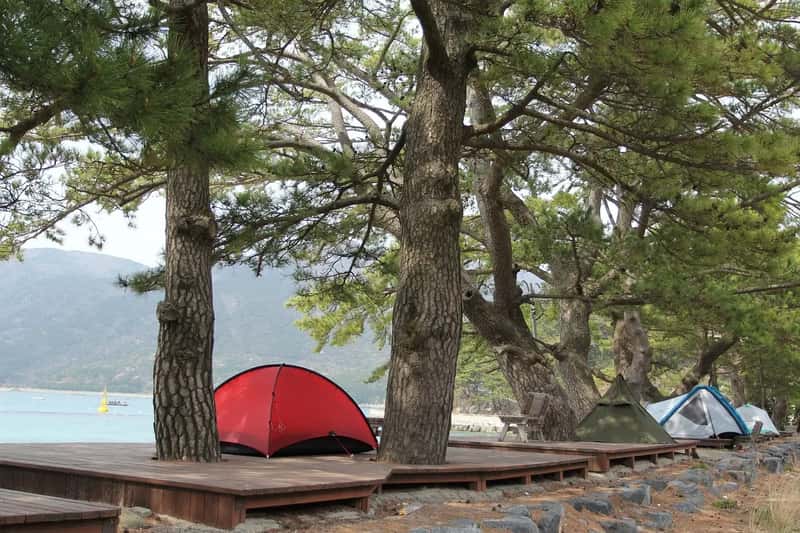
Campgrounds frequently build relationships with nearby restaurants, outfitters, and tourism boards, but these arrangements don’t always make it to the public-facing website. Campgrounds regularly collaborate with local businesses and tourism boards to offer package deals or discounts with nearby attractions, restaurants, or outdoor gear shops, and these bundles are frequently reserved for guests already in a park’s rewards system rather than posted publicly.[3]
Larger chains formalize this a bit more. KOA, for example, has struck partnerships that extend savings beyond the campground itself, including a deal with Goodyear to offer 10 percent off tires purchased at Goodyear.com, just for KOA campers.[4] Smaller parks tend to keep these arrangements informal, mentioning them only to guests they already recognize at the counter.
7. Reservation Guarantees and Booking Priority
During peak season, popular parks fill up months in advance, and last-minute cancellations or waitlists can be brutal for anyone without an existing relationship with the office. Guests enrolled in a loyalty program sometimes get a quiet edge here too. One camping guide notes that KOA Rewards cardholders benefit from the instant 10 percent savings and the guaranteed site-holding power with the Reserve What You See feature for cardholders.[5]
At independent parks without a formal rewards system, this priority is even more informal. A manager fielding a full campground on a holiday weekend will often find room for a longtime regular before opening that same spot to a first-time caller, simply because the relationship already exists and the guest’s habits are a known quantity.
8. Being Treated Like a Neighbor Instead of a Transaction
Every other perk on this list ultimately traces back to one underlying shift in how a park views a guest. Every other perk on this list is really just a symptom of the biggest one: campgrounds quietly stop treating returning RV owners like customers and start treating them like neighbors.[3] That shift shows up in small ways, a manager remembering a guest’s dog’s name, staff checking in personally after a rough travel day, or an offer to help troubleshoot a hookup issue without being asked.
The economics behind this are straightforward. Attracting a new camper costs more than keeping one who already loves the park[3], which gives every manager a practical reason to invest extra warmth and attention in the guests who already trust the property. It’s not charity. It’s simply good business dressed up as hospitality.
None of these perks are secret in the sense of being hidden from anyone who asks. They’re simply not advertised, because campgrounds don’t want to promise favors they can’t guarantee to every guest, every time. The pattern is clear across both major chains and independent parks: loyalty gets rewarded, sometimes through a formal points system, more often through the small, human judgment calls a manager makes when a familiar rig pulls through the gate. For RV travelers hoping to unlock these benefits, the strategy is simple. Return to the same parks when possible, join the loyalty programs that exist, and don’t be shy about asking the office directly what’s available. Managers rarely volunteer these perks unprompted, but they’re usually happy to extend them to guests who’ve already earned their trust.