Sin City has always been synonymous with glitz, glamour, and good times. But something’s shifted. The once unstoppable tourism machine is sputtering, and the numbers tell a story that’s impossible to ignore. What was once a magnet for millions is now facing a crisis that has industry insiders scrambling for answers.
Las Vegas welcomed roughly 38.5 million visitors in 2025, marking a sharp decline from previous years. This represents visitor volume that closely mirrors levels seen in 2000, 2002, and 2003, effectively erasing two decades of growth. So what’s driving American tourists away from the desert oasis that once promised affordable thrills and unforgettable experiences? Let’s dive in.
Skyrocketing Hotel Rates Are Pricing Out Budget Travelers
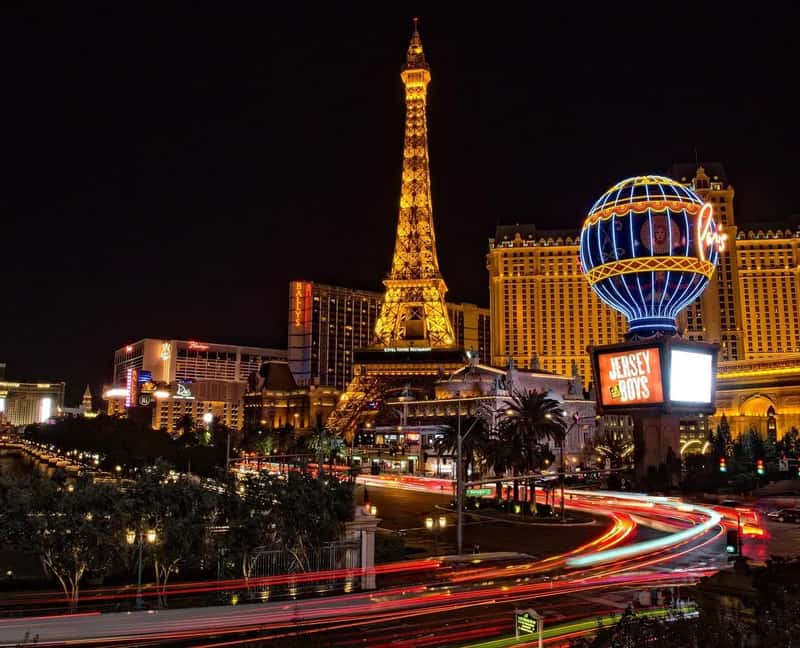
Remember when you could snag a decent Vegas hotel room for under fifty bucks? Those days are long gone. Hotel rates have skyrocketed roughly seventy percent between 2015 and 2025, climbing from approximately one hundred twenty-four dollars to around two hundred ten dollars per night on the Strip.
What’s worse is that the citywide average daily room rate fell five percent in 2025 to around one hundred eighty-three dollars, yet occupancy still dropped significantly. This tells us something important: even when hotels tried lowering prices, travelers still stayed away. The damage to Vegas’ reputation as an affordable getaway destination might already be done.
For families on a budget or young people looking for a fun weekend escape, these prices simply don’t compute anymore. When you can book a Caribbean cruise or an all-inclusive Mexican resort for similar money, the value proposition of Vegas starts to crumble.
Hidden Resort Fees Are Driving Visitor Frustration
Here’s the thing that really gets under travelers’ skin. You see an advertised room rate that looks reasonable, maybe seventy dollars a night. You start to get excited. Then at checkout, boom, there’s a mandatory resort fee ranging between forty and sixty-five dollars per night that suddenly appears.
These fees generally run between thirty-five and fifty-five dollars a night at major Strip operators. Honestly, it feels like a bait and switch. Even though a new Federal Trade Commission rule now requires upfront disclosure, the fees themselves haven’t disappeared. They’re just more visible now, which only highlights how much extra you’re actually paying.
Almost every single hotel in Las Vegas now charges resort fees, and many properties have fees higher than their advertised room rate. That’s not just frustrating – it’s infuriating for people who budgeted based on the initial price they saw online.
Gambling Has Become More Expensive and Less Player-Friendly

The casinos themselves have changed, and not for the better if you’re looking for casual fun. In 2020, thirty-eight casinos in the greater Las Vegas market featured tables dealing favorable blackjack rules with a five-dollar minimum bet, but these days that group has dropped to just six casinos.
Walk through the Strip after dark now, and you’ll face a harsh reality. Most table games in 2026 force patrons to risk painful amounts of cash – twenty-five-dollar minimums are basically standard, and fifty-dollar minimums aren’t uncommon either. Let’s be real: that’s not recreational gambling for the average person anymore.
This shift fundamentally changes who can afford to play. When you need to drop fifty bucks just to sit at a blackjack table, you’re effectively telling middle-class Americans they’re not welcome at the tables anymore. That message hasn’t been lost on visitors who remember when Vegas was for everyone, not just high rollers.
The Canadian Tourist Exodus Has Hit Hard

Canada traditionally provided Las Vegas with 1.4 million visitors annually, making it the city’s largest international source market, but 2025 saw an estimated twenty-four percent drop in Canadian visitors. That’s a massive blow to the local economy.
Flight data revealed staggering declines, with Air Canada passengers dropping thirty-three percent, while leisure bookings to the US plunged forty percent in February 2025. Political tensions between the United States and Canada under the current administration have created a chilling effect that Vegas is feeling acutely.
What makes this particularly painful is that Canadian tourists were reliable, consistent visitors who came year-round. They weren’t just showing up for special events; they were filling hotel rooms and spending money during slower periods. Losing nearly a quarter of that market in a single year represents billions in lost economic activity across the region.
Rising Food and Beverage Costs Are Shocking Visitors

It’s not just the rooms and the gambling. Everything inside Vegas has gotten ridiculously expensive. A cup of regular coffee now costs six or seven dollars after coffee makers were removed from hotel rooms, domestic beers go for ten dollars or more, and cocktails made with well liquor are being sold for twenty-five dollars and up.
Even fast food isn’t cheap anymore. Fast-food and soft drink combos now exceed thirty dollars a person. Think about that for a second. Thirty bucks for a burger combo? That’s the kind of pricing that makes families reconsider their entire vacation plans.
When travelers share stories on social media about seven-dollar coffees and thirty-dollar cocktails, it creates a snowball effect. Potential visitors start to believe – correctly, it turns out – that Vegas has become prohibitively expensive for anyone watching their wallet. That perception is incredibly hard to reverse once it takes hold.
Competition from Alternative Destinations Is Growing
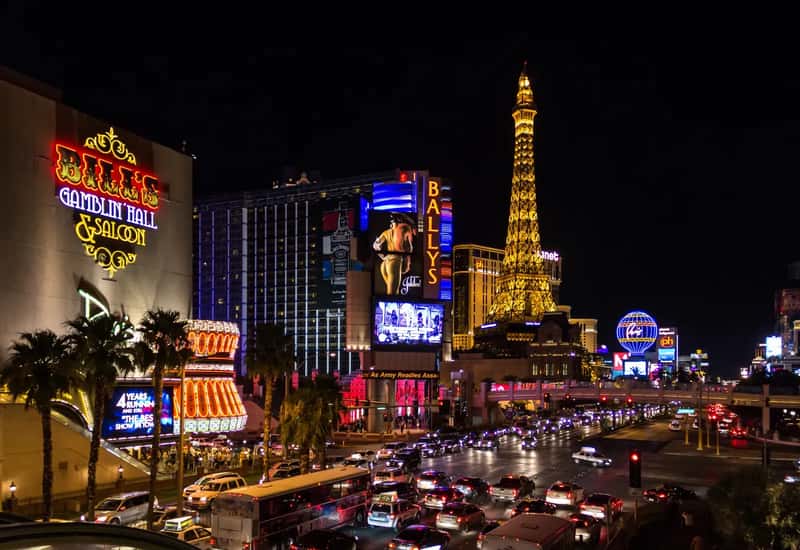
Vegas isn’t operating in a vacuum. Other destinations have gotten smarter about attracting tourists, and the comparisons aren’t flattering for Sin City. Cruise lines are aggressively marketing four-day sailings with lodging, meals, and entertainment included, often costing less than a Vegas long weekend after resort fees and inflated food prices.
Las Vegas has faced increasing competition from other cities across the globe, and as international travel rebounds, travelers have more options than ever. Destinations with lower costs and less reliance on casinos are attracting increasing numbers of visitors who might have once automatically chosen Vegas.
There’s also the rise of regional gambling. Markets like Pennsylvania, Maryland, Indiana, and Florida have expanded gaming offerings, providing local alternatives that eliminate the need for flights and hotel stays. Why fly to Vegas when you can drive an hour to a nearby casino resort?
Online Gambling Is Keeping People Home

This one’s a bit ironic. The gambling industry that built Las Vegas is now undermining it through technology. The online gambling market is expected to nearly double in size between 2024 and 2030, giving people an easy way to get their gaming fix without leaving their couch.
New Jersey’s online casinos set monthly records in 2025, with July generating over two hundred forty-seven million dollars, representing a nearly twenty-seven percent increase year-over-year. Every dollar wagered online is a dollar not spent in a Vegas casino.
The pandemic accelerated this trend dramatically. People discovered they could gamble, watch sports, and enjoy entertainment from home. Now that they’ve experienced that convenience, convincing them to travel to Vegas, pay inflated prices, and deal with crowds is a much harder sell.
Economic Uncertainty Is Making Americans Cautious
At the end of the day, Vegas visits are discretionary spending. When people feel uncertain about the economy, Vegas trips are among the first things cut from the budget. The main reason for the tourism slump is a pullback in discretionary spending prompted by general uncertainty about the nation’s economy.
Inflation and rising costs are driving away American visitors, forcing them to make more discerning consumer decisions. When groceries, rent, and gas cost more, weekend getaways naturally fall off the list. It’s just basic household economics.
Las Vegas unemployment climbed to 5.2 percent in December 2025, ranking second-highest among major U.S. metro areas. This creates a vicious cycle: fewer visitors mean fewer jobs, which means less money in the local economy, which further depresses tourism. Breaking out of that cycle requires either a significant economic improvement or a major shift in how Vegas positions itself.
Looking Ahead with Cautious Optimism
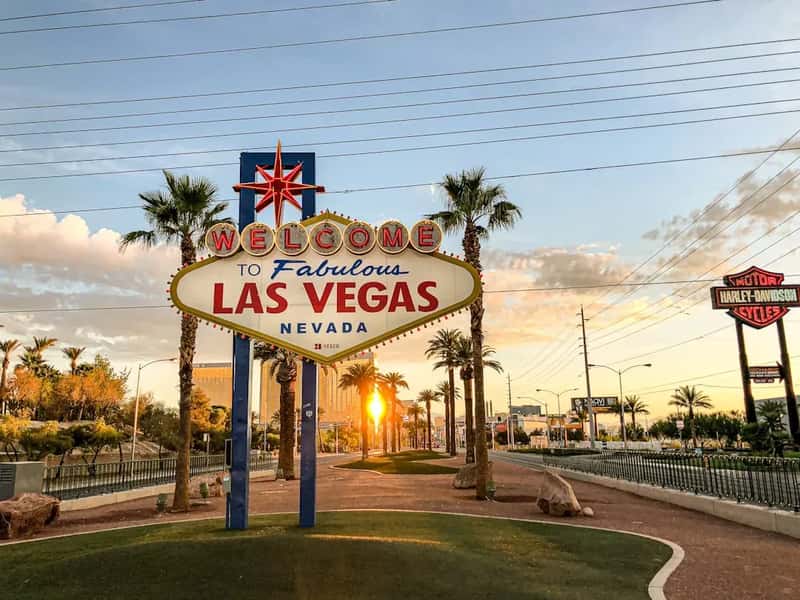
The data paints a sobering picture of a destination in transition. Vegas built its reputation on being the place where anyone could have an amazing time without breaking the bank. That reputation is now seriously damaged. Whether it’s the sticker shock of hotel bills, the frustration of hidden fees, or the simple reality that other destinations offer better value, American tourists are voting with their wallets and choosing to go elsewhere.
Industry officials remain publicly optimistic, pointing to upcoming major events and conventions as reasons for hope in 2026. Time will tell if Vegas can reinvent itself once again or if the glory days of mass-market tourism are behind it. What do you think – will Las Vegas bounce back, or has it permanently lost its magic for everyday Americans?