Airports run on routine, but underneath the boarding announcements and boarding pass scans, there’s a whole layer of information that never makes it past the employee break room. Some of it is procedural. Some of it is just uncomfortable. Either way, most airport staff, especially those in security roles, are trained to keep certain details close to the vest.
None of this is some grand conspiracy. It is mostly a mix of liability concerns, security protocol, and the plain fact that travelers tend to behave differently once they know how the sausage gets made. Here is what tends to stay unspoken at the checkpoint, the gate, and everywhere in between.
1. Those “random” screenings are often not random at all
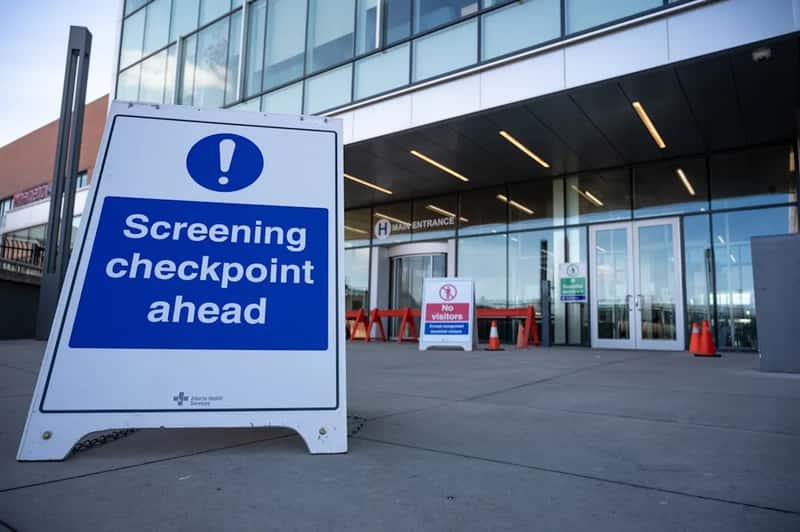
Travelers pulled aside for extra screening are frequently told it’s just the luck of the draw. In reality, certain behaviors and booking patterns raise flags well before anyone reaches the checkpoint. Some of them are genuinely random, but sometimes it’s because you booked a one-way ticket, paid in cash, have some irregularities in your identification, have a boarding pass marked “SSSS” or because you were plain rude in line.[1]
That SSSS marking in particular tends to surprise people who stumble across it for the first time. It stands for Secondary Security Screening Selection, and once it’s printed on a boarding pass, additional screening is essentially guaranteed. Staff rarely explain the trigger on the spot, partly because doing so would make the system easier to game.
2. Screening does not catch everything, and testing has proven it
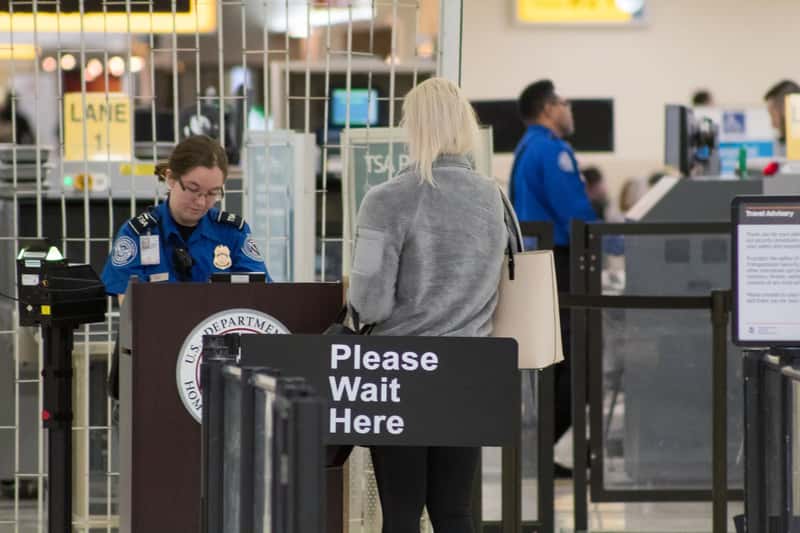
It’s an uncomfortable subject for anyone who works security, but internal testing has repeatedly exposed real gaps. In an experiment done in 2015, undercover agents armed with prohibited items went through screening at some of the country’s busiest airports, and fake weapons and explosives were not identified.[1] The failure rate from that particular round of testing was strikingly high, with the vast majority of banned items slipping through checkpoints undetected.
Staff are not eager to advertise this, and understandably so. It would undermine public confidence in a system that, despite its flaws, still catches a great deal of dangerous material through layered defenses, cameras, behavioral checks, and follow-up testing that has tightened procedures since. Still, the 2015 results are a matter of public record and a reminder that no screening system is airtight.
3. A chatty officer might be running a behavioral test, not making small talk
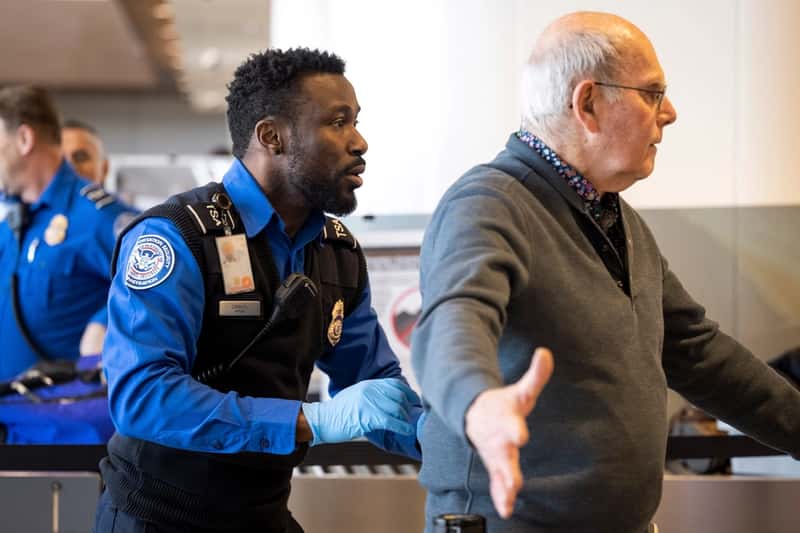
Friendly banter at the checkpoint can feel like a nice break from an otherwise sterile process. It isn’t always what it seems. The next time a TSA agent gets chatty with you, it might not be because she finds you fascinating. Instead, it could be a behavior inspection technique. The pleasant conversation may be a subtle test to see if you are a suspicious character.[2]
This ties into a broader practice used at many major airports. In some airports, there are profilers, specialists that pay attention to the body language, mimics, and behavior patterns of passengers and try to identify potentially dangerous people.[3] Nervous fidgeting, evasive answers, or inconsistent stories during casual conversation can all factor into whether someone gets a second look.
4. Everyday groceries can look alarming on an X-ray screen

Anyone who has ever been stopped over a block of cheese or a vacuum-packed roast probably assumed it was a fluke. It happens more often than travelers realize, because dense organic food genuinely confuses the imaging technology. Screeners have described how a solid mass of cheese reads almost identically to certain explosive materials on the display, leaving no visual difference to rely on for a quick judgment call.
Meat products cause similar confusion, since meats too, all organic products look orange on the display and similar to explosives.[4] That is why a seemingly harmless cooler bag or holiday food package can trigger a bag pull and a longer conversation than anyone anticipated. It’s not personal, it’s just how the machine renders dense, water-heavy food.
5. Confiscated items rarely make their way back to the owner
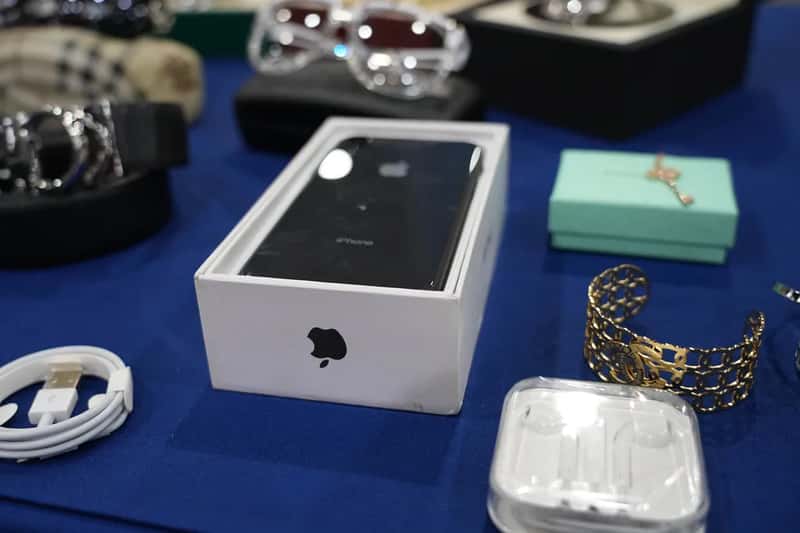
Travelers who lose a bottle of perfume, a pocketknife, or an oversized liquid at the checkpoint often assume there’s a lost-and-found system waiting on the other side. There usually isn’t. If a product is taken from you because it’s banned or over the limit, don’t expect that you’ll get it back. The security personnel decides what to do with it. Some of these products are disposed of, while others are sold at auctions.[5]
Certain states even run public surplus auctions specifically stocked with unclaimed and confiscated airport items, from pocketknives to full sets of golf clubs. Staff generally will not volunteer this information at the checkpoint, mostly because it would only add friction to an already tense moment. Once an item crosses the scanner threshold and gets flagged, ownership essentially transfers on the spot.
6. The job is far more physically brutal than it looks
Standing behind a scanner monitor looks like a low-effort job from the passenger side of the rope. The reality inside the uniform is different. The job may seem easy and sedentary, but TSA workers have the highest rates of job-related injuries among federal employees due to the physical demands of the job, with officers on their feet most of the day and having to routinely carry heavy objects such as luggage.[1]
Beyond the back strain, the risks get more specific than most travelers would guess. Back injuries from lifting heavy luggage are among the most common issues, but they’re far from the only risk, as TSA screeners can also suffer cuts from sharp objects inside bags, as well as bumps, bruises, or even broken bones from shifting or falling luggage.[6] None of that gets mentioned during the routine “please remove your shoes” instructions, but it’s part of daily reality for the people running the line.
7. Officers do not get airline perks, and accepting gifts can end a career
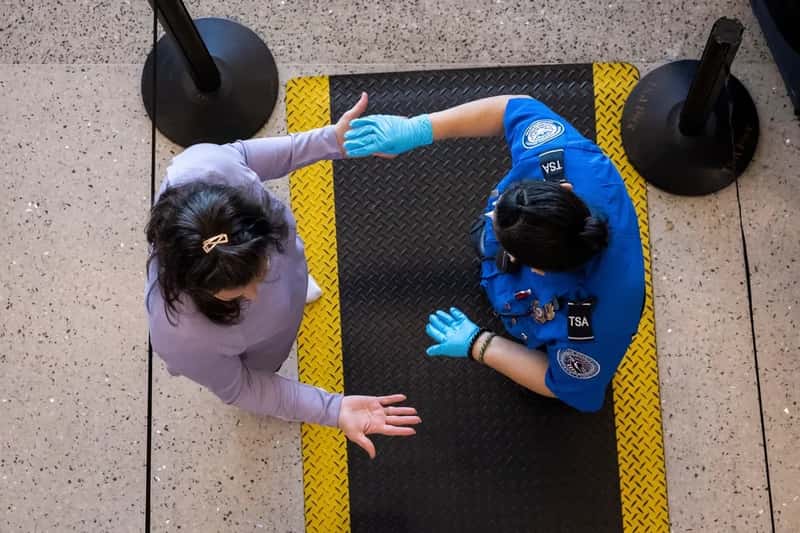
It’s easy to assume everyone in a uniform at the airport enjoys the same travel benefits, but that assumption is wrong for security staff. Unlike flight attendants and other airline employees, TSA agents don’t receive perks like free space-available air travel or the occasional free meal.[7] There is no employee discount on a sandwich, no jump seat privileges, and no complimentary upgrade waiting after a long shift.
The restriction goes further than simply missing out on perks. Accepting any sort of gift could be grounds for termination, unless the agent has a friend or family member who is an airline employee.[7] A passenger offering a thank-you tip or a free coffee is putting that officer in an awkward spot, even if the gesture is entirely well-meant.
8. The scanner operator is quietly making a judgment call about you
Full-body scanners look automated from the passenger’s side, but there’s a human decision baked into every scan. When a passenger enters a full-body scanner, the device operator hits a button to tell the unit whether it’s a he or she.[4] That single input shapes how the machine interprets the scan and flags anomalies, which means a mismatched selection can occasionally trigger an unnecessary pat-down.
Officers are also trained to watch for items that sound almost too strange to be real. In addition to the list of standard prohibited items, TSOs are trained to catch some strange and very specific things, and in 2024 alone, agents seized snakes from a man’s pants, illegal substances hidden inside a pair of crutches, and a firearm inside a boot inside a Lego box.[6] Staff rarely share these details on the floor, since publicizing the exact tricks they’re trained to spot would only make it easier for people to try new ones.
None of these eight points are secret in the sense of being classified information. They simply do not come up in the ordinary rush of a security line or a boarding gate. Knowing them will not make the process faster, but it does make the whole experience a little less mysterious the next time a boarding pass gets marked, a bag gets pulled, or an officer strikes up a suspiciously friendly conversation.