
Checking into a hotel feels simple enough. You hand over a card, take the key, and disappear into a room that smells like fresh linen and promises a few days of someone else handling the details. Behind that smooth handoff, though, sits a set of routines and quiet workarounds that rarely make it into any welcome brochure.
Former housekeepers, front desk agents, and hotel managers have been talking more openly in recent years, on Reddit threads, in interviews, and through short videos that rack up views precisely because the information feels forbidden. None of it amounts to a scandal exactly. It is closer to the ordinary machinery of an industry built on tight margins, tighter schedules, and a public image that has to stay spotless no matter what happens upstairs.
1. Booking direct almost always beats a third-party site
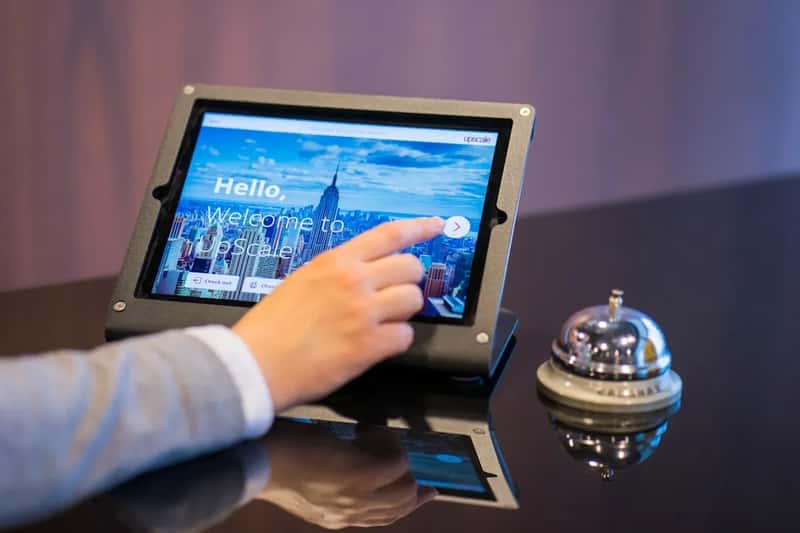
Staff who have worked the front desk for years tend to say the same thing when asked how to get a better deal: skip the travel booking site. If you book directly and not through a third party, hotels can often do a lot for you as far as rates and comps, but if you book through a third party there really isn’t much they can do for you other than give you a room, though they can sometimes match the third-party rate with more perks attached.[1] The reason comes down to commission structures that eat into the room revenue before the hotel even sees a guest.
When a booking comes through an outside platform, the property has already paid a cut just to have that reservation exist. A direct booking skips that fee entirely, which gives staff more room to offer a free upgrade, a late checkout, or a welcome amenity without needing manager approval. It is not a secret hotels advertise, since the platforms that drive most of their traffic would not appreciate it, but insiders describe it as one of the simplest ways to get better treatment.
2. That folded bedspread is not washed nearly as often as you think

The decorative throw or coverlet sitting at the foot of the bed looks like part of the linen set, but it is treated very differently by housekeeping. The sheets tucked under you get laundered after every checkout, but the thick decorative blanket or coverlet folded on top is a different story, with one housekeeper saying she would never use it because it only gets washed maybe twice a year, and it isn’t laziness so much as logistics.[2] Washing a heavy coverlet after every single guest would slow down housekeeping schedules that are already stretched thin.
The workaround former staff recommend is almost embarrassingly easy. Remove the bedspread entirely when you arrive and fold it to the side of the room, then use only the sheets and blankets underneath, which are routinely laundered.[2] It takes about ten seconds and avoids direct contact with fabric that has likely touched a lot more guests than you’d assume.
3. The ice bucket has a second, less pleasant job
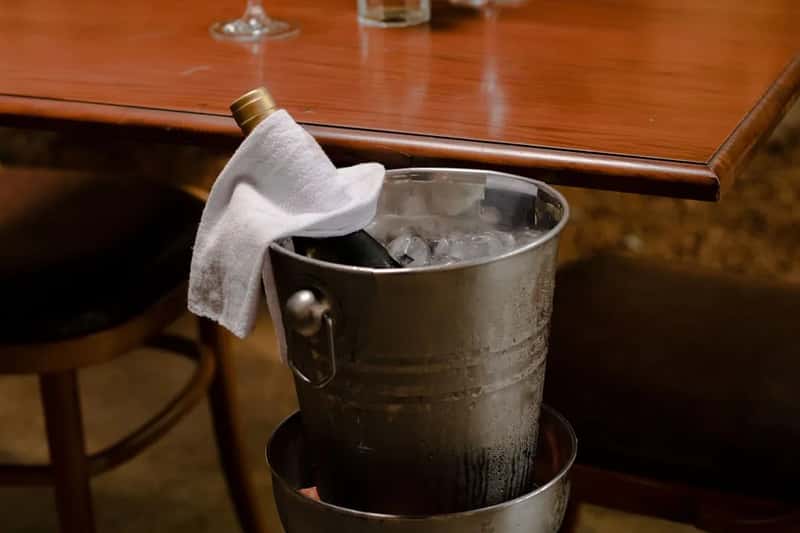
Few guests think twice about the ice bucket sitting on the counter, but former housekeepers describe it as one of the most misused objects in the entire room. Guests worry about the toilet or the bedsheets, but former staff point to the vomit buckets, AKA the ice buckets, saying they shouldn’t be used unless you have a liner, regardless of the calibre of hotel you’re staying at.[3] One former hotel worker put it plainly to Yahoo Canada, describing it as the single most offensive item in the room.
Cleaning protocols vary by property, and not every bucket gets a deep sanitizing pass between stays. The fix former employees suggest is straightforward: bring your own reusable water bottle for ice or ask for a liner at check-in, and skip the bucket for anything else entirely.
4. Lost items eventually become staff property

Guests tend to assume that anything left behind either gets shipped back to them or sits in a box forever. In reality, most hotels run on a set clock. If left unclaimed, items go to lost-and-found for a set amount of time and are later disposed of, and one former employee of a major hotel brand explained to Business Insider that after 90 days, lost-and-found items were made available to hotel staffers to take home.[4]
The scale of what actually gets left behind might be more surprising than the policy itself. A recent survey of more than 400 hotels worldwide revealed the strangest items hotel staffers found after guests checked out, with some lost items reunited with their owner while others were not, and at the top of the list was a Hermes Birkin bag and a watch worth six million dollars.[4] Odder finds have turned up too, everything from kitchen appliances to a pet lizard that was eventually reunited with its owner.
5. Drinking glasses do not always get the cleaning you expect
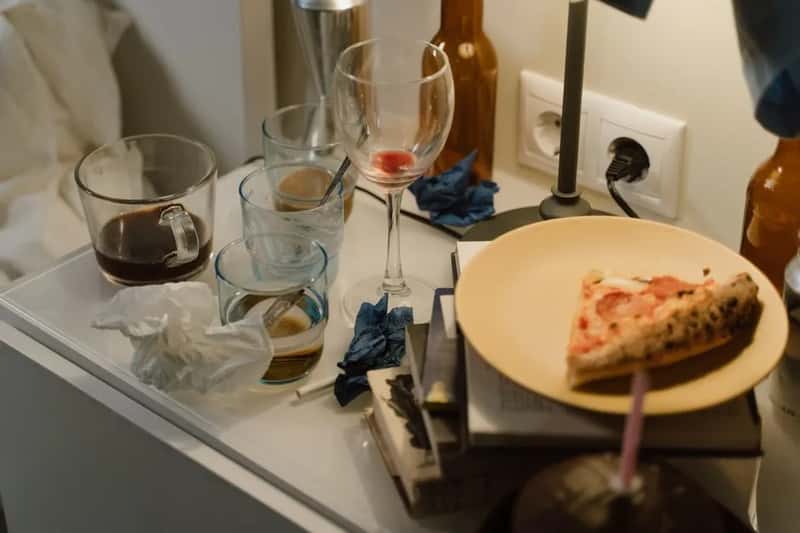
Glassware feels like the last thing a guest should worry about, yet former staff say it is one of the more inconsistent parts of room turnover. Cups are never as clean as you’d want them to be, and in most large hotels, if they look dirty they’re put in the dishwasher, but there’s so much handling afterward and they gather dust on trolleys.[3] The issue is less about hygiene standards and more about how many hands and surfaces a glass touches between the dishwasher and your nightstand.
Housekeeping carts sit in hallways for hours at a time, exposed to dust, foot traffic, and whatever else passes by on a busy floor. The simplest workaround, according to former employees, is rinsing glasses with hot water before use or requesting fresh ones sealed in plastic if the property offers them.
6. Sofas and soft furniture rarely get a real deep clean
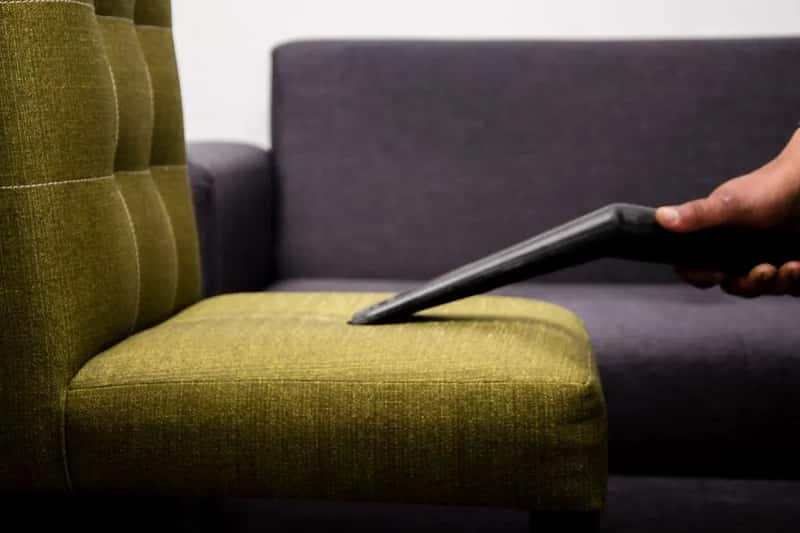
Guests assume the whole room gets the same treatment, but upholstered furniture tends to fall outside the standard turnover routine. Soft furniture fares no better, according to a former housekeeper who worked in UK hotels, who put it plainly, saying the sofas and chairs are never cleaned beyond a vacuum, and someone might have gotten out of the shower naked and sat down on the sofa before you do the same thing.[3]
Deep-cleaning upholstery requires specialized equipment and time that daily housekeeping schedules simply do not allow for. Unless a stain forces the issue, a sofa in a hotel room might go months between anything beyond a quick vacuum, something former staff say guests rarely think to ask about.
7. Mystery inspectors get flagged the moment they check in
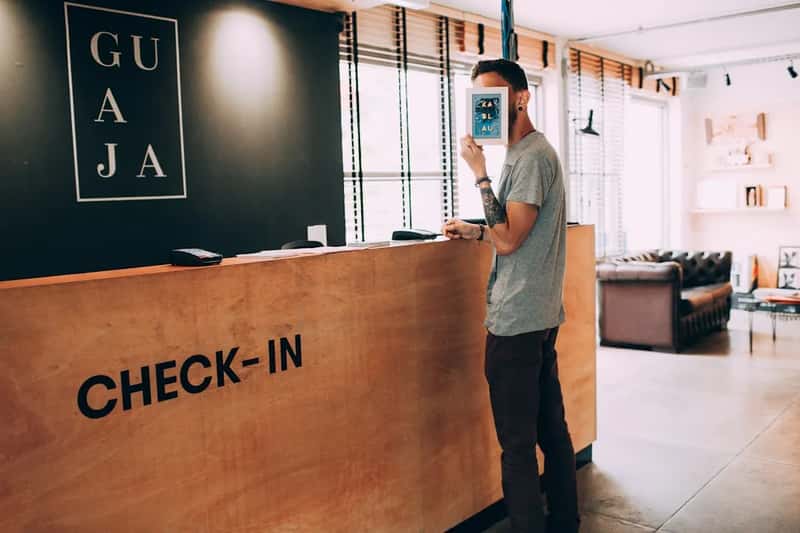
Hotels that rely on brand inspections or third-party quality scores have strong incentives to know exactly who is watching. Former employees describe workplaces where management actively works to identify these visitors before they ever reach the front desk. At one hotel, management figured out and confirmed a particular guest was an inspector, then took security camera stills and printed them out to give to all employees so they would know who she was, meaning a guest dining alone might unknowingly get the five-star treatment.[1]
This kind of quiet flagging is not something any hotel would confirm publicly, since it undercuts the entire premise of an independent inspection. Still, it explains why service at some properties can feel unusually attentive to certain guests without any obvious reason why.
8. Serious incidents are handled quietly and rarely reach other guests
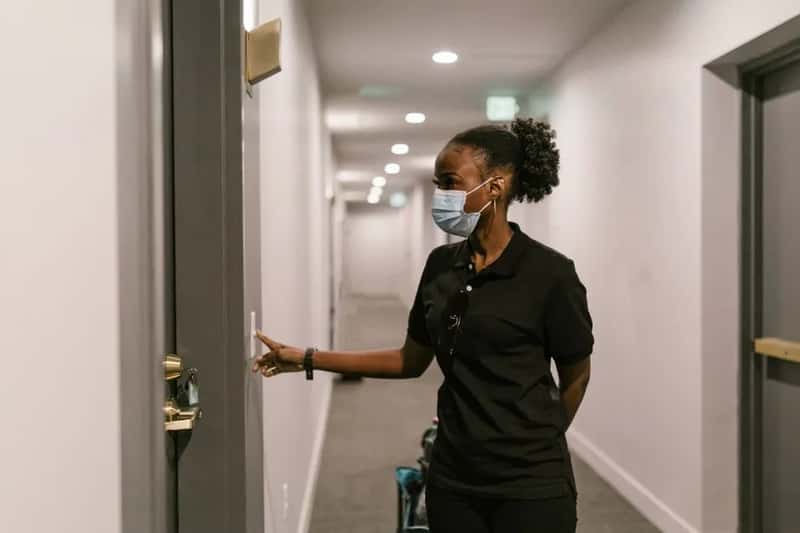
Hotels deal with far more than spilled drinks and noise complaints, and staff are generally trained to keep the more serious situations contained. One former employee described an eviction that involved thousands of dollars in room damage and a police response, all handled without alerting anyone nearby. One hotel had to evict and have arrested a couple for causing over fifteen thousand dollars in damages to a room, done quietly late at night, and the nearby rooms never found out.[1]
This kind of discretion extends to structural problems as well. Staff have described dealing with everything from plumbing failures to major maintenance emergencies during a guest’s stay, often resolving them overnight so that by morning nothing looks out of place. It is less about hiding wrongdoing and more about protecting the sense of calm that guests are paying for in the first place.
None of these eight practices amount to a conspiracy against hotel guests. They reflect an industry running on tight labor budgets, aggressive turnover schedules, and a business model that depends on guests never seeing the seams. Knowing where those seams are, the bedspread, the ice bucket, the booking commission, and the rest, does not ruin a hotel stay so much as it makes the next one a little more informed.