
A crisp white duvet, folded towels, and a faint hint of lavender spray can make almost any hotel room feel spotless within seconds of walking in. That impression, though, is built almost entirely on sight and smell, not on what is actually happening at a microscopic level. Housekeeping teams work fast, often with only a short window per room, and a handful of surfaces tend to get overlooked in ways that most guests never notice until someone starts asking questions.
The remote control and light switch see far more bacteria than the bathroom floor
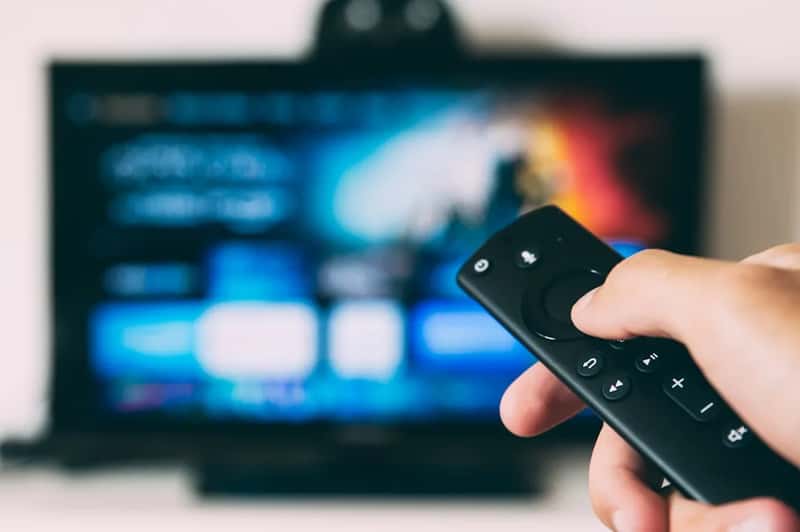
It sounds backwards, but the TV remote is one of the most contaminated objects in a typical hotel room. A widely cited study from the University of Houston tested surfaces across nine rooms in three states and found the remotes racked up a mean of 67.6 colony-forming units of bacteria per cubic centimeter squared[1], a level researchers compared against hospital cleanliness benchmarks. For context, one study of environmental cleanliness in hospitals recommended a top limit of 5 CFU per cubic centimeter squared[1], which puts hotel remotes well outside what would be considered acceptable in a clinical setting.
The light switch fared even worse in that same research. The main light switches in the rooms were worse, with a mean of 112.7 CFU for aerobic bacteria[1], and testing for fecal indicator bacteria told a similarly unflattering story. When it came to fecal bacteria, the main light switch was the most serious surface offender, with 111.1 CFU.[1] The reason is simple. It is the first thing guests touch after using the bathroom or handling food, and it rarely gets wiped down between stays.
Drinking glasses are sometimes rinsed instead of properly washed
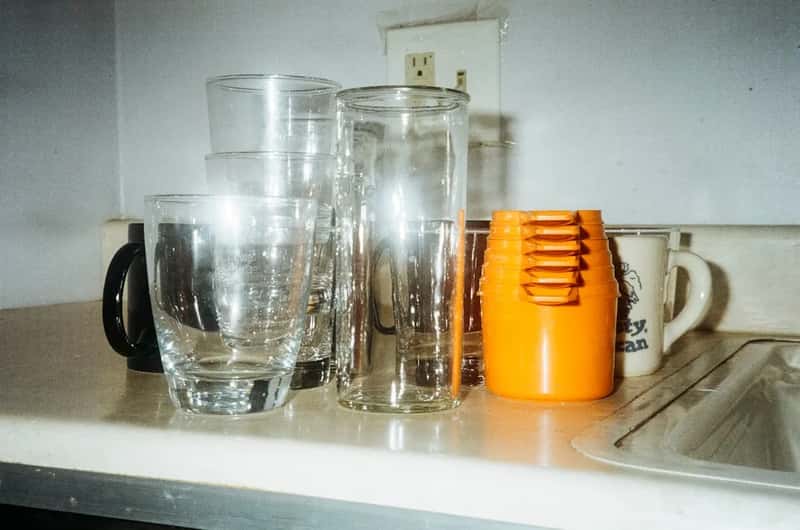
Glassware left on the bathroom tray or minibar looks harmless enough, but several undercover investigations over the years have found that some hotels skip the dishwasher entirely. One ABC News investigation tested glasses at multiple properties and found that instead of replacing dirty glasses, housekeepers rinsed and dried with a rag[2] at one location, with hidden cameras catching the same shortcut on repeat visits. A separate report on that same investigation noted the scale of the problem across the properties tested.
Test results from 11 of the 15 hotels revealed the in-room drinking glasses had not been removed from the room for cleaning, in some cases presenting a clear violation of both hotel policy and applicable state health codes.[3] Some chains responded by switching entirely to sealed disposable cups, while others promised retraining for staff. Still, because practices vary by property and even by shift, a clean looking glass is not always a guarantee that it left the room since the last guest checked out.
The comforter on the bed might not have been washed in a long while
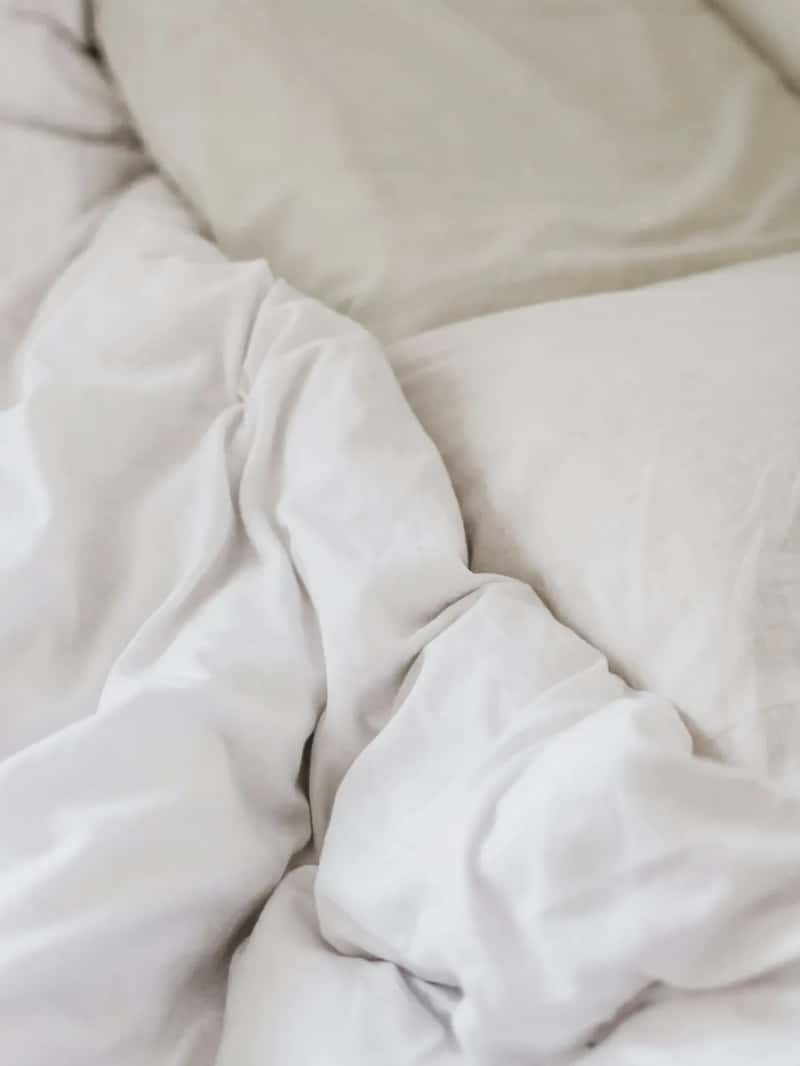
Sheets and pillowcases are almost always laundered between guests, but the thick decorative layer on top follows a different set of rules. Industry reporting suggests that mid-range hotels may wash comforters less frequently, once a week, or between every few guests, instead of cleaning the entire comforter[4]. Budget properties can stretch that timeline even further.
Budget Hotels: Comforters may be washed less frequently in budget-friendly hotels once a month or after noticeable spills or stains.[4] Some properties have shifted to duvet covers specifically to solve this problem, since duvet covers can be easily removed and washed between guests, much like sheets[4]. If a room still uses a heavy, quilted bedspread rather than a removable cover, it’s worth folding it back before settling in.
Housekeeping carts can carry germs from one room straight into the next
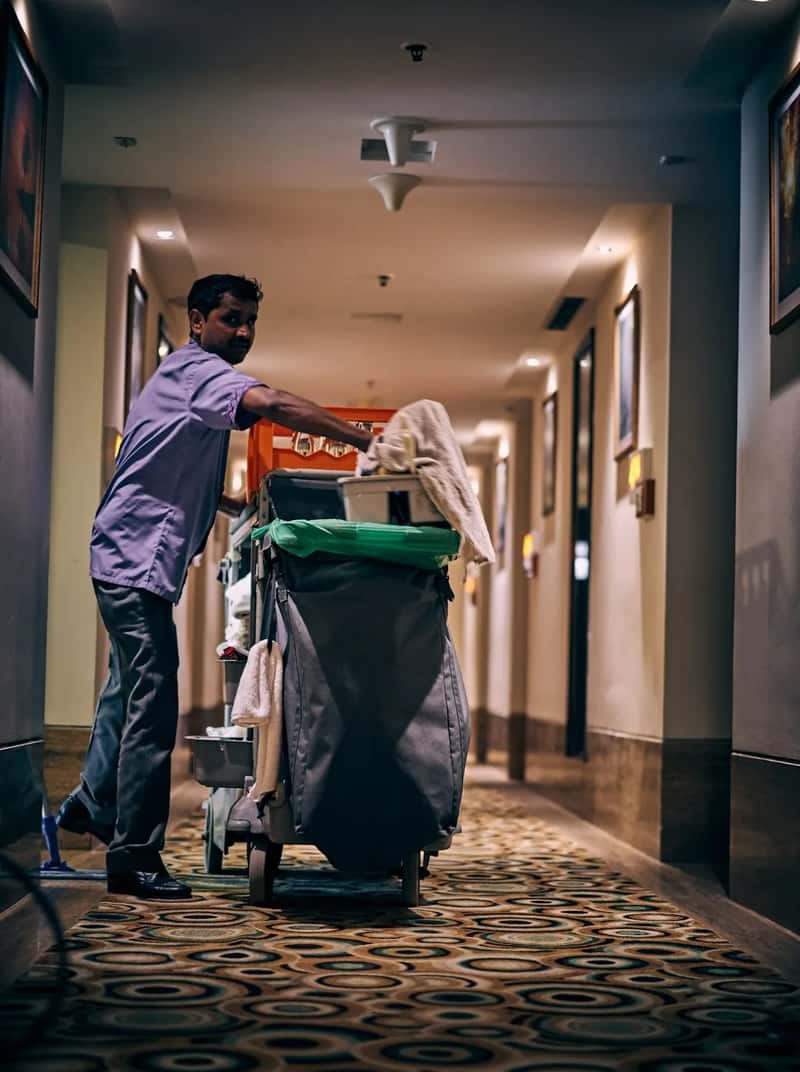
The tools used to clean a room are not automatically clean themselves. In the same University of Houston research, the equipment on housekeeping carts stood out as a genuine concern rather than just an inconvenience. Most concerning, some of highest levels of contamination were found in items from the housekeepers’ carts, including sponges and mops which pose a risk for cross-contamination of rooms.[5]
A separate summary of the findings put actual numbers to that risk. At least 500 CFU of aerobic and fecal bacteria were found on the sponges, posing a risk for cross-contamination between rooms.[6] The researchers noted this is a fixable problem, since cross-contamination could be reduced simply by replacing cleaning liquids and tools more often during a shift.
A strong “clean” scent can be doing more covering up than cleaning
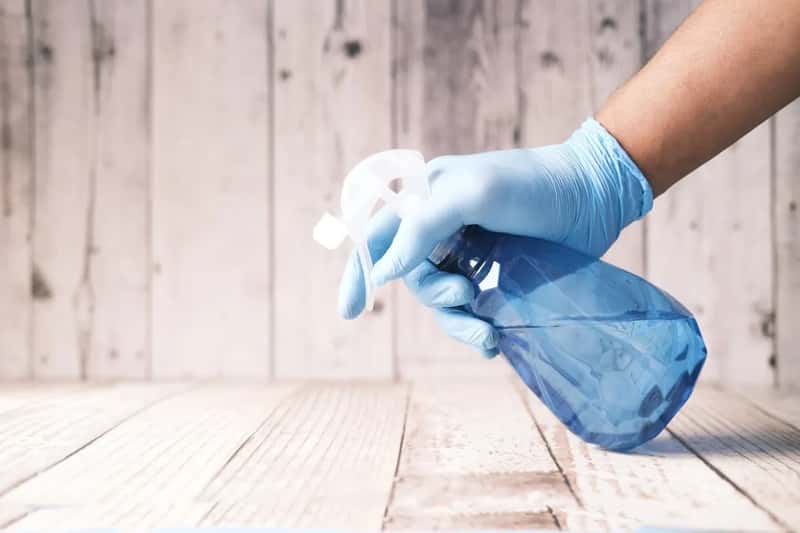
Scented sprays and diffusers are a normal part of hospitality, but they are also an easy way to mask rather than resolve a lingering smell. Investigators looking into unhygienic shortcuts have documented cleaning staff spraying surfaces with disinfectant and immediately moving on, rather than allowing the product to sit and actually work. One report on a hidden camera investigation described a housekeeper using a spray bottle before wiping surfaces down within seconds, which is often too fast for most disinfectants to be effective.
This matters because most sanitizing products need contact time on a surface to kill bacteria, sometimes a minute or longer depending on the formula. A fast wipe followed by a fragrance spray can leave a room smelling fresh while surfaces underneath remain largely untouched. If a room smells noticeably perfumed the moment you walk in, it is not necessarily a bad sign, but it is not proof of deep cleaning either.
Bed bugs can turn up in surprisingly upscale properties, not just budget motels

There is a persistent myth that bed bugs are a problem confined to cheap roadside motels. Recent pest control data tells a different story entirely. Short-term rentals amplify risk: 89% of pest professionals treated bed bugs in upscale hotels and rentals last year, proof that price and décor offer no protection.[7]
The trend has been serious enough to generate real legal consequences. Public records show that bed bug problems in Las Vegas aren’t isolated, dozens of complaints were filed with the Southern Nevada Health District in the months around this outbreak, even upscale properties like the Cosmopolitan, Bellagio, and others had reports of bed bugs in 2024.[8] Checking the mattress seams and headboard for small dark spots takes less than a minute and remains one of the most reliable habits a traveler can build.
Bathroom surfaces that look spotless can still test dirty at the microbial level
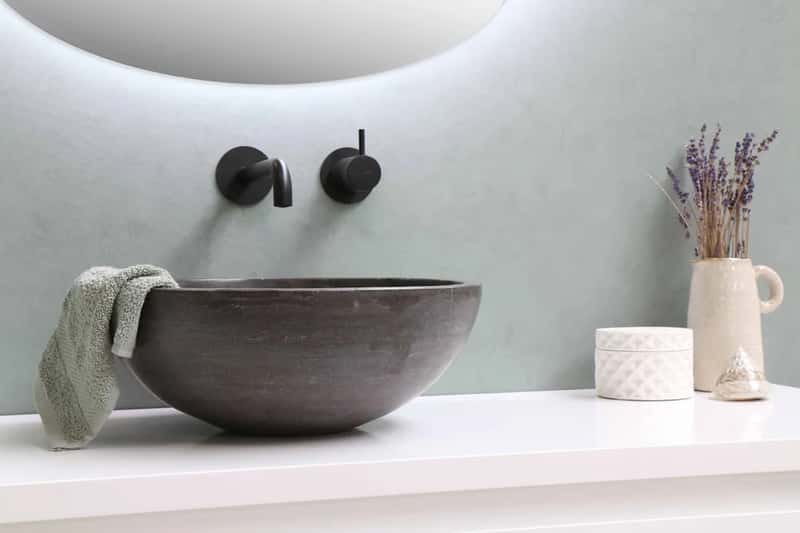
Visual inspection has long been the industry’s default way of judging cleanliness, but researchers studying hotel sanitation have flagged this as a real weakness. The current validation method for hotel room cleanliness is a visual assessment, which has been shown to be ineffective in measuring levels of sanitation, said Katie Kirsch, an undergraduate student at the University of Houston who presented the study.[5] A bathroom sink can shine under the lights and still carry meaningful bacterial load underneath.
The same research team’s data backed this up directly, since sinks were among the highest contaminated surfaces tested. While the toilet and the sink were expected to have high levels of bacteria, researchers also found more surprising items with high contamination levels, such as the remote and the switch on the bedside lamp.[9] Interestingly, some of the fixtures guests worry about least, like door handles, actually tested cleaner. Surfaces with the lowest contamination included the headboard on the bed, curtain rods and the bathroom door handle.[5]
Rushed room turnovers leave less time than most guests assume
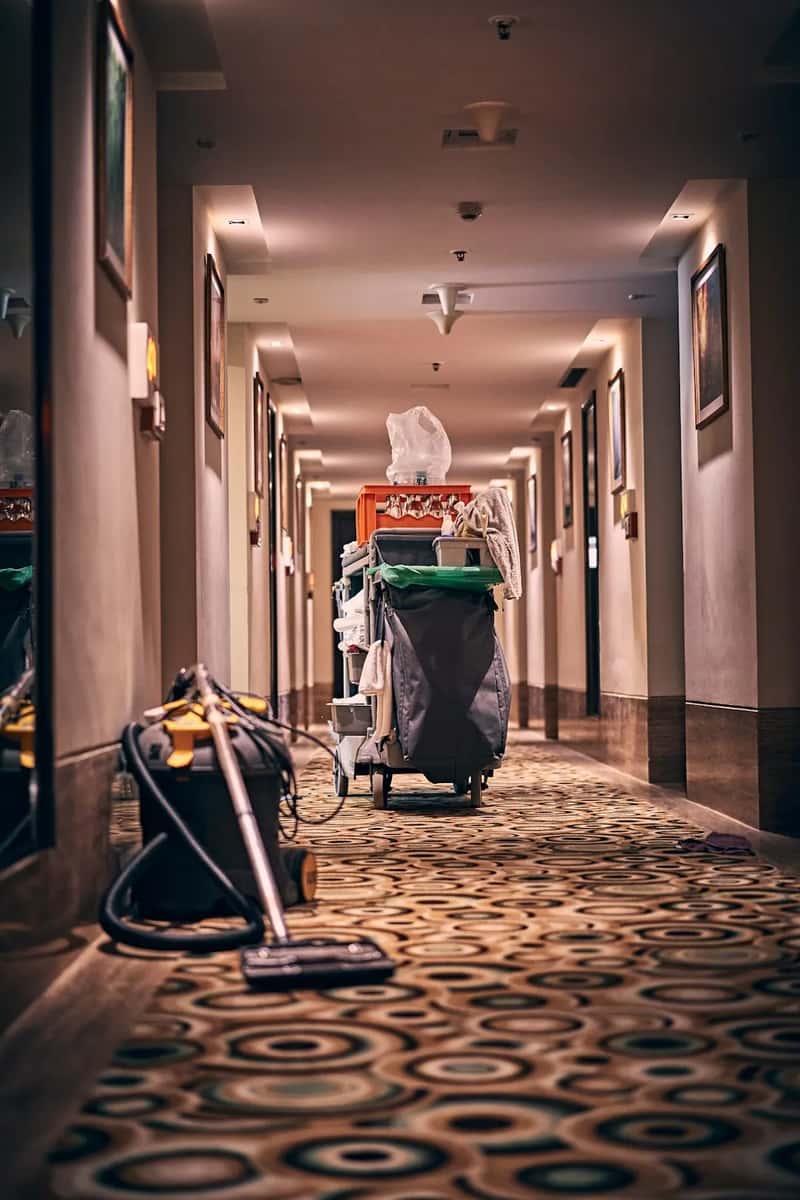
Housekeeping schedules are tighter than they used to be, particularly during peak travel periods when occupancy runs high and staff are stretched across more rooms per shift. One researcher involved in the University of Houston study noted the time pressure directly, pointing out that housekeepers spend roughly half an hour cleaning each room on average. That window has to cover the bed, bathroom, floors, surfaces, and restocking, which leaves little room for anything beyond the basics.
Staffing shortages across the hospitality industry in recent years have only added pressure to that timeline rather than easing it. When a property is fully booked and checkout to check in windows shrink, the parts of a room that take longer to clean properly, like grout lines, upholstered chairs, or the space behind a headboard, are often the first things to get skipped. None of this means a room is unsafe, but it does explain why certain corners consistently get less attention than the areas guests actually look at.
Small habits can offset most of these gaps without much effort. Wiping down the remote and light switches with a sanitizing wipe takes seconds, bringing a personal water bottle avoids the glassware question entirely, and a quick check of the mattress seams covers the bed bug concern in under a minute. None of this requires distrust of hotels in general, just a bit of awareness about where visual cleanliness and actual cleanliness tend to part ways.