Most people walk into an immigration hall expecting the whole encounter to hinge on the little booklet in their hand. In practice, officers say the real friction points are rarely the passport itself. They tend to be small, repeatable habits that travelers don’t think twice about until a routine thirty second interaction suddenly stretches into something longer.
1. Assuming duty-free purchases don’t need to be declared
A surprising number of travelers treat anything bought after security, especially in a duty-free shop, as exempt from declaration. That is simply not how the rule works. Federal rules require declaring everything brought in from abroad, even items bought in a duty-free shop, yet plenty of travelers assume those purchases do not count because they were made in transit.[1]
Officers say this comes up constantly, and it rarely involves anything sinister. Even something as ordinary as a bottle of wine or a box of pastries can trigger a longer conversation if it was not mentioned upfront.[1] The fix costs almost nothing: declaring the item takes seconds, while getting caught not declaring it can eat up much more time and, in some cases, result in a fine.[1]
2. Letting their story drift from what’s on the paperwork
Officers compare what a traveler says against what the documents show, and even small inconsistencies stand out immediately. Documentation consistency matters, since officers compare visa classification, stated purpose, and travel history.[2] A vacationer who mentions a work meeting, or a business traveler who can’t explain a gap in dates, creates a mismatch that wasn’t there on paper.
This is rarely about lying. Plenty of travelers simply misremember a date or phrase their trip purpose loosely, not realizing that officers are comparing every word against the visa type and declaration form in front of them.[3] Carrying supporting paperwork that lines up with the stated reason for travel, such as an invitation letter, conference registration, or corporate ID[2], closes that gap before it opens.
3. Burying the passport at the bottom of a checked bag

It sounds almost too simple to matter, yet officers say it happens on nearly every shift. Officers deal with this scramble constantly, and it slows down every single person waiting behind that one traveler.[4] Watching someone unzip a suitcase mid-line to hunt for their travel documents is one of the most avoidable delays in the entire arrivals process.
The guidance from officers and immigration attorneys alike is consistent. Travelers should have appropriate passports and any other associated travel documents ready when approaching a CBP officer for processing, and should remember to carry these documents rather than pack them.[1] The same applies to visas and approval notices, not just the passport cover itself.
4. Traveling on documents that are damaged, expired, or nearly expired
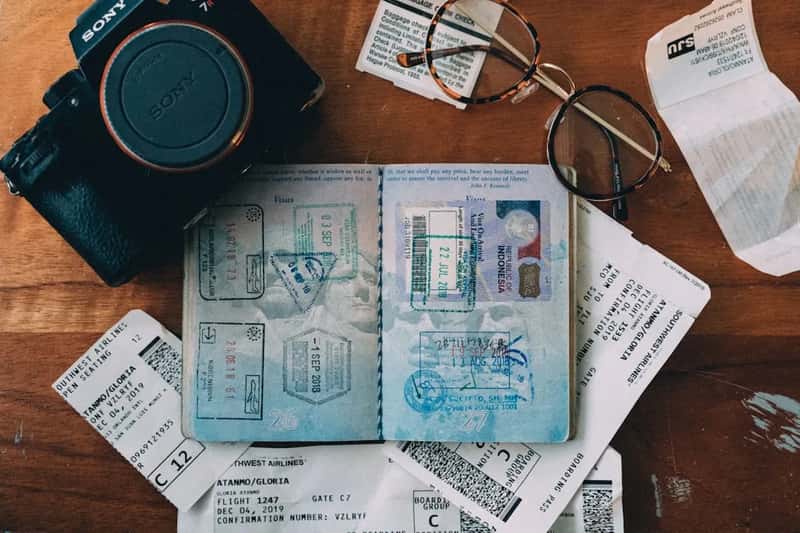
A passport doesn’t need to be missing to cause problems. Even minor physical damage can be enough on its own. A damaged passport is sufficient grounds for a border officer to turn you away[5], regardless of how solid the rest of the itinerary looks.
Expiration dates cause a separate, equally common headache. Attorneys advising travelers in 2025 pointed out that people should renew their passport, visa, or green card before travel if they will expire within six months of the date you plan to re-enter the U.S.[6], since many countries and airlines have minimum validity date requirements.[6] A torn corner or a passport nearing its final months is easy to overlook until an officer notices it first.
5. Refusing to unlock a phone, then being caught off guard
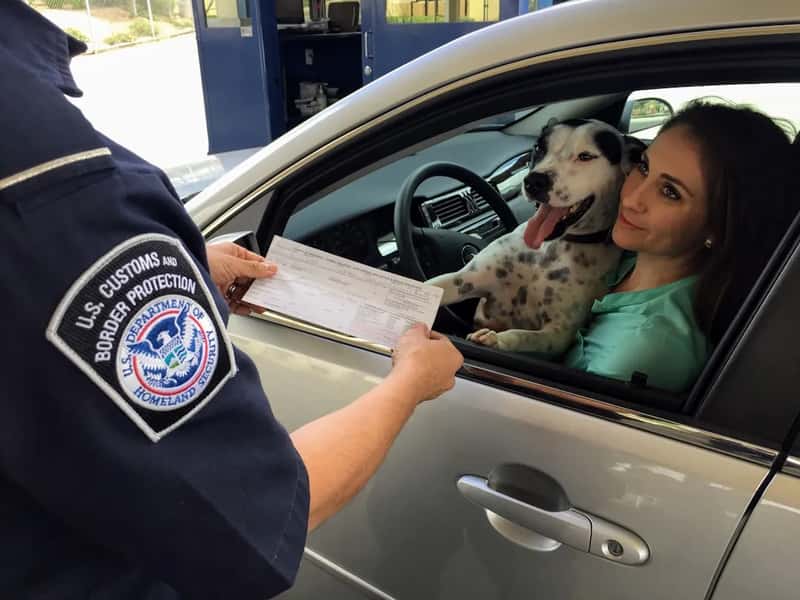
Travelers are often surprised by how much reach officers actually have over electronics at the border. Many assume a locked phone is simply off limits, and that assumption tends to backfire badly in the moment. CBP can inspect travelers’ electronic devices, including cell phones[7], and refusing that request rarely ends the conversation, it just extends it.
This doesn’t mean every traveler faces a device search. It means officers hold discretion that most people underestimate until they’re the one being asked. Knowing that authority exists beforehand tends to prevent the kind of shocked reaction that draws even more scrutiny.
6. Joking around at exactly the wrong moment
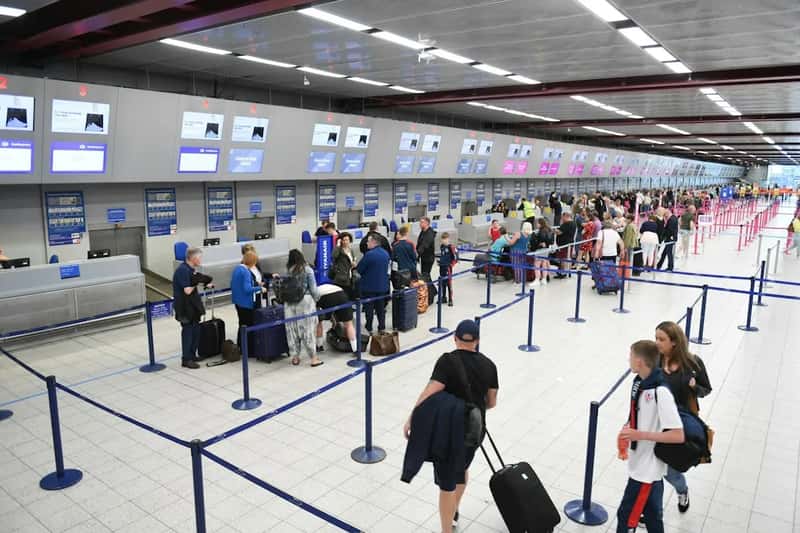
Nervous humor is a normal human reflex, but a security booth is the one place where it consistently lands badly. It sounds like harmless small talk to the traveler saying it, but officers hear some version of the same joke on a near constant basis.[3] Comments about weapons, bombs, or smuggling, even said as an obvious joke, get treated with total seriousness every time.
Officers aren’t being humorless for its own sake. They simply cannot afford to guess which comments are jokes and which aren’t, so every version gets the same flat response. Staying plain and straightforward, even if it feels a little stiff, moves things along far faster than trying to lighten the mood.
7. Not being ready to show ties to home, or funds for the trip

For visitors on tourist or business visas, officers are specifically watching for signs that someone plans to overstay rather than return home. If the officer believes that you intend to stay permanently, you will be considered a potential immigration risk, and you must prove strong ties to your home country, such as a job, property, or family.[8] Travelers who show up without any way to demonstrate that connection put themselves at a disadvantage before a single question is asked.
Financial readiness matters just as much. If you cannot convince the CBP officer that you have enough money to cover your stay and your return ticket, you are at risk, and you must be able to present bank statements or credit cards that demonstrate you can fund your entire trip.[8] A return flight confirmation, a hotel booking, or a simple bank statement can settle the question in seconds rather than inviting a longer interview.
8. Booking connections too tight to survive a delay
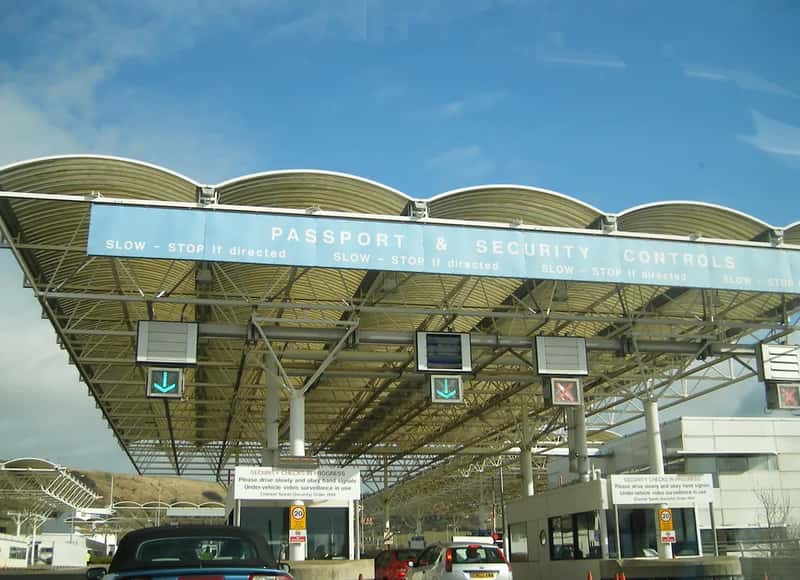
Passport control doesn’t run on a fixed clock, and travelers who build their itinerary around a best-case scenario often pay for it later. Processing times vary by airport, terminal, time of day, and arrival volume.[2] A traveler who assumes the fastest possible line will always show up ends up with almost no cushion if it doesn’t.
This becomes especially risky for anyone connecting onward the same day. International departure times that create tight domestic connection windows are one of the most common causes of missed connections on international itineraries.[2] Since secondary inspection can affect any traveler, as any officer can direct a traveler to a secondary screening area for additional questioning or document review[2], padding a connection by even an extra thirty minutes can be the difference between catching a flight and rebooking one.
None of these eight habits involve wrongdoing. They’re ordinary, understandable slip-ups, the kind that happen when someone is tired, distracted, or simply hasn’t crossed a border in a while. Knowing what officers are actually watching for tends to turn a stressful few minutes into a fairly forgettable one.