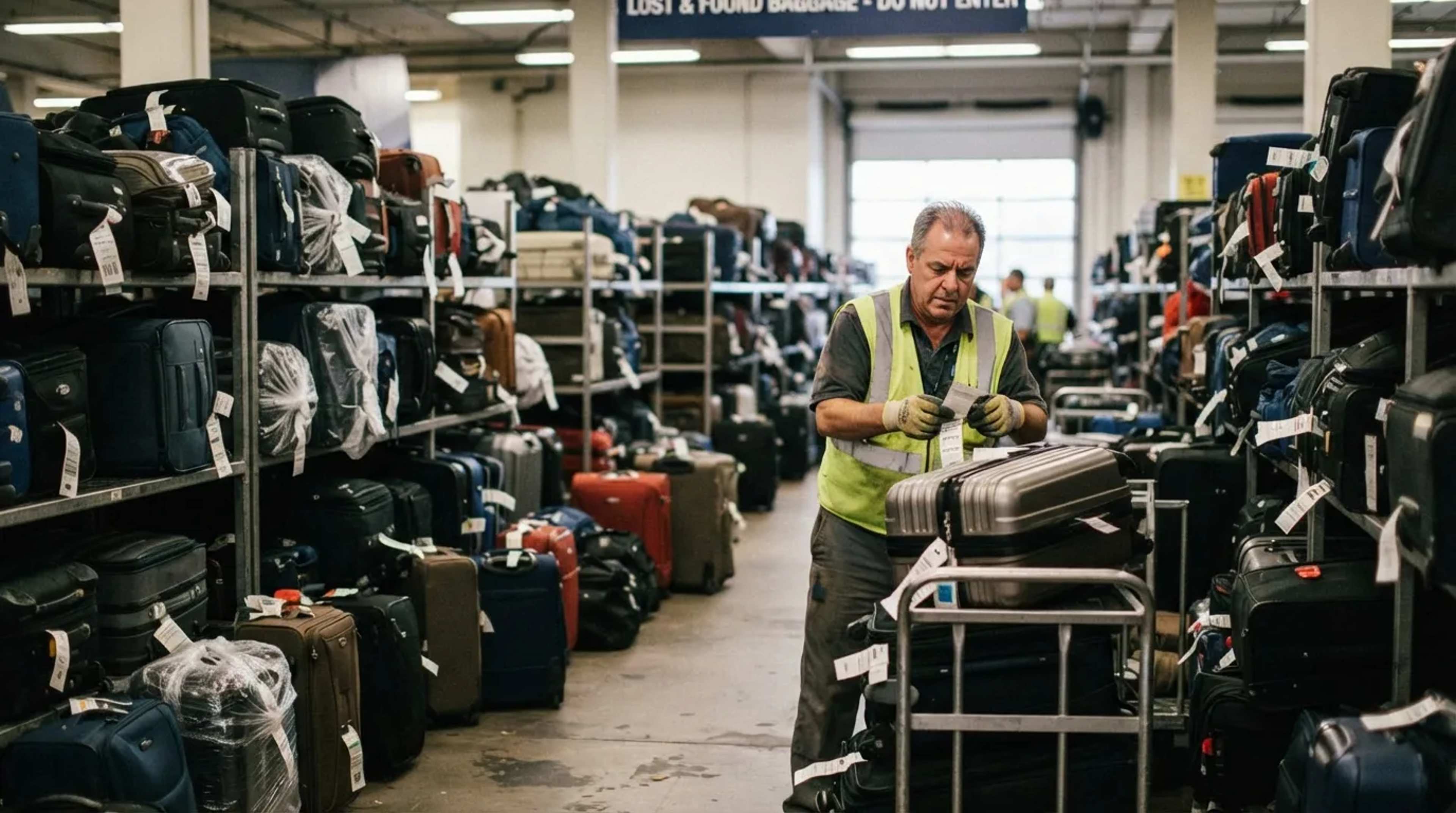
Europe hasn’t closed its doors to visitors, not even close. But the continent has quietly rewritten a lot of its unspoken rules over the last two years, and 2026 is shaping up to be the year those rules stop being unspoken. Cities that once shrugged off bad tourist behavior are now issuing fines, capping numbers, and in some cases telling residents it’s fine to be annoyed out loud.
None of this means Europe has turned unfriendly. It just means the old playbook, the one where you show up, do whatever, and figure it out later, doesn’t really work anymore. Here’s what’s worth leaving behind this year.
1. Skipping Venice’s day-tripper fee
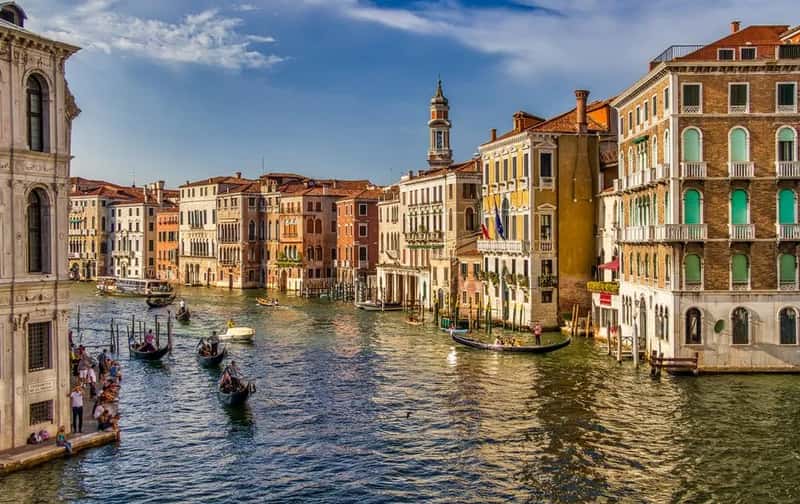
Venice’s access fee is no longer a pilot program tucked away in fine print. It returned for its third year running in 2026, and this time it covers more ground than ever. Officially introduced as a pilot scheme in 2024, renewed in 2025, and now made permanent with adjustments in 2026, the charge applies specifically to same-day visitors rather than anyone staying overnight.
The numbers explain why the city bothered. Venice welcomes nearly 30 million visitors per year, with about 70% being day-trippers who leave the same evening and contribute little to the local economy. The fee itself is modest, set at 5 euros for anyone over 14 who pays before the fourth day prior to arrival, after which the rate rises to 10 euros, and it applies on 60 peak-tourism days between April 3 and July 26, 2026. Overnight guests are exempt since they already pay through their accommodation, but showing up without registering, or without checking the calendar first, is an easy way to get flagged.
2. Booking unlicensed or unregistered short-term rentals

The apartment-share economy that once felt like a clever workaround is now one of the most regulated corners of European travel. In Italy, guests must now register in person, and unlicensed properties face strict penalties, an approach meant to protect housing availability for residents while still allowing tourists authentic stays. Florence has gone further still, having banned self-check-in keyboxes with fines up to €400, and stopped issuing new short-term rental licenses in its UNESCO-listed historic center as of 2026.
Other cities are moving in the same direction, just at different speeds. Amsterdam cut short-term rental nights in central districts from 30 to 15 and banned new hotels unless another one closes, while Barcelona is heading toward a full phase-out, since all 10,000 short-term rental licenses are set to expire in November 2028 with no renewals, a ban the Constitutional Court has upheld. On top of the local rules, EU-wide short-term rental regulations taking effect on May 20, 2026 will give local authorities more tools to enforce compliance, so booking through an unverified listing is a riskier bet than it used to be.
3. Ignoring dress codes away from the beach

Wandering into a café or church in a bikini or swim trunks used to earn a disapproving look at worst. That’s changed in several places. Swimwear is now only allowed in designated beach areas in parts of Italy and Spain, which means the five-minute walk from the shore to get gelato is no longer a gray zone.
Portugal has taken it a step further. Albufeira has introduced fines for inappropriately dressed tourists, joining a wider pattern of coastal towns tightening what’s acceptable in public spaces. Pack a cover-up, keep it in your bag, and use it. It’s a small habit that saves an awkward conversation with local police.
4. Eating, drinking, or sitting on monuments and bridges
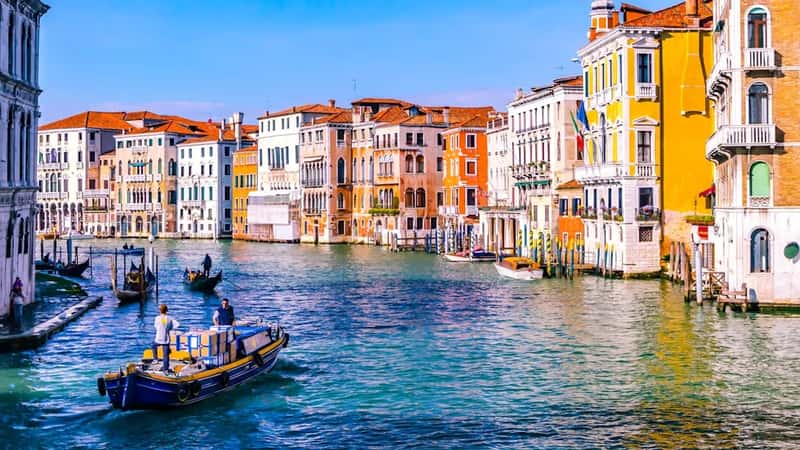
Historic stone doesn’t handle centuries of sandwich crumbs and backpacks well, and Venice has decided to make that explicit. The city updated its conduct rules with fines for eating or drinking while sitting on monuments or bridges, ranging from €100 to €200, and swimming in the canals will cost even more. It’s a rule born less out of pettiness and more out of decades of visible wear on landmarks that were never built to double as picnic benches.
The pattern isn’t limited to one city. In several places, eating or drinking in historic areas is now restricted, and quiet zones near monuments and religious sites are strictly enforced. If a plaza looks like it’s been standing since the Renaissance, it’s probably not the spot for a sit-down lunch.
5. Dragging noisy wheeled suitcases through old town centers
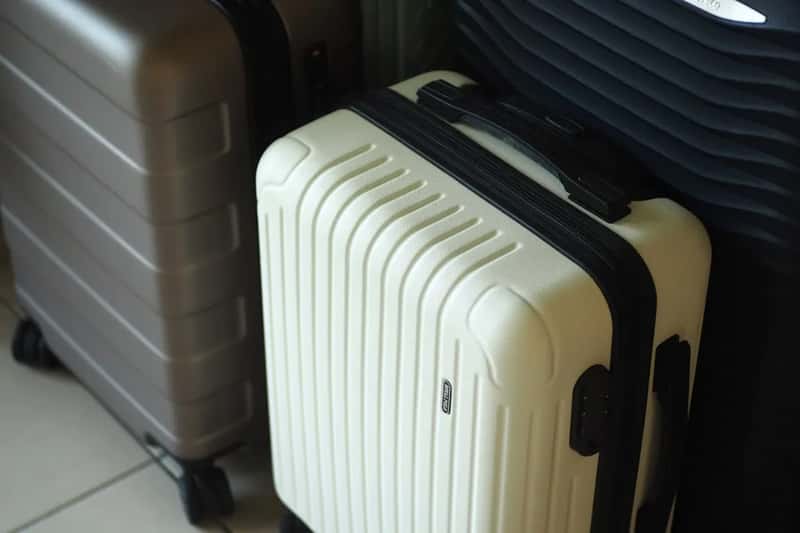
There’s no continent-wide ban on rolling luggage, despite years of viral rumors suggesting otherwise. What is real, though, is a growing set of local ordinances built around noise and preservation. In Rome, for instance, rolling bags down the Spanish Steps can bring a fine of €250 to €400 or more, since the vibration from wheels grinding over centuries-old marble adds up over time.
Portofino takes a similar stance for a different reason. The town bans loitering in congested areas with bulky luggage, with fines reaching up to €500. Beyond the specific laws, plenty of cities simply lean on general noise ordinances, since noise, particularly late at night, is a frequent resident complaint, and rolling hard-wheel luggage over cobblestones in echoing alleyways only makes it worse. If your hotel is close, just carry the bag the last stretch.
6. Cramming every trip into the same ten hotspots
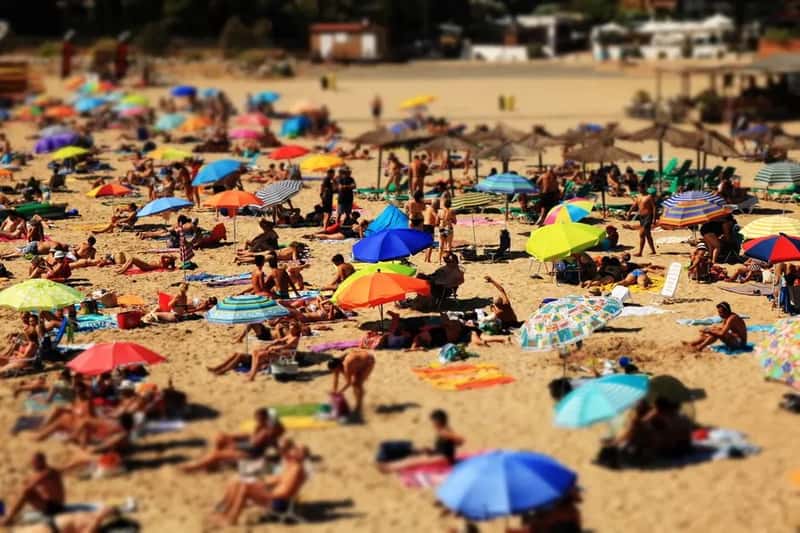
Venice, Barcelona, and Santorini keep showing up on itineraries for good reason, but the concentration has become a real policy concern in Brussels. In March 2026, the European Parliament’s Transport and Tourism Committee approved a resolution treating overtourism as a serious economic and social issue, backed by data showing that 80% of travelers visit just 10% of destinations, even though European tourism supports 12.3 million jobs and 10.5% of GDP.
The proposed fixes lean toward spreading visitors out rather than just managing crowds where they already are. Among the ideas on the table, an integrated ticketing system for cross-border rail, air, and maritime transport would make it easier to reach secondary destinations. Choosing a lesser-known town an hour outside the famous one isn’t just a nicer trip, it’s increasingly the point.
7. Taking sand, shells, or stones as souvenirs

It seems harmless enough, a handful of sand or a pretty pebble tucked into a suitcase pocket. In Sardinia, it’s treated as a real offense. Removing sand or pebbles from Sardinia’s beaches is illegal and can result in fines ranging from €500 to €3,000, a penalty steep enough that customs officers at Italian airports have reportedly caught travelers with jars of beach sand in checked luggage.
The logic isn’t about sentiment, it’s about erosion. Multiply one tourist’s small souvenir by the millions who visit each year, and beaches genuinely start disappearing grain by grain. If you want a keepsake, a photo does the job just as well and costs nothing.
8. Ignoring how locals actually feel about overtourism

Treating a historic neighborhood like a theme park, complete with loud groups spilling out of party boats or late-night bar crawls through residential streets, has consequences that go beyond a dirty look. Palma has already restricted party boats to address noise complaints and free up port infrastructure, and Barcelona’s frustration has become impossible to miss, with residents pointing to a growing number who are convinced that tourism has gone too far in a city of 1.7 million people.
Housing pressure sits at the center of it. Soaring housing costs are at the heart of the protesters’ concerns, with rent prices in Barcelona rising 18% in a single year and 68% over the past decade. None of that means avoiding these cities, but it does mean being aware that the frustration isn’t theater. Disruptive behavior on flights hasn’t been spared either, since France has imposed penalties of up to €20,000 and potential boarding bans lasting up to 4 years for disruptive conduct on flights, a sign that patience for bad behavior in shared spaces is thinning across the board.
None of these eight habits are unusual or malicious on their own. Most tourists doing them have no idea a rule exists, let alone that it comes with a fine attached. But Europe in 2026 is clearly done treating these as gray areas, and the fastest way to have a smooth trip is simply knowing the rules before you land rather than learning them from a police officer or a ticket machine you didn’t expect to need.