The last day of a trip has a rhythm to it. You’re folding shirts, checking under the bed for stray socks, and tossing whatever seems disposable into the hotel trash can on your way out the door. Most of that instinct is harmless, but a surprising number of things people throw away in the final rush actually carry value, risk, or usefulness long after the suitcase is unpacked at home.
Travel security experts, tax professionals, and sustainability researchers have all pointed to a handful of items that routinely get pitched before their usefulness has run out. Some protect your identity. Others save you money or help you win a dispute months later. Here’s what deserves a second look before it lands in the bin.
Your boarding pass
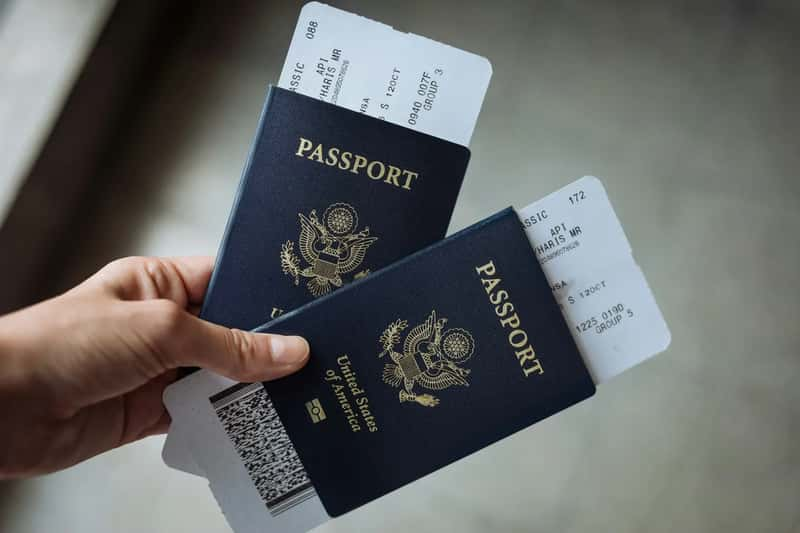
It looks like a piece of scrap paper the moment you step off the plane, which is exactly why so many people leave it tucked into a seatback pocket or drop it in an airport bin. Security researchers warn that this habit is riskier than it appears. The barcode on a boarding pass connects to a digital landscape that identifies you and can expose access to airline rewards programs, passport information, and connecting flight details.[1]
A stolen or scanned barcode can hand a thief far more than your seat number. It doesn’t take much for someone to grab that information with a barcode scanner, which is why travelers should keep passes close and dispose of them through a shredder.[1] Beyond security, the pass has practical uses once you’re home. It can come in handy when an airline loses your checked luggage, since your boarding pass can help staff locate the bag in a pinch even though you should also have a bag tag.[2] It also doubles as proof of travel for insurance claims and mileage disputes, so hang onto it until the trip is fully settled rather than tossing it the moment you land.
Unused hotel toiletries and amenities

Hotel bathrooms get restocked every single day, whether the little bottles from yesterday were opened or not. Multiply that across a global hospitality industry and the waste adds up fast. Hotels distribute roughly 350 million plastic toiletry bottles annually, with the vast majority ending up in landfills.[3]
The fix is almost embarrassingly simple. Shawn Seipler, the entrepreneur behind the hotel soap recycling nonprofit Clean the World, has a blunt suggestion for guests wondering what to do with leftover shampoo, soap, and lotion. “Take them with you,” he said, adding that people can “use them at home or donate them to a homeless shelter.”[4] Those tiny bottles were already paid for as part of the room rate, so bringing them home is not stealing. It is simply using what you were given instead of letting housekeeping toss it.
Travel receipts and confirmation emails
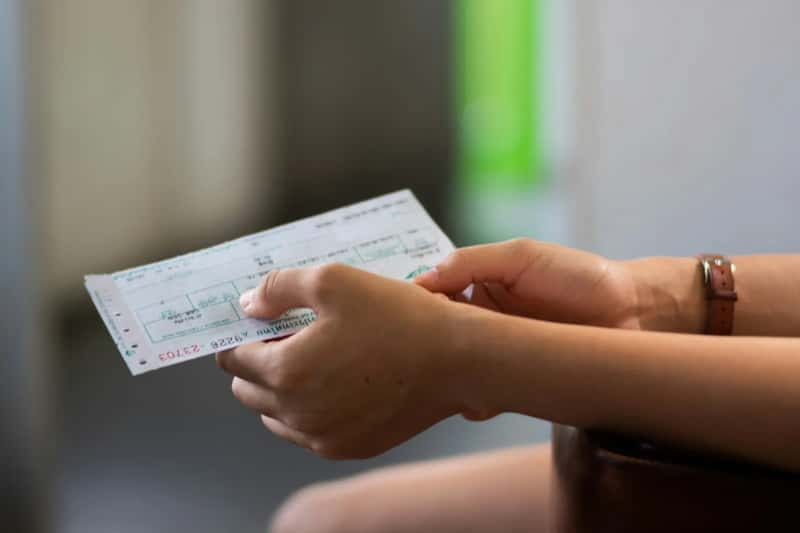
A crumpled receipt from a taxi or a hotel folio feels like clutter on the last day of a trip, but tax and insurance professionals see it differently. Lodging expenses require receipts regardless of cost, and hotels, Airbnb rentals, and other accommodations need detailed documentation showing dates, location, purpose, and amount paid.[5] The same applies to flights and ground transportation.
Insurance disputes are where this habit really pays off. One frequent traveler interviewed by Forbes described a system of photographing every receipt and saving confirmation emails, calling it something that “provided a complete evid”[6] record when a claim needed backing up. A consultant who manages documentation for insurance claims echoed the same logic, noting that “it only takes a few seconds but saves hours later if there’s a dispute or reimbursement delay.”[6] Skip the shredder until you know for certain the trip won’t come up again with your bank, your employer, or your insurer.
Leftover foreign currency and small coins
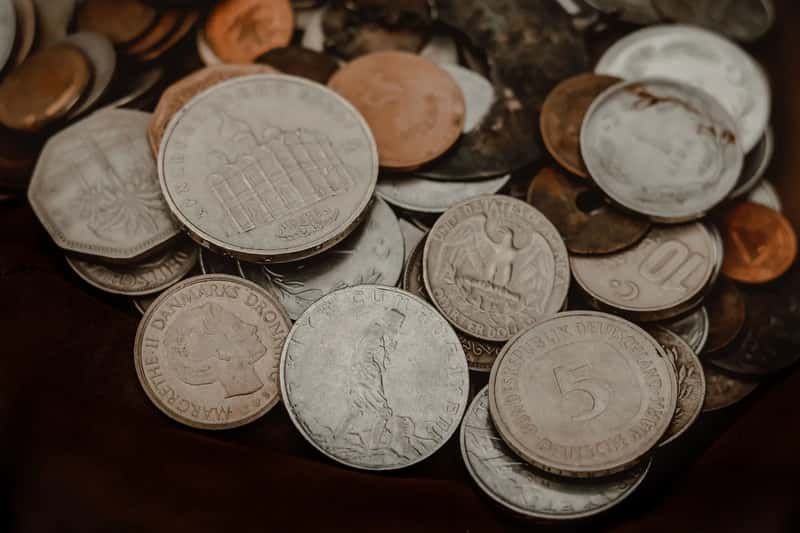
Coins and small bills from a foreign trip tend to end up in a jacket pocket, a junk drawer, or worse, the airport trash on the way to security. That is money, even if it feels like loose change with no home. Banks and currency exchange counters almost always charge a spread on conversions, so trading dollars for euros and then euros back to dollars twice in one trip quietly eats into your budget both times.
Holding onto that leftover cash makes more sense than it seems. If you travel to the same region again, it saves you an exchange fee entirely. If you don’t, many airports and airlines run charity currency donation programs at security checkpoints, which turns forgotten coins into something useful instead of clutter left behind for a stranger to find.
Luggage tags and baggage claim stickers
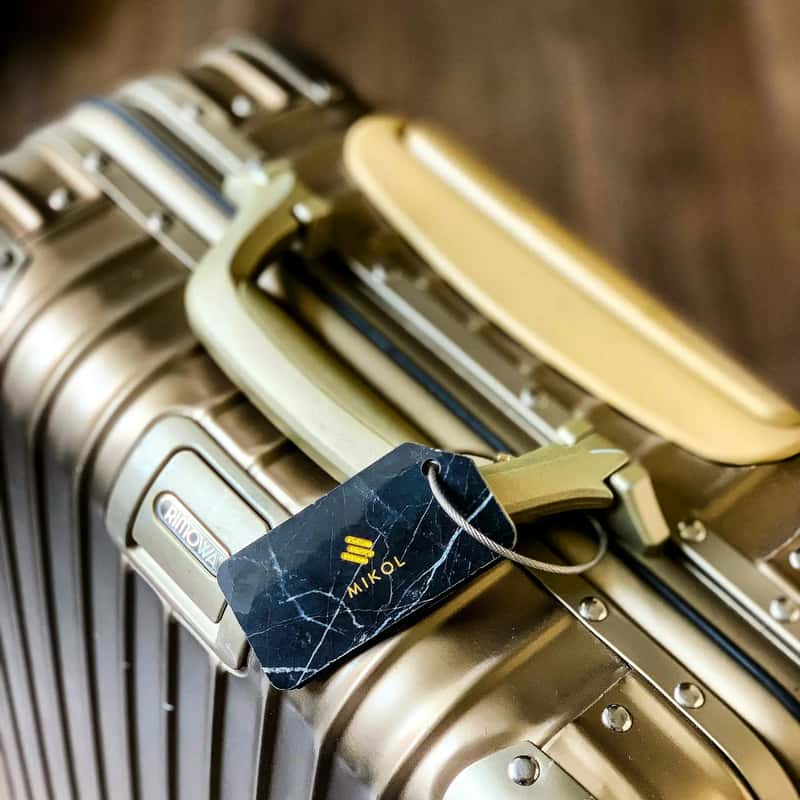
The paper tag stapled to your boarding pass or stuck to your carry on seems like pure clutter the second you’re through baggage claim. It actually serves as a backup identifier if a bag goes missing, gets mishandled, or shows up damaged. A boarding pass can come in handy when an airline loses your checked luggage, and while you should be given a bag tag separately, the pass can also help staff locate lost luggage in a pinch.[2]
Airlines use the claim number printed on that tag to track a bag through their system, and if you need to file a delayed or damaged luggage report, having the original sticker or its number ready speeds up the process considerably. Peeling it off and tossing it before you’ve confirmed every bag arrived intact is one of those small mistakes that only becomes a problem once something actually goes wrong.
Unused or partially used prescription medication

It’s tempting to leave behind half a bottle of motion sickness pills or an unfinished course of antibiotics when you’re trying to lighten your bag for the flight home. Pharmacists generally advise against tossing these in a hotel trash can, partly because of how they get disposed of and partly because you may need that exact medication again before your next refill is due.
Keeping the original labeled bottle also matters for a practical reason. If you travel internationally again soon, customs officials in some countries want to see medication in its original packaging with your name and prescribing doctor listed. A loose handful of pills in a sandwich bag, however well intentioned, does not offer the same peace of mind at a border crossing.
Old hotel key cards
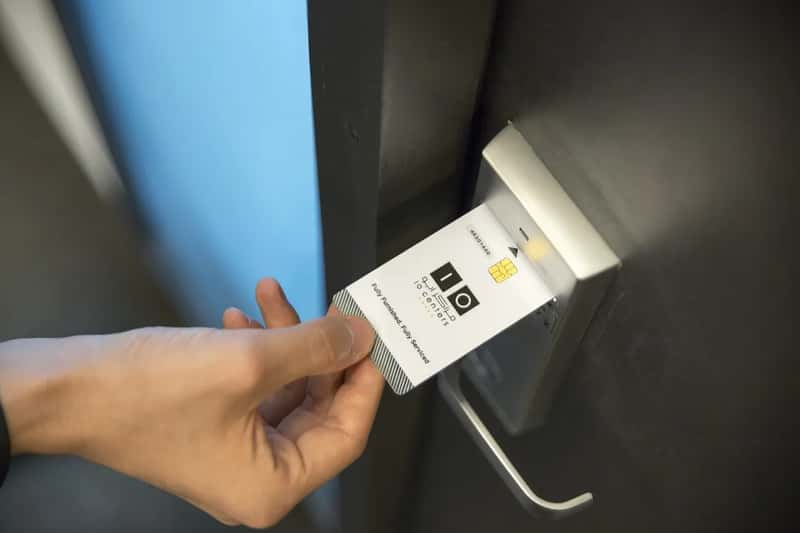
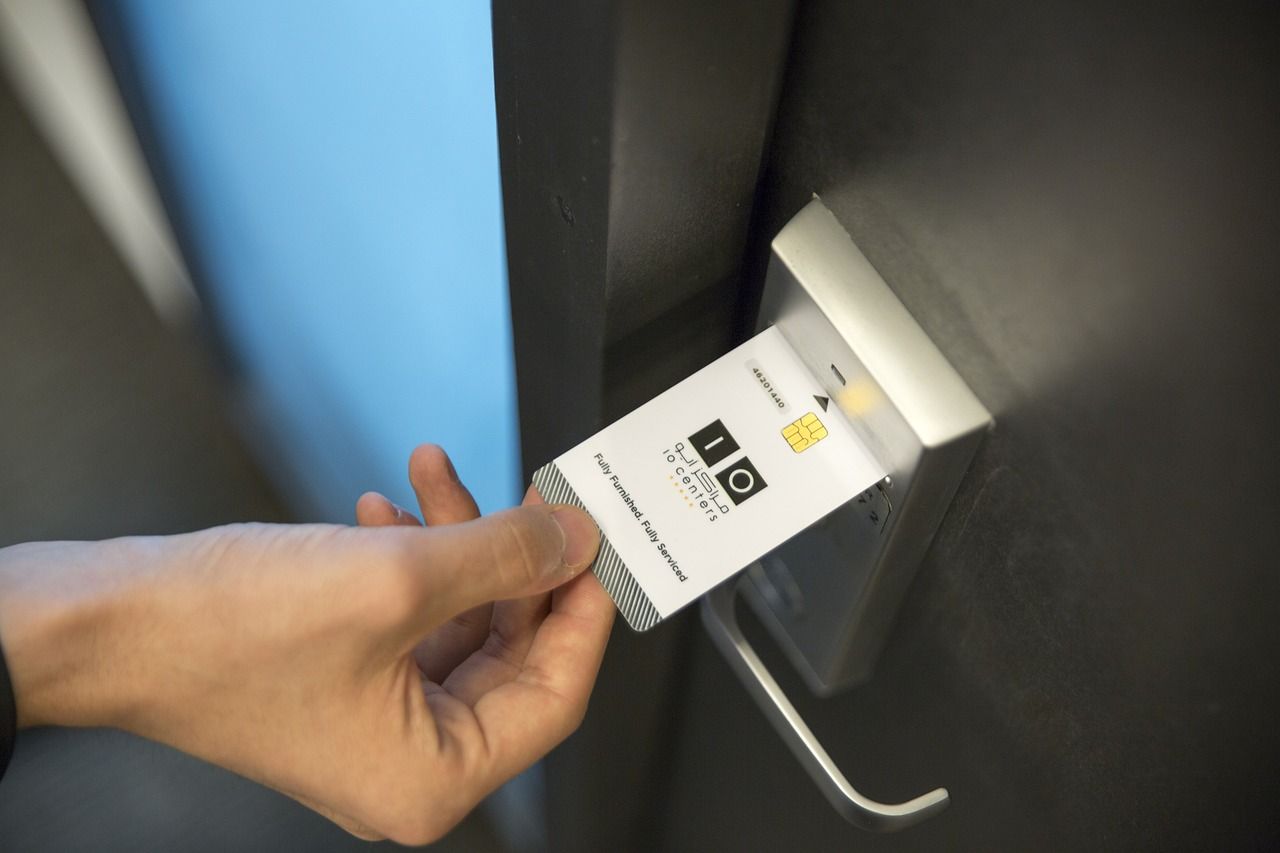
For years, travelers have quietly stockpiled hotel key cards out of fear that returning them hands over personal data to a stranger. Security researchers have largely debunked that fear. Whether hotel card keys store sensitive information is, without a doubt, fiction.[7]
That said, the advice on what to actually do with the card still favors bringing it home rather than leaving it in the room. One cybersecurity researcher put it simply: “Never return your key card to the hotel. Keep it as a keepsake (there is no fee for this) or use a magnet to destroy” it.[7] Security consultants who study hotel safety more broadly also recommend storing the card separately from your phone during the stay and treating it with the same care as any access device, since requesting an RFID card when available and storing it separately reduces risk of misuse.[8]
Extra amenity kit items from your flight

Long haul flights, especially in premium cabins, hand out little kits packed with eye masks, socks, earplugs, lip balm, and sometimes a pen or a small pouch. Plenty of passengers use one or two items and leave the rest tucked in the seat pocket, assuming it belongs to the airline once the flight ends. It doesn’t.
These kits are built into the ticket price and are explicitly designed as one time giveaways, not shared or reused equipment. Airlines don’t collect them back, cabin crews don’t expect them returned, and leaving unused items behind means they’re simply thrown out during the turnaround clean. Slipping the whole kit into your carry on bag costs nothing and wastes nothing, since it was already yours the moment it landed on your tray table.
Most of these habits take an extra ten seconds at most, whether that means folding a receipt into a wallet or dropping a half used soap bar into a side pocket instead of a bin. None of it requires planning ahead or carrying extra luggage. It just means treating the small paper and plastic leftovers of a trip as things with a second life, rather than as clutter that ends the moment you check out.