Every year, millions of bags get pulled aside at the ramp or flagged during screening because of something the owner never thought twice about packing. Most of these items aren’t obscure hazmat curiosities either. They’re everyday things sitting in junk drawers, camping gear closets, and bathroom cabinets across the country.
The rules around checked baggage have also tightened in recent years, particularly around batteries and anything that can catch fire in a cargo hold where no one can immediately respond. Here’s a closer look at eight items that keep showing up in TSA seizure reports, despite being clearly off-limits.
1. Spare lithium-ion batteries and power banks
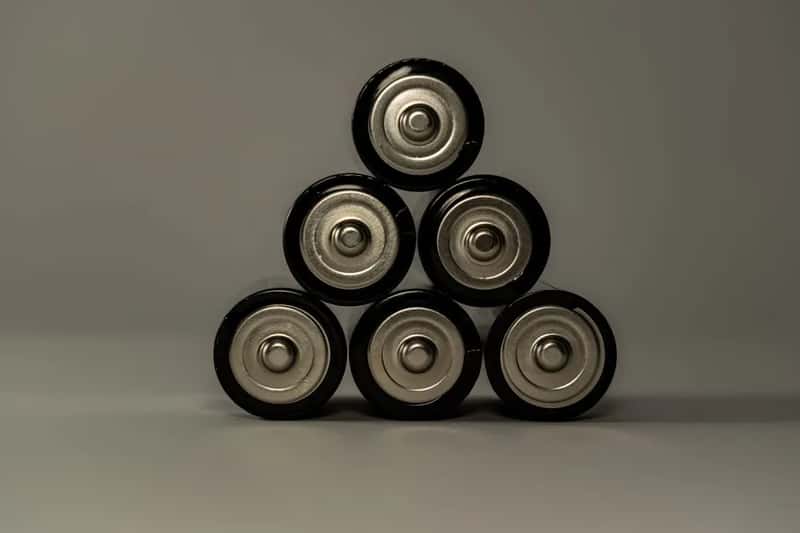
This is probably the single most common violation at checkpoints right now. Portable chargers or power banks containing a lithium ion battery must be packed in carry-on bags, and spare lithium batteries, which include both power banks and phone chargers, are prohibited in checked luggage.[1] The rule applies whether the battery is brand new or has been rattling around a backpack for years.
The reasoning comes down to a failure mode called thermal runaway. The reason lithium-ion batteries are no longer allowed in the cargo hold is because of a process called thermal runaway, which can occur without warning due to damaged, overheating, overcharging, exposure to water or improper storage.[2] Capacity matters too: power banks under 100Wh are allowed without restriction, those between 100 and 160Wh require airline approval and are limited to two per passenger, and anything over 160Wh is prohibited on commercial aircraft entirely.[3]
2. E-cigarettes, vape pens, and other battery-powered smoking devices
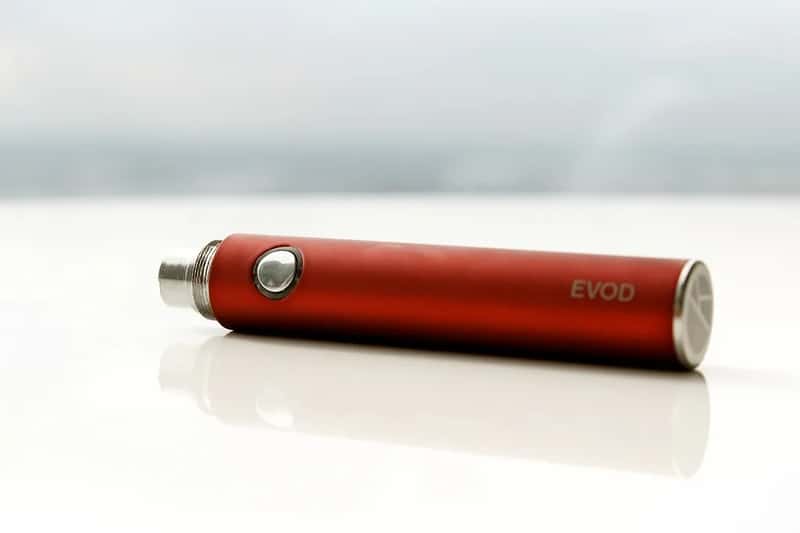
Vapes fall under the same battery logic as power banks, but a lot of travelers still toss them into a checked duffel out of habit, especially when they’re trying to avoid carrying them through the cabin. According to reporting on the FAA’s guidance, e-cigarettes and vape pens are also carry-on only.[2] That means even an empty-looking vape pen with its battery still installed needs to stay in the bag you keep with you.
The concern isn’t really about the device itself so much as the small lithium cell inside it, which behaves the same way any other spare battery does if it’s damaged or short-circuits. Broader summaries of the 2026 rules confirm this pattern extends across the category. Spare lithium batteries, power banks and vapes have to ride in a carry-on and are banned from checked luggage because of fire risk.[4]
3. Fireworks, flares, and novelty explosives

It sounds obvious on paper, but sparklers picked up on a trip, leftover boat flares, or small novelty poppers bought as souvenirs regularly end up in luggage headed for the cargo hold. Current TSA and FAA guidance for 2026 groups these together as an outright ban rather than a restriction. This includes firecrackers, sparklers, novelty explosives, or even tiny poppers.[5]
Unlike some hazardous items that are simply routed to carry-on instead, explosives and pyrotechnics aren’t allowed in either bag. Flammables and explosives are banned outright, covering lighter fluid, fuel, fireworks, flares, and flammable paints, along with torch lighters and strike-anywhere matches.[4] Anything that ignites on its own or produces a flame is treated as a genuine fire risk in an unsupervised cargo hold.
4. Compressed gas cylinders and camping fuel canisters
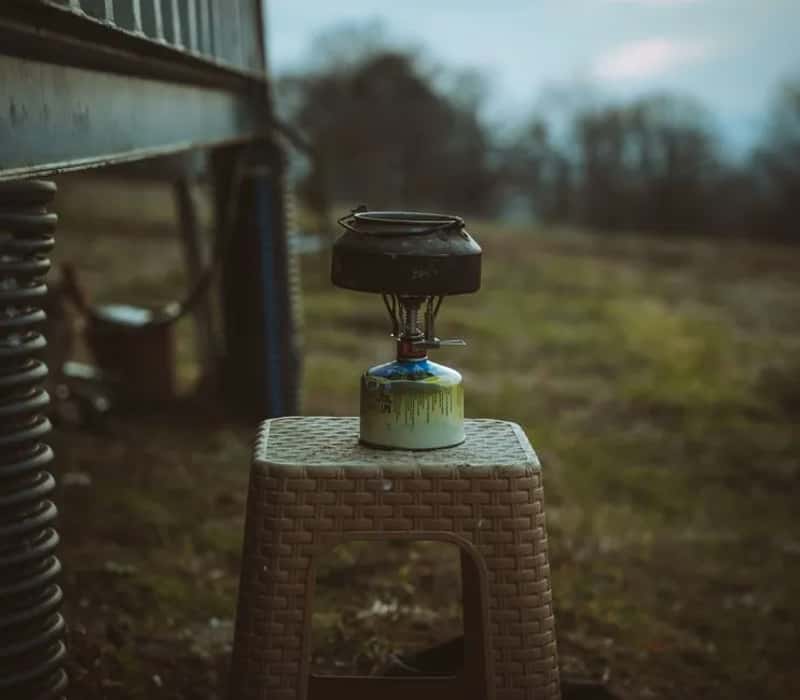
Campers and scuba divers are frequent offenders here, often because the canisters look small and harmless. Propane bottles, CO2 cartridges, and scuba tanks fall into a category that current guidance treats as broadly restricted. Propane tanks, CO2 cartridges, and scuba tanks are among the items not permitted in checked baggage under current regulations.[5]
The issue is pressure combined with flammability or the potential for a sudden rupture at altitude. Even fuel canisters marketed for backpacking stoves generally need to be completely empty and often still require special handling, which most travelers simply don’t bother arranging. It’s usually easier to buy fuel and gas canisters at the destination rather than risk having the bag opened and the item confiscated.
5. Spray paint and other flammable aerosols

Spray paint shows up in checked bags more than you’d expect, usually belonging to someone heading to a project, a mural job, or a hobby event. It’s grouped with other pressurized flammable products that current rules keep out of the cargo hold entirely. Spray paint is listed alongside propane tanks and CO2 cartridges as one of the banned items from checked baggage under current TSA and FAA regulations.[5]
The aerosol propellant itself is often the real hazard, not just the paint. A punctured can under pressure changes in an unpressurized or temperature-fluctuating cargo hold can behave unpredictably. Most personal care aerosols like hairspray or deodorant are fine in small quantities, but anything marketed as an industrial or hobbyist spray paint tends to cross the line.
6. High-proof spirits over 140 proof

Alcohol is generally welcome in checked luggage, which is exactly why the exception trips people up. The cutoff is strictly about proof, not brand or bottle size. One of the prohibited items in checked baggage includes anything over 140 proof, or 70% alcohol, because it’s more flammable.[6]
That threshold catches a surprising number of specialty spirits travelers pick up abroad. Strong liquors above that proof point include options like King of Spirits Gold Absinthe, while standard wine, hard cider, saké, tequila, and vodka typically fall well under the allowed amount.[6] If a bottle’s label reads anywhere close to 140 proof, it’s worth double-checking before it goes anywhere near a suitcase.
7. Strike-anywhere matches and torch lighters

Ordinary book matches are treated differently than the strike-anywhere kind, and that distinction gets lost on plenty of travelers packing for a camping trip or a backyard barbecue destination. Torch lighters, the kind that produce a strong, wind-resistant flame, fall into the same restricted group. Torch lighters and strike-anywhere matches are banned too.[4]
The concern is how easily these ignite compared to standard safety matches, which require a specific striking surface to light. A stray match head catching against something else in a jostled cargo hold is exactly the kind of scenario the rule is designed to prevent. Standard matchbooks in small quantities are typically fine, but anything labeled strike-anywhere needs to stay home or in the trash before the trip.
8. Bear spray and high-concentration pepper spray
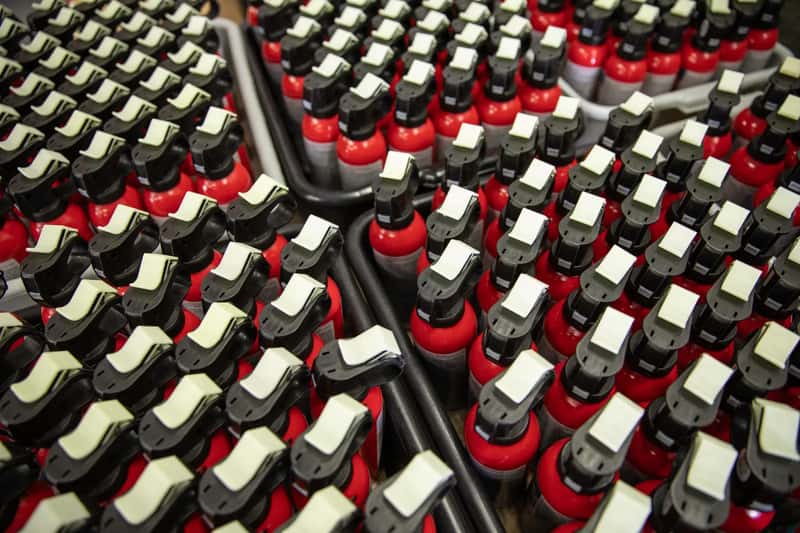
Self-defense sprays sit in a genuinely confusing gray zone, and that confusion is exactly why so many end up confiscated. Standard pepper spray has a narrow allowance. Weapons and sharp objects can go in checked luggage, and that includes firearms in a locked hard case, ammunition, knives, and one 4 oz container of pepper spray with a safety cap.[4]
Bear spray, however, is a different story because of its higher concentration and larger canister size designed for wildlife rather than personal defense. Bear spray is banned outright, grouped with lighter fluid, fuel, fireworks, flares, and flammable paints.[4] Hikers heading toward bear country often assume checked luggage is the safe place for it, when in most cases it isn’t allowed in either bag at all.
None of these categories are secret. Every one of them appears on the TSA’s published guidance, yet checkpoint officers and ramp agents keep finding the same items packed the same way, trip after trip. A few extra minutes spent checking a battery’s watt-hour rating, a bottle’s proof, or a canister’s pressure rating usually saves a far longer delay at the airport later.