

There’s a strange assumption in travel planning that comfort and cost always move in the same direction. Spend more, get more. Yet a look at where currencies, competition, and local hospitality economics actually line up in 2026 tells a different story. In a handful of countries, fifty dollars a day covers not just a bed and a meal, but a pool, a spa treatment, and service that would carry a much bigger price tag back home.
The gap between what counts as “luxury” and what counts as “expensive” has widened in recent years, largely thanks to exchange rates and a growing supply of boutique properties competing for attention. That gap is exactly where these nine destinations sit.
Bali, Indonesia
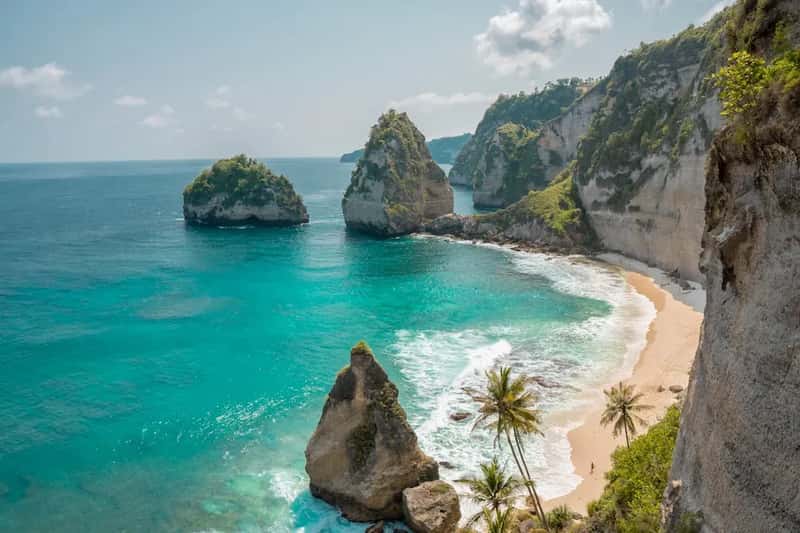
Bali has built its reputation on stretching a dollar further than almost anywhere in Southeast Asia. Bali remains one of the world’s best-value tropical destinations with inexpensive food, luxury-for-less spas, and budget-friendly stays, with an average daily cost of $25 to $50. Travelers heading there for wellness or beach time often report ten-dollar massages and five-dollar meals as the norm rather than the exception.
Five-star properties run between $50 and $150 per night depending on the season and location, and Ubud, in the island’s interior, has jungle resorts with infinity pools, spa packages, and private villas that would cost far more in Hawaii. For perspective on just how dramatic the value gap can get, a stay at the five-star Ritz-Carlton Bali often runs around $250 to $300 per night on weekdays, while the Ritz-Carlton Paris averages about $3,400 nightly. Even outside the five-star bracket, a full day of sightseeing rarely breaks the bank.
Vietnam
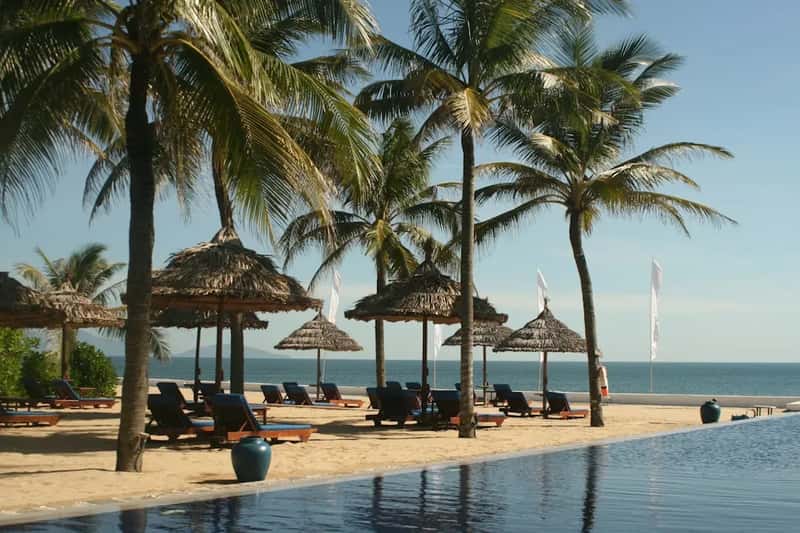
Vietnam has quietly become one of the strongest arguments for budget luxury travel anywhere in the world. It is one of the strongest examples of luxury on a budget right now, with five-star beachfront resorts in destinations like Da Nang and Hoi An often coming in under $150 per night with service levels that rival far more expensive destinations. Across the country, the average price of top luxury hotels sits around $72, with high season prices closer to $135.
Even accommodation on the higher end doesn’t require a big splurge. One well-traveled visitor noted that she’s splurged on a five-star hotel and been blown away by how much $100 a night can get you. In Hoi An, boutique spa culture adds to the appeal, since professional treatments and luxury massages in a 5-star setting can run about $40 for a 90-minute session for two.
Thailand
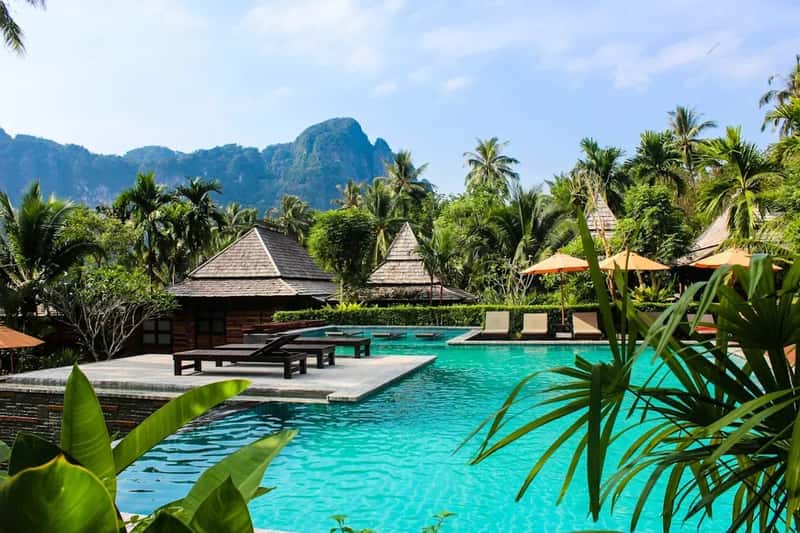
Thailand’s islands offer a rare combination of resort-level polish and low daily overhead. Phuket has the most developed infrastructure with larger resorts and beach clubs, Koh Samui feels more polished and resort-driven with a strong wellness scene, and Krabi stands out for its dramatic limestone cliffs and quieter setting. Whichever island a traveler picks, dining and local transport tend to stay cheap enough to offset the accommodation.
Bangkok tells a similar story on the mainland. Hotel rates there range from around $16 to $32 per night for budget options, $32 to $96 for mid-range, and upwards of $160 for full luxury. As one recent analysis put it, a $50 night in Bangkok can outclass a $300 night in a midrange Manhattan hotel in comfort, service, food, and experience.
Mexico’s Riviera Maya and Yucatán

Mexico’s Caribbean coast has held its budget-luxury reputation for years, and the numbers still back it up. The Riviera Maya keeps appearing on budget-luxury lists because five-star resort stays there start at $175 per night. Cancun in particular leans toward value, since many all-inclusive packages there bring the per-day cost below $200 including food and drinks.
Away from the resort strip, smaller colonial towns push prices even lower. In Pátzcuaro, the four-star Hotel Posada La Basilica, which features rustic, upscale interiors, runs as low as $38 per night for weekday stays. Over in Mérida, couples can take a romantic getaway at the adults-only Casona Las Tres Marías for about $60 per night during the week.
Georgia

Tucked between Europe and Asia, Georgia rewards travelers who haven’t put it on their radar yet. It’s known for its low costs, stunning mountain landscapes, and incredible food scene, delivering prices that are refreshingly cheap compared to most of Europe. Wine tourism is a particular draw, since even the tastings themselves stay inexpensive.
In the capital, budget options are almost startlingly cheap, with accommodations in Tbilisi such as Guest House When in Tbilisi costing about $16 per night, and Tbilisi Downtown Guest House just a few dollars more at $22. Yet the upper end still fits within a $50-a-day frame for a splurge night, since travelers can stay in the city’s five-star Marriott Hotel for under $150 per weeknight. In smaller Kutaisi, the sky-blue Newport Hotel Kutaisi offers well-appointed rooms for around $65 nightly during the week.
Marrakech, Morocco
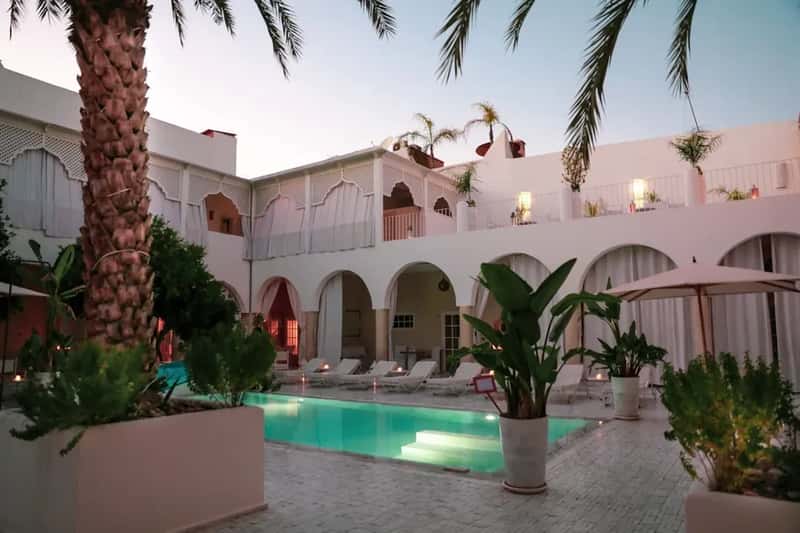
Marrakech has turned traditional architecture into one of the best luxury bargains in North Africa. The city is a premier destination for budget luxury, offering 5-star riad stays and high-end desert experiences at a fraction of European prices. Timing matters here more than in most destinations, since high-end luxury hotel and riad prices can drop by 30% to 60% compared to peak spring and autumn seasons during early November, January, February, and June.
The luxury extends well beyond the room itself. Traditional 5-star hammam and massage experiences can be found for roughly $50 to $78, while private luxury 4×4 day trips to the Ourika Valley or Atlas Mountains start at just $18 per adult. Even a simpler riad stay can feel indulgent, with one traveler reporting a budget option for $46 a night in central Marrakech.
Algarve, Portugal

Portugal’s southern coast has become the go-to European answer for travelers who want Mediterranean polish without Mediterranean prices. In 2026, the Algarve offers a budget luxury profile by providing 5-star amenities in world-renowned coastal settings at prices significantly lower than the French Riviera or Amalfi Coast. The whitewashed cliffs, golf courses, and marina towns give the region a resort feel without the resort markup.
Shoulder season is where the real value shows up. High-end stays are particularly affordable during the shoulder seasons of March through May and October, with 5-star properties often available for $115 to $160 per night. Split across two travelers, that comfortably fits within a fifty-dollar-a-day frame while still delivering pool terraces and full breakfast service.
Cape Town, South Africa

Cape Town has earned a specific distinction that few destinations can claim. It was named the world’s most affordable luxury destination for 2026. Five-star hotel rates there average $199 per night, a gourmet dinner costs around $23, and a full spa treatment runs about $50.
What makes the city stand out isn’t just low prices but what those prices buy. South Africa’s favorable exchange rate and world-class hospitality infrastructure put it at the top of budget-luxury lists, and the hotels are not discount operations but full-service properties with ocean views, private pools, and staff-to-guest ratios that rival anything in Europe. For a single traveler splitting a night at one of these properties with a friend, fifty dollars a day covers a genuinely five-star experience.
Bogotá and Medellín, Colombia

Colombia has spent the last decade rebuilding its image, and the value proposition for travelers has followed. A mid-range budget of $50 to $60 a day is realistic here, and Colombia remains one of the most affordable destinations in South America. The country’s geography adds range to the trip, since it offers a bit of everything, with both a Pacific and Atlantic coast, the Amazon rainforest, and the start of the Andes mountains.
Bogotá in particular tends to be overlooked in favor of beach destinations elsewhere on the continent. South America doesn’t always get the credit it deserves when budget travelers start mapping out their trips, yet Bogotá stands out as an underrated Americas bargain. Boutique hotels in both Bogotá and Medellín now compete on design and service in a way that would command double the price in a European capital.
Fifty dollars a day was never a ceiling for adventure, and in 2026 it’s becoming less of a ceiling for comfort too. What ties these nine places together isn’t just low prices but a mismatch between cost and quality that favors the traveler willing to look past the obvious hotspots. The smart move isn’t chasing the cheapest flight or the biggest hotel brand, but paying attention to where currency, competition, and hospitality culture happen to line up in your favor.