Retirement math has a funny way of changing once you factor in geography. A nest egg that feels tight in a coastal metro can suddenly stretch much further once you cross into a lower cost region. Housing, taxes, and everyday expenses vary so much across the country that the same $500,000 can fund a modest decade in one city or a genuinely comfortable two decades in another.
That gap is not theoretical. Analysts who track retirement affordability point out that a nest egg of $500,000 that might last eight years in San Francisco or New York City could stretch to fifteen or even twenty years in a low-cost city in the South or Midwest. Below are nine real cities where that kind of stretch is backed by actual housing data, tax policy, and cost of living figures from 2025 and 2026.
1. Fort Wayne, Indiana

Fort Wayne keeps showing up on affordability lists for a simple reason: the numbers hold up. Recent housing data shows Fort Wayne’s median sale price is 43% lower than the national average, while overall cost of living in Fort Wayne is 6% lower than the national average. Even more telling, one real estate breakdown put the average home price at $234,437 with a cost-of-living score of 82 versus the national average of 100.
The city also earns praise for how well local incomes align with local prices. A licensed real estate agent quoted by GOBankingRates noted that Fort Wayne “has a diversified economy [and] is one of the few cities where the median house prices remain favorably placed with regard to the median income of the residents.” Indiana’s retiree tax treatment adds another layer of savings, since the state is broadly considered friendly to fixed incomes.
2. McAllen, Texas

Down in the Rio Grande Valley, McAllen offers a rare combination: warm weather, no state income tax, and genuinely low prices. As of March 2026, the median home sales price in McAllen was $240,287, and notably nearly three-quarters of homes sold for less than the asking price. On the tax side, Texas is income tax-free and does not impose an inheritance or estate tax either.
Day-to-day costs back up the housing savings. One cost of living breakdown found that housing costs run 40.1% lower at $719 per month for a single person, food expenses run 11.8% below average, and energy, transportation and healthcare costs are 11.0% lower. Put together, McAllen consistently ranks among the more affordable warm climate options for retirees willing to trade big city amenities for a slower, budget friendly pace.
3. Knoxville, Tennessee

Knoxville pairs Appalachian scenery with a tax structure that leaves more retirement income intact. The city carries housing costs 18% lower than the national average and no state income tax, a combination that matters a lot once Social Security and pension withdrawals enter the picture. Tennessee’s broader tax friendliness toward retirees is one reason the state keeps appearing on affordability rankings.
Beyond the balance sheet, Knoxville has real cultural depth for a mid-sized city. Residents have access to attractions like Zoo Knoxville, the Knoxville Botanical Garden & Arboretum, and the Big Ears Festival, a four-day music event. It is the kind of city where a lower cost of living does not automatically mean fewer things to do.
4. Green Bay, Wisconsin

Green Bay benefits from something many retirement guides overlook: the presence of a strong university and hospital network in a smaller, less expensive city. As one retirement guide put it, the University of Wisconsin brings the benefits of retiring in a college town to the industrial city, including a thriving cultural and arts scene, quality medical care, and a walkable downtown. That mix of infrastructure and affordability is exactly what keeps housing costs manageable while still supporting good healthcare access.
Wisconsin’s Midwest location also means lower baseline living costs across groceries, utilities, and services compared to coastal states. For retirees who want cold winters traded for warm community ties rather than warm weather, Green Bay checks a lot of practical boxes without demanding a big budget.
5. Des Moines, Iowa

Des Moines offers something unusual: genuine big-city amenities inside a small-budget cost structure. As Kiplinger notes, for retirees looking to live in a big city on a small budget, Des Moines is a good choice, and affordability is one reason the Milken Institute ranked the state capital among the 100 large U.S. metro areas for successful aging in 2025. That ranking reflects not just price but healthcare access and quality of life for older residents.
The city backs up its affordability with substance rather than sparseness. Retirees can access a strong economy and plenty of health care facilities specializing in aging-related services, plus numerous museums and arts venues, including an outdoor sculpture park, a zoo and botanical gardens. It is a rare case of a state capital that has managed to stay both lively and reasonably priced.
6. Augusta, Georgia

Augusta has spent recent years actively working to diversify its identity beyond golf season. Kiplinger describes it plainly: with its low living costs and generous tax breaks for seniors, Augusta is ripening into a particularly peachy city. Georgia’s tax treatment of retirement income, combined with the city’s below-average housing costs, makes it a practical option for retirees on a fixed income.
Local revitalization has been deliberate rather than accidental. Reporting notes that revitalization efforts have been pushing especially hard in recent years, looking to expand the area’s appeal beyond the annual Masters golf tournament. For retirees, that means new restaurants, walkable improvements, and community investment layered on top of an already affordable base.
7. Midland, Michigan
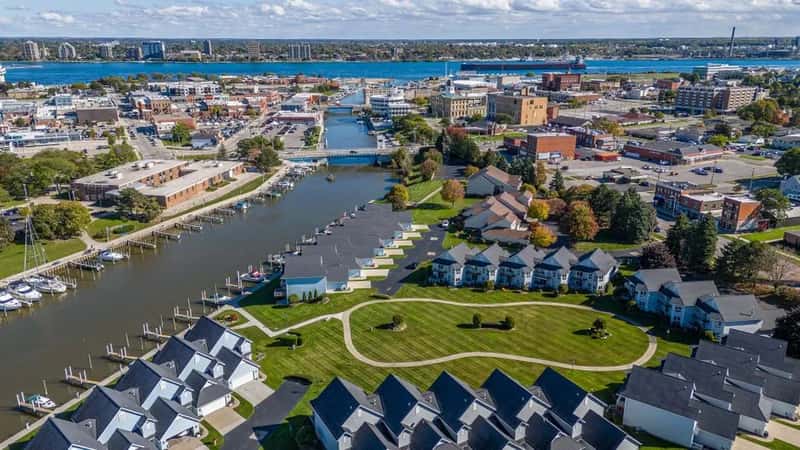
Midland is a smaller Michigan city that punches above its weight in retirement rankings. It was recently named the “Best Place for Retirement 2026” in U.S. News & World Report rankings for its affordability and low taxes. The numbers support that recognition: a median home price of $247,000, roughly 40% below the national median.
Midland’s appeal goes beyond raw price. The city offers an excellent ratio of primary care doctors per capita, an extremely low serious crime rate, good air quality, a favorable retiree tax climate, and relatively low vulnerability to natural hazards. The main tradeoff, as with much of the Great Lakes region, is cold winters, but for retirees prioritizing safety and healthcare access over year-round warmth, that is often an easy compromise.
8. Lexington, Kentucky

Lexington blends college-town energy with genuinely low housing costs. Forbes highlights it as a lush, horsey college town home to the University of Kentucky and Transylvania University, with a population of 333,000 in central Kentucky. The city’s median home price sits at $329,000, about 20% below the national median.
Recent tax changes have made the state even more attractive for retirees settling in. Kentucky’s flat state income tax rate was lowered to 3.5% as of January 1, 2026. Combined with an excellent ratio of primary care physicians per capita, good air quality, and a low serious crime rate, Lexington offers a rare mix of affordability and stability for retirees who want a college town feel without a college town price tag.
9. Memphis, Tennessee

Memphis rounds out this list as one of the more culturally rich yet budget friendly options in the South. The city carries a cost of living 3% lower than the Tennessee average and nearly 5% lower than the national average, making it one of the more affordable larger cities for 2026. Tennessee’s lack of a state income tax reinforces those savings for retirees drawing on Social Security, pensions, or 401(k) withdrawals.
What sets Memphis apart from smaller towns on this list is scale. It remains a genuine city with music history, healthcare systems, and an active downtown, all while staying priced below the national average. For retirees who want urban texture without urban pricing, Memphis offers a middle path that few large cities can match.
Choosing where to retire is ultimately about matching a budget to a life you actually want to live, not just the cheapest zip code available. Housing costs still do most of the heavy lifting in these comparisons, since a lower mortgage or rent payment frees up money for healthcare, travel, and the small pleasures that make retirement worth planning for in the first place. State tax policy toward Social Security, pensions, and retirement account withdrawals adds a second layer of savings that compounds year after year.
None of these nine cities are secret discoveries. They show up repeatedly in cost of living data and retirement rankings because the underlying numbers, from median home prices to healthcare access to state tax rules, consistently support the case for affordability. For retirees weighing a move, the real work is matching these broad savings against personal priorities like climate, proximity to family, and the kind of community that feels like home.