

Something is shifting in the way countries think about tourism. For decades, the goal was simple: attract as many visitors as possible, count the arrivals, celebrate the revenue. Now, governments from Southeast Asia to Scandinavia are asking a harder question: at what point does tourism stop being a benefit and start being a burden?
The answers they’re arriving at are reshaping travel as we know it. New fees, strict visitor caps, crackdowns on short-term rentals, and outright bans in sensitive areas are no longer fringe policies. They’re becoming the new normal. Here are nine countries where the door to mass tourism may be closing sooner than most travelers expect.
1. Japan: Visa Fees That Went from Symbolic to Significant

Japan welcomed a staggering 42.7 million international visitors in 2025, and the pressure on its historic cities and public spaces has become impossible to ignore. The surge has brought challenges such as overcrowded popular destinations, elevated living costs, and strains on public infrastructure in cities like Kyoto and Tokyo.
2. Spain: Where Locals Are Pushing Back Loudest
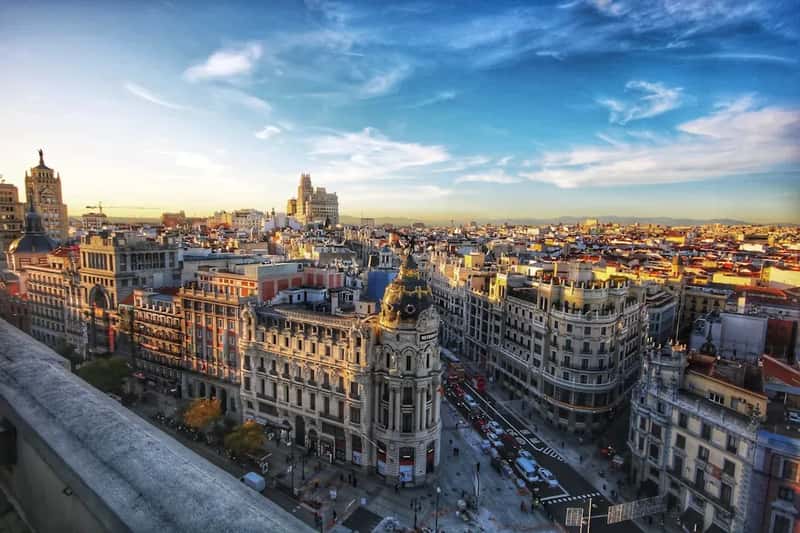
Spain has seen the most vocal anti-tourism movement in recent years. From Barcelona to the Canary Islands, residents have taken to the streets. In Barcelona, the city has announced plans to eliminate all short-term tourist rentals by 2028 to return housing to locals. The frustration runs deep. Barcelona’s 1.6 million residents host approximately 32 million tourists annually.
A YouGov survey across seven European countries revealed significant concerns about overtourism, with Spain emerging as the most strongly affected. Nearly half of residents in Catalonia believe their local area has too many international visitors, and Spain showed the highest level of negative sentiment toward foreign tourists. June 2025 saw coordinated protests in Barcelona, Ibiza, Palma and other Spanish cities where thousands voiced their displeasure at rising costs of rent and low wages.
3. Greece: Capping the Crowds at the Source
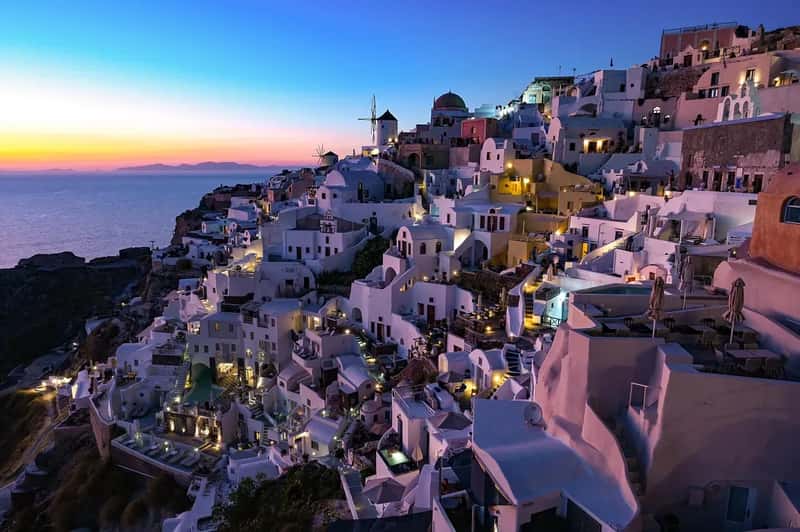
The iconic white-and-blue vistas of Santorini and Mykonos are under serious threat. Greece has announced plans to cap the number of cruise ship passengers allowed to disembark at its most popular islands starting in 2025. The strain on infrastructure in places like Santorini, where narrow cobblestone streets flood with thousands of arrivals every afternoon, has become a genuine crisis.
The picturesque islands of Santorini and Mykonos are buckling under the weight of massive cruise ships. In response, Greece has introduced a 20-euro levy for cruise passengers during peak summer months and established a daily cap of 8,000 visitors for Santorini to prevent the infrastructure from collapsing. Despite overtourism concerns, 2026 is set to be a record year for Greece with tourism revenue potentially reaching €22 billion, creating a complex challenge for policymakers trying to balance economic benefits with environmental and social sustainability.
4. Italy: Venice Goes First, the Rest May Follow
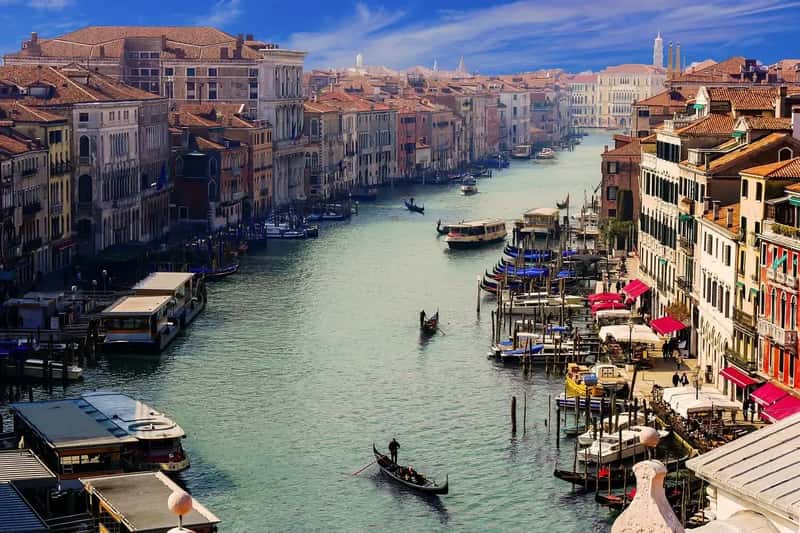
Popular tourist destinations like Barcelona, Mallorca, and Venice are implementing measures to reduce visitor numbers due to the challenges of overtourism. These include discouraging cruise ships, capping hotel rooms, and restricting short-term rentals. Venice has even introduced entry fees on peak days, reflecting growing resistance to the influx of tourists.
5. Indonesia (Bali): A Bhutan Blueprint in the Making
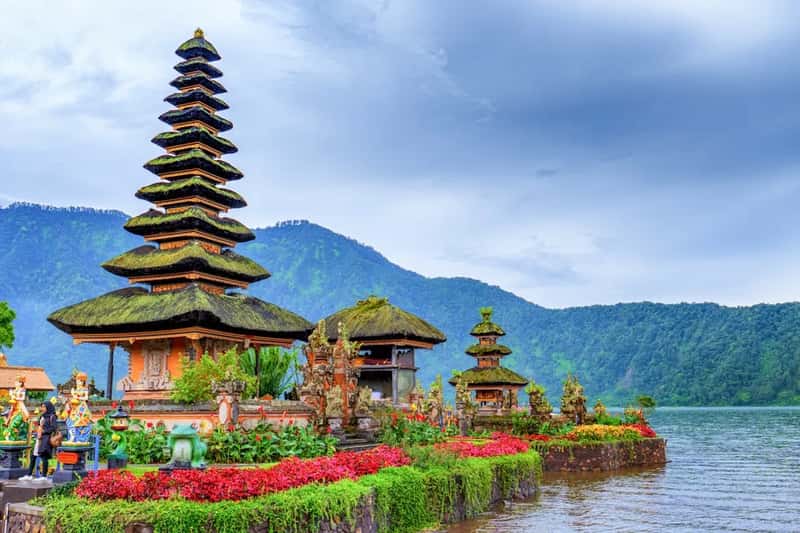
The Bali tourist tax was officially implemented on February 14, 2024, specifically for international visitors. The levy is mandatory for anyone planning a trip to the island, serving as a contribution to preserve the island’s natural beauty and cultural heritage. This payment is separate from the visitor’s visa and must be paid by every international arrival. The fee is IDR 150,000, approximately USD 10, and is levied on all foreign visitors entering Bali.
The current entry fee may be just the beginning. Balinese officials have floated a daily tourist tax similar to the Sustainable Development Fee that Bhutan charges most international visitors. One lawmaker envisioned the island “selecting” tourists just like Bhutan does. Bali’s governor has previously floated the idea of a Bhutan-style approach, saying he ideally would like Bali to be like Bhutan, where tourists are strictly limited to 400,000 per year.
6. France: Managing “Flows” at the World’s Most-Visited Country

France, as the world’s most visited country, has introduced measures focusing on sustainable tourism, better visitor management, and protection of cultural heritage. The approach demonstrates how even tourism-dependent economies are prioritizing long-term sustainability over short-term revenue gains. The Louvre in Paris, one of the world’s most visited museums, is actively exploring daily visitor caps as foot traffic creates safety and conservation concerns.
Paris is already one of the most visited cities on earth, but France is now looking at national strategies to manage visitor flows. This includes a cap on daily visitors to the Louvre and potential restrictions on popular spots in Normandy and the French Riviera that have become dangerously overcrowded. This all ties into a broader shift towards so-called “quality tourism” in Europe, with many countries attempting to move away from mass, budget tourism and instead attract a smaller and more sustainable number of high-spending visitors, often passing inflated operating costs directly to visitors.
7. The Netherlands: Telling Certain Tourists to Stay Away
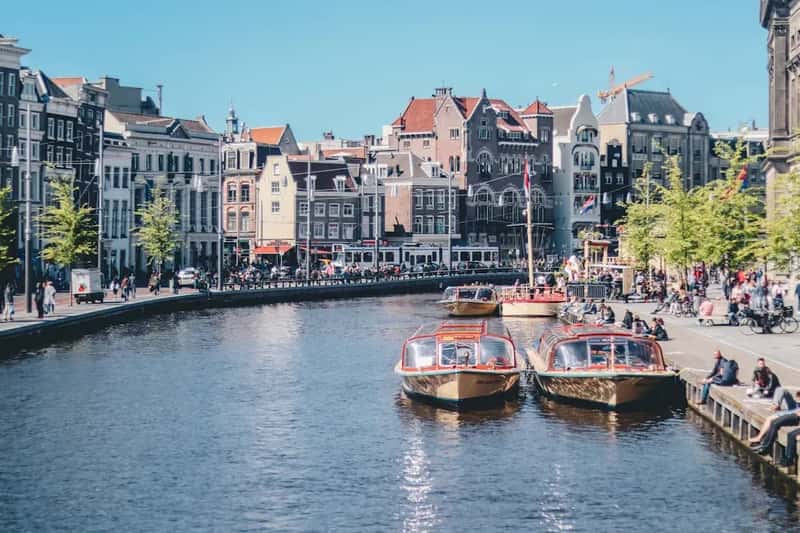
Amsterdam has pioneered a unique approach: actively telling certain tourists to simply stay away. Their “Stay Away” campaign specifically targeted visitors coming for “nuisance tourism,” such as rowdy stag parties. The city has also banned new tourist shops in the center and is limiting the number of river cruises to prioritize the quality of life for its 800,000 residents.
Restrictions on short-term accommodation were announced in Amsterdam and beyond, primarily to combat inflated rent prices for locals living in popular tourist towns and cities. Budapest became the latest to join by introducing restrictions on short-term rentals in its busiest district. What Amsterdam started as a campaign slogan is quietly becoming a legal framework that other European capitals are now copying.
8. Iceland: Taxing Its Way Toward a Tourism Ceiling
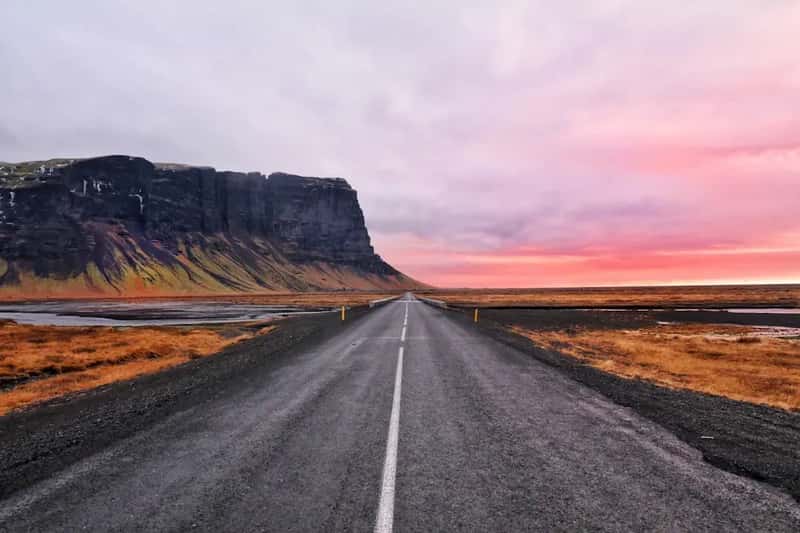
Iceland’s stunning landscapes, including volcanoes, glaciers, and hot springs, have attracted a massive increase in visitors in recent years. However, this surge in tourism has placed serious strain on the country’s infrastructure and fragile ecosystems. The concern isn’t abstract. Certain moss-covered lava fields that took centuries to grow have been irreversibly damaged by foot traffic in just a few seasons.
Iceland’s tourism grew so rapidly that its fragile volcanic landscapes couldn’t keep up. To combat erosion and fund conservation, the country has reinstated a tourism tax. Iceland has also introduced a new per-passenger, per-day fee, with officials anticipating 80 fewer cruise ship visits. The calculation is deliberate: fewer arrivals, higher spend per visitor, less damage overall.
9. Peru: Machu Picchu and the Limits of a Wonder
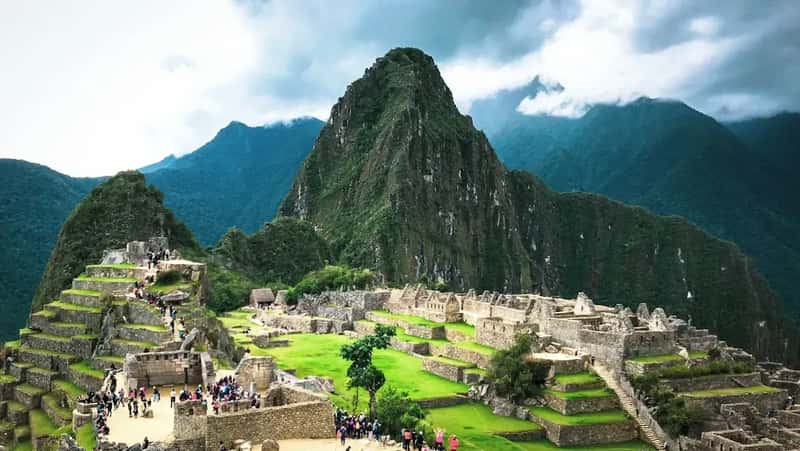
One of the Seven Wonders of the World is literally under pressure from its own popularity. The Peruvian government frequently adjusts the daily visitor cap for Machu Picchu and requires tourists to follow strict, timed circuits to prevent erosion on paths that are centuries old. The site receives millions of visitors each year, and managing their movement has become a near-constant operational challenge for Peruvian authorities.
The Galapagos Islands represent one of the world’s most successful and strict management systems. Ecuador has significantly increased entry fees and strictly regulates where visitors can go. Locals are even restricted from moving to the islands to keep the population and its footprint within sustainable limits. Peru is watching that model closely, and the trajectory for Machu Picchu points in the same direction: tighter access, higher fees, and mandatory reservations that could eventually exclude spontaneous travel altogether.
The pattern across all nine of these countries is consistent. None of them are closing their doors outright, at least not yet. What they are doing is making access more conditional, more expensive, and in some cases more difficult to arrange on short notice. For travelers, the practical implication is straightforward: the window for easy, unplanned visits to many of the world’s most remarkable places is narrowing, and waiting to decide may mean missing it entirely.