Travel has gotten a little more complicated lately. Europe’s new Entry/Exit System is scanning fingerprints at borders, ETIAS keeps slipping past its own launch dates, and Brazil quietly reversed a decade of visa-free goodwill toward American visitors. It’s the kind of year where checking entry requirements before booking a flight isn’t optional anymore, even for destinations that used to feel effortless.
Yet plenty of countries have gone the other direction, keeping their doors open or even extending the welcome mat further than before. Some of these places let you stay for a full year without so much as filling out a form. Here’s where that kind of freedom still exists heading into the rest of 2026.
1. Georgia: A full year without paperwork
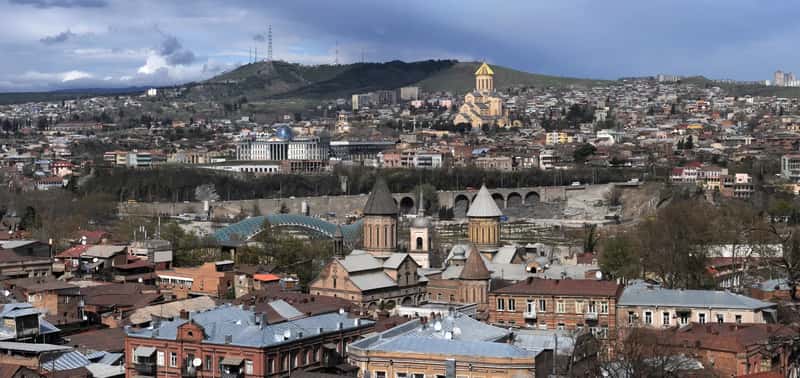
Georgia remains one of the most generous countries on earth when it comes to who gets to walk in without a visa. Citizens of the United States may enter, reside, work or study in Georgia without a visa for up to 365 days.[1] That same courtesy extends well beyond Americans, too. Citizens of the European Union, United Kingdom, Canada, Australia, New Zealand, Japan, South Korea, and Israel can also enter Georgia visa-free for up to one year.[1]
There is one new wrinkle worth knowing before you pack. As of January 1, 2026, all tourists entering Georgia are required to hold a valid health and accident insurance policy with coverage of at least 30,000 GEL (approximately 11,000 USD).[1] Beyond that single requirement, the process at the border stays refreshingly simple, with a passport check standing in for what would elsewhere be weeks of paperwork.
2. Albania: Europe’s most generous entry policy
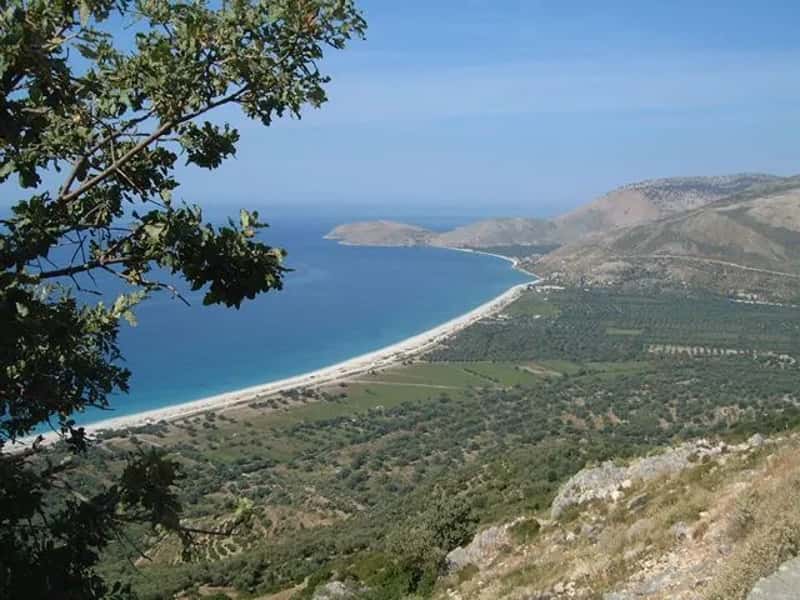
Albania doesn’t get the same tourism headlines as Italy or Greece, but it quietly offers a deal neither of those countries can match. Albania has quietly become one of the most generous entry policies anywhere for U.S. citizens.[2] Albania will even allow you to stay for 365 days, or an entire year, which is a striking contrast to the standard ninety day window most travelers deal with elsewhere in Europe.[2]
Other nationalities aren’t shut out either, though the terms are less dramatic. Citizens of the EU, UK, Canada, and most of Latin America are also welcome without a visa, though their allowance typically runs closer to 90 days for tourism, business, or transit.[3] The Albanian coastline, once an overlooked corner of the Balkans, has been drawing a steady stream of long-stay visitors who take advantage of exactly this kind of flexibility.
3. Serbia: Visa-free and free from ETIAS
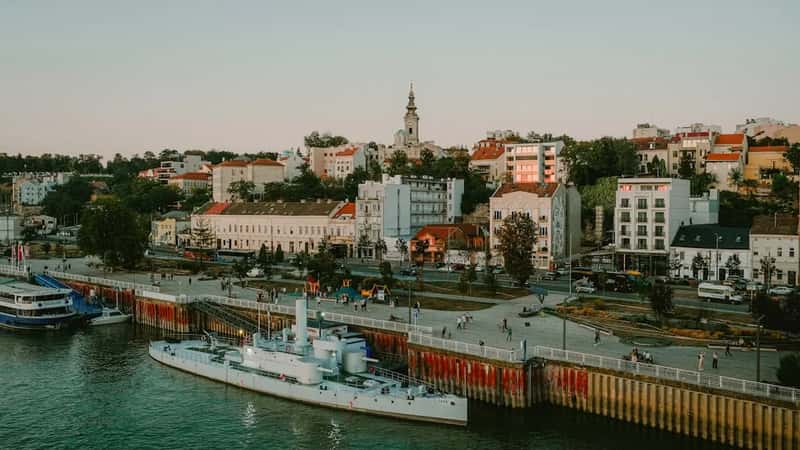
Serbia sits in an odd but useful spot on the map, close enough to the EU to feel familiar but outside its rulebook entirely. Because Serbia sits outside both the EU and the Schengen zone, its ninety days run entirely separately from the Schengen clock.[2] That separation matters, since it means a Schengen trip and a Serbian one don’t eat into the same allowance.
It also means Serbia skips the new authorization systems entirely. Serbia does not have ETIAS or similar pre-travel requirements, which makes it a genuinely low-friction stop, though travelers staying in private accommodation rather than a hotel do need to register with local police within twenty four hours.[2] There’s an added twist too: holders of certain valid visas or residence permits from other regions get an even easier path in, since travelers already carrying documentation from the Schengen Area, Ireland, the UK, or the US can enter Serbia without a separate Serbian visa at all.
4. Japan: Simple entry for short stays

Japan’s visa-free arrangement for tourists has stayed remarkably stable even as other countries tighten their rules. Visitors from the United States, the United Kingdom, most of the European Union, and several other nations can still enter for tourism or business purposes without applying for anything in advance, typically for stays of up to 90 days. There’s no fee involved and no online authorization currently required, a rarity among major travel destinations in 2026.
What Japan does ask is that travelers use the Visit Japan Web portal ahead of arrival to speed up immigration and customs, though this is a convenience tool rather than a visa substitute. Airports have gotten busier as tourism numbers climb, so a completed digital form can shave real time off the arrival process. The country remains a dependable choice for anyone who wants a straightforward border crossing without extra bureaucracy.
5. Thailand: More days added for visitors
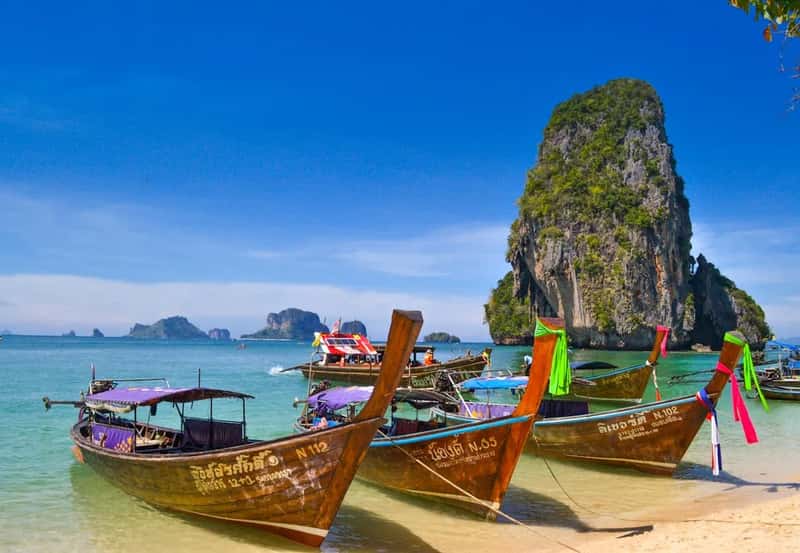
Thailand made a deliberate choice to keep tourists coming longer, and the policy has stuck into 2026. Key visa-free Asian destinations for Americans in 2026 include Japan, South Korea, Singapore, Malaysia, Thailand (60 days), Philippines, Taiwan, and Georgia (1 year).[4] That 60-day window is notably longer than the 30 days Thailand offered visitors just a few years earlier.
The extended stay applies broadly across many nationalities, not just Americans, and reflects Thailand’s ongoing push to rebuild its tourism economy after the pandemic years. Travelers can also apply for an extension at a local immigration office once inside the country, pushing the total possible stay even further. It’s one of the more traveler-friendly moves any Southeast Asian country has made in recent memory.
6. Mexico: Easy access right next door
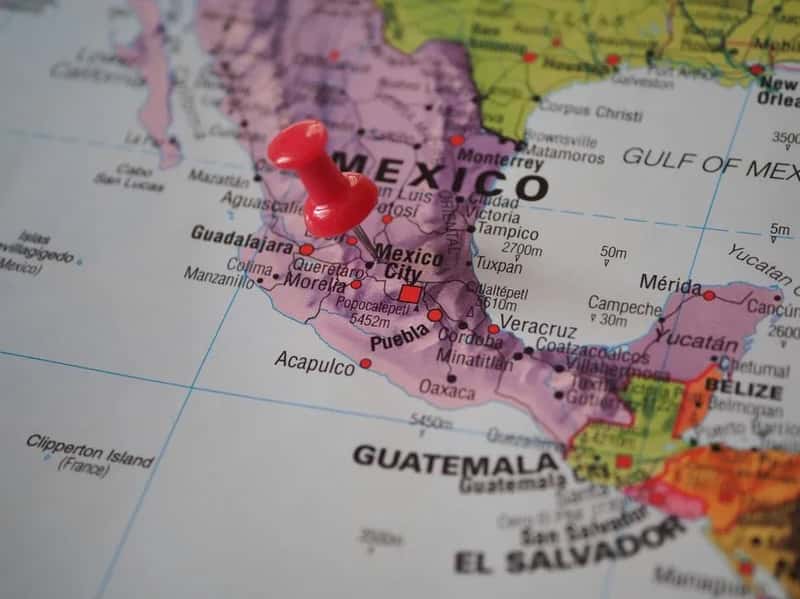
For Americans, Canadians, and most Europeans, Mexico remains one of the simplest borders to cross in the world. Tourists typically receive a Forma Migratoria Múltiple, a basic tourist permit, allowing stays of up to 180 days without any visa application beforehand. It’s a policy that has held steady for years and shows no sign of tightening in 2026, despite broader immigration debates elsewhere in the region.
The permit is usually issued right at the airport or land border, either as a paper form or a digital stamp depending on the crossing point. Business travelers and long-term visitors benefit from the same generous window, which makes Mexico a practical option for anyone needing extended time without committing to formal residency. It’s a policy built around tourism revenue, and it clearly still serves that purpose well.
7. Costa Rica: Straightforward entry in Central America
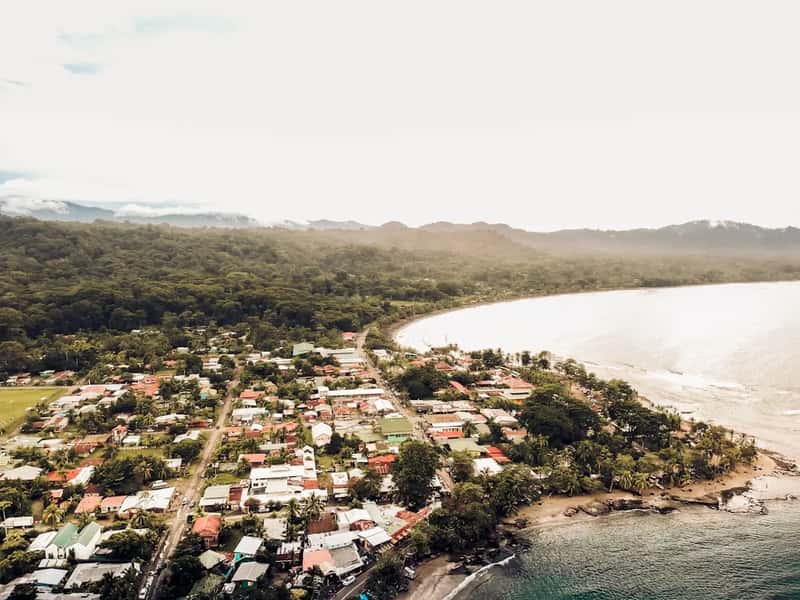
Costa Rica has built much of its tourism economy on being easy to visit, and that hasn’t changed. Citizens of the United States, the European Union, the United Kingdom, and Canada can enter without a visa for stays of up to 90 days, provided they carry a passport valid well beyond their departure date. Border officials generally ask for proof of onward travel and enough funds to cover the trip, standard requirements that rarely cause issues.
The country’s reputation for eco-tourism and remote work has pulled in a growing number of longer-term visitors who use the 90-day window creatively, sometimes exiting briefly to Panama or Nicaragua before returning. That kind of border-hopping has become common enough that immigration officials are familiar with the pattern. For a straightforward beach or rainforest trip, though, the process rarely goes beyond a passport stamp.
8. Morocco: North Africa’s open door
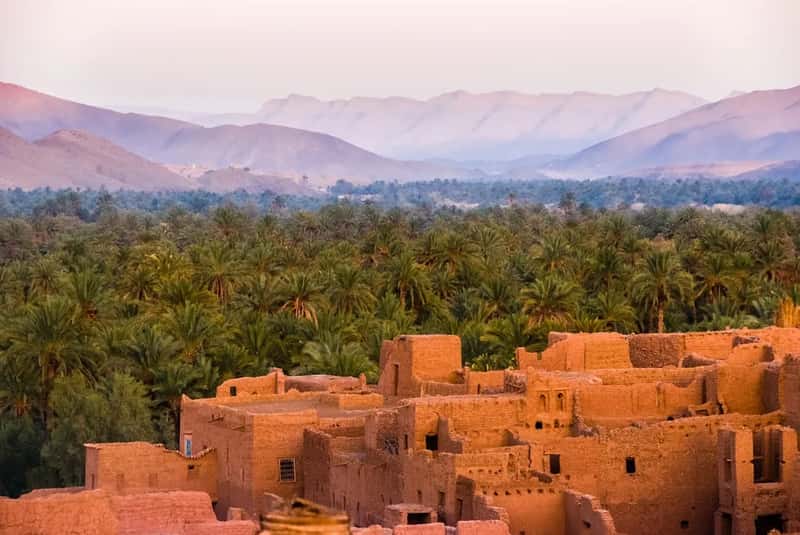
Morocco has long positioned itself as the easiest entry point into North Africa for Western travelers, and that policy continues into 2026. Citizens of the United States, most of the European Union, the United Kingdom, and Australia can enter visa-free for stays of up to 90 days for tourism or business. The country’s tourism ministry has leaned heavily on this openness to keep visitor numbers climbing year after year.
Entry requirements stay minimal: a passport valid for the length of the stay, proof of onward travel, and occasionally evidence of sufficient funds. Marrakech and Casablanca have both seen steady increases in international arrivals, partly because the visa-free arrangement removes a barrier that exists for many other African destinations. It remains one of the more accessible ways to experience the region without advance paperwork.
9. Palau: A Pacific island with a rare policy
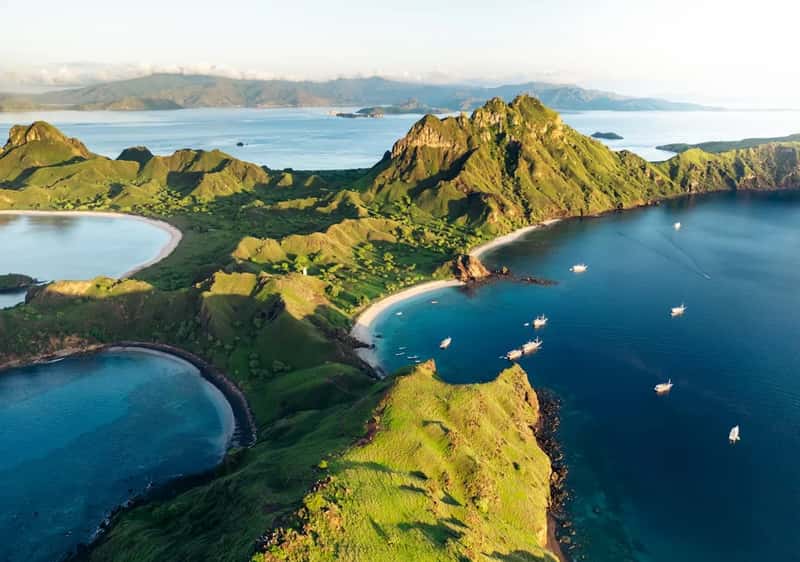
Palau doesn’t come up often in visa conversations, but it deserves a place on this list for offering something almost no other country does. Palau rounds out this list with one of the longest visa-free allowances anywhere in the world.[2] Alongside Albania and Georgia, it belongs to a very short group of nations willing to let visitors stay for a full twelve months without applying for anything in advance.
Given its remote location in the western Pacific, most visitors don’t stay anywhere close to a year, but the option exists for those doing extended diving trips, research work, or simply a slow travel itinerary. Palau’s small size and limited infrastructure mean tourism numbers stay modest regardless of the generous entry terms. Still, the policy itself stands as one of the more surprising details in global travel right now.