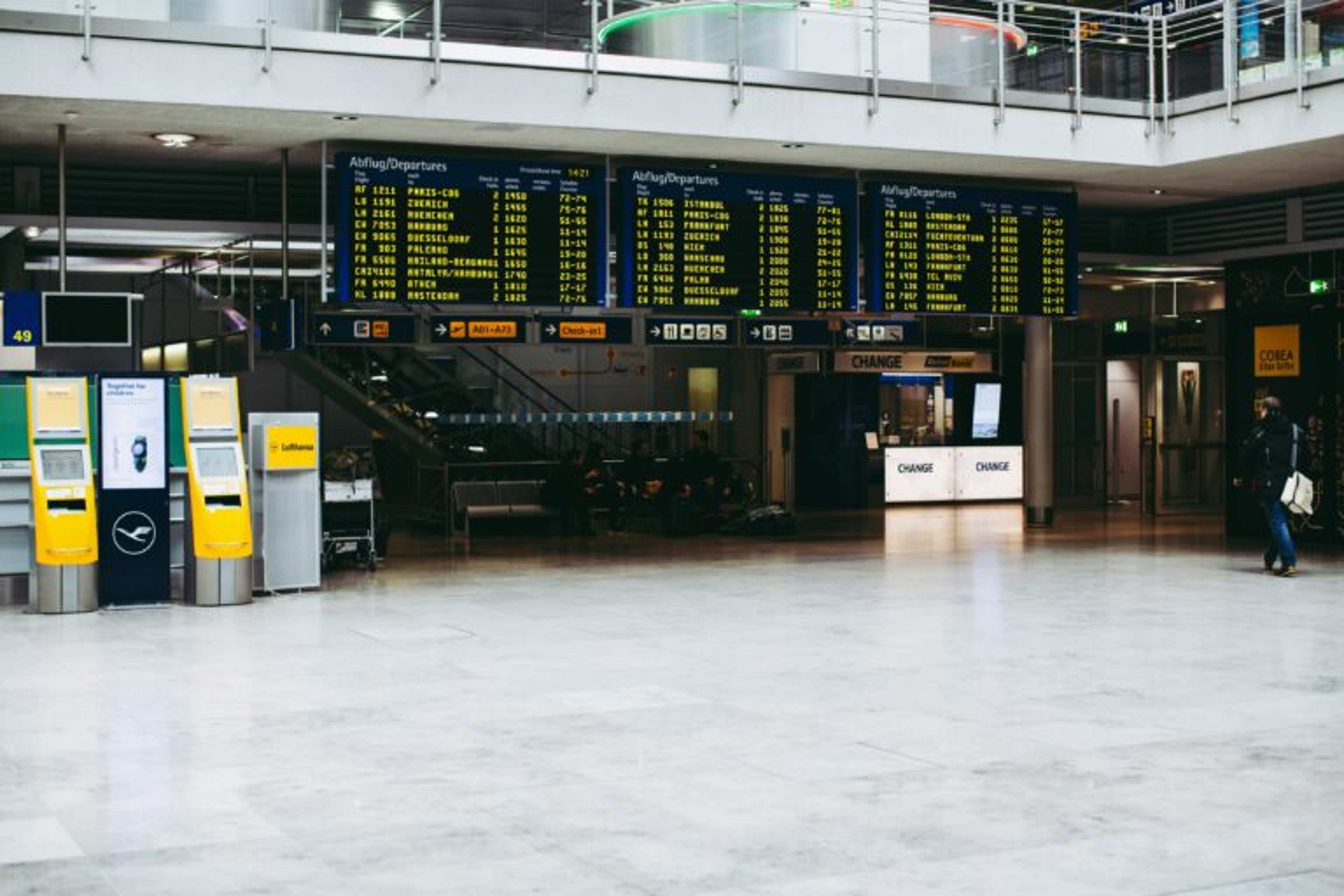
Everyone pictures embarkation day as the good part – champagne in the atrium, deck chairs waiting, skyline shrinking behind you while you sip something with an umbrella in it. What actually happens to a huge chunk of passengers looks nothing like that. It looks like a crowded security line, a roaming bill quietly ticking upward, and a suitcase that won’t show up until dinner.
The frustrating part is how avoidable it all is. Cruise lines and the veterans who’ve sailed dozens of times keep watching the same nine slip-ups wreck the first day, over and over, on every major ship in the fleet – and most of them take less than a minute to fix once you know they’re coming.
#9 – Treating the Muster Drill Like It’s Optional
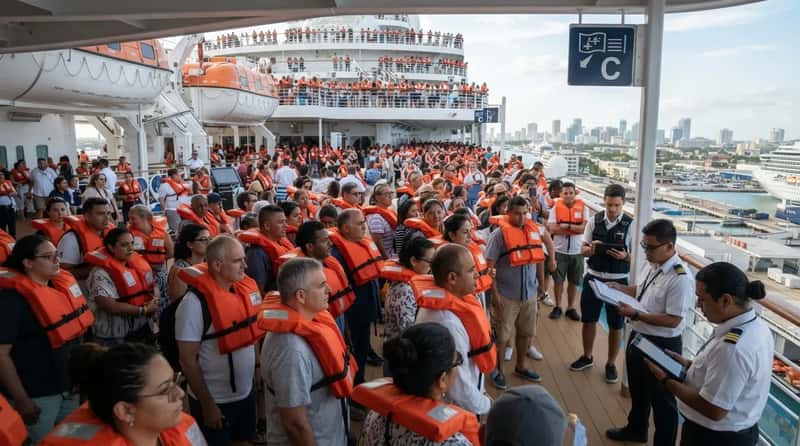
Skipping the safety briefing isn’t a shortcut, it’s a legal problem. Under the SOLAS Convention, every passenger of the required age has to complete a muster drill within 24 hours of boarding. Ignore the alert on your phone or stateroom TV, and the ship genuinely will not sail without you accounted for.
The good news is it’s faster than people expect – watch a short video, check in at your assigned station, done in a few minutes. The bad news for anyone who skips it is a very public consequence: crew will page your name over the loudspeaker until you show up, in front of thousands of other passengers waiting to leave port.
Fast Facts
- SOLAS (Safety of Life at Sea) rules apply on every major line, not just one cruise brand.
- Many ships now use an “e-muster” system – a short video on your stateroom TV plus a quick in-person check-in.
- Crew keep a live roster during the drill, so a missing name gets flagged almost immediately.
- The whole process usually wraps up in well under 20 minutes if you go when your group is called.
#8 – Sprinting Straight to the Buffet
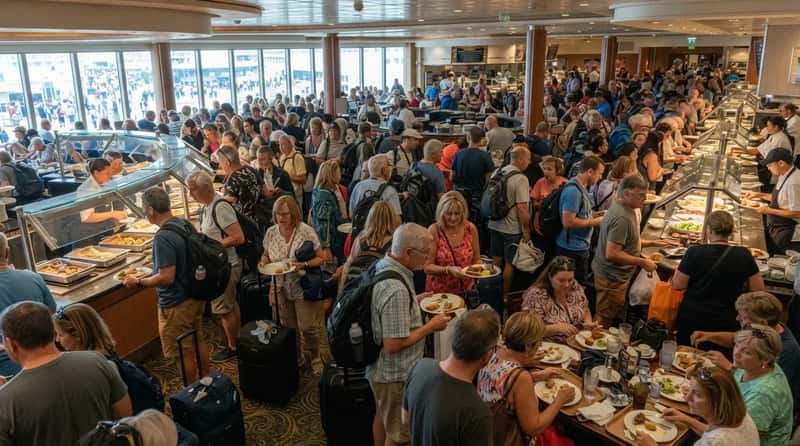
That pizza smell hits you the second you clear security, and almost everyone follows it into the same overcrowded room. It’s the single most predictable embarkation mistake on any ship, on any line, because boarding usually lands right around lunchtime for thousands of people at once.
Smarter movers skip it entirely. If you’re onboard early, the main dining room is often open until around 2pm with actual table service, or you can grab something from a café, pizzeria, or grill near the pool instead. Some specialty restaurants even quietly discount embarkation-day lunch, and almost nobody thinks to ask.
#7 – Packing Your Meds and Swimsuit in the Checked Bag
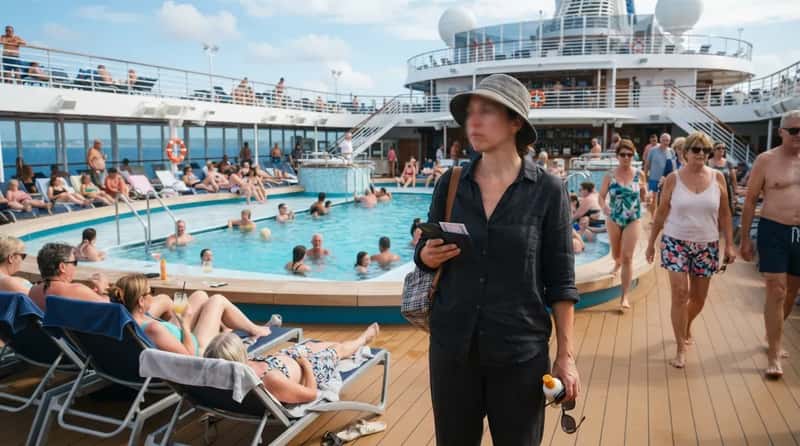
Handing your suitcase to a porter feels like freedom, right up until you realize everything you actually need for the next several hours just got locked away in the belly of the ship. It can take hours before checked luggage reaches your cabin – sometimes not until close to dinner.
The fix is a simple day bag: medication, keys, travel documents, a change of clothes, swimwear, and anything valuable. Skip this step and you’ll spend your entire first afternoon in day-old travel clothes, sunscreen-less, staring longingly at the pool you can’t fully enjoy yet.
Quick Compare
- Day bag: medication, passport/ID, swimsuit, phone charger, one change of clothes.
- Checked bag: dressy outfits, extra shoes, bulky toiletries, anything you won’t need before dinner.
- Day bag: valuables and electronics you’d hate to lose track of for hours.
- Checked bag: everything replaceable or not needed until your cabin is ready.
#6 – Leaving Your Phone on Cellular the Moment You Board
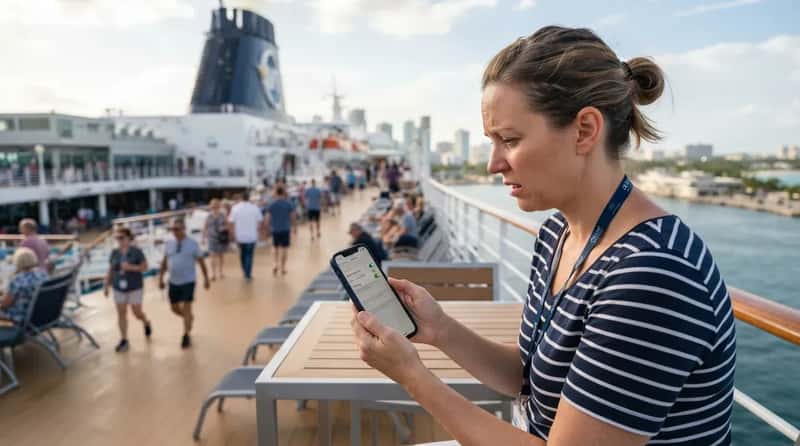
One overlooked toggle in your settings can quietly wreck your vacation budget before you’ve even left the dock. The moment your ship clears the coast, you’re off your normal network and onto “cellular at sea” – and if roaming is still on, your phone starts phoning home in the background, downloading emails and updating apps without asking permission.
This single mistake has cost travelers hundreds, even thousands, of dollars in a single sailing. The fix is one tap: switch to airplane mode the moment you board, unless you’ve already arranged a specific onboard data package.
#5 – Waiting Until You’re Onboard to Book Dining and Shows
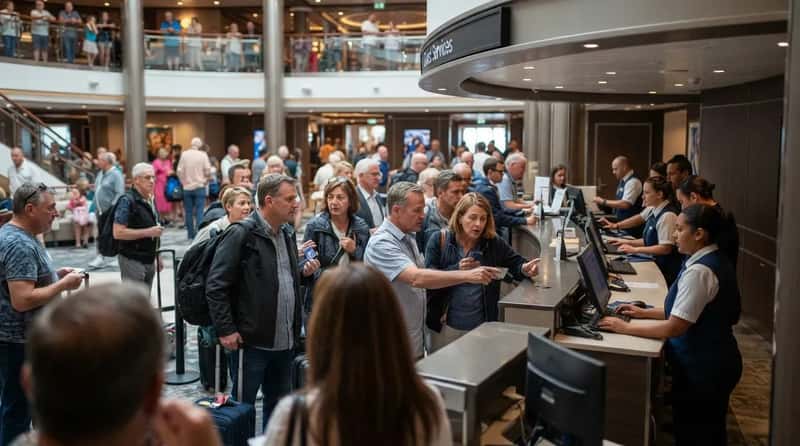
By the time most passengers think about reservations, the good time slots are already gone – and almost nobody realizes it happened while they were still standing in the security line. Staff get stretched thin fast, and queues at the guest services desk form within the first hour.
On lines like Virgin Voyages, you can reserve some dining ahead of time, but plenty of slots only open once you’re actually onboard. Wait until day two to sort it out, and the best times for dinner and the headline show are simply gone for the rest of the cruise.
#4 – Never Actually Speaking to Your Cabin Steward

The person with the most power to make your week comfortable is often the one passenger never bothers to introduce themselves to. Cabin stewards quietly run your entire week – extra pillows, ice, sleep schedules, towel animals – and a thirty-second introduction on day one changes how the rest of the cruise feels.
It also pays to inspect the room the second you’re allowed in. Test the lights, outlets, bathroom fixtures, and climate control right away, because small problems are far easier to fix on embarkation day – including a full cabin change, if it comes to that – than once the ship is already at sea.
Worth Knowing
- Most mainstream lines already bill automatic daily gratuities that help cover your steward’s tip.
- A quick introduction on day one often means faster requests all week – extra towels, ice, or pillow swaps.
- Report a broken AC, stuck drawer, or leaky faucet on embarkation day, while maintenance crews are least busy.
- Stewards typically service rooms twice daily, so timing requests early sets the tone for the whole sailing.
#3 – Showing Up Hours Before Your Assigned Boarding Time
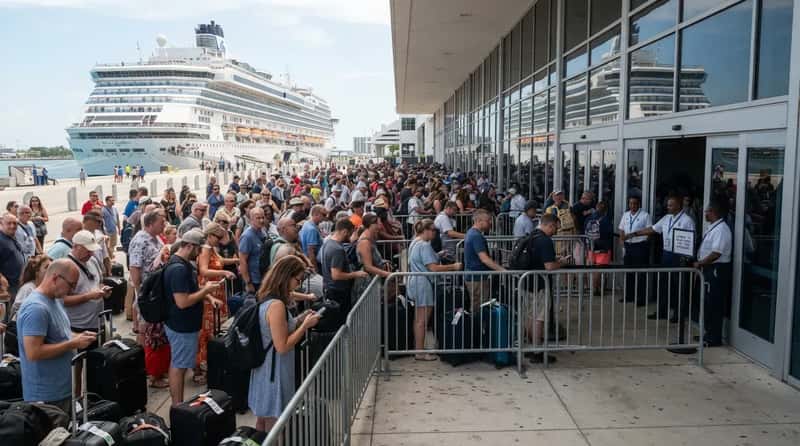
Most people assume arriving early guarantees a head start. Cruise veterans know it usually guarantees the opposite – extra crowds, extra stress, and a lot of standing around outside a terminal that isn’t ready for you yet.
What passengers call embarkation day, the industry calls turnaround day, and it’s a good reminder why patience matters: every guest from the previous sailing has to get off, and the ship has to be cleaned and restocked, before new passengers are allowed on. Your ship physically cannot board you faster than its own turnaround schedule allows, no matter how early you show up at the pier.
At a Glance
- Turnaround day means disembarking one full ship of passengers before boarding the next.
- Cabins, dining rooms, and public spaces all need cleaning and restocking in that same window.
- Assigned boarding times exist specifically to spread out arrivals and shorten terminal wait times.
- Arriving close to your assigned slot usually means a shorter line, not a slower one.
#2 – Booking a Flight That Lands the Same Day as Your Cruise
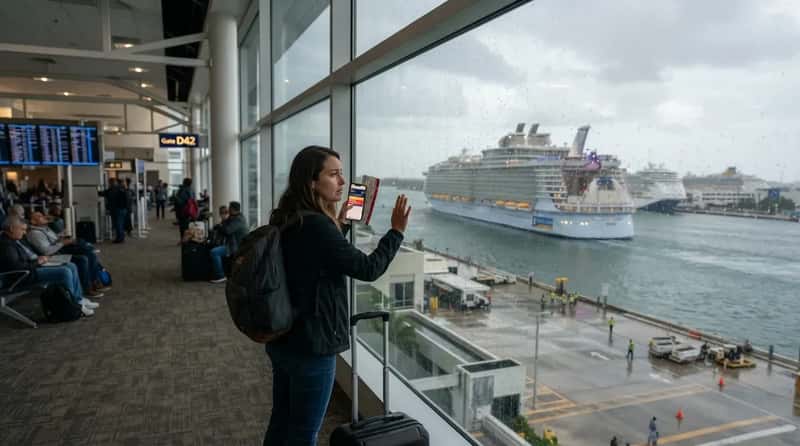
It sounds efficient on paper. It’s also the single riskiest decision a cruiser can make, and travel advisors bring it up more than any other mistake on this whole list.
Cruise experts consistently recommend flying in at least a day early, because a canceled or delayed flight on sailing day can mean missing the ship entirely – and a missed ship over a same-day flight almost never comes with a refund. Add in weather delays, and even an early morning flight stops feeling like a safe bet.
#1 – Assuming a Taxi Will Just Be Waiting at the Port
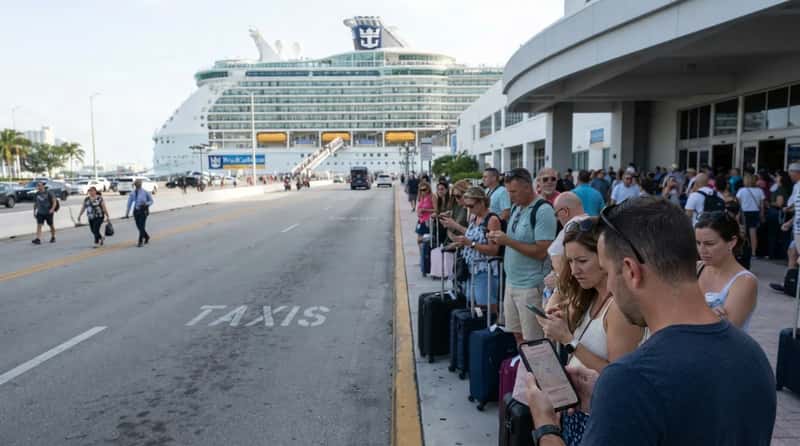
This is the mistake that turns a relaxed morning into genuine panic, and it happens to experienced cruisers just as often as first-timers. One cruiser with more than 30 sailings under their belt described exactly this scenario on a recent Royal Caribbean trip: no taxis, no Ubers, no shuttle buses, and a ship that wasn’t going to wait.
It wasn’t until trying to call an Uber that the problem became clear – there were no cars available, and even a regular taxi call had trouble connecting.
Royal Caribbean passenger, describing a near-miss on embarkation morning
In some port towns, ride-share apps simply don’t have coverage during peak cruise mornings, no matter how good your signal looks. The lesson every advisor repeats is the same one that gets ignored the most: research your specific port’s transportation options days in advance, not the morning of.
None of these nine mistakes are exotic or rare. They’re the same handful of slip-ups that trip up first-timers and 30-cruise veterans alike, from a roaming bill that balloons overnight to a missed ship because no taxis were running.
The good news is every one of them is fixable with about twenty minutes of planning before you ever reach the pier. Treat embarkation morning as its own event instead of a formality before the “real” vacation starts, and it stops being the part of the trip you have to survive.