Anyone who has spent a vacation curled up in a hotel bathroom instead of exploring a new city knows how quickly traveler’s stomach can hijack a trip. It is the most common travel-related illness out there, and it does not discriminate between budget backpackers and five-star resort guests. Travelers’ diarrhea is the most common travel-related illness, and it can occur anywhere, though the highest-risk destinations are in Asia, the Middle East, Africa, Mexico, and Central and South America.[1]
The good news is that what you eat, both before symptoms start and during a trip, can genuinely shift the odds in your favor. Some foods calm the gut and support the bacteria that keep pathogens in check, while others are practically an invitation for trouble. Here is a closer look at nine foods worth packing into your travel routine, plus three that deserve a second thought before they land on your plate.
1. Plain yogurt with live cultures

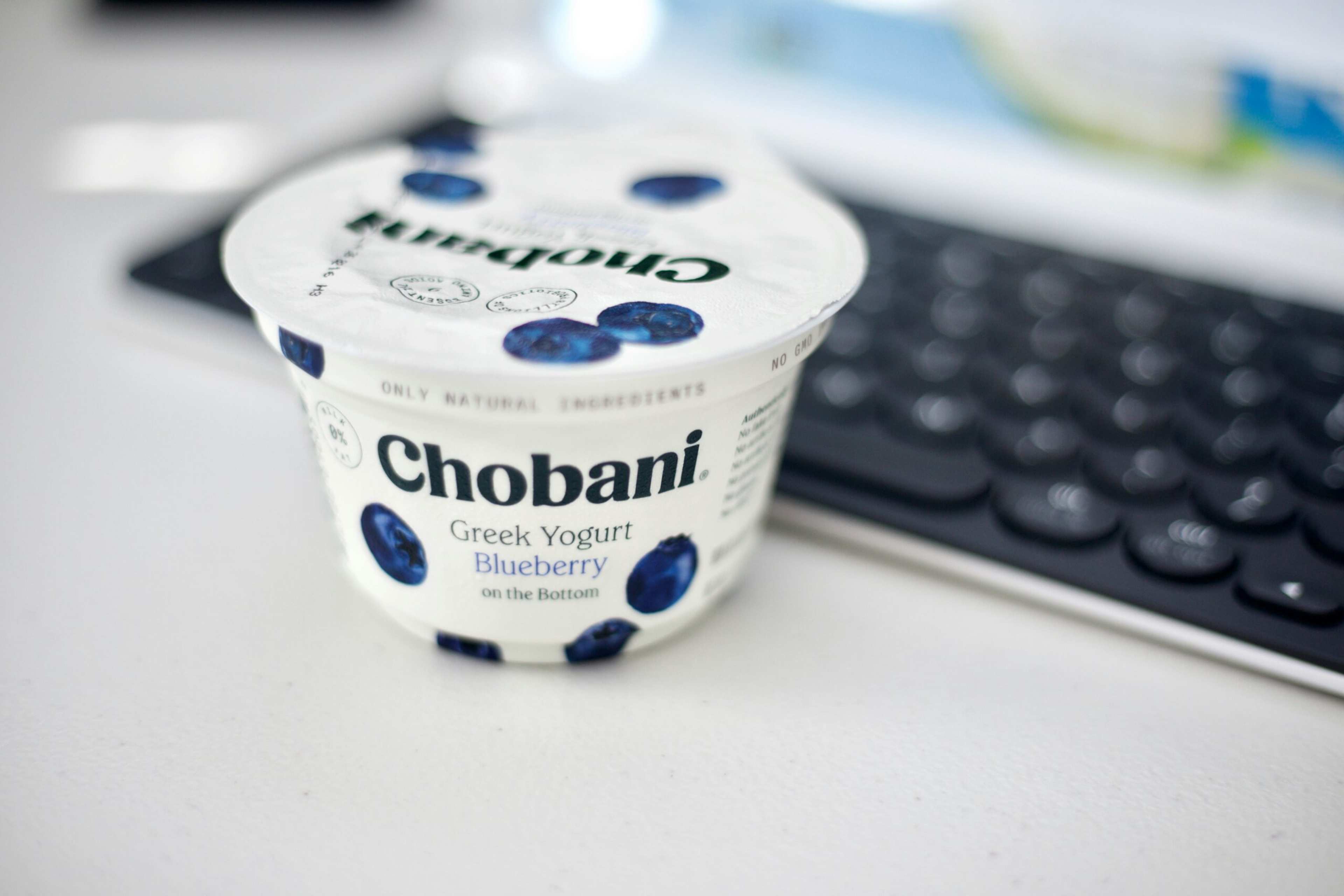
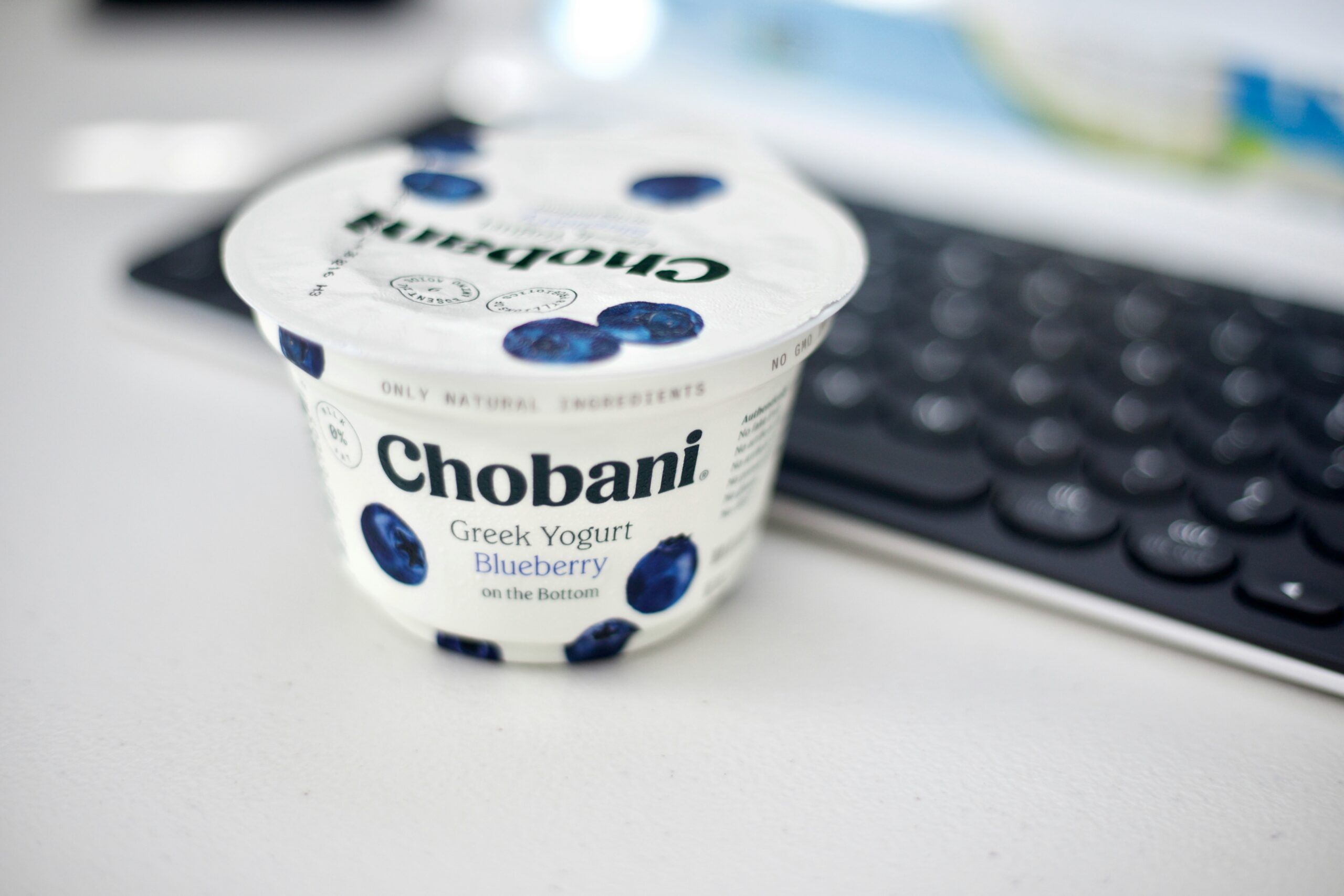
Yogurt containing live, active cultures is one of the simplest ways to introduce beneficial bacteria into your system before you even leave home. Strains like Lactobacillus rhamnosus GG have been studied specifically in the context of travel related illness, and the results are encouraging. A clinical study investigated the impact of consuming the LGG strain at a potency of 2 billion CFU per day on the incidence of traveler’s diarrhea, and just 3.9 percent of the intervention group experienced traveler’s diarrhea, compared to 7.4 percent of the placebo group.[2]
That is roughly half the risk, which is a meaningful difference when you are trying to enjoy a trip rather than plan it around bathroom locations. Eating yogurt daily in the weeks leading up to departure gives these bacteria time to establish themselves. Just stick to pasteurized, commercially produced yogurt once you are abroad, since unpasteurized milk and milk products should be avoided in areas with inadequate or unknown hygiene and sanitation.[3]
2. Saccharomyces boulardii containing foods and supplements

This particular probiotic yeast has more research behind it than almost any other option on this list. Only one probiotic, S. boulardii CNCM I-745, was significantly effective for the prevention of traveler’s diarrhea and safe in adult travelers, according to a systematic review and meta-analysis.[4] That is a notably strong statement in a field where evidence is often mixed.
Clinical studies on S. boulardii revealed effectiveness in reducing travelers’ diarrhea when taken five days prior to a trip and continued every day of the journey abroad.[5] It is not technically a “food” in the traditional sense, but it is sold as a fermentation supplement and included here because it is the most evidence backed dietary intervention travelers can add to their routine. Starting the regimen almost a week before departure appears to matter, so this is not a same-day fix.
3. Bananas

Bananas earn their spot on nearly every stomach-friendly food list for good reason. They come with a thick, easily removable peel, which sidesteps one of the biggest risks with fresh produce abroad. Fruits with a thick outer covering, including citrus fruits, bananas, and melons, are considered among the safer fresh food choices for travelers.[6]
Beyond the safety angle, bananas are gentle on a stomach that is already feeling unsettled. They are easy to digest, provide potassium that can help offset losses from mild dehydration, and require no preparation beyond peeling. This makes them a practical grab and go option whether you are navigating an airport or a street market.
4. Plain white rice
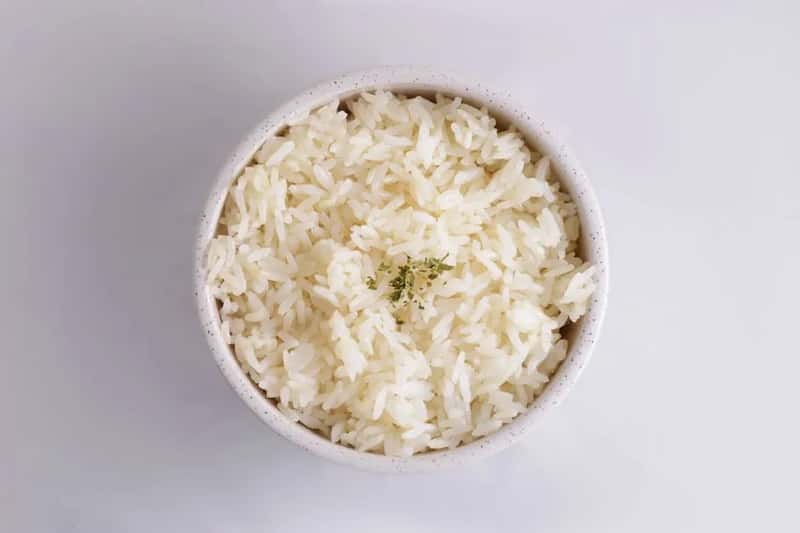
White rice has long been a staple of the BRAT diet used to settle digestive upset, and it remains relevant for travelers today. It is bland, low in fiber, and easy on a gut that might already be adjusting to unfamiliar food and water. In general, fully cooked foods that are served hot and foods that travelers carefully prepare themselves are considered the safest options.[7]
Rice checks both boxes when it is served properly cooked and hot rather than sitting out at room temperature. It also pairs well with other stomach-calming foods on this list, like broth or plain yogurt, making it a reliable base for meals when your system needs a break from heavier or spicier local dishes.</p
5. Clear broths and soups

A simple bowl of hot, clear broth does double duty for travelers. Eating hot, well-cooked foods is recommended because heat kills the bacteria that cause traveler’s diarrhea.[8] Broth checks that box while also helping replace fluids and electrolytes lost through sweating in hot climates or mild digestive upset.
Soups made with well-cooked vegetables and meat are gentler than fried or heavily seasoned street food, especially in the first few days of adjusting to a new environment. The key is making sure the soup arrives steaming hot rather than lukewarm, since hot foods that have been sitting around for a long time should still be avoided even if they were cooked properly at some point.[8]
6. Miso and other fermented soy foods
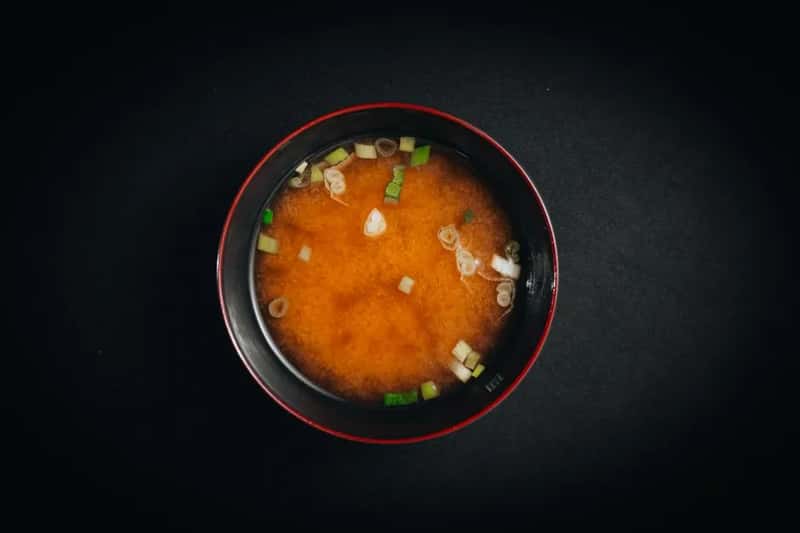
Fermented foods have earned a reputation that goes beyond flavor. Fermented foods have been associated with the prevention of irritable bowel syndrome, lactose intolerance, gastroenteritis, and other conditions including chronic diarrhea.[4] Miso soup, a staple in Japanese cuisine, delivers this benefit in a warm, easily digestible format that also happens to be served hot, which adds a safety layer for travelers.
The fermentation process naturally introduces beneficial microorganisms that can support gut resilience. While the research specifically on miso and travelers’ diarrhea is thinner than the data on yogurt or targeted probiotic supplements, its status as a hot, well-cooked, low-risk food makes it a sensible addition to a travel diet in countries where it is widely available.
7. Ginger, prepared as tea or added to cooked dishes

Ginger has a long history as a digestive aid, and it is often recommended for nausea and general stomach unease rather than as a direct defense against pathogens. Steeped as tea using boiled water, it becomes both a comforting ritual and a genuinely safer beverage choice, since the boiling process addresses the water safety concern that plagues so many other drinks abroad.
Ginger added to stir fried vegetables or noodle dishes that are cooked thoroughly also fits the broader pattern of safer eating that health authorities recommend. Choosing food and drinks carefully, specifically eating only foods that are cooked and served hot, is one of the primary steps recommended to avoid travelers’ diarrhea.[1] Ginger fits neatly into that guidance without requiring travelers to sacrifice flavor.
8. Toast and plain crackers

Simple, dry starches remain a classic choice for a reason. They are gentle on the stomach, require minimal digestive effort, and are almost impossible to contaminate if they are packaged or freshly toasted. For travelers dealing with mild stomach sensitivity, or trying to prevent it from worsening, plain toast or crackers offer a low-risk way to keep eating without adding stress to the gut.
This category also includes plain breadsticks or dry biscuits often available in hotel breakfasts. They will not do much to actively prevent infection, but they support the broader strategy of avoiding heavy, greasy, or unfamiliar foods while your system is adjusting to a new environment, particularly in the first two or three days of a trip.
9. Thoroughly cooked vegetables
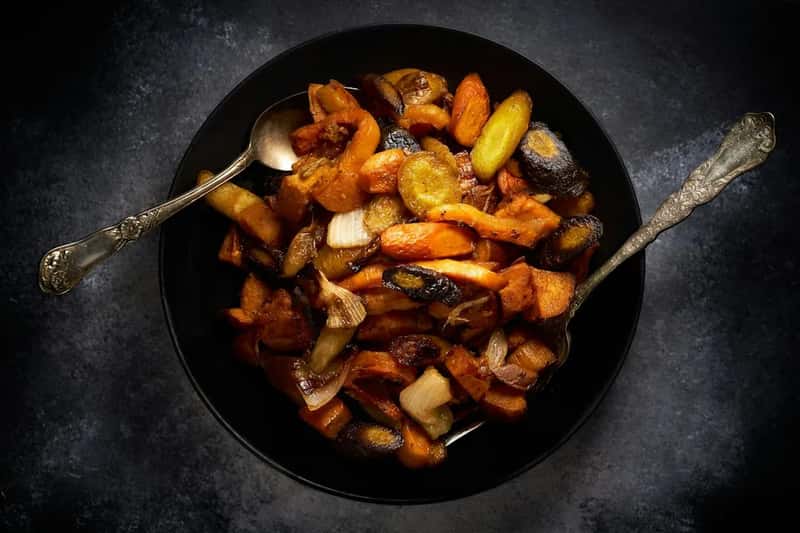
Raw produce carries real risk abroad, but that does not mean vegetables are off the table entirely. Once they are cooked, much of that risk disappears. Vegetables should be rinsed with safe water before cooking, and fully cooked meat and eggs are listed among the foods usually considered safe for travelers.[3]
Steamed, boiled, or stir fried vegetables give you the nutritional benefits of fresh produce, including fiber and micronutrients that support overall gut health, without the contamination risk tied to raw salads or unpeeled fruit. This is particularly useful in destinations where water quality is uncertain, since heat effectively neutralizes many of the pathogens that would otherwise survive on raw produce.
10. Raw, unpeeled fruits and salads
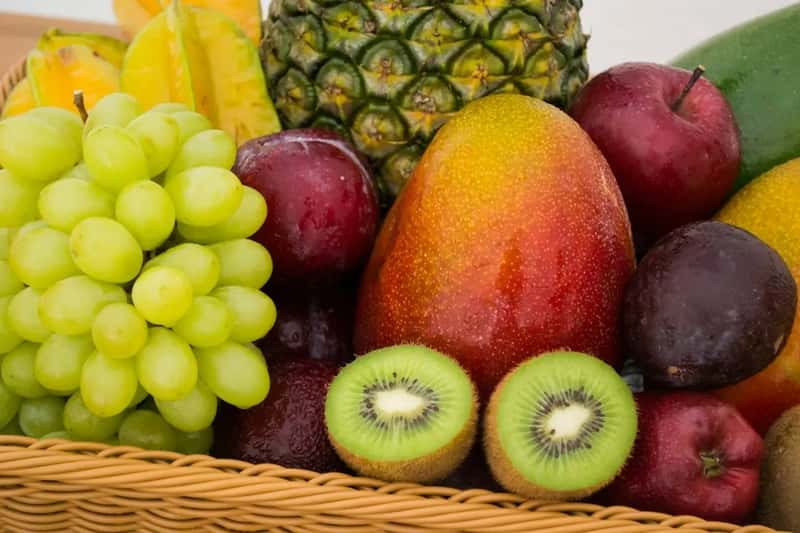
This is the flip side of the produce conversation, and it is one of the most consistent warnings across travel health guidance. In areas where hygiene and sanitation are inadequate or unknown, travelers should avoid consuming salads, uncooked vegetables, raw unpeeled fruits, and unpasteurized fruit juices.[7] The issue is not the produce itself but what it has been in contact with along the way.
In developing countries, raw vegetables are considered among the most important foods to avoid, since fruits and vegetables that grow near the ground are likely to be contaminated by the same organisms found in tap water.[6] Rinsing alone is not always enough. Rinsing raw vegetables including salads in water is not adequate to remove contamination risk.[6] A fresh salad might look harmless, but it can carry more risk than a plate of fried rice.
11. Ice cubes and drinks made with tap water

A cold drink on a hot travel day feels like a small reward, but ice is a surprisingly common source of trouble. Fountain drinks or other beverages made with tap water, including iced drinks, may not be safe for consumption, since ice might be made from contaminated water.[9] The drink itself might be perfectly fine, but the ice sitting inside it tells a different story.
This applies to smoothies as well, which often use ice or tap water as a hidden ingredient. Ice cubes and drinks like smoothies may have water or ice as a hidden ingredient that travelers should watch for.[10] Sticking to factory sealed bottled drinks, or skipping ice altogether in destinations with questionable water quality, removes one of the easiest and most overlooked risks of a trip.
12. Street food that is not freshly cooked and hot
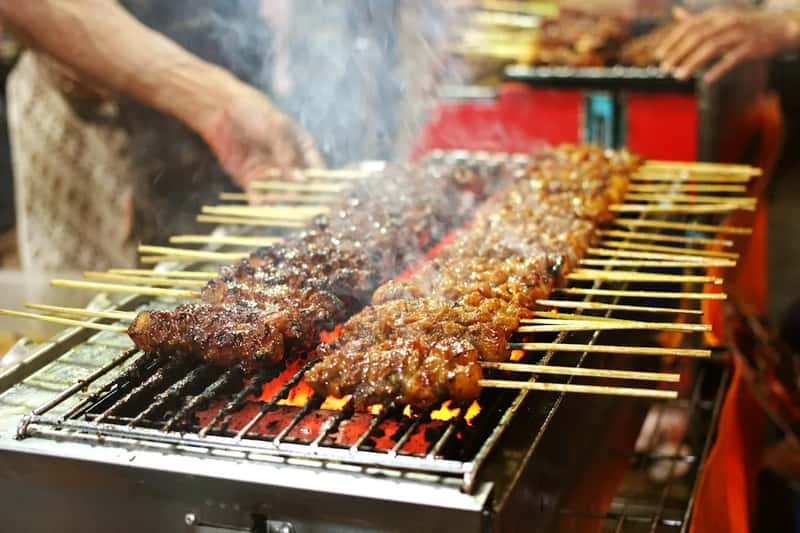
Street food is one of the genuine pleasures of travel, and skipping it entirely would mean missing out on some of the best meals a destination has to offer. The problem is not street food as a category but specific handling issues, particularly food that has cooled down or been sitting out. Buffet foods at room temperature and street food that is not freshly cooked and hot are among the items travelers are advised to avoid.[11]
Consumption of food and beverages obtained from street vendors increases the risk of illness, largely due to inconsistent refrigeration and food safety training among vendors.[7] The safest approach is choosing vendors with visible turnover, watching food get cooked fresh in front of you, and asking for it as hot as possible right off the heat. That single habit, more than avoiding street food altogether, is what actually lowers the risk.
Packing smart when it comes to food choices will not guarantee a trip free of stomach trouble, since factors like individual gut sensitivity and sheer bad luck still play a role. Still, leaning toward hot, freshly cooked meals, treating raw produce and ice with a bit of caution, and considering a probiotic regimen before departure are all backed by real research rather than travel folklore. Small decisions at each meal add up over the course of a trip, and they are often the difference between a minor inconvenience and days lost to feeling unwell.