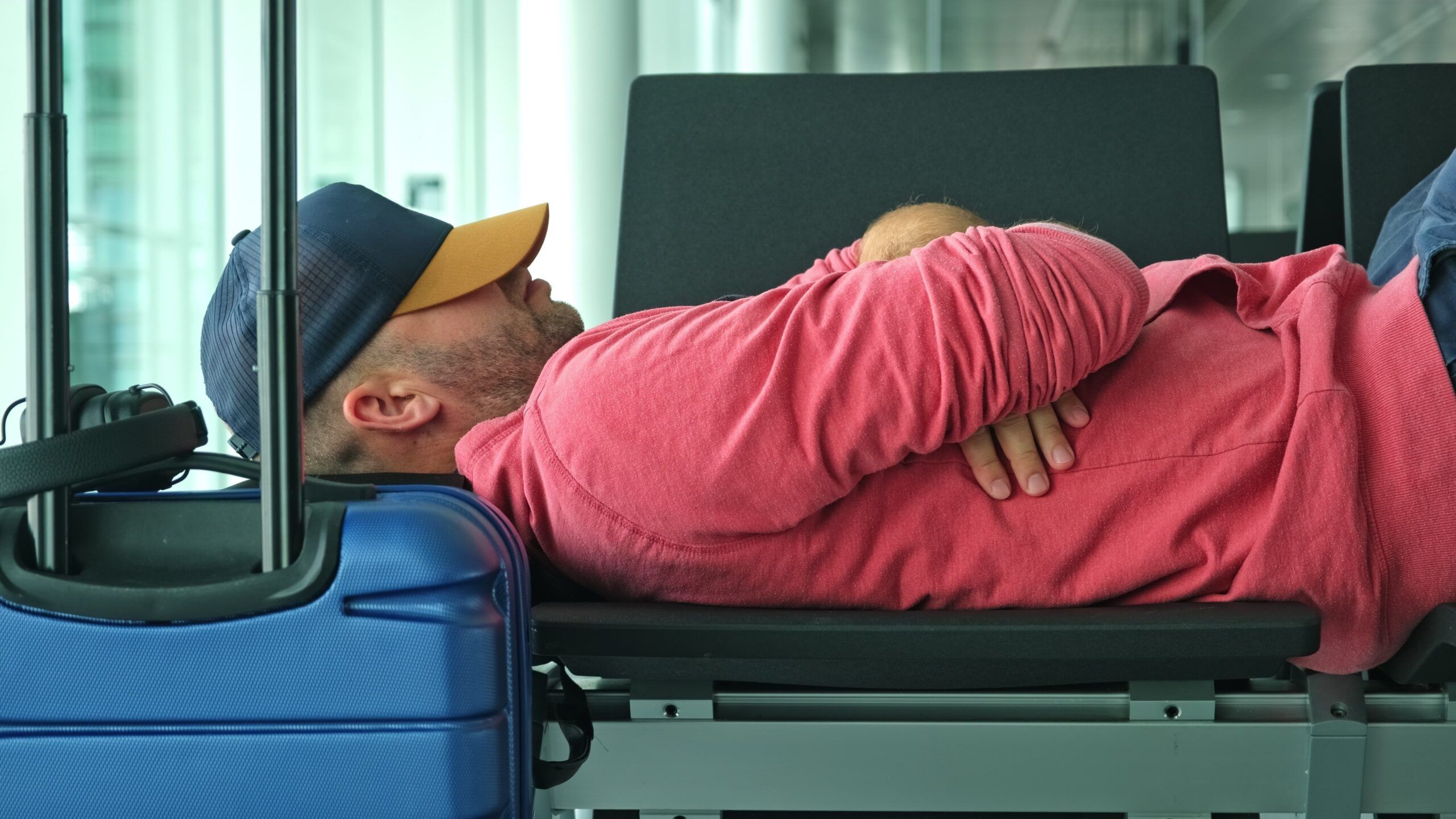
Anyone who flies for a living knows that the real battle against exhaustion doesn’t happen in the air. It happens in the terminal, during those strange in-between hours when you’re not quite travelling and not quite waiting. Frequent flyers have quietly developed a set of habits around layovers that has little to do with luck and everything to do with timing, light, movement, and a bit of discipline.
These habits are not glamorous tricks. They’re small, repeatable choices that add up over a long connection, whether that’s ninety minutes in Amsterdam or eight hours in Singapore. Below are nine of the most consistently useful ones, grounded in what sleep scientists, airport operators, and frequent flyers themselves have learned about surviving long journeys without falling apart on arrival.
1. Timing Light Exposure to the Destination Clock
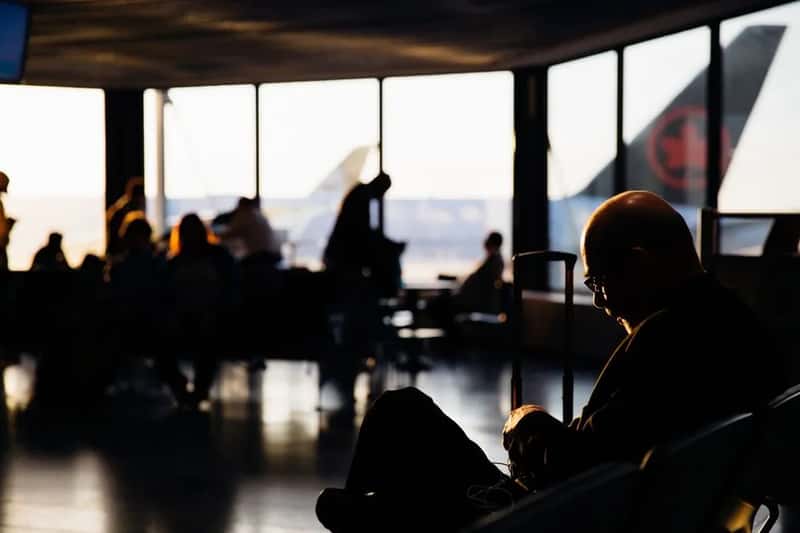
Seasoned travellers treat light as a tool rather than an afterthought. Circadian researchers have found that people can shift their internal clock by roughly an hour a day when they expose themselves to the right amount of light at the right time, and that avoiding light at the correct times is also crucial for rapid adaptation to jet lag.[1] During a layover, that might mean deliberately sitting near a window in daylight hours or, conversely, putting on sunglasses and avoiding bright terminal lighting if the destination clock says it should still be night.
The logic gets more specific depending on direction of travel. Guidance built on circadian research suggests that for eastward travel, getting exposed to morning sunlight at the destination helps shift the clock forward, while bright light in the evening should be avoided[2]. Frequent flyers who bother to check which way they’re shifting, and plan their light exposure at the layover accordingly, tend to land in noticeably better shape than those who just wing it.
2. Booking or Seeking Out a Private Rest Pod for Longer Connections
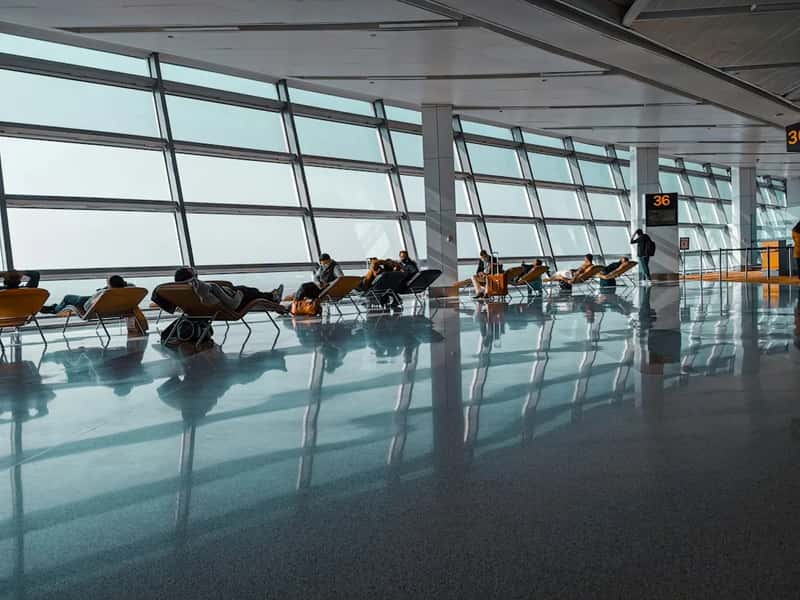
Airport sleep pods have gone from a novelty to a genuine amenity in the last couple of years, and frequent travellers have taken notice. The global market for these pods was valued at 83.02 million dollars in 2024 and is projected to grow to 89.16 million dollars in 2025[3], a sign that airports are investing seriously in private rest spaces rather than treating them as a gimmick. Operators have also been expanding fast, with one company announcing a major expansion across three key European hubs, adding 50 new cabins to meet rising passenger demand for private rest spaces during layovers[4] in late 2024.
The appeal isn’t just comfort. Compared with a lounge chair or a gate bench, a pod offers something gate seating simply cannot match. Industry analysts note that the benefits of zero-gravity for travelers are a key selling point, offering physical relief that gate seating cannot match[4]. For a traveller with a five or six hour connection, twenty minutes flat on a reclined pod can do more for alertness than an hour spent slumped upright.
3. Choosing Movement Over Sitting, Even During Short Layovers
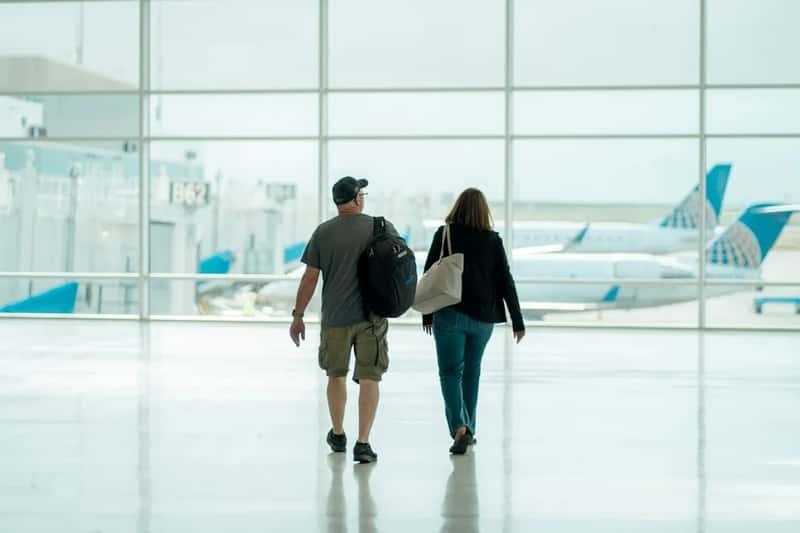
Frequent flyers rarely camp out at the gate for the entire layover. Walking terminals, taking the stairs instead of the moving walkway, and doing a lap of the concourse are habits that serve a real physiological purpose. Medical guidance on long-haul travel consistently points to movement as a core defence, with experts recommending travellers walk every 1–2 hours, and do in-seat leg exercises such as ankle circles and calf pumps to boost circulation[5].
This matters more than most casual travellers realise. Prolonged immobility during flights and layovers is a recognised contributor to circulatory problems, and the risk doesn’t vanish the moment the plane lands. Health researchers point out that long periods of sitting combined with cabin pressure changes and dehydration create ideal conditions for clots[5], which is exactly why frequent flyers treat the layover as a chance to reset the legs, not just the mind.
4. Wearing Compression Socks for the Whole Journey, Not Just the Flight

Veteran travellers rarely take compression socks off the moment they land, since the layover itself involves plenty of standing in queues and sitting at gates. The evidence behind them is fairly strong. A Cochrane review examining data from nearly three thousand people across a dozen clinical trials found high-certainty evidence that wearing compression stockings reduced the risk of symptomless DVT when traveling on a flight of more than four hours[6].
The comfort benefits are just as compelling as the medical ones. In a crossover study covering flights of five hours or more, compression wear was linked to a 60% improvement in leg pain, a 50% improvement in discomfort, and a 45% improvement in their perception of swelling[7] compared with flights without them. For someone facing a second long leg after a layover, arriving with fresher legs is a genuine advantage.
5. Prioritising Water Over Coffee or Alcohol in the Terminal

It’s tempting to treat a layover as an excuse for a celebratory drink or an extra espresso, but frequent flyers tend to know better. Cabin air is notoriously dry, and that dryness doesn’t just affect the flight itself. Research on flight-related health notes that cabin humidity under 20% dries out your nasal passages and throat, weakening the first line of immune defense[8], which makes rehydrating at the gate a genuinely useful habit rather than a wellness cliché.
Alcohol works against this in a very specific way. Reviewers of DVT prevention studies point out that during a flight, travellers should stay hydrated because volume depletion can worsen physical symptoms of jet lag, and avoid excess alcohol[9]. Carrying an empty bottle through security and filling it up at a terminal fountain before boarding the next leg is a small, unglamorous habit that repeatedly pays off.
6. Using the Layover to Deliberately Delay or Advance a Nap

Not all naps are created equal, and frequent travellers have generally learned this the hard way. The timing of sleep during a layover can either help or actively sabotage adjustment to the new time zone. Detailed circadian planning guidance notes that after certain eastward or westward shifts, naps should occur after about 4 p.m. destination time, since light exposure is particularly undesirable before this time[10].
This is why some travellers force themselves to stay awake through a layover even when exhausted, while others deliberately grab a short nap in a quiet corner or lounge. The goal isn’t rest for its own sake, it’s rest at the right moment. Official travel health guidance echoes this by recommending travellers avoid lengthy daytime naps once they arrive, since oversleeping at the wrong hour can undo the adjustment that light exposure was trying to build.
7. Treating the Layover as Part of the Sleep Schedule, Not a Pause From It
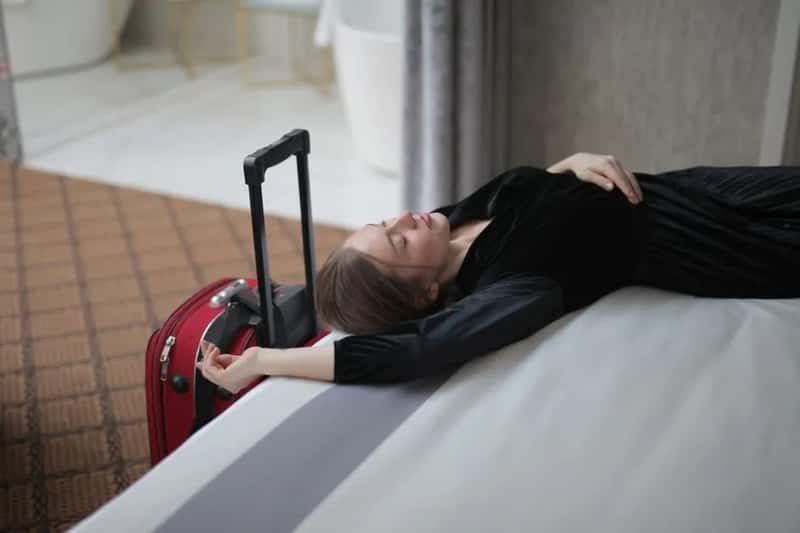
One of the more useful mental shifts frequent flyers make is stopping the habit of thinking about time in terms of home. Instead, they mentally set their watch to the destination the moment they board the first flight, and they let the layover fit into that new schedule rather than treating it as limbo. Sleep researchers who study frequent travellers recommend exactly this kind of forward planning, noting that standard treatment approaches for jet lag include timed melatonin administration, timed light exposure, strategic scheduling of sleep, and maintaining home-base sleep hours during short trips where adaptation would be limited[9].
That last point matters. On a short layover before a short trip, some frequent flyers deliberately don’t try to adjust at all, since the effort isn’t worth it for a two day visit. On a longer connection ahead of an extended stay, however, they use the layover itself as the first real step toward the new schedule, adjusting meal times and light exposure to match the destination rather than the departure city.
8. Picking Lounges or Rest Areas Based on Noise and Light Control, Not Just Comfort
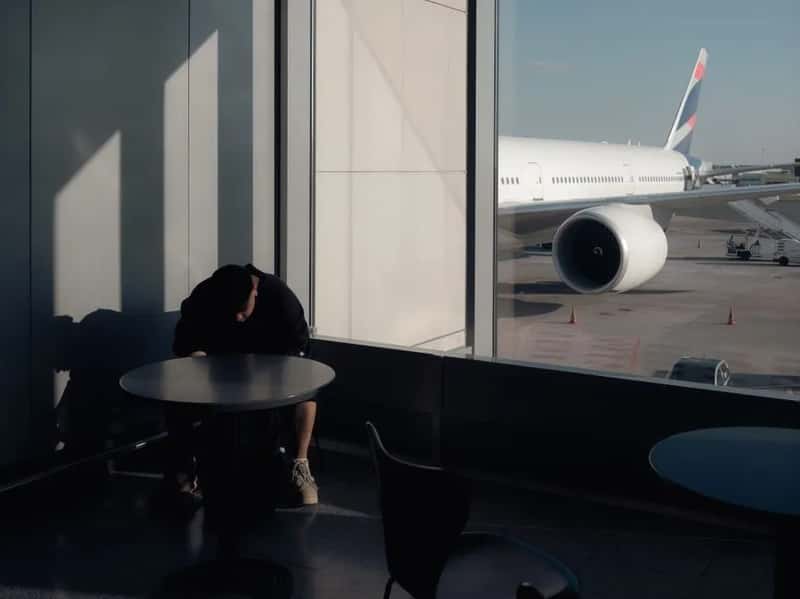
Not every lounge is built the same, and frequent flyers tend to scout for the ones with dimmer lighting, quieter corners, or dedicated quiet zones rather than simply the one with the best food spread. This preference lines up with why private pods have grown so popular as an alternative. Market analysis on traveller behaviour notes that comparing airport lounges and sleeping pods reveals a preference for the guaranteed privacy and quiet of a pod, especially for focused work or rest[4].
For travellers without lounge access or pod budgets, the same principle still applies on a smaller scale. Finding a gate area away from the main walkway, wearing an eye mask during a deliberately timed rest, or simply choosing a corner seat facing away from screens and announcements can replicate some of that same low-stimulation environment. The goal is always the same: control the sensory input so the body gets an actual chance to downshift.
9. Building In Deliberate Movement and Fresh Air Before the Next Boarding Call
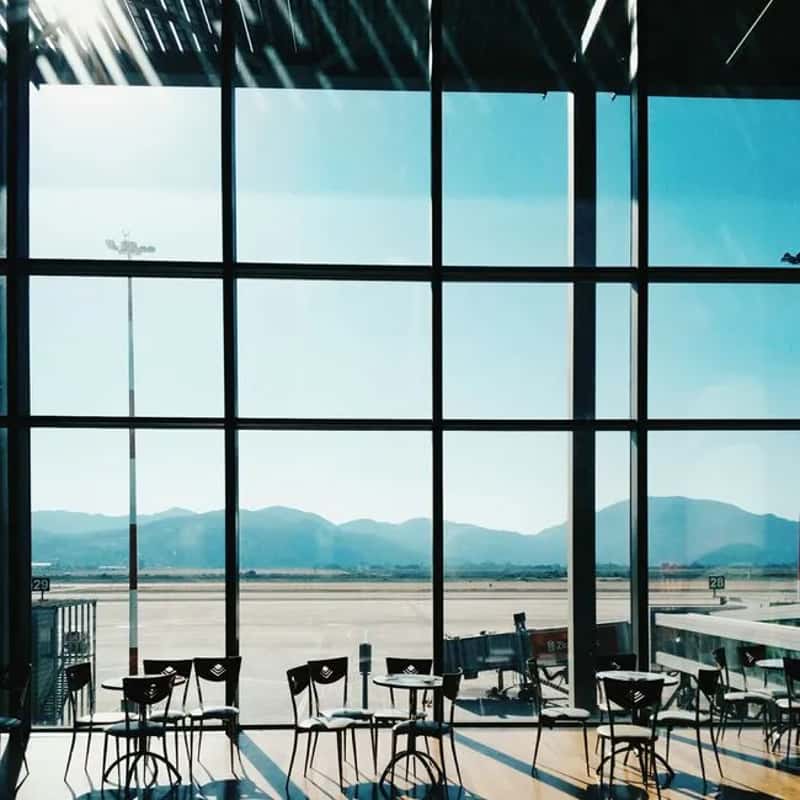
The final habit is less about sleep and more about resetting alertness before the next leg begins. Frequent flyers who have long layovers will often leave security if time and visas allow, walk outside, and get a dose of real daylight and fresh air rather than spending the entire connection under fluorescent terminal lighting. This isn’t just a comfort preference, it ties directly back into the light exposure strategies that circadian scientists recommend. As one Stanford circadian physiologist put it, understanding light intensity in different environments is central to managing the process, since understanding light intensity levels in different environments is key[1] to using it effectively.
Even for travellers who can’t leave the airport, a walk past large windows, a stop near a terminal’s outdoor garden if one exists, or simply choosing a route through the airport that passes natural light does something similar. It’s a small habit, but it’s one that consistently shows up in how frequent flyers describe managing long, multi-leg journeys without arriving completely drained.
None of these nine habits are complicated, and none require special equipment beyond maybe a pair of compression socks and a refillable water bottle. What they share is a refusal to treat the layover as dead time. Frequent travellers who arrive rested are usually the ones who’ve stopped seeing the connection as an obstacle and started treating it as the first stage of adjusting to wherever they’re headed next.