There’s a certain irony in traveling somewhere beautiful only to be greeted with a fee, a fine, or a protest sign. Yet that’s increasingly the reality across some of the world’s most photographed destinations, where local patience with visitor numbers has worn thin enough to trigger real policy change. From new entry taxes to hard caps on cruise ships, the places below have all drawn a line somewhere between welcoming tourism and protecting daily life for the people who actually live there.
Venice, Italy
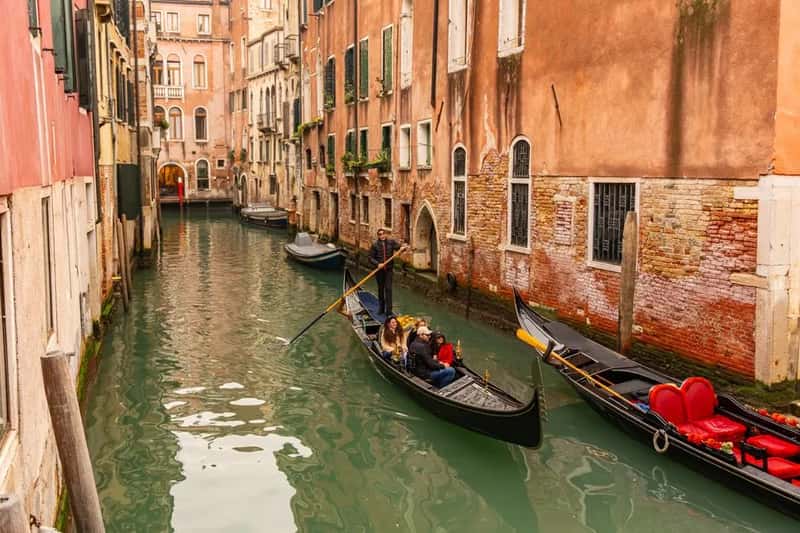
Venice has spent the past three years building one of Europe’s most closely watched experiments in tourism control. After UNESCO warned that Venice’s heritage was being endangered by overtourism, the access charge known as the contributo d’accesso was first introduced by city authorities in 2024.[1] By 2026, the scheme had grown rather than shrunk, with the day-tripper entry fee expanded to 60 peak days between April 3rd and July 26th.[2]
The numbers explain why officials keep tightening the rules. Peak dates attracted nearly 25,000 tourists, the equivalent of half the resident population of Venice.[3] Even so, last year’s figures show day visitor numbers dropped only slightly compared to the previous year, despite the fee[4], and some locals have complained the whole arrangement makes their hometown feel less like a city and more like an attraction with a turnstile.
Barcelona, Spain
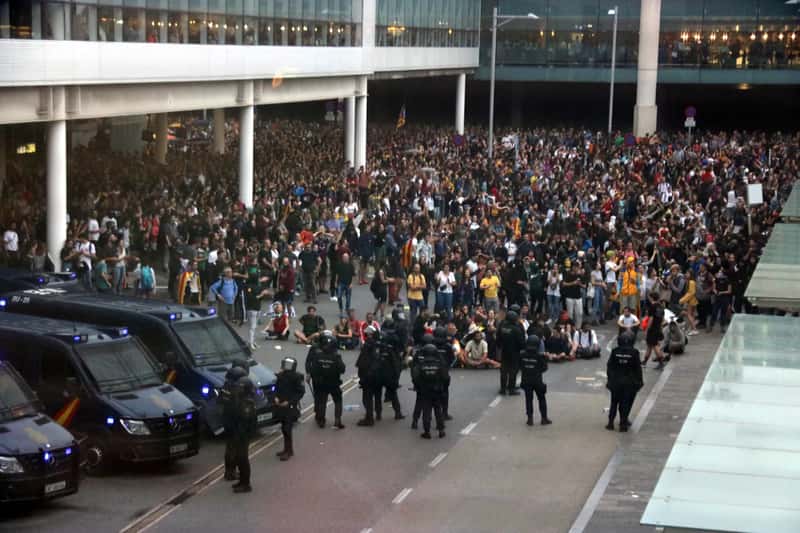
Few cities have become as symbolic of anti-tourism sentiment as Barcelona. Barcelona has become something close to the symbol of Europe’s overtourism fatigue, and in June 2025, protesters marched through central Barcelona holding signs stating tourism is killing Barcelona and squirting people with water pistols in tourist hotspots.[5] The frustration is rooted in housing costs that residents say have spiraled out of reach.
City officials have responded with some of the strictest measures on the continent. Mayor Jaume Collboni said rents had increased 68% in the past 10 years, with the cost of buying a house up 38%.[5] The most aggressive example is Barcelona, which will phase out all 10,000 short-term rental licenses by November 2028, a policy Spain’s Constitutional Court upheld after the government fined Airbnb €65 million for advertising properties without proper licenses.[6] The city has also appointed its first commissioner for sustainable tourism, José Antonio Donaire, at the forefront of efforts to reverse and prevent overtourism.[5]
Amsterdam, Netherlands
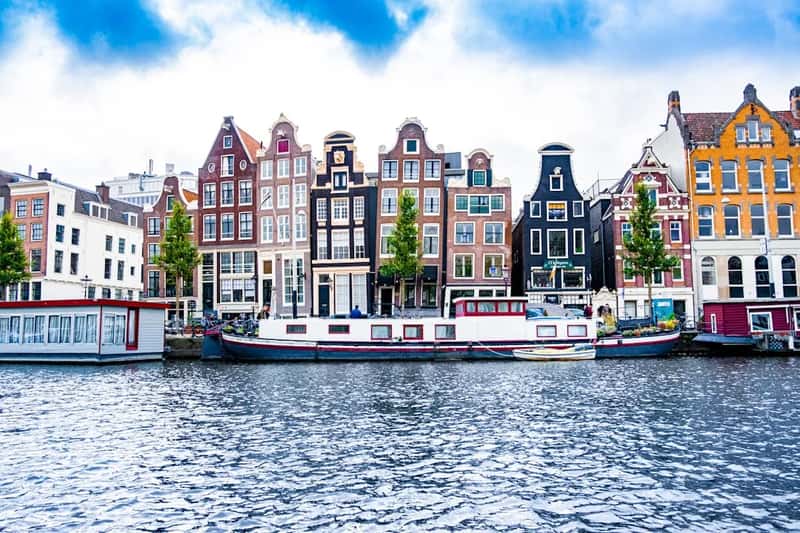
Amsterdam’s relationship with mass tourism has been fraying for years, and its “Stay Away” messaging campaign was an early sign of that shift. The Dutch city plans to limit cruise ships in its harbour to just 100 in 2026, down from 190 currently, before banning them by 2035, even as it recorded around 23 million overnight tourist stays in 2024, roughly a three percent increase over the previous year, despite its self-imposed cap of 20 million set in 2021.[7]
The crackdown has since moved into housing policy as well. As of April 2026, Amsterdam cut short-term rental nights in central districts from 30 to 15 and banned new hotels unless another one closes, alongside the cruise ship cap of 100 per year, down from 190, with a full ban by 2035.[6] Together, the measures signal a city trying to slow growth rather than simply manage it.
Canary Islands and Balearic Islands, Spain

Spain’s island regions have become the loudest venues for anti-tourism protest in Europe. The Canary Islands received 7.8 million visitors in the first half of 2025 alone, and protests have multiplied, with locals chanting Canarias tiene un límite, demanding limits on visitor numbers and arguing that overtourism is putting a strain on housing, ecosystems, and local life.[8]
The Balearics haven’t been far behind. Demonstrations that began in the archipelagos of the Balearics and Canaries, and spread to Barcelona, San Sebastián, and Málaga, reflect what residents describe as a genuine erosion of quality of life and affordability. Meanwhile, regulatory pressure on short-term rentals has produced measurable results, since by January 2026, Reuters reported Ibiza’s short-term holiday rentals had almost halved in 2025 from a year earlier as the crackdown started to bite.[9]
Mexico City, Mexico
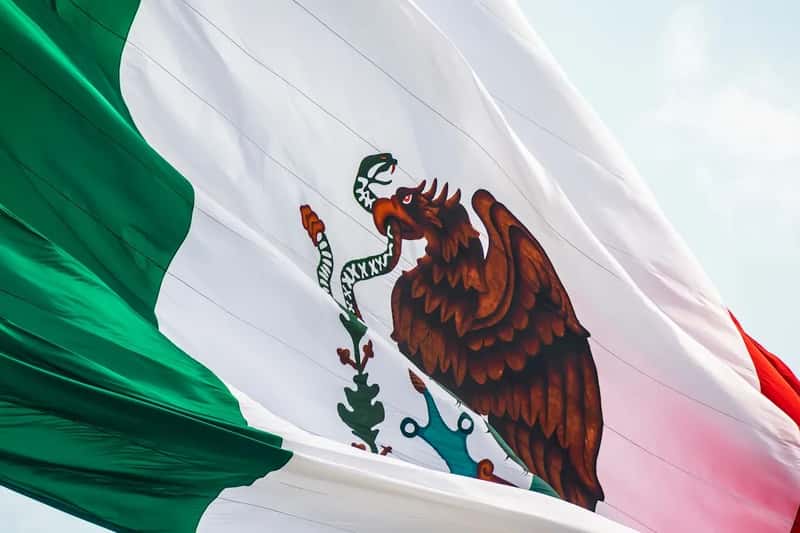
Mexico City’s tourism boom has collided directly with a housing crisis, and the tension has spilled into the streets. Mexico City saw sometimes violent eruptions against overtourism throughout the summer of 2025, with the first protest beginning on 4 July, American Independence Day, protesting the perceived endless influx of Americans and Europeans into trendy neighborhoods that were forcing out long-term residents because of exorbitant rent hikes and a lack of regulation over holiday lettings.[10]
The friction extends beyond rent. There is also frustration over an increase in restaurant menus in English, or hot sauces at taco stands becoming milder because they need to cater to more sensitive foreign palates.[10] Locals have blamed the shift partly on the Instagram, Airbnb, and Uber generation, which is creating a commodification of community life and fuelling displacement and soaring short-term rentals.[8]
Santorini and Mykonos, Greece
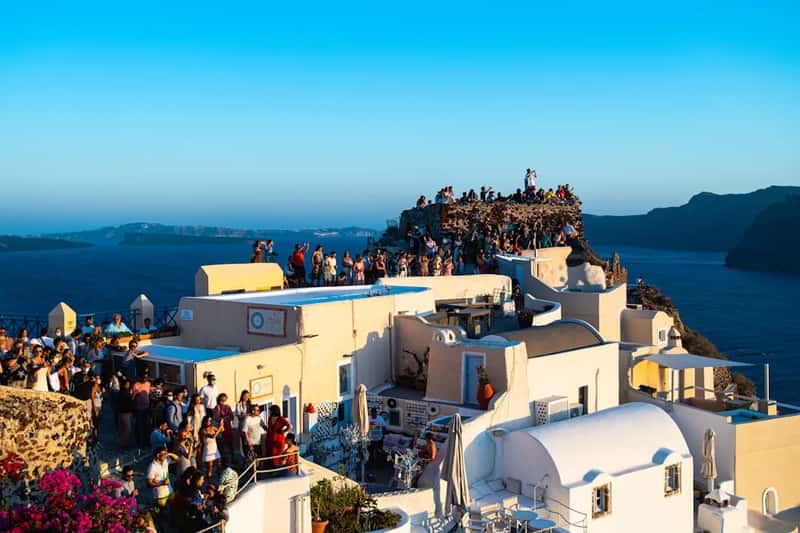
Santorini’s caldera views have long been an Instagram staple, but the crowding behind those photos became untenable. On peak summer days, more than 17,000 cruise passengers were disembarking onto an island with a permanent population of roughly 15,000 people, turning streets in Oia and Fira into slow-moving human traffic jams by mid-morning.[11]
Greek authorities responded with one of the most concrete caps anywhere in the tourism world. Greece introduced a new daily Santorini cruise passenger cap of 8,000 and a tiered levy of up to €20 per person, measures now fully in force for 2026.[12] The rules got stricter still, since for 2025 the port assumed 80% occupancy when calculating each ship’s passenger load, but in 2026 that assumption rose to 100%, effectively reducing the number of large vessels that can call on any given day.[12] Mykonos, meanwhile, shares the 20-euro peak cruise fee but has no equivalent hard daily cap, and its cruise volumes have kept rising.[13]
Mount Fuji, Japan

Japan’s most sacred peak has quietly become one of the world’s more tightly regulated hikes. From the 2026 climbing season, visitors accessing any of the four main trails must pay a ¥4,000 climbing fee, while the popular Yoshida Trail on the Yamanashi side restricts access to 4,000 climbers per day, excluding hikers with mountain hut reservations.[14]
The changes have arrived in stages over three straight years, driven largely by safety and litter concerns. Roughly 205,000 people climbed Fuji last summer, and crowding, litter, and unprepared hikers in sneakers pushed local authorities to tighten access for a third straight year.[15] Officials also cracked down on so-called bullet climbing, since a new restriction limits access between 2 pm and 3 am, aimed at preventing hikers from rushing to the summit without resting in the designated overnight huts.[16]
Nice and Cannes, France
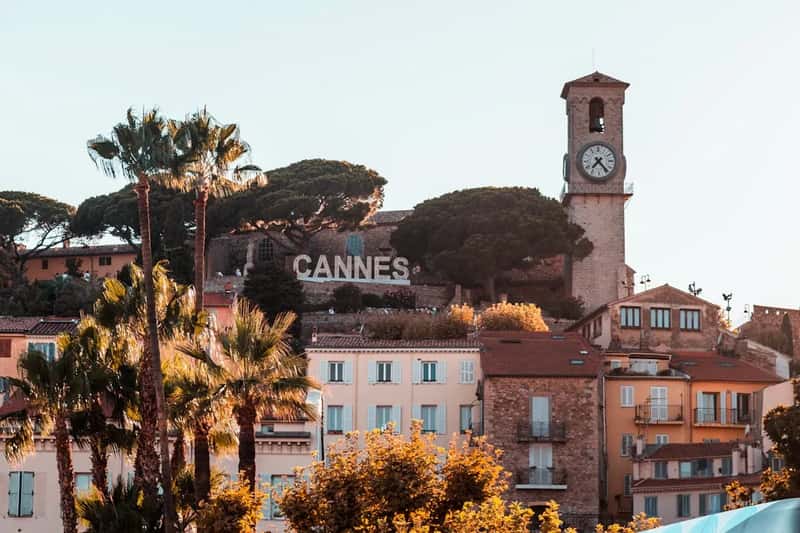
The French Riviera’s overtourism problem has a very specific shape: giant ships docking in small ports never designed for them. Massive vessels docking in small ports overwhelm narrow old towns built centuries before anyone imagined ships carrying thousands of day trippers at once, and in Southern France, Nice and Cannes have begun limiting cruise ship passengers coming into the towns starting in summer 2026.[5]
Cannes in particular rewrote how its harbor operates. Cannes moved to limit cruise crowd surges by setting a daily cap on disembarking passengers and restricting the largest ships, with local leaders citing congestion and air quality concerns tied to peak arrivals in the old port area, favoring smaller vessels over the floating cities that once dominated the harbor.[5] The shift mirrors what’s happening in Greece and Italy: less about banning cruise tourism outright, more about scaling it down to something the town can actually absorb.
Bali, Indonesia
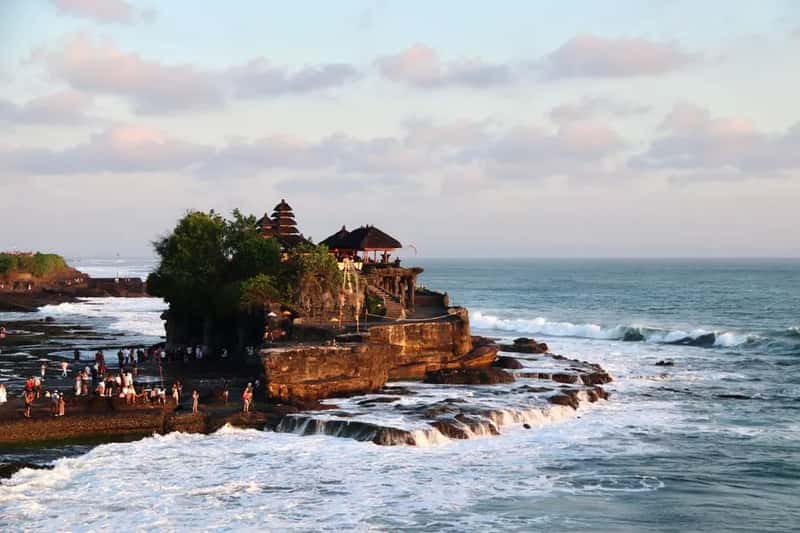
Bali’s tourism authorities have joined a broader Southeast Asian trend toward stricter visitor management rather than open-door growth. Nations that once competed for record visitor numbers are now introducing stringent mechanisms intended to deter superficial, high-volume travel and to channel international movement toward more sustainable, respectful forms of cultural exchange.[17]
Indonesia has followed neighboring countries in tightening rules around cultural conduct and entry costs. By May 2026, bold tourism levies, routine behavioral enforcement, and extensive cultural protection mandates have been implemented across Southeast Asia, Europe, and beyond.[17] For Bali specifically, that has meant closer scrutiny of behavior at temples and sacred sites, alongside the kind of entry fee structure that other regional destinations like Thailand have also introduced for arriving travelers.
Across all nine places, the pattern looks less like hostility toward tourists and more like an attempt to recalibrate. Fees, caps, and licensing rules are blunt tools, and none of them have eliminated crowding entirely. What they represent instead is a shift in leverage, with residents and city governments finally pushing back on decades of unmanaged growth, and travelers who plan ahead, book early, and read the fine print will likely have an easier time navigating what has become a genuinely different era of travel.