
Ask anyone who has worked the graveyard shift at a hotel front desk and they’ll tell you the night doesn’t slow down just because the lobby goes quiet. Night porters, sometimes called night receptionists or night auditors depending on the property, are the ones holding the building together between the last checkout and the first coffee order. They see things regular front-desk staff rarely witness, especially when it comes to guests who roll in long after midnight.
Late arrivals are a strange, quiet drama that plays out almost every night in hotels around the world. Behind the calm smile at the desk, there’s a whole system of rules, logs, and instincts most guests never think about. Here are nine things night porters know about late check-ins that rarely make it into the guest-facing brochure.
1. They Already Know Who Hasn’t Shown Up Yet
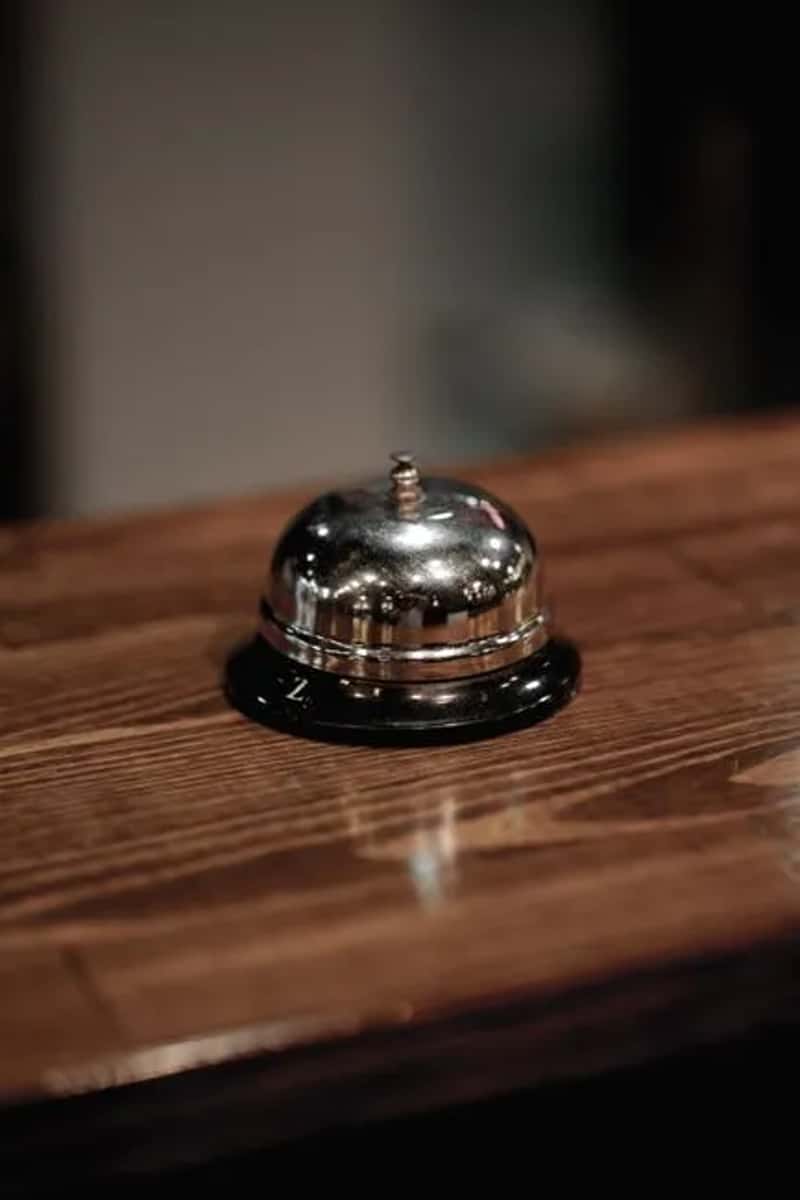
Long before a guest walks through the door at 2 a.m., the night porter has usually reviewed a list of everyone expected that evening. The front desk agent will have a list of expected late arrivals and will check you in.[1] This isn’t guesswork; it’s a handover document passed from the day shift, updated in real time as people trickle in.
That list becomes the night porter’s roadmap for the entire shift. It tells them who’s flying in on a delayed flight, who called ahead to say they’d be late, and who simply vanished without a word. By the time a guest arrives, the porter often already knows their name, their room type, and sometimes even why they’re running behind.
2. The Clock Is Always Ticking on Unsecured Bookings
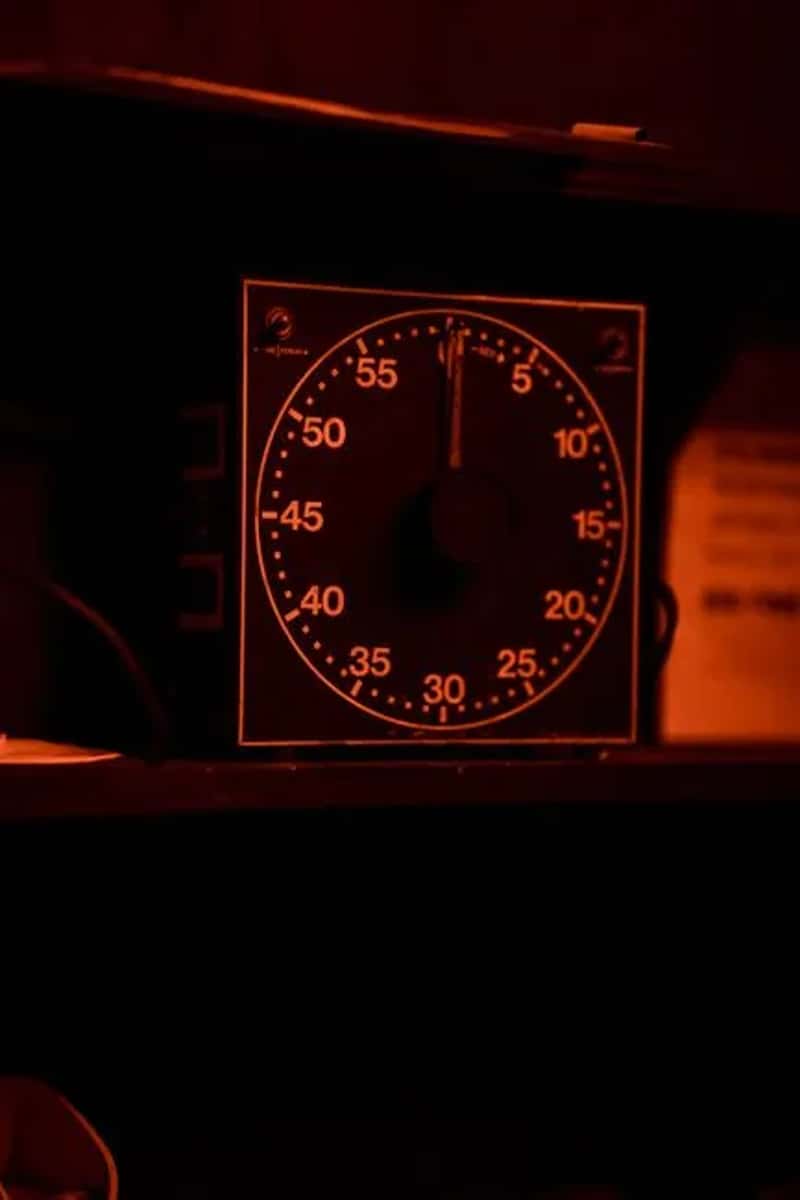
Not every reservation is treated equally once the sun goes down. A guaranteed reservation is secured with a valid payment card at booking, and the hotel holds your room for the entire arrival day regardless of when you arrive. An unguaranteed reservation has no card on file and can be released if you do not appear by the hotel’s stated cut-off time, which is often 6 PM.[2] Night porters are the ones enforcing that cutoff, often with a countdown clock running silently in the back of their minds.
If a guest hasn’t called and the room isn’t guaranteed, porters know exactly when they’re allowed to release it. The hotel may treat you as a “no-show.” They are within their rights to cancel your reservation and sell your room to another guest after a certain time.[1] It’s a decision they don’t make lightly, but one they’re trained to execute the moment the deadline passes.
3. “Guaranteed” Doesn’t Always Mean What Guests Think It Means

Plenty of travelers assume a guaranteed reservation means their room is untouchable no matter when they arrive. In practice, night porters know the fine print matters just as much as the promise. Guaranteed reservations are held until at least 6:00 a.m. the following morning, at which time the reservation and deposit are forfeited.[3]
Even with that safeguard, hotels sometimes oversell rooms as a business strategy, and porters are the ones left explaining the gap. The American Hotel & Lodging Association explains that overbooking is a standard revenue practice used by hotels to offset expected cancellations and no-shows.[4] Most nights it works out fine, but when it doesn’t, it’s the night porter who has to break the news at the desk.
4. Rooms Are Often Prepped Before the Doorbell Rings

By the time a delayed guest finally arrives, their key is frequently already cut and their room assignment locked in. Night shift work isn’t just about waiting around; it involves administrative prep that keeps the morning handover smooth. The night porter is often responsible for various administrative tasks that are required for the hotel’s overnight management, including updating guest records, preparing invoices, or handling late-night reservations and cancellations. These tasks require a sharp eye for detail and a thorough understanding of the hotel’s administrative processes.[5]
This behind-the-scenes prep is why check-in at 3 a.m. can still feel remarkably fast despite the hour. Porters juggle multiple late arrivals at once, often quietly working through paperwork between guests so nobody has to wait longer than necessary once they finally reach the counter.
5. Security Instincts Kick in the Moment Someone Walks In Late
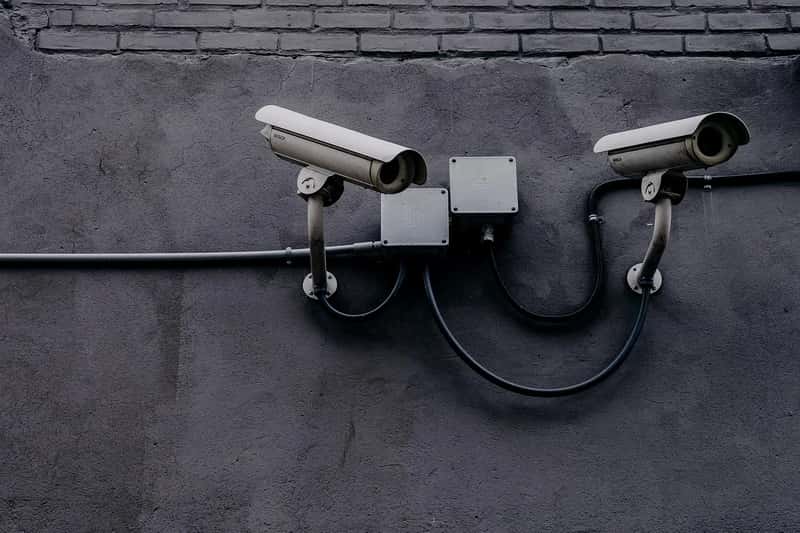
A late arrival isn’t just a booking to process, it’s also a safety check. Night porters are trained to notice anything unusual the instant a guest steps into the lobby after hours. First and foremost, the night porter is responsible for the safety of the hotel. They patrol the property, check that all doors and windows are locked, and keep an eye on the CCTV. If anything seems out of place, they’re the first to respond.[5]
This vigilance extends directly to who’s coming through the door at odd hours. They must be proficient in procedures to be followed in case of suspicious activities, such as unauthorized entries and unusual noises.[6] It’s a subtle skill, reading a late arrival’s demeanor while still being warm and welcoming, but experienced porters do it almost without thinking.
6. Every Late Check-In Might Trigger Paperwork You Never See

In many countries, hotels are legally required to log guest information for local authorities, and that responsibility often falls squarely on the night shift. The receptionist must maintain a log of arrivals and departures during the night, updating files to be sent to the local police and statistical offices, particularly for guests staying for a single night. As of January 2022, this data must be communicated within 6 hours of check-in.[6]
That means a guest arriving at 1 a.m. isn’t just getting a key, they’re also being entered into a system with a strict reporting window. Night porters juggle this administrative duty alongside everything else, making sure compliance never slips even during the busiest overnight rush.
7. They’re the Ones Managing the Fallout When Rooms Run Out

When a hotel oversells and a guaranteed guest shows up to find no room available, it’s the night porter who has to manage the situation in real time. Many major chains have formal procedures for exactly this scenario. When a guaranteed reservation is not honored, many major hotel brands have “walk” policies. Hilton Honors also publishes reservation guarantee benefits for eligible elite members when a confirmed room is unavailable. Depending on the brand, the guest may get accommodations at another hotel plus a credit or points.[4]
Independent properties without those polished systems put even more pressure on the porter’s judgment call. Not every property belongs to a major chain with polished guarantees. Independent hotels may have stricter or more unusual late-arrival policies, and those can be perfectly legal if they are properly disclosed during booking.[4] Handling an upset, exhausted guest at 1 a.m. while arranging a walk to another property is one of the toughest parts of the job.
8. Small Comforts Matter More at 2 a.m. Than at 2 p.m.

Guests who arrive late are usually tired, hungry, or simply relieved to have finally made it. Night porters know that a little extra care goes a long way at that hour, and it’s baked into the job description. A hotel night porter might have to cover for many different jobs: covering the reception desk, dealing with enquiries by phone and face-to-face, using the computer to check in guests arriving late, and check out those leaving early, preparing and delivering late night snacks to guests’ rooms.[7]
These small gestures, a snack sent up, a quiet word of reassurance, a fast key handoff, often shape how a guest remembers the entire stay far more than anything that happened during the day. Anticipate needs of guests and follow up on any requests, and make it a personal and memorable experience for the guests.[8] It’s a low-key kind of hospitality, but it counts.
9. They Can Read a Late Arrival Before a Word Is Said

Experienced night porters develop a fast, almost instinctive sense of what a late-arriving guest needs just from how they walk in. Someone dragging luggage and squinting under the lobby lights probably wants nothing more than a fast checkout and a quiet room. Someone chatty and wide awake at 3 a.m. might just want a friendly face after a long journey, and porters adjust their approach accordingly.
This read-the-room skill isn’t something taught in a manual; it comes from repetition and genuine attentiveness to people. Night Porters play a crucial part in maintaining the hotel’s safety and comfort during quieter hours, often working independently or with minimal staff.[9] Working alone for hours at a time sharpens that instinct, because there’s rarely a colleague nearby to double-check a read on a guest’s mood or needs.
None of this is secret in a scandalous sense, but it is knowledge most travelers never think to ask about. The next time you check in well past midnight, remember there’s a whole quiet system working in your favor: logs being checked, rooms being prepped, and someone behind the desk who has likely already been expecting you for hours. Late arrivals aren’t an inconvenience to night porters, they’re simply part of the rhythm of the job, handled with more care and structure than most guests ever realize.