Moving abroad has a way of scrambling your financial instincts. Prices look different, currencies feel less real, and the usual mental checkpoints that kept your spending in line back home just don’t fire the same way anymore. Most expats don’t realize they’re leaking money until months, sometimes years, into their new life.
The tricky part is that overspending abroad rarely looks reckless. It looks like convenience, comfort, or simply “how things are done here.” Below are nine quiet patterns that tend to catch expats off guard, often long after the damage has added up.
1. You’re paying “expat prices” without noticing

Many cities popular with foreigners, from Lisbon to Bangkok to Mexico City, have developed a dual pricing reality where locals and newcomers pay noticeably different amounts for the same goods and services. Landlords, informal vendors, and even some service providers adjust rates upward when they sense a customer isn’t fluent in local norms or language. This isn’t always malicious; it’s often just market behavior in places where demand from foreign residents has pushed up willingness to pay.
The problem is that these markups compound over time across rent, taxis, and everyday purchases. A rent premium of even a modest percentage, paid monthly for years, adds up to a significant sum that a local tenant simply wouldn’t pay. Learning basic local pricing benchmarks, even loosely, is one of the fastest ways to close this gap.
2. Your grocery bill quietly shifted toward imported brands

It’s a common pattern: within the first few months abroad, expats gravitate toward familiar packaging from home because it feels safe and recognizable. Imported cereals, sauces, snacks, and specialty items often carry steep markups due to shipping, tariffs, and limited local demand. Over time, this “comfort shopping” becomes a routine grocery habit rather than an occasional treat.
The financial impact shows up gradually rather than all at once, which is exactly why it’s easy to miss. A cart that’s half-filled with imported goods can cost meaningfully more than one built around local staples and produce. Many long-term expats eventually notice their grocery spending drop once they lean into what’s actually grown or produced nearby.
3. You keep converting prices back to your home currency
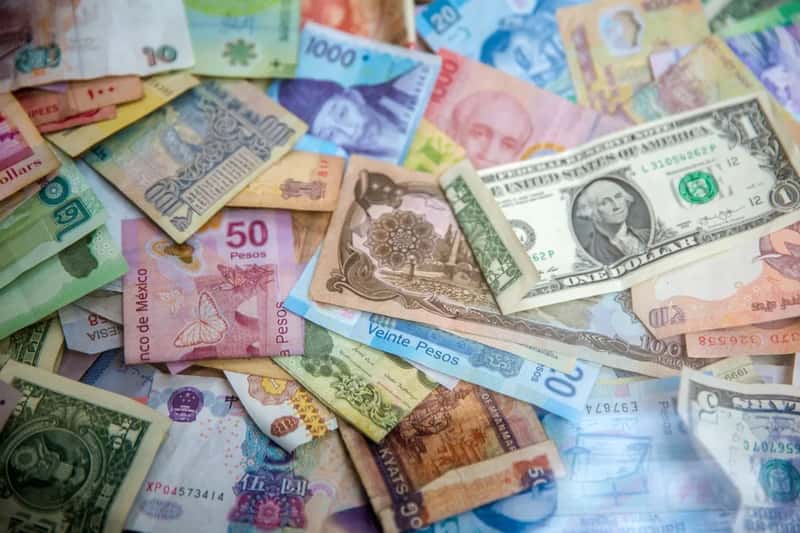
Mentally translating every price back into dollars, euros, or pounds sounds like financial discipline, but it often backfires. A price that seems “cheap” compared to home currency can still be expensive relative to local wages and living costs, leading expats to overspend on things locals would consider a splurge. This mental shortcut disconnects spending decisions from the actual cost of living where you now reside.
Over months, this habit skews perception of what’s reasonable across categories like dining out, taxis, and services. Financial advisors who work with expat clients often note that this currency-conversion habit is one of the more persistent psychological traps of living abroad. Shifting to thinking in local currency, and comparing prices to local income benchmarks, tends to correct the distortion fairly quickly.
4. You’re still paying for subscriptions and services you no longer use

Relocating creates a strange gap where old subscriptions from your home country keep running in the background while new local ones pile on top. Streaming services, gym memberships, insurance policies, and even phone plans from a previous country are easy to forget when they’re billed automatically and quietly. Many expats end up paying for overlapping or entirely unused services for months without realizing it.
This kind of leak is particularly common with financial products like international bank accounts or insurance plans that no longer match a person’s actual location or needs. A periodic audit, ideally every few months, of recurring charges tends to surface forgotten subscriptions that add up to a surprising annual total. It’s a small habit, but one of the more reliable ways to plug an invisible drain.
5. You’re underestimating currency conversion and transfer fees

International money transfers and currency exchanges often carry fees that are far less visible than a flat charge, hidden instead inside unfavorable exchange rates. Traditional banks frequently offer exchange rates noticeably worse than the market rate, effectively charging a hidden markup on every transfer or card swipe abroad. For expats who regularly move money between a home country and their country of residence, this adds up meaningfully over a year.
Digital-first services like Wise, Revolut, and similar platforms have grown in popularity precisely because they tend to offer exchange rates closer to the interbank rate, with more transparent fee structures. Someone sending remittances or paying international bills through a traditional bank instead of one of these alternatives can lose a noticeable percentage on every transaction. Comparing actual received amounts, not just advertised fees, is the only reliable way to catch this.
6. You’re paying more in taxes than necessary because you haven’t checked your status

Tax residency rules vary significantly by country, and many expats unintentionally end up paying taxes in two places, or missing exemptions and treaty benefits they’re actually entitled to. The concept of tax residency typically hinges on factors like the number of days spent in a country annually, often around the 183-day threshold, but the specifics differ by jurisdiction and by home country tax treaties. Expats who don’t clarify their status early can end up overpaying, particularly if they’re still filing as though nothing changed.
Countries with double taxation agreements can prevent income from being taxed twice, but only if the paperwork and residency claims are handled correctly. This is one area where a one-time consultation with a cross-border tax specialist tends to pay for itself many times over. Ignoring it, on the other hand, is one of the more expensive mistakes an expat can make without ever noticing the cost.
7. Your housing costs crept up because you never renegotiated

Rental markets shift, sometimes seasonally, sometimes due to broader housing trends, yet many expats simply renew leases at whatever rate a landlord proposes without pushing back. In cities where foreign tenants are common, landlords sometimes count on this passivity, assuming expats are less likely to negotiate or shop around compared to local renters. Over a multi-year stay, unchallenged rent increases can quietly become one of the largest sources of overspending.
Local renters, by contrast, often negotiate lease renewals as a matter of course, comparing nearby listings and using that leverage during renewal talks. Expats who take the time to research comparable rentals before a lease renewal frequently find room to negotiate, even in markets where increases feel automatic. It’s a habit borrowed from local tenants that tends to save real money with very little effort.
8. You’re relying on convenience services that quietly cost far more

Food delivery apps, ride-hailing services, and errand-running platforms are often more expensive relative to local wages in an expat’s new country than they were back home, even when the sticker price looks similar. What felt like an affordable convenience in one economy can represent a genuinely premium service in another, especially in countries where the cost of labor and local transport is lower. Expats sometimes keep these habits purely out of routine, without recalculating whether they still make financial sense locally.
This is especially visible in delivery fees, service charges, and surge pricing on ride apps, all of which can stack up quickly with frequent use. Locals in many of these same cities often rely far more on public transit, markets, or in-person services precisely because the math works out differently for them. Reassessing which conveniences are genuinely worth the premium, rather than defaulting to habit, is where many expats find real savings.
9. You haven’t adjusted your budget since arriving, even though your lifestyle has

A budget built in the first weeks abroad, based on early guesses about cost of living, often stops reflecting reality within a year as habits, social circles, and expectations shift. Someone who initially cooked at home might be eating out several times a week within a year, without ever updating a monthly budget to reflect the change. This gap between assumed and actual spending is one of the most common blind spots among long-term expats.
Financial coaches who specialize in expat clients frequently point out that spending creep happens gradually enough to go unnoticed until a bank statement forces a reckoning. Revisiting a budget every few months, matching it against actual bank and card statements rather than assumptions, tends to reveal exactly where the drift happened. It’s rarely one dramatic expense; it’s usually a dozen small ones that quietly grew alongside a new life abroad.
Spotting these patterns early doesn’t require dramatic lifestyle changes, just a willingness to periodically check assumptions against actual numbers. Most of the financial leaks that affect expats aren’t the result of bad decisions, but of decisions made once and never revisited as circumstances shifted. A few hours of review every few months, comparing bills, budgets, and habits against current reality, tends to be enough to catch most of these before they become expensive.