Hotel etiquette rarely gets talked about until someone breaks it, and then everyone in the elevator seems to notice at once. Most travelers think good manners on the road are about big gestures, tipping generously or being polite to the desk staff. Yet it’s often the smaller, almost invisible habits that tell hotel employees and fellow guests exactly what kind of person they’re dealing with.
1. Walking Around the Halls in Pajamas or Undone Robes

Hotel hallways are still shared public spaces, even if your room feels like a private bubble. Wandering to the ice machine or elevator in boxers, a loosely tied robe, or pajama pants with holes sends a message that comfort matters more than basic awareness of others. It’s not about dressing up, just about recognizing that other guests, families with kids, and staff are sharing that same corridor.
Front desk workers have long noted that guests who treat hallways like their own bedroom tend to be the same ones who leave the most complaints when someone else does something similar. A robe that’s actually closed and slippers instead of bare feet take seconds to manage. Small effort, big difference in how the space feels for everyone else using it.
2. Leaving the “Do Not Disturb” Sign Up for Days
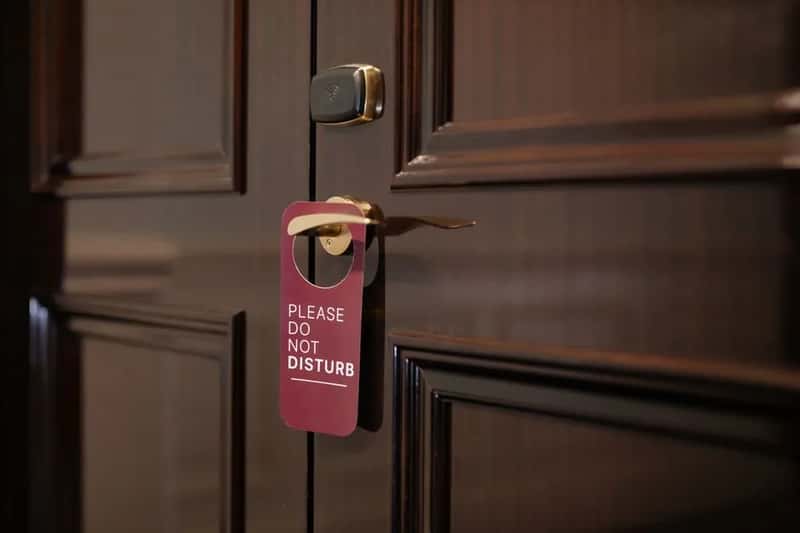
Housekeeping teams plan their entire shift around which rooms need service, and a sign left up for three or four consecutive days throws that rhythm off. Some guests do this out of habit or forgetfulness, but it often reads as an attempt to avoid tipping housekeeping or interacting with staff altogether. Hotels in 2025 and 2026 have increasingly shifted to opt-in cleaning schedules partly because of this exact behavior, forcing guests to actively request service rather than the reverse.
The irony is that skipping cleaning for an extended stay usually just means a guest is sitting in their own mess longer than necessary. A quick call to the front desk asking for towels or trash removal, even without full service, keeps things reasonable. It also respects the reality that housekeepers are often paid based on rooms serviced, not rooms occupied.
3. Treating the Buffet Like a Personal Buffet to Hoard

Breakfast buffets are a recurring flashpoint in hotel complaints, and the worst offenders are the guests who stack plates for a family of six who never shows up, or who wrap bacon in napkins to sneak upstairs. This isn’t just a minor annoyance, it directly affects other guests who arrive later to find empty trays and long waits for refills. Staff members frequently mention that hoarding food behavior is one of the fastest ways to get flagged by dining staff as a problem guest.
Taking modest portions and returning for seconds is a system that works precisely because most people follow it. The moment someone treats the buffet as a stockpiling opportunity, that unspoken agreement breaks down for everyone else in line. It also tends to increase food waste, since hoarded food rarely gets fully eaten anyway.
4. Being Rude or Dismissive to Front Desk Staff

Speaking sharply to a check-in clerk over a billing question or room mix-up is one of the clearest signals of a guest who lacks basic composure. Front desk employees handle dozens of similar issues daily, and how a guest speaks during a problem says more about them than the problem itself. Industry surveys on hospitality workplace stress consistently list guest hostility as a top contributor to staff turnover, particularly in front-of-house roles.
Calm, direct communication almost always gets better results anyway, since staff members have more flexibility to help guests who aren’t making their job harder. Raising a voice or demanding a manager immediately, before even explaining the issue, rarely speeds anything up. It just makes the resolution process colder and slower for everyone involved, including the guest doing the yelling.
5. Leaving the Room in a Disaster Before Checkout

There’s a difference between normal mess from a trip and leaving a room that looks like it survived a small storm, wet towels on the bed, food wrappers under furniture, spilled drinks left to dry into the carpet. Housekeeping teams typically get fifteen to thirty minutes to turn a room around between guests, and rooms left in extreme disarray push that timeline past what’s realistic. This can create a domino effect where the next guest’s check-in gets delayed because their room isn’t ready.
Nobody expects guests to fully clean a hotel room, that’s literally what housekeeping is paid to do. But basic courtesy, like tossing trash in the bin or not smearing food into upholstery, keeps the turnover process functional. It also reduces the odds of getting hit with a damage fee, which many hotels have become quicker to enforce since 2024 amid rising cleaning and staffing costs.
6. Hogging Shared Amenities Like Pools or Loungers

Claiming five pool chairs with towels at seven in the morning, then not showing up until noon, is a classic move that irritates other guests almost instantly. Resort and hotel pools are shared amenities with limited seating, and reserving space without using it defeats the entire point of shared access. Staff at many resorts have started actively removing unattended items after a set time specifically because this behavior became so common.
The same principle applies to hot tubs, gym equipment, and lounge areas, spaces that work only when people use them and then move on. Spending real time in a chair is different from treating it as personal property for the day. It’s a small courtesy, but it’s the kind that other guests notice and remember, often more than they’d admit.
7. Ignoring Noise Levels Late at Night

Loud phone calls, blasting music, or hallway conversations after eleven at night are consistently near the top of guest complaint lists at hotels across price ranges. Walls and doors in most hotels, even higher-end ones, aren’t soundproof enough to block normal speaking volume, let alone a television turned up high. This becomes especially disruptive in hotels that mix business travelers with families, where schedules and tolerance for noise vary widely.
Most hotels enforce quiet hours starting around ten or eleven at night, and repeated noise complaints can lead to warnings or even removal in more serious cases. Simple habits, keeping calls short in the hallway, using headphones instead of speakers, closing doors gently, cost nothing and prevent almost all noise-related friction. It’s one of the easiest fixes on this entire list, yet still one of the most common complaints staff deal with.
8. Skipping Tips for Housekeeping and Bell Staff Entirely
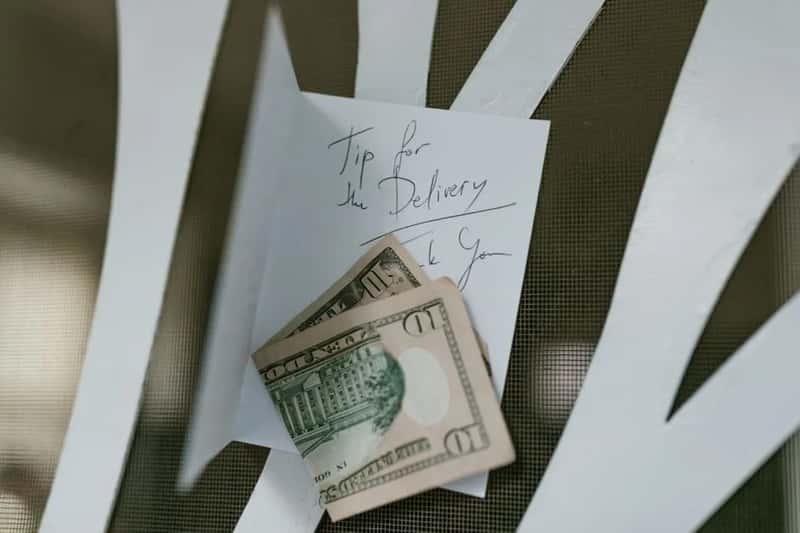
Tipping norms in hotels have shifted over the past few years, but skipping gratuities altogether for housekeeping, valet, or bell staff remains a quiet signal of poor etiquette. The American Hotel and Lodging Association has recommended tipping housekeeping between one and five dollars per night, a guideline many travelers still aren’t aware of. Bell staff carrying bags typically expect a couple of dollars per bag, a small cost relative to most hotel stays.
These roles are often among the lowest paid in the hotel, and tips can make up a meaningful part of their actual income. Skipping this isn’t illegal or even rule breaking, but it’s noticed, especially by staff who remember which rooms consistently leave nothing behind. Even a few dollars left with a simple note goes further than most guests realize.
9. Taking More Than the Basics From the Room
Pens, notepads, and small toiletries are generally fair game, most hotels expect and even budget for guests taking those. The line gets crossed when guests pack up bathrobes, artwork, remote controls, or entire trays of glassware, items that are clearly hotel property rather than complimentary extras. Hotels have increasingly turned to itemized “theft fees” listed directly in guest agreements since 2023 and 2024, specifically because unauthorized removal of larger items became frequent enough to justify formal charges.
Some hotels, particularly boutique and luxury properties, now sell branded versions of robes, slippers, or bedding directly through in-room catalogs or their website, a direct response to how often those items disappeared without payment. This shift shows how common the behavior became, common enough that hotels built entire retail systems around it rather than just adding warning signs. Taking what’s actually offered, versus what merely looks nice, remains the simplest way to avoid an awkward line item on a final bill.
Hotel etiquette isn’t complicated once you look at what actually bothers staff and fellow guests. Most of it comes down to basic awareness, that other people are sharing these same hallways, buffets, pools, and thin walls. None of these fixes cost much beyond a little attention, yet they’re exactly what separates a guest people remember fondly from one they remember for the wrong reasons.