Most of us treat a flight or a border crossing as a chore to get through. For the people working there, every sentence you say is a data point. Words that would pass as small talk at a café can be read very differently in a cabin or at a customs booth.
The stakes are higher than a awkward moment. Some phrases can get you removed from a plane, fined, or questioned for hours. Here are nine worth keeping to yourself.
Joking About Having a Bomb
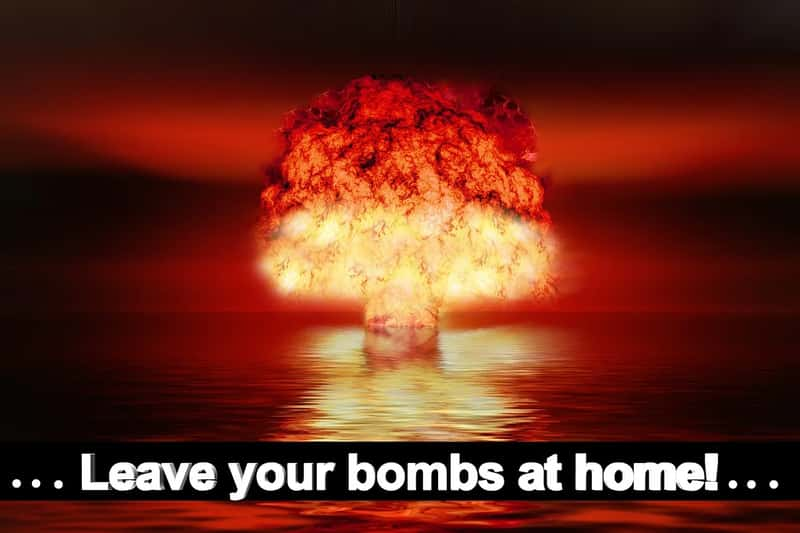
This is the classic, and it’s still the one that causes the most trouble. Making false claims about bombs or weapons, even jokingly, is a federal offense[1], according to one law firm’s overview of charges tied to airline travel. The same overview lists potential imprisonment of up to 20 years for the most serious hoax cases.
A separate statute, 49 U.S.C. § 46507, covers false information about aircraft related crimes. It applies when someone willfully makes false statements that reasonably may be believed, with a possible prison sentence of up to five years, a fine, or both.[2] Intent to cause harm isn’t the test, since courts have supported treating bomb or weapon jokes at airports as real threats, even when the person meant no harm.[3]
Careless Slang Like She’s the Bomb or I’m Going to Blow Up
You don’t need to make a threat to sound like you’re making one. One travel writer’s advice is blunt: on an airplane you don’t even want to say a slang compliment that uses the word bomb.[4] Saying someone’s great works just as well.
Language gets tangled quickly. In one reported incident, flight attendants asked a German man to sit down, and he told them he was going to blow up.[4] It turned out to be a clunky translation of a German phrase people use when they need to relieve themselves.[4] If you’re unsure how a phrase will land, say the plain version instead.
Refusing to Follow a Crew Instruction
Telling a flight attendant you’ll buckle up later, or that your phone can stay on a little longer, sounds minor. It isn’t. Compliance with crew instructions is the single most important factor in avoiding a fine[5], and it doesn’t matter whether you think the flight attendant is being unfair.[5]
The money involved is real. The FAA says it can propose fines of up to $43,658 per violation, and a single incident can involve multiple violations.[6] In one earlier case, the agency proposed $13,000 against a passenger who allegedly refused to turn off her phone during takeoff, among other instructions.[7]
Insulting or Threatening a Crew Member
It’s easy to forget what flight attendants are actually on board for. They’re highly trained safety experts, and their main job is to keep everyone secure in the air.[8] Yelling, insulting, or threatening them gets treated accordingly, since federal aviation rules make it illegal to interfere with a crew member’s duties.[8]
The criminal side is steep. Assaulting or intimidating a crew member so as to interfere with their duties is a federal crime under 49 U.S.C. § 46504, punishable by up to 20 years in prison.[9] Airlines also keep shared no fly lists that can block known disruptive passengers from booking with participating carriers.[10]
Announcing You’ll Drink Your Own Alcohol

Pulling out a bottle from your carry on and saying it’s fine is a bad plan. FAA guidance notes that passengers can’t consume their own alcohol onboard unless a flight attendant serves it, and airlines can’t let intoxicated passengers board.[6] Crews hear this one a lot, and they don’t budge.
The consequences can add up fast. In one FAA case from an earlier period, a $21,500 penalty was proposed against a passenger who allegedly drank alcohol the airline didn’t serve and refused to stop when told.[11] More broadly, alcohol is a factor in a large share of unruly passenger cases.[9]
Telling the Crew They Have No Right to Remove You
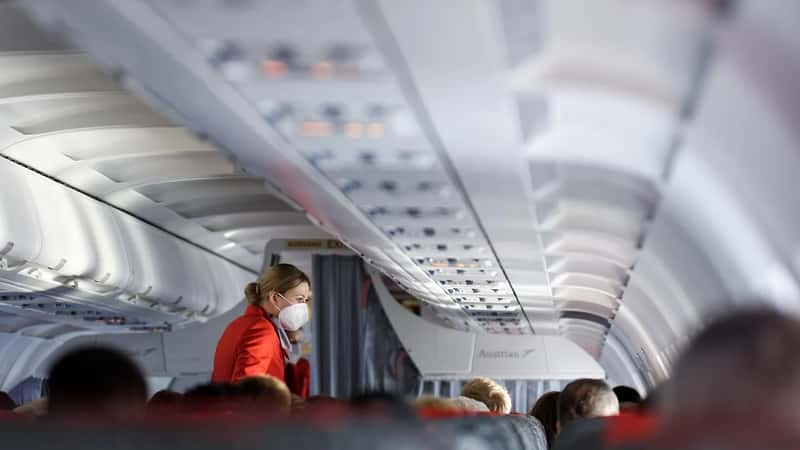
It’s tempting to argue the point once a flight attendant has decided you’re a problem. Yet flight attendants and airline personnel can remove passengers who cause a disturbance or act in a way the personnel considers inappropriate, based on federal law.[12] Debating it on the spot rarely helps.
An aviation attorney quoted in older coverage described the legal picture as lopsided. He said the crew member’s perception is what matters, and whether a report is true or false is irrelevant, with no judicial inquiry permitted.[12] If something genuinely seems wrong, involving the flight crew early and calmly is the best course of action.[5]
Saying You Have Nothing to Declare When You Do

At customs, the declaration is the first thing you say, even if it’s on paper. Every person entering the United States must fill out a customs declaration, and officers treat omissions seriously whether they look intentional or not.[13] The form is CBP Form 6059B.
Staying quiet about an item can cost more than the item. Failing to declare can mean losing the goods plus a penalty equal to their value, and serious cases can bring federal criminal charges carrying up to 20 years in prison.[13] The duty free threshold only decides whether you owe taxes, not whether you can skip mentioning the items.[13]
Giving Shaky Explanations About Cash
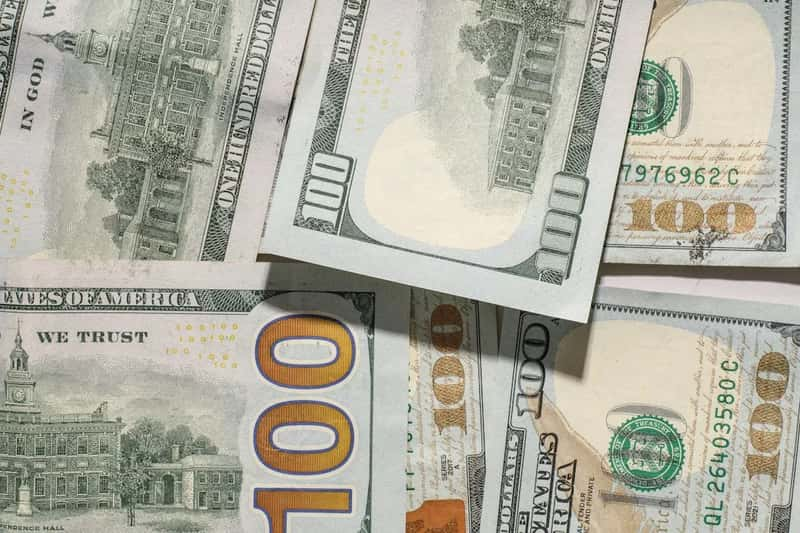
Carrying a large amount of money isn’t the problem. The explanation is where people slip. One customs law firm points out that saying the money is for a friend might suggest someone else is the true owner, and saying you didn’t think you had to report it might be read as an admission of intent.[14]
Nervous answers can also come back to haunt you. If your later paperwork doesn’t match what you told the officer, CBP will treat it as a credibility problem, even if you simply misspoke.[14] Another firm makes a similar point, noting that many customs charges stem from what people said about what they brought.[15]
Misstating Your Answers or Your Record to a CBP Officer
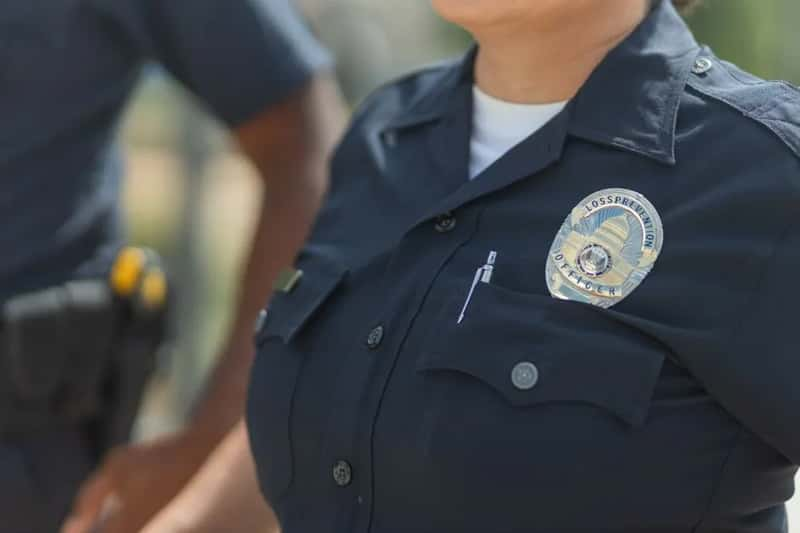
You don’t have to be under oath for a false answer to count. The statement just has to be material, meaning it could influence the officer’s decision.[16] Even a simple no can qualify.[16]
The penalties vary, but they can be heavy. CBP’s published mitigation guidelines mention penalties that could total $5,000 per false statement, and violations could also carry up to five years’ imprisonment.[16] Criminal history is a common trap: a border agent will often ban a Canadian on the spot for as long as five years for lying about their criminal past.[17] Travelers may also face revocation or denial of their visas.[16]