Ask most people planning a retirement abroad to name their dream country, and you’ll hear the same handful of answers. Portugal, Panama, maybe Costa Rica if they’ve done a little homework. Meanwhile, tucked between Argentina and Brazil, a small country with clean beaches, stable politics, and a healthcare system that punches well above its weight keeps getting skipped over in the conversation. That’s a shame, because once you look past the usual suspects, Uruguay quietly checks nearly every box retirees say they care about.
A quiet contender in a crowded retirement conversation
Every year, glossy retirement indexes crown Portugal, Panama, or lately Greece as the destination of the moment. In spite of the many fiscal crises happening across the world, Uruguay has managed to prosper economically, and the country is thriving, which makes it easy to see why retirees keep flocking to its shores. It rarely dominates headlines the way Lisbon or Panama City do.
Part of the reason is simple. Uruguay doesn’t advertise itself the way some Central American countries do, and its population is small enough that word travels slower. Still, Uruguay is almost always ranked among the top retirement destinations in the world, even if it rarely gets the same spotlight as its flashier neighbors.
Safety that ranks among the best in the hemisphere

Safety is usually the first question retirees ask, and Uruguay answers it convincingly. According to the Global Peace Index, Uruguay is the safest country in South America and the second-safest in all of Latin America, just behind Costa Rica. That’s not marketing language, it’s an independent measure that gets updated annually.
Daily life reflects that ranking. Uruguay combines low crime rates with relatively high incomes compared to other countries in Central or South America, and the reasonable income levels contribute to a low poverty rate, which in turn helps keep crime in check. Even in the capital, where safety naturally varies by neighborhood, police data show national homicides edged down 1.6% in the first half of 2025, a modest but telling sign of stability.
A cost of living that stretches further than it first appears

Uruguay isn’t the cheapest country in South America, and it doesn’t pretend to be. But the value proposition is still strong. According to January 2026 data from Numbeo, the cost of living in Uruguay is 19% lower than in the United States, not including rental prices. Other estimates push that gap even wider once housing is factored in.
For a single retiree, monthly budgets typically land somewhere reasonable. Most sources suggest between $1,500 and $2,500 per month is enough for a comfortable retirement in Uruguay, while couples often plan for a bit more. Retirees can live comfortably in Montevideo for roughly $2,000 to $3,000 a month including rent, food, and leisure, and costs tend to drop noticeably once you move outside the capital.
Healthcare that rivals countries twice its size

This is where Uruguay quietly separates itself from the pack. The country runs on a hybrid system that mixes public coverage with private cooperative clinics called mutualistas. Uruguay has a high-quality universal healthcare system that legal residents can access, and many retirees choose to join a mutualista for a monthly fee of roughly $50 to $150, which provides comprehensive private care, with infrastructure quality considered among the best in South America.
Foreign retirees who’ve been through it often describe it as surprisingly painless. Uruguay has a well-regarded healthcare system that combines public and private options, ensuring access to quality care, and the World Health Organization places Uruguay’s healthcare system above the global average. That’s a meaningful detail for anyone worried about aging in a country with an unfamiliar medical system.
The residency path: Uruguay’s rentista and pensionado routes

Unlike Portugal or Panama, Uruguay doesn’t issue a formal “retirement visa” with that exact name. Uruguay does not issue a special retirement visa. Instead, retirees apply for permanent legal residency by proving a stable pension or annuity income, which some refer to informally as the Uruguay retirement visa.
The financial bar is lower than many people expect. A monthly income of $1,500, or sufficient savings to support yourself, is generally needed for the visa. Processing isn’t instant, though. Total time from start to holding temporary residency runs roughly six to nine months, though some people get approved in four months if documents are perfect, while others hit the twelve month mark if there are delays.
Tax treatment that favors foreign pensions

Uruguay’s tax code has quietly become one of its best-kept secrets among expat retirees. When you retire in Uruguay, your foreign pension income is exempt from tax, meaning a monthly Social Security check or a pension from a former employer arrives tax-free. That’s a meaningful difference compared to countries that tax worldwide income regardless of source.
There’s a nuance worth knowing, though. Investment income from assets held abroad is now taxed at 12% under the new Ley 20.446 system as of January 2026, unless you qualify for a separate tax holiday provision. Anyone with substantial investment income beyond a straightforward pension should talk to a cross-border tax advisor before making the move.
Climate and four real seasons

One detail that surprises newcomers is that Uruguay isn’t a tropical escape. Uruguay experiences all four seasons, which suits retirees who miss the rhythm of changing weather but don’t want the extremes of a harsh winter. It’s a low cost of living country with a comparatively mild climate that avoids the brutal summers of the tropics.
Summers along the coast are warm and sociable, while winters bring cooler, gray stretches that locals handle with wool sweaters and long lunches rather than snow shovels. It’s a climate built for slow mornings rather than dramatic postcard weather, and for many retirees, that’s exactly the point.
Montevideo versus the coast: choosing a base
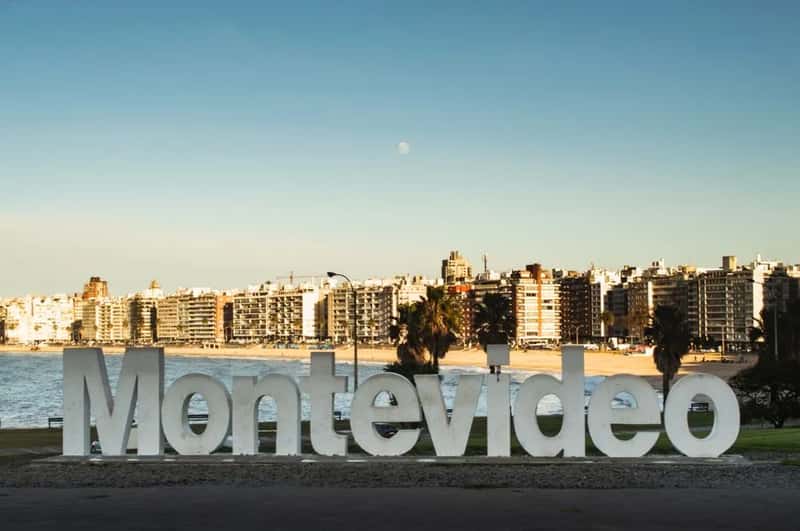
Montevideo is the obvious starting point for most newcomers. Home to over 1.3 million residents according to the 2023 census, Montevideo concentrates the nation’s services and the largest expat scene, with English-friendly private care anchored by facilities like British Hospital and major mutualistas.
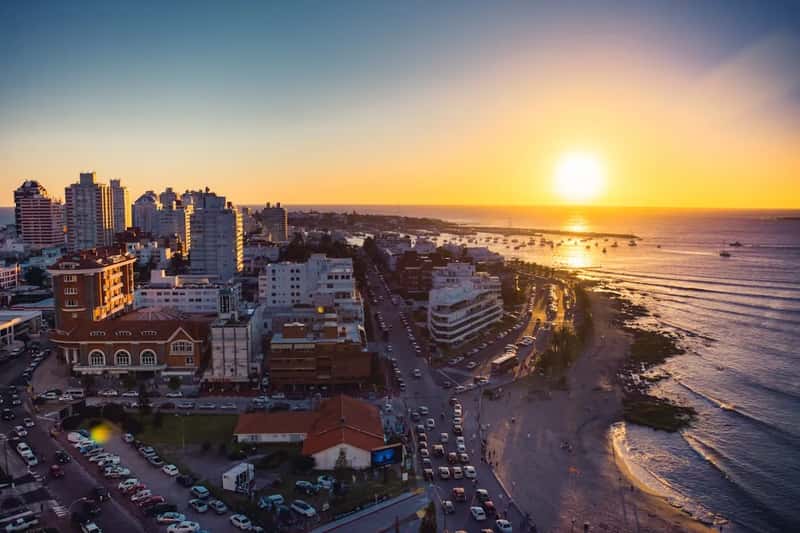
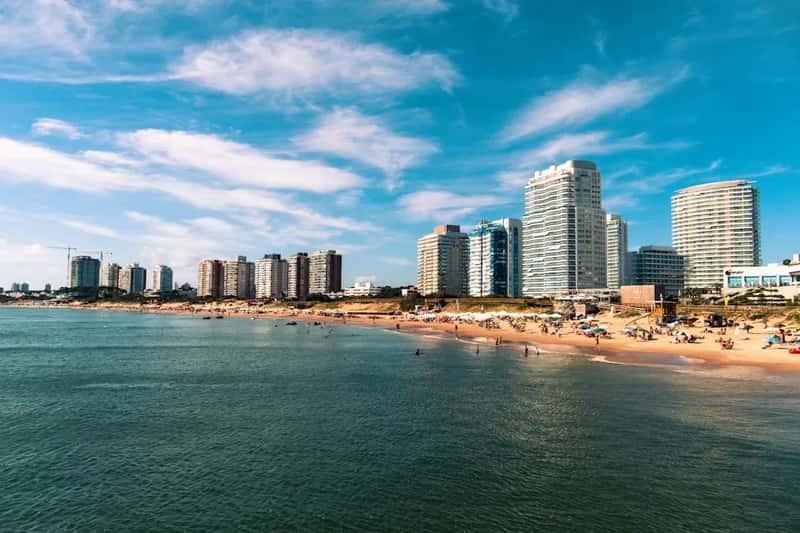
For those craving a slower pace, the coast offers real alternatives. Punta del Este, dubbed the Saint-Tropez of South America, remains a top retirement choice for its luxurious allure, while smaller towns like Colonia del Sacramento offer colonial charm at a fraction of the price. Rural properties and coastal towns further along the Costa de Oro give retirees more room to stretch a budget without sacrificing access to decent services.
Culture, language and daily life

Uruguayans have a reputation that expats consistently mention: calm, direct, and unusually welcoming to outsiders who make an effort. Uruguayans are known for keeping their word and conducting their affairs peacefully, and even though they are hard-working, they still take plenty of time to enjoy life.
English isn’t universal outside the capital’s expat circles, so learning at least conversational Spanish makes a real difference. Though many urban Uruguayans speak English, learning Spanish deeply enhances integration and daily interactions. Joining local clubs, markets, or expat groups tends to speed up that adjustment considerably.
The trade offs worth knowing before you move
No destination is without friction, and Uruguay has its own list. Public transportation can be limited outside of city centers, choosing a rural location may feel isolating, and the overall cost of living in Uruguay is higher than in many countries in South America.
There’s also a paperwork reality to accept going in. Applicants need a stack of documents that includes police certificates from the United States and every country lived in during the last five years, each apostilled and translated where required. It’s manageable, but it rewards patience over impulsiveness.
Final thoughts

Uruguay was never going to out-market Portugal’s sunny beaches or Panama’s dollar economy. It doesn’t need to. What it offers instead is something steadier: real safety statistics, a healthcare system that holds up under scrutiny, tax rules that favor pension income, and a pace of life built around long lunches rather than hustle culture. For retirees willing to look past the usual shortlist, that combination is hard to find anywhere else in the region.