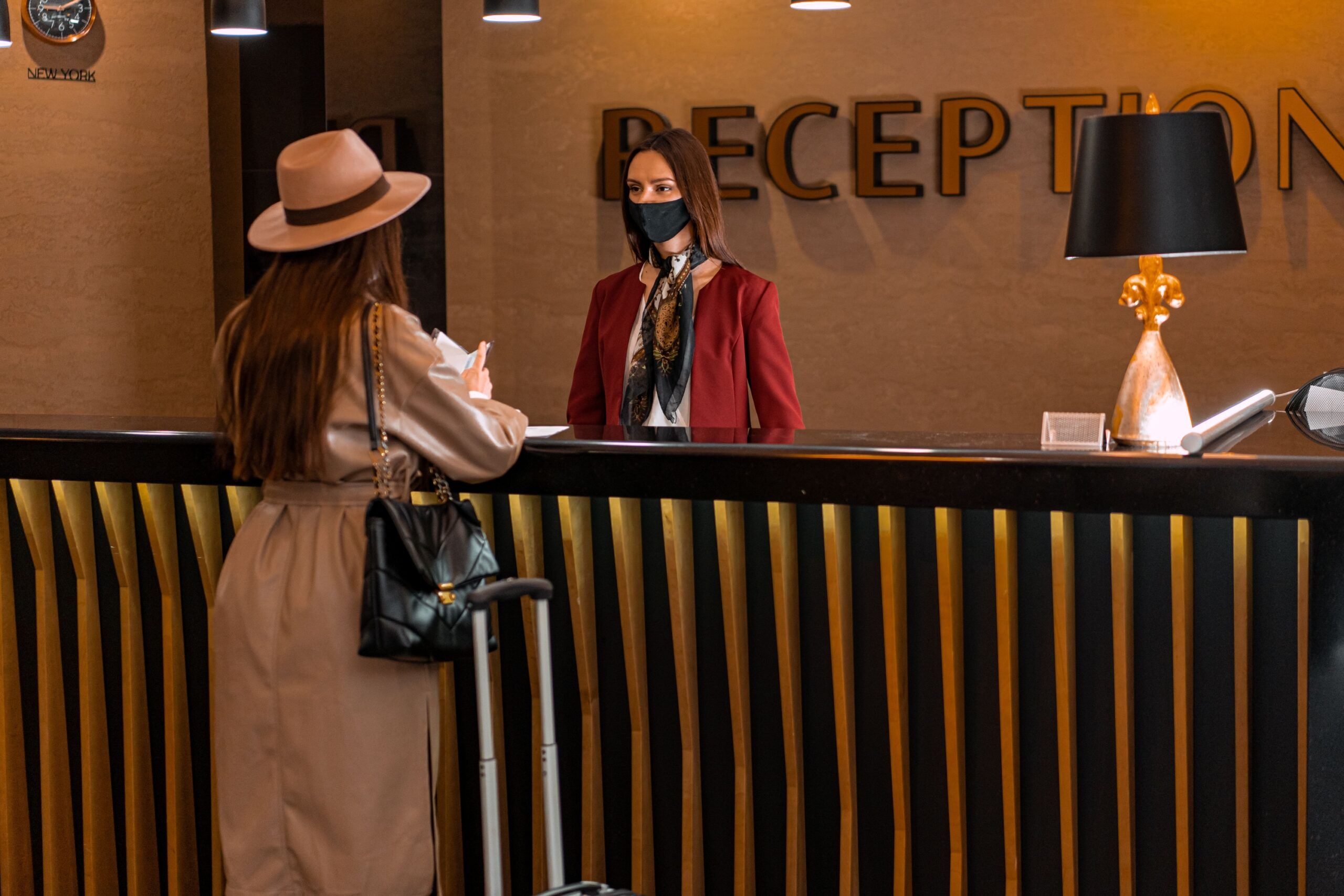
Most travelers walk up to a hotel counter, hand over an ID, sign a form, and head straight for the elevator. It sounds efficient, but it also means skipping past a moment when a lot more could actually happen. A single, well-timed question at check-in has a real chance of changing where you sleep that night, and it costs nothing to ask.
Hospitality workers have been saying this for years, though it rarely gets much attention outside of travel forums and the occasional viral post. The idea isn’t complicated or secretive. It just requires knowing what to say, when to say it, and why front desk staff are sometimes just waiting for someone to ask.
The one question worth asking at check-in
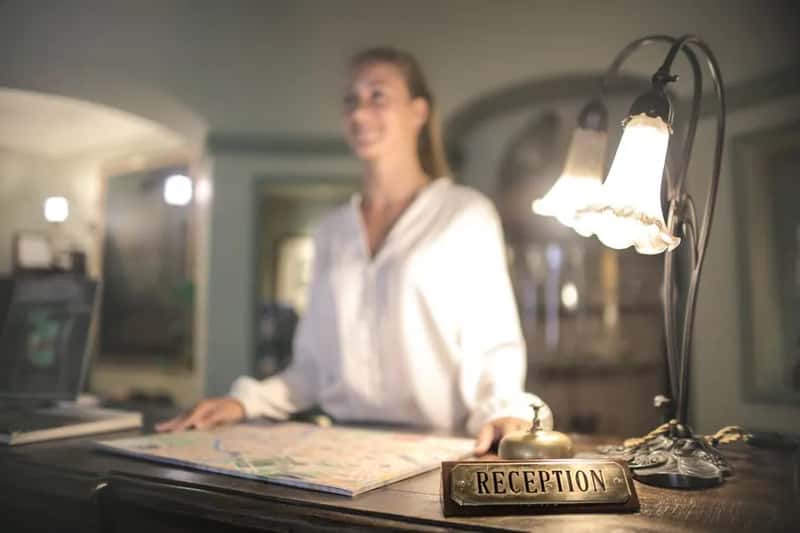
The phrase that keeps coming up among hotel staff is something close to: “Are there any complimentary upgrades available tonight?” According to hospitality staff, this is the single most underused question at check-in.[1] It’s direct, it’s polite, and it gives the agent an easy opening to say yes if there’s something available.
What makes this question effective is that it doesn’t demand anything. They’re simple, reasonable asks that front desk clerks say they wish more guests made, because in many cases the answer is already yes, it’s just waiting for the right question.[2] That distinction matters. You’re not haggling or making a scene, you’re simply opening a door that was already unlocked.
Why front desk staff wait to be asked
It might seem strange that hotels wouldn’t just offer a better room automatically if one is sitting empty. But there’s a reason for the silence. Staff can’t just hand out the good stuff unprompted, policy and habit keep their mouths shut until someone finally asks.[3]
This isn’t staff being withholding on purpose. Front desk agents aren’t hiding these things out of spite. They simply can’t offer what nobody requests, and most guests never think to bring up anything beyond their reservation number.[1] The gap between what a hotel could give and what guests actually receive often comes down to nothing more than a missing question.
Timing changes everything
When you ask matters almost as much as what you ask. The best time to request a room upgrade is mid-to-late afternoon, when housekeeping has turned over more rooms and the front desk still has flexibility.[4] Arrive too early in the morning, and the hotel may not yet know which rooms will actually be free that night.
There’s also a case for arriving before the official check-in window. Check-in is technically at 3 pm, but when you check in early, you sometimes get lucky, because some of the hotel’s most expensive rooms may have gone unbooked the night before, so there may be a bigger inventory of those rooms available earlier in the day.[5] In short, the hotel is still figuring out its inventory in the hours before the rush, and that can work in your favor.
Mention your loyalty status, even if it’s basic
You don’t need top-tier elite status for this to help. Loyalty status can improve your odds too, and loyalty program members should always mention their status during check-in, as this can increase upgrade chances.[2] Even a free, basic membership signals that you’re a returning type of guest rather than a one-time booking.
For travelers who do hold elite status, the upside is bigger. Elites with World of Hyatt Globalist and Marriott Bonovoy Platinum Elite or Titanium Elite status are eligible to be upgraded to a room up to and including an entry-level suite at all hotels.[6] Even without that level of status, the tips still apply, just with slightly lower odds attached.
How you booked matters more than you think
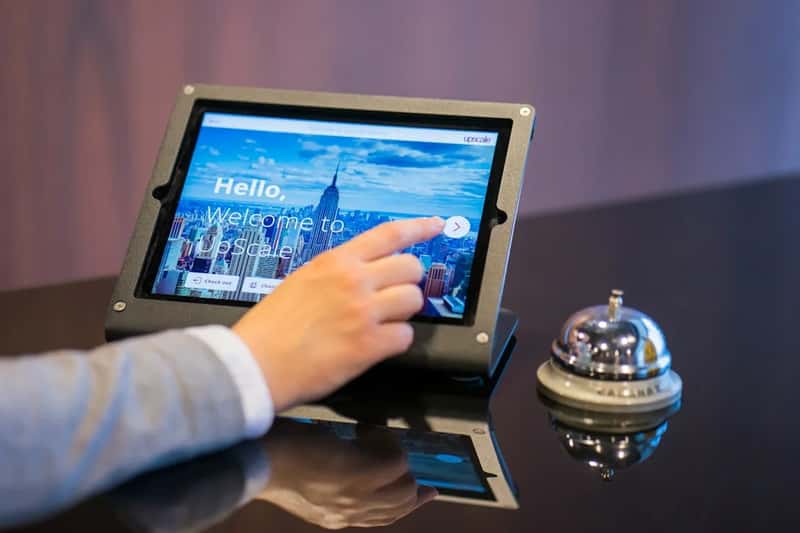
Booking method plays a bigger role in this than most people assume. When you book directly with a hotel, you’re more likely to be prioritized for room upgrades compared to third-party bookings, since hotels save on commission fees when you book through them and appreciate the direct business.[7] A cheaper rate found through a third-party site can quietly work against you later.
The gap can be fairly stark at the luxury end of the market. You cannot upgrade your way out of a booking made through a third-party OTA at check-in, and the front desk staff will be polite, but the structural incentive to prioritize your request simply isn’t there.[8] If a better room genuinely matters for a particular trip, booking direct is worth the small trade-off in price.
Keep the follow-up specific
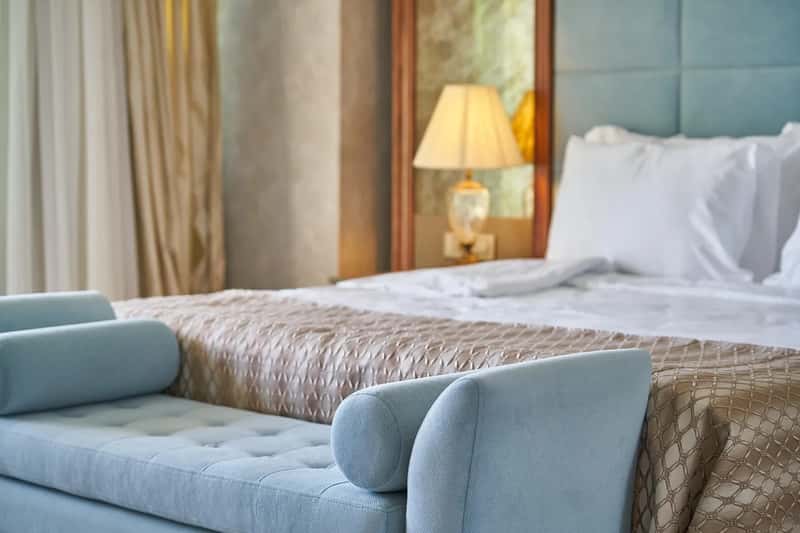
Asking the open-ended question is step one, but a specific follow-up often helps close the deal. A confident, polite ask, such as “If any complimentary upgrades are available today, I’d love to be considered,” works well when paired with a specific preference, such as a corner room or a quiet room away from the elevator.[4] Giving the agent something concrete to check makes their job easier.
Room type swaps are another practical angle. The best trick for a free upgrade is to discreetly ask if a corner room is available at the same pricing level, which should afford you more space and a better stay.[9] The same logic applies to bed size. If you booked a queen room, it’s worth asking if any king rooms have opened up, since you may score an upgrade to a bigger bed if one is available at no extra cost.[9]
Politeness beats entitlement every time

Tone matters just as much as wording. Be nice and avoid seeming like you think you’re entitled to a better room, after all, you could easily have booked a better room at the jump.[10] Front desk agents field this kind of request constantly, and a friendly, low-pressure tone tends to land better than one that feels demanding.
It also helps to keep expectations grounded in what’s realistic. Keep your request within reason, if you reserved the most bare-bones economy suite, you will probably not be upgraded to the presidential suite.[10] A modest, achievable ask, like a higher floor or a room away from an elevator, has a much better chance than a request for the biggest suite in the building.
Special occasions can tip the scales
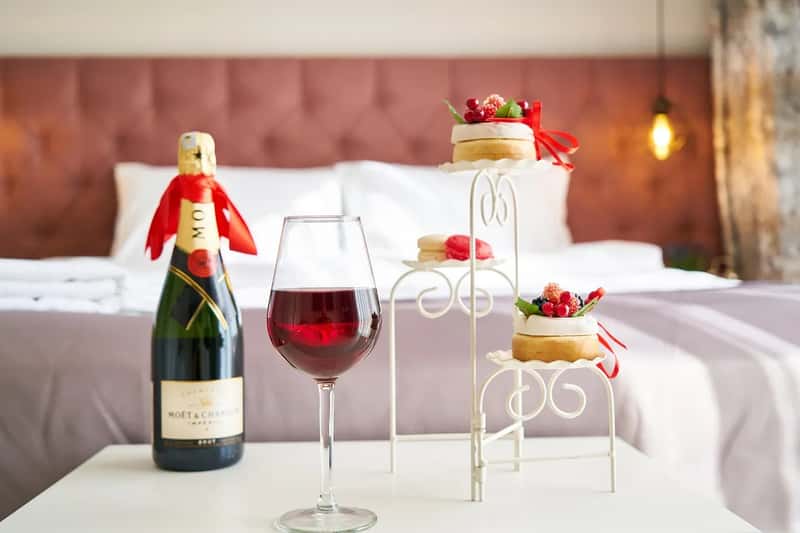
Mentioning a celebration doesn’t guarantee anything, but it does shift the odds slightly. Birthdays, anniversaries, honeymoons, reunions, and celebration trips often trigger small perks, especially during the holidays.[4] Hotels like a reason to make a stay feel a little more special, and staff often have small gestures set aside for exactly this kind of moment.
For guests planning further ahead, reaching out before arrival can matter even more than the check-in conversation itself. Contacting the hotel’s guest relations team 48 to 72 hours before check-in is the single most effective upgrade timing, since this is when the hotel is finalizing room allocations, availability is clearest, and the team has the time and authority to make decisions outside the pressure of the check-in desk.[8] A short, polite email ahead of time can accomplish more than any last-minute request at the counter.
What to do if the answer is no
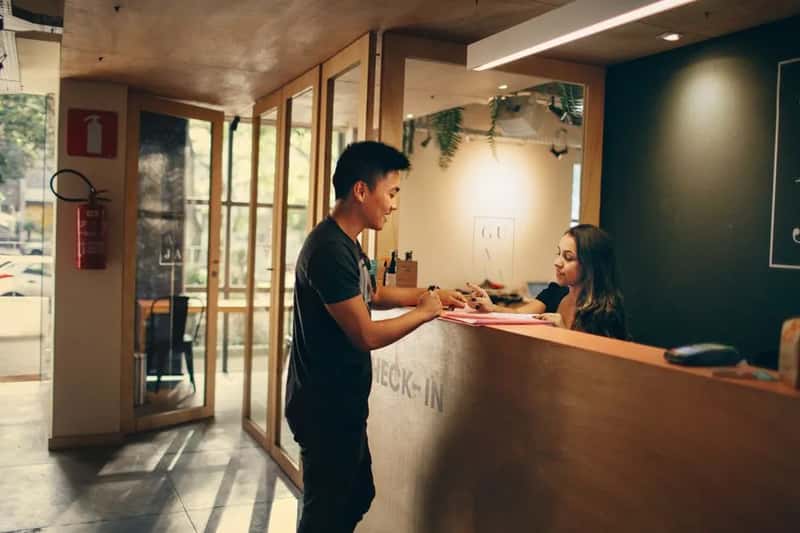
Not every ask leads to a yes, and that’s worth accepting from the start. Be prepared not to get the room type you want, so unless you’re guaranteed an upgrade based on your elite status or booking method, be ready to accept the room type you booked if the hotel doesn’t want to upgrade you.[11] There’s no penalty for asking and hearing no, so there’s little reason to skip the question out of fear of rejection.
If a stay runs longer than a night or two, a second attempt later isn’t out of line. You might be declined, but if your stay is longer, you could try asking again in a few days, and saying that you’re happy to switch rooms could even make the request sound like a favor you’re doing them.[10] Circumstances shift as other guests check out, so a room that wasn’t available on day one might open up by day three.
Final thoughts
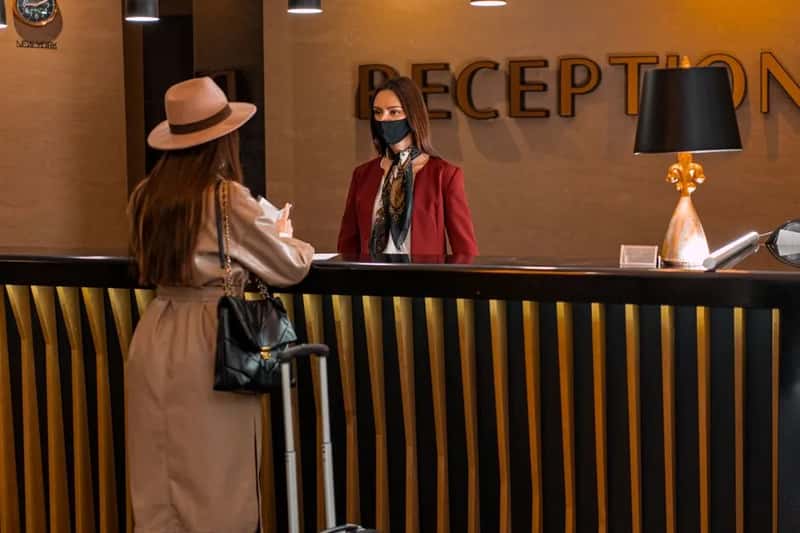
None of this amounts to a guaranteed trick or a loophole that always works. It’s closer to a habit worth building, a short, polite question asked at the right moment, with a specific and reasonable preference attached. Hotels genuinely have more flexibility than most guests assume, and the only real cost of asking is the thirty seconds it takes to say the words.