
Costa Rica has a reputation as an easy trip. There’s no visa for most Western visitors, the beaches are famous, and the paperwork seems light. One requirement still trips up travelers who assume a passport is enough: you have to prove you’re going to leave.
The rule isn’t new, and it isn’t hidden. Even so, it keeps surprising people who book a one-way flight, plan a flexible trip, or arrive overland. Here’s what the requirement says, who enforces it, and where the published guidance disagrees.
The Rule in Plain Language
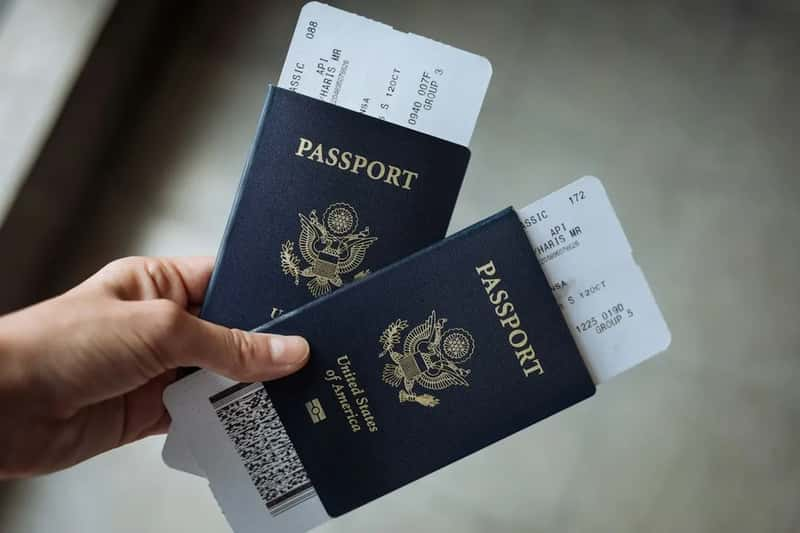
Costa Rica expects visitors to show a way out of the country. The U.S. State Department’s Costa Rica page says a visa isn’t required for stays under 180 days, but a return ticket is required[1]. Its entry guidance also lists a return ticket or proof of onward travel to another country[1].
That wording matters because “visa-free” doesn’t mean “requirement-free.” Plenty of travelers hear that Americans, Canadians, and Europeans skip the visa and stop reading. Yet the same guidance that waives the visa attaches the departure condition to it.
Why It Catches People Off Guard
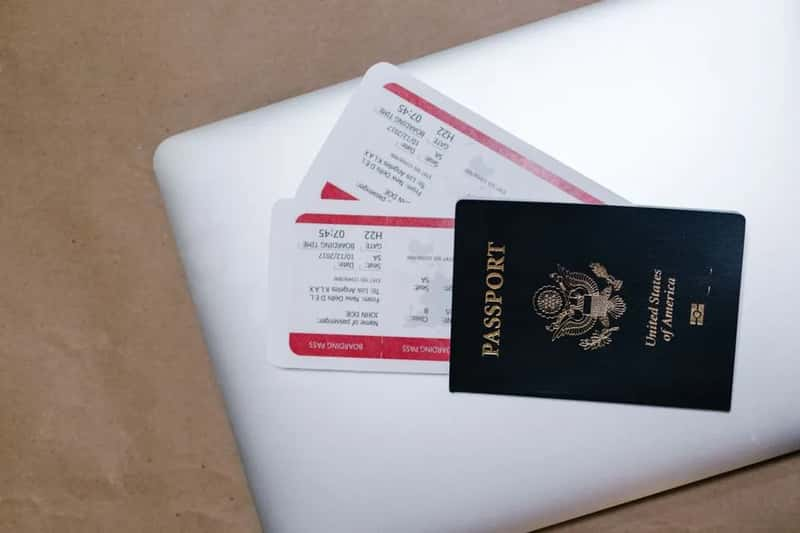
The most common trap is the one-way booking. Maybe you plan to bounce between Central American countries, or you haven’t picked a return date. One travel site that sells local lodging says this is the requirement that catches the most visitors off guard[2]. That’s a retailer’s view rather than an official statistic, but it matches how often the rule appears in traveler warnings.
Another source cautions that arriving on a one-way ticket with nothing else risks being denied boarding before you even land[3]. In other words, the problem often starts at your home airport, not in San José. A flexible itinerary is fine for the trip itself, but the paperwork has to say otherwise at check-in.
Airline Counters Are the First Checkpoint

For most vacationers, the airline enforces this rule before any Costa Rican official sees them. One travel guide notes that as a tourist you wouldn’t be allowed to board without a return or onward ticket[4]. If you fly in, the check usually happens at the gate or desk, and that’s why it feels like a surprise rather than a border formality.
Some sources also say officers at the main airport ask for it too. One entry guide for U.S. passport holders says immigration officers at San José airport routinely ask for a return or onward ticket[5]. Keeping a printed or digital copy of the booking handy is a cheap way to avoid a stressful conversation.
What Counts as Proof of Onward Travel
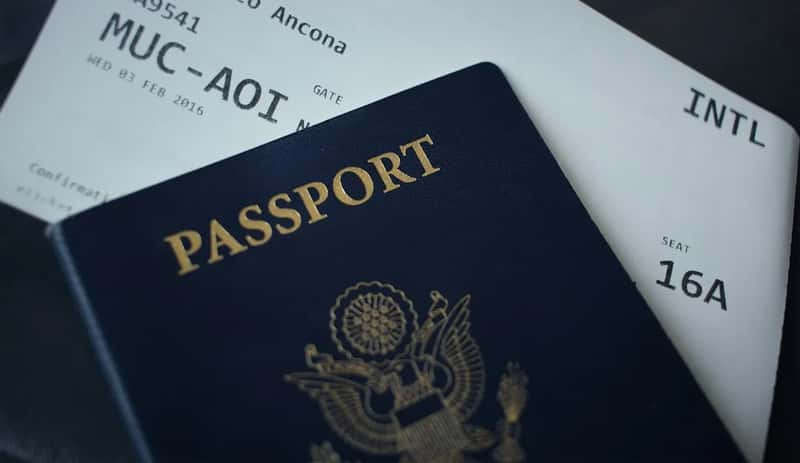
The rule isn’t limited to a flight home. A travel-cost guide citing the Costa Rican Tourism Board (ICT) says a pre-paid bus or flight out of the country, or a cruise ticket, is accepted as proof[6]. So a ticket to Panama or Nicaragua can satisfy it, as can a flight back to your home country.
The key point is that the ticket should take you out of Costa Rica. A domestic flight or a vague plan won’t do the job. Make sure the name matches your passport and the date falls within the stay you expect to receive.
The 90-Day and 180-Day Confusion

Here the published guidance gets messy. The State Department says visa-free stays can run up to 180 days[1]. Several commercial guides still repeat the older 90-day figure, and one entry guide says visitors need a confirmed airline ticket departing within 90 days[7].
Because sources disagree, the safest reading is that the officer decides. One guide explains that you get up to 180 days, not an automatic 180[4], and that the border official sets the length. Another notes that officers sometimes grant the number of days until your return flight[4]. Check the stamp in your passport, and confirm the current rule with official channels before you book an unusually long trip.
Proof of Funds Is on the Books Too

The departure ticket isn’t the only item on the list. The ICT, according to one cost guide, lists a proof-of-funds rule of at least US$100 for each month or part of a month of stay[6]. Officers may ask to see it, though many travelers are never asked.
One lodging company calls it a legal requirement that officers don’t always ask about[2], and says a card or bank statement is usually enough. Still, “rarely checked” isn’t “never checked.” A recent statement on your phone takes seconds to pull up, and it could save you a long wait in the immigration line.
Passport Rules and Land Crossings

Passport validity is another area where advice varies. The State Department says the passport must be valid for the period of the stay[1]. Immigration may also deny entry if the passport is damaged[1]. Many airlines and travel sites recommend six months of remaining validity anyway, which is a sensible buffer even if it isn’t the official minimum for every nationality.
Overland travelers face the same expectations with more scrutiny. One guide says people arriving from Panama or Nicaragua will need to show proof that they plan to leave[4], since no airline gate screens them first. Another warns that land arrivals should expect longer waits and possibly more scrutiny[8]. If you’re crossing by bus, carry a booked exit ticket rather than counting on a flexible plan.
A Short Prep List and Other Rules Worth Knowing

Before you leave, confirm the basics: a passport in good condition, a booked way out within your expected stay, and some proof of funds and lodging. The State Department also flags that the cash limit on entry and exit is 10,000 USD[1]. If you’re coming from certain South American or African countries, a yellow fever vaccination is required[1].
Two other rules sometimes surprise American visitors. The department notes that marijuana and related products are illegal in Costa Rica[1]. Families should also know that Costa Rican minors, including children born in Costa Rica to U.S. parents, need an immigration exit permit to leave[6]. Rules can change, so check the State Department page and Costa Rica’s official immigration information shortly before you fly.
The Bottom Line

Costa Rica is easy to enter, but not paperwork-free. The proof-of-exit rule is simple to satisfy once you know about it, and expensive to learn about at a check-in counter. Book a ticket out, keep a copy, and don’t treat the visa waiver as the whole story.
A flexible trip is a great thing, and a refundable onward booking is a small price for it. Sort the paperwork first, and the beaches will wait for you.