There is something quietly magical about walking into a hotel lobby and immediately feeling welcome. The staff behind the desk, the housekeeper in the hallway, the concierge juggling a dozen requests at once – all of them notice far more than most guests realize. Hospitality is, at its core, a deeply human exchange. Yet some guests seem to navigate it effortlessly, leaving a trail of goodwill wherever they go.
What is their secret? Honestly, it is rarely about money or status. It is about a handful of small, intentional habits that signal respect, warmth, and self-awareness. Let’s dive in.
1. They Greet Staff by Name and Make Eye Contact

Here’s the thing – hotel staff interact with hundreds of people every day, yet the guests who pause, look them in the eye, and say a genuine “good morning” stand out immediately. It costs nothing and means everything. Hotel employees speak with hundreds of people some days, and a lot of effort goes into even the smallest things that make a stay memorable, like remembering names, bringing extra towels, and making the right suggestions.
Always greeting guests and colleagues with a smile and maintaining a friendly and pleasant expression is something hospitality trainers drill into every front desk employee. Guests who mirror this energy create an immediate sense of warmth. When a guest reads a staff member’s name tag and uses it, something shifts in that interaction. It goes from transactional to genuinely human.
2. They Report Problems Immediately Instead of Stewing in Silence

Most guests who have an issue in their room never say a word. They stew quietly, then blast the hotel in an online review days later. Only about five to ten percent of dissatisfied customers actually choose to make a complaint, so when issues go unspoken, hotels lose the chance to fix them. The guests who do speak up, politely and promptly, are doing everyone a favor.
When something goes wrong, or isn’t right in a room, the hotel manager wants to make it right straight away rather than waiting until checkout and then leaving a poor review. Likable guests understand this dynamic intuitively. They raise the issue, give staff a chance to respond, and usually end up with a better experience as a direct result. Honestly, it’s a win-win situation that too many travelers simply overlook.
3. They Treat Housekeeping With Visible Appreciation
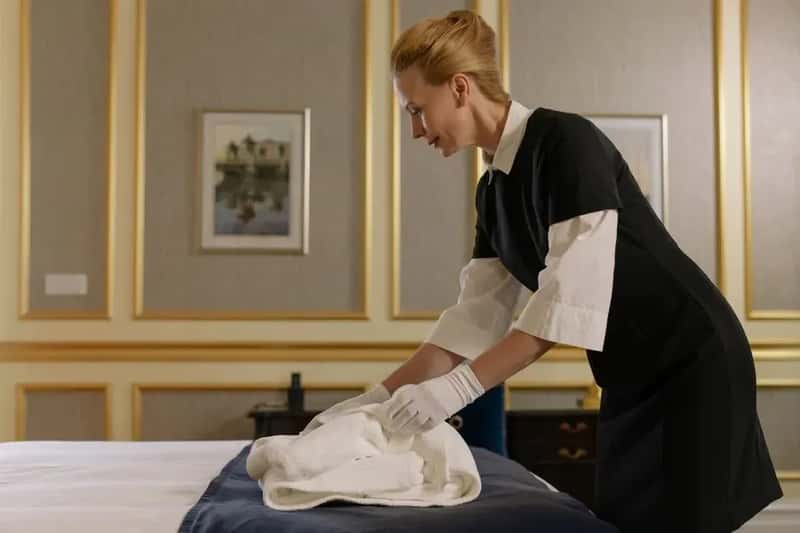
The average hotel housekeeper walks up to five miles per shift, cleaning an average of sixteen rooms per day and lifting up to fifteen pounds per room, making it one of the most physically demanding jobs in the hospitality industry. Yet housekeeping remains the most invisible department to most guests. The guests hotel managers genuinely love are the ones who notice this.
While tipping is a traditional way to show gratitude, there are other meaningful gestures to acknowledge the hard work of hotel housekeeping staff, and expressing sincere appreciation through written notes or small gifts can go a long way in making these unsung heroes feel valued. Even leaving the room reasonably tidy signals respect. Your housekeeper will appreciate you for putting trash in the waste bin and, in general, for treating your room like you would your home.
4. They Tip Thoughtfully and Consistently
Only about 39 percent of Americans say they usually tip hotel housekeepers, according to a 2023 survey by The Vacationer, meaning nearly two-thirds of Americans aren’t routinely tipping their housekeepers at all. Guests who do tip are instantly noticed and remembered. The American Hotel and Lodging Association suggests leaving a one to five dollar tip per day for the housekeeping staff.
Etiquette experts recommend tipping housekeeping daily, since housekeepers often rotate days and schedules, so the workers cleaning the room at checkout likely won’t be the same people who cleaned it earlier in the stay – and if guests tip a lump sum at the end, the housekeepers who cared for the room earlier won’t receive anything. Small, consistent daily tips are a straightforward signal that a guest sees and values the people working around them.
5. They Are Honest About Special Occasions Without Demanding Perks

There’s a difference between sharing that you’re celebrating a honeymoon or anniversary and demanding a free room upgrade before you’ve even checked in. Showing genuine interest means that if guests are celebrating something special, staff want to acknowledge it – a kind word or a small surprise in the room can impress and delight them. But this magic only really works when the guest shares the occasion with warmth, not as leverage.
Hotel managers consistently note that guests who mention a birthday or anniversary in a casual, conversational way almost always walk away with something special. Meanwhile, guests who lead with entitlement rarely do. The lesson is simple. Be genuine about what you’re celebrating, let the hotel team delight you on their own terms, and the results are often surprising.
6. They Respect Quiet Hours Without Being Asked

One of the most common complaints in hotels is about noisy neighbors, as a single noisy room can result in multiple complaints from surrounding rooms – and unfortunately, when people travel they are more likely to be celebrating, leading to far more disruption than usual. The guests who naturally keep their voices down, close doors gently, and think about the person in the next room are quietly beloved by staff.
Hotels that clearly outline their quiet policies during check-in find that informing guests about noise policies early on sets clear expectations and encourages more considerate behavior. Still, the best guests don’t need a policy reminder. They carry that awareness with them naturally, like a kind of social fluency that other travelers can only hope to catch.
7. They Ask Thoughtful Questions at the Front Desk
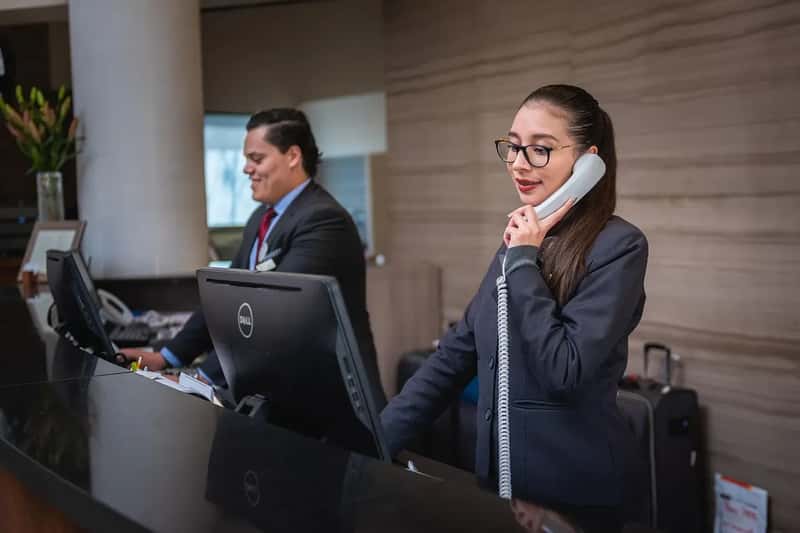
Front desk staff are a goldmine of local knowledge that most guests completely ignore. Guests staying in hotels often come from other places to explore the locality, and they may ask about local food, places, transportation, amenities, and shops. The guests who lean into this, who ask with genuine curiosity rather than just a quick Google search reflex, create a far more memorable check-in experience.
By sharing insider tips on hidden gems, from local eateries and boutique shops to must-see attractions and unique experiences, staff can add a personalized touch that makes every guest feel uniquely cared for – and this thoughtful approach can transform a routine stay into a memorable adventure. A guest who asks good questions signals that they trust the staff’s expertise. That trust, it turns out, is reciprocated in all kinds of invisible ways throughout a stay.
8. They Follow Up When a Staff Member Goes Above and Beyond
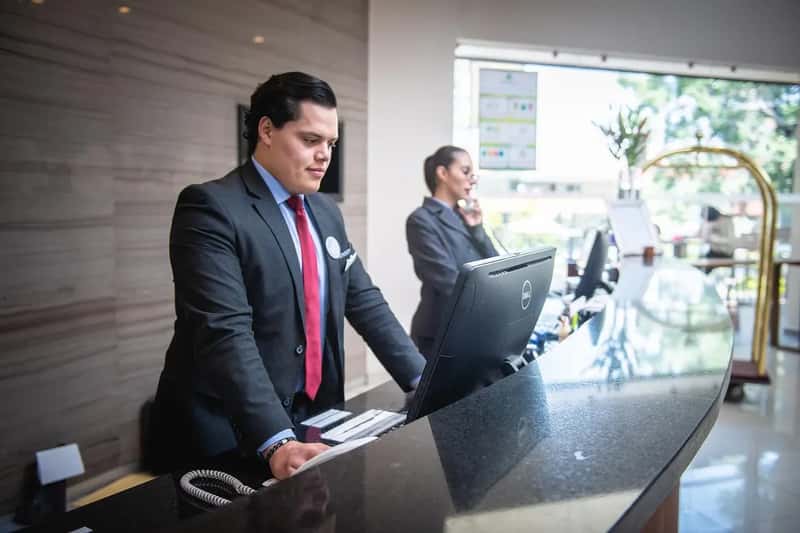
If a guest catches a staff member doing something great or going above and beyond, they shouldn’t keep it to themselves – telling the general manager, completing a survey card, or posting about it on social media lets that recognition ripple outward, and guest feedback is essential when it comes to recognizing those who work hard and deserve praise. This is one of the simplest and most powerful habits in the entire list.
Think of it like this: it’s the same effort as leaving a bad review, but the ripple effect is completely different. Guests who take the time to name a specific staff member in a positive review become something close to legends in the eyes of the hotel team. A warm, personalized welcome can lead to glowing reviews on Google or TripAdvisor and word-of-mouth recommendations, boosting a hotel’s reputation.
9. They Communicate Clearly and Early About Special Requests

It’s hard to say for sure how often last-minute requests cause real chaos behind the scenes, but anyone who has worked in hospitality will tell you: early communication changes everything. Guests who create individualized traveler profiles through rewards programs or hotel apps, enabling staff to specify room type preferences, list allergies, and make special requests, help staff identify exactly who guests are and what they want from a hotel.
The most likable guests give the hotel team as much runway as possible. A request for a hypoallergenic pillow made at 11pm is a scramble. The same request made during booking is a small pleasure to fulfill. Looking for cues to address guest needs before they have to ask, and ensuring all guest requests are completed to their satisfaction with timely follow-ups, is what hotel teams genuinely try to do. Help them help you by communicating early.
10. They Understand That a Reservation Is Not a Property Takeover
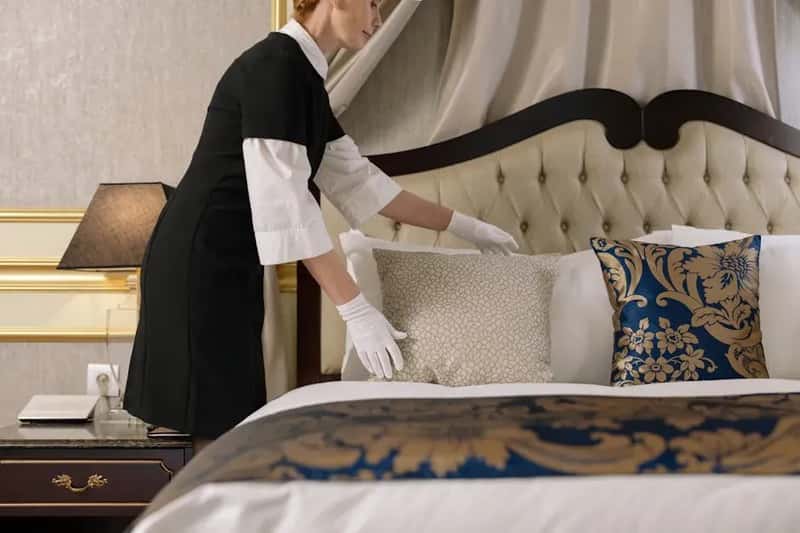
Hotels say they want guests to feel at home, but hospitality has its limits – a reservation is not a property takeover. Guests who understand this unspoken rule, who treat shared spaces with care and don’t treat staff as personal servants available around the clock, become genuinely appreciated figures within a hotel’s daily rhythm.
I think this habit might be the most underrated on the entire list. It’s about operating with a kind of social grace that acknowledges the shared nature of a hotel environment. Using the luggage cart and returning it promptly, keeping the elevator ride quick, not monopolizing the lobby furniture with luggage for two hours – luggage carts are a community perk, not a personal rolling bellhop, and the right approach is to ask an employee whether you can borrow it, pile luggage onboard quickly, and return the cart immediately so the next guest can use it.
11. They Stay Calm When Things Go Wrong

Every hotel, no matter how excellent, will eventually have something go sideways. A room that isn’t ready on time. A noisy neighbor. A billing mixup. The guests who stand apart in these moments are the ones who stay composed, state the problem clearly, and trust the team to fix it. Research from Cvent shows that the vast majority of guests expect responses to their complaints within 24 hours, and delayed responses risk frustration and lost trust.
Studies reveal something genuinely surprising: guests whose complaints are resolved quickly and satisfactorily often become more loyal than those who never experienced problems, because they’ve seen that the hotel genuinely cares about them. A guest who is gracious under pressure gives the hotel a real chance to shine. Those guests are remembered long after checkout.
12. They Share Honest, Constructive Feedback on Their Way Out

There is a version of feedback that helps nobody: the vague complaint written in all caps on a review platform two weeks after the stay. Then there’s the version hotel managers actually love: specific, calm, timely feedback shared with a staff member before or during checkout. Encouraging guests to provide feedback through surveys or in-person conversations during their stay shows that the hotel values the guest experience, and consistent feedback helps identify recurring issues, highlights areas for improvement, and enables a better understanding of guest preferences.
Paying it forward by sharing an honest appraisal of a visit on a review site like TripAdvisor and on social media is something future guests will be grateful for, and, depending on the critique, the hotel will be too. Likable guests understand that fair, honest feedback is a gift to everyone who comes after them.
13. They Treat Every Staff Member the Same, Regardless of Role
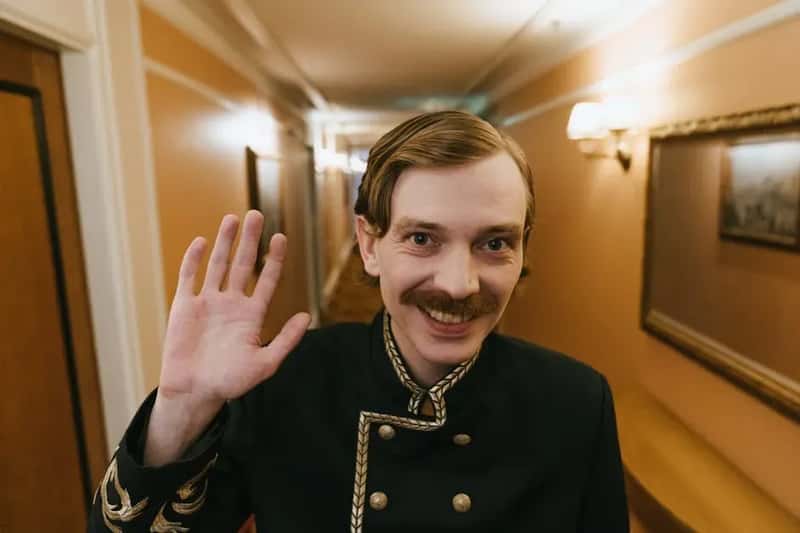
There is a certain type of guest who is warm with the general manager and dismissive with the person pushing the housekeeping cart. Hotel teams notice this, and they notice it fast. A friendly and attentive interaction is a hallmark of exceptional hospitality, and in 2024, customers expect hotel employees to be knowledgeable, approachable, and responsive – and the expectation runs the other way too, with every team member from the front desk to housekeeping committed to making guests feel valued.
Let’s be real: the housekeeper cleaning your bathroom and the concierge booking your dinner reservation are equally essential to your experience. Guests who understand this and bring the same warmth to every interaction create a kind of positive energy that actually moves through a hotel. Staff talk to each other. A guest who is kind to everyone is known across the whole property remarkably quickly.
14. They Embrace the Hotel’s Local Knowledge and Culture
Accor’s Travel Trends Report shows that travelers in 2024 are seeking a deeper connection with the places they visit, with more than a third of respondents expressing a desire to immerse themselves in local cultures and communities during their holidays. Hotel managers genuinely love guests who lean into this. Asking the concierge for a neighborhood restaurant that isn’t on any travel blog, or asking the front desk what part of town locals actually spend their weekends in, signals curiosity and openness.
Staff who share local tips can enhance a guest’s local experience with recommendations ranging from must-see sights to hidden gems, and those insights from the hotel front desk can make a visit truly memorable. Guests who are genuinely curious about a destination, rather than just consuming it from a list, create the kind of conversations that make hospitality rewarding for both sides of the desk.
15. They Check Out With Gratitude and Leave the Room Reasonably Tidy

The last impression is just as powerful as the first. Guests who take a moment to thank the staff at checkout, who leave a handwritten note for housekeeping, who make sure their room doesn’t look like a natural disaster, earn a kind of quiet, lasting respect. Studies show that hotel guests who leave visible signs of appreciation, such as handwritten notes or small gifts, tend to have their rooms cleaned more thoroughly and efficiently compared to those who do not.
It seems surprisingly difficult for some guests to carry snack papers, foil wrappers, and used tags to the trashcan – for some reason, since the receptacle isn’t their own, they are less careful, and half-filled soda cans and sticky pastries that don’t quite make it to the trash container all become extra work for the hotel staff. The guests who check out with gratitude and basic tidiness aren’t doing anything extraordinary. They’re simply treating the space and the people in it with the dignity both deserve. That, more than anything else, is what makes a guest genuinely, instantly likable.
The Bigger Picture
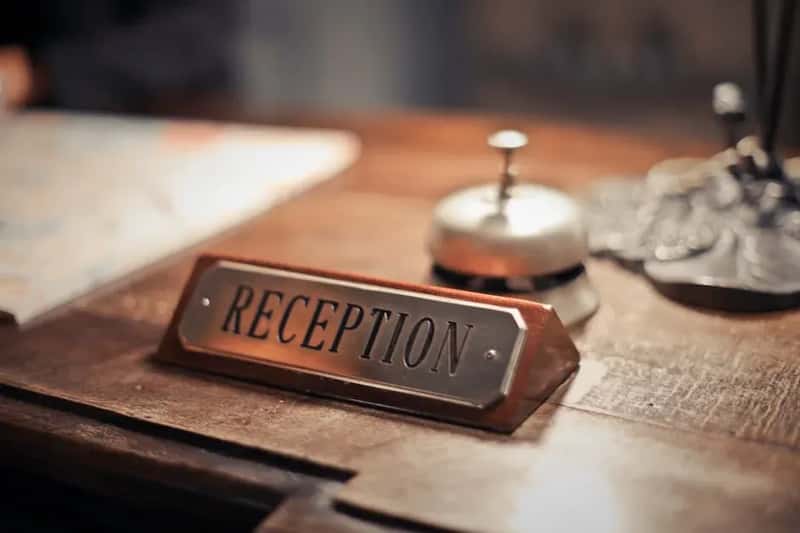
Every single one of these fifteen habits has one thing in common: they all require seeing the people who work in a hotel as full human beings rather than invisible service providers. It sounds obvious when said out loud, yet the gap between knowing it and actually doing it is enormous. The guests who consistently bridge that gap don’t just have better hotel stays. They tend to move through the world differently in general.
None of this requires wealth, frequent-traveler status, or mastery of some complicated etiquette rulebook. A smile, a genuine question, a tip left daily, a calm response to an inconvenience – these are small things with outsized impact. This moment of connection sets the tone for an entire stay and leaves a lasting impression, because a friendly and professional welcome can boost guest satisfaction and loyalty, making guests more likely to return and recommend the hotel.
The relationship between guest and hotel is ultimately a mirror. What you bring into that lobby tends to come right back to you. So the real question worth sitting with is this: what kind of guest do the people working around you actually remember you as?