Most people walk into airport security thinking they’ve got it figured out. Shoes off, laptop out, belt in the bin – done. But every single day, thousands of travelers get pulled aside for extra screening, and they have no idea why.
Here’s the thing: it’s rarely random. There are very specific triggers that flag you in the system or catch an agent’s eye, and most of them are completely avoidable. In 2024 alone, the TSA screened roughly 904 million passengers and over 2 billion carry-on items – and with that kind of volume, agents are trained to spot patterns fast. So what exactly gets you pulled aside? Let’s dive in.
1. That Four-Letter Code on Your Boarding Pass: SSSS
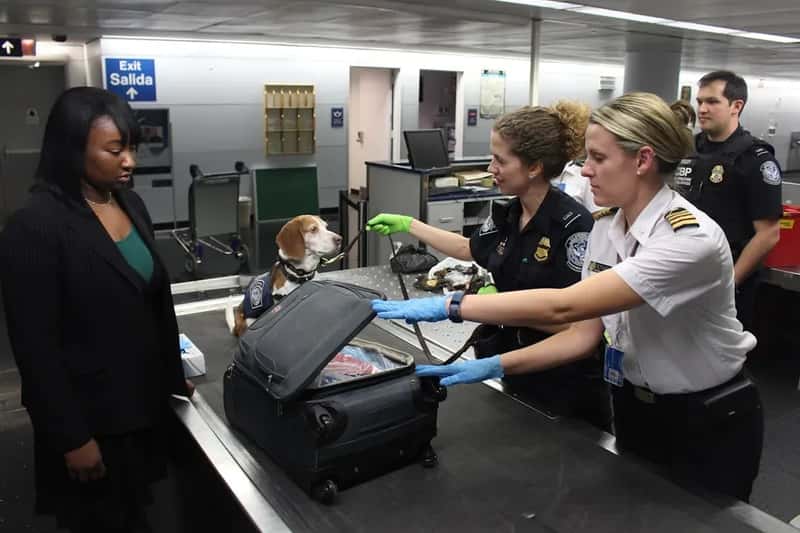
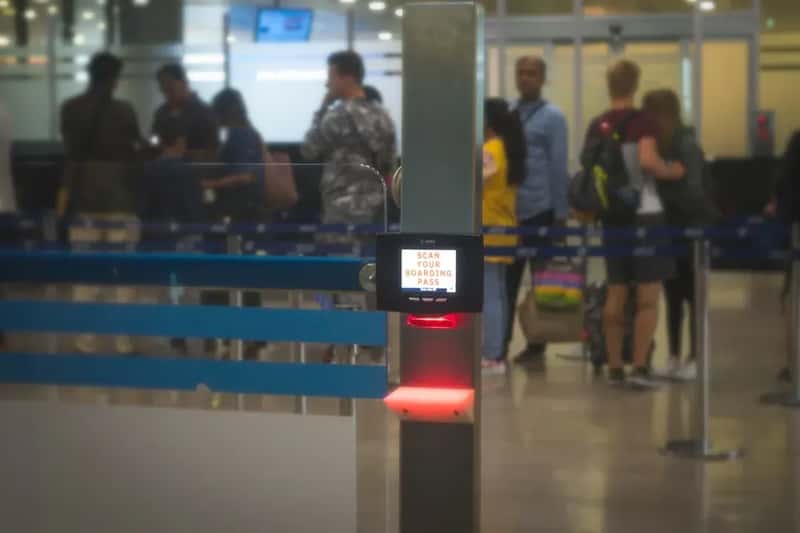
If you’ve ever looked at your boarding pass and spotted the letters “SSSS” printed on it, brace yourself – you’re about to have a longer morning than expected. The TSA will pull travelers aside for additional screening if their boarding passes contain the four letters “SSSS,” which stands for Secondary Security Screening Selection. This means that passengers will undergo additional security checks before boarding, typically involving extra questioning, a more thorough luggage inspection, and a potential pat-down.
The reasoning for the selection can be random and based on profiling, or because of information provided by law enforcement or intelligence agencies. Passengers may also be selected if they have a one-way ticket, pay cash for their ticket, or have unusual travel patterns. Honestly, the system can feel a bit opaque, because it is. If you frequently have “SSSS” on your boarding passes and feel you are being unfairly targeted, you can apply for a Redress Number through the Department of Homeland Security Traveler Redress Inquiry Program in order to help resolve issues and prevent future unnecessary screening.
2. Your Travel History to High-Risk Countries
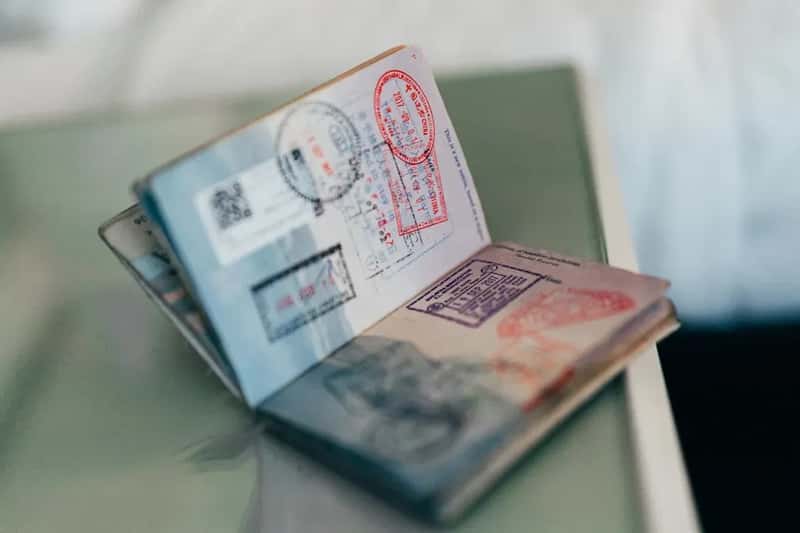
Think your past trips are forgotten once you’re back home? Think again. Travelers who have visited destinations considered “high risk” by the U.S. government may be flagged for extra security checks on future flights. This is one of those things that catches seasoned travelers completely off guard – it’s not just about where you’re going, but where you’ve been.
Travelers who are going or have been to a place considered high risk by the U.S. State Department may be taken for additional screening. Those locations can vary from time to time, so it’s good to be aware of what countries are currently listed. Some of the countries recently updated on the “Level 4: Do Not Travel” list include Venezuela, Iraq, and Burma. The lesson? Always check the State Department’s current travel advisory list before flying, especially if you’ve recently returned from a region with elevated risk designations.
3. Suspicious Body Language and Nervous Behavior
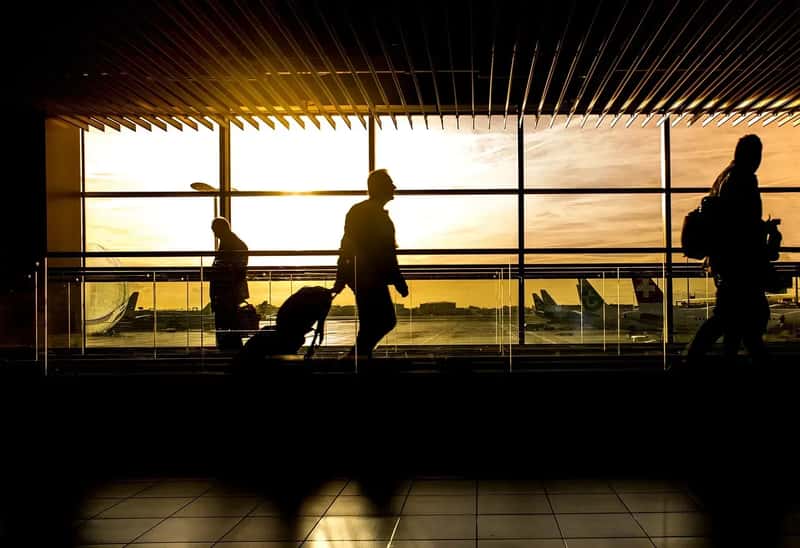
It might sound like something out of a spy movie, but TSA agents are trained to watch how you act – not just what you’re carrying. The TSA has deployed behavior detection officers, or BDOs, at security checkpoints and in plainclothes throughout airports to look for travelers exhibiting behaviors that might betray fear, stress, or deception. This program, now formally known as Behavior Detection and Analysis, has been around in various forms since the mid-2000s.
In 2015, The Intercept published the TSA’s checklist for behavior detection officers, which included dozens of apparently suspicious indicators such as “excessive fidgeting,” “strong body odor,” “whistling,” and “exaggerated emotions.” TSA officers observe travelers for signs of unusual stress or suspicious actions, and excessive nervousness, unusual body language, or tense behaviors may raise concerns and lead to additional screening. So, take a breath before you get in line – it genuinely matters.
4. Overstuffed, Cluttered, or Messy Carry-On Bags
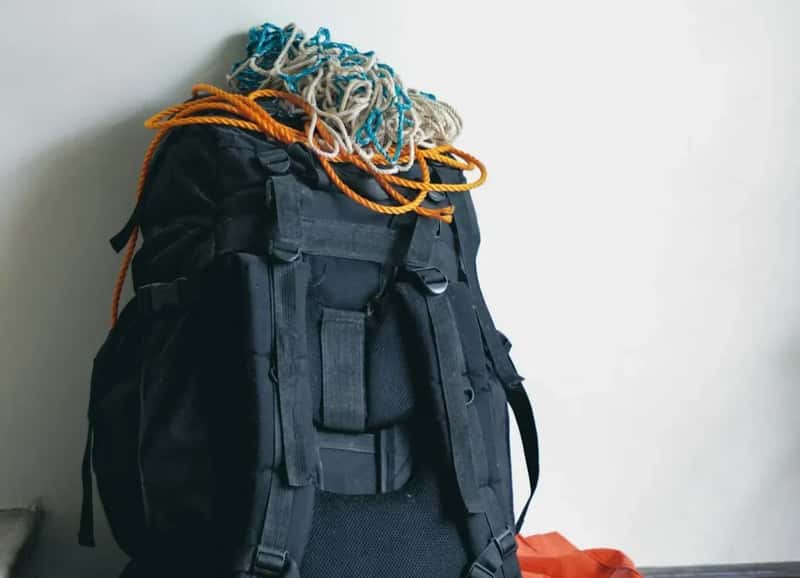
Here’s something most travelers completely overlook. It’s not just about what’s in your bag – it’s about how your bag looks on the X-ray screen. TSA officers may instruct travelers to separate other items from carry-on bags such as foods, powders, and any materials that can clutter bags and obstruct clear images on the X-ray machine. The TSA recommends keeping your bag organized to help ease the screening process, as it takes time for officers to make sure a jam-packed, cluttered, overstuffed bag is safe.
Think of it like this: if someone handed you a tangled ball of Christmas lights and asked you to find a specific bulb, you’d take your time too. That’s exactly what an agent is doing when your bag looks like a game of Tetris gone wrong. The TSA screens approximately 3.3 million carry-on bags for explosives and other dangerous items daily, so anything that slows down their image analysis will get flagged for a closer look. Pack light, pack organized.
5. Wearing the Wrong Clothing Through the Scanner
What you wear to the airport matters more than most people realize. According to travel experts, anything too loose, too tight, or with too much metal can set off the TSA scanners and lead to pat-downs and extra security checks. This catches people by surprise constantly, especially when they’ve followed every other rule perfectly.
Excessively loose or bulky clothing is considered suspicious, as the wearer may appear to be hiding something. Anything with too many pockets is also a trigger, meaning things like cargo pants are out. Clothing with heavy metal elements such as large belt buckles or chunky jewelry may also set off security machines during the screening process. The smartest move is to dress simply for travel days – think sneakers, slim jeans, and a light jacket you can easily remove. Save the cargo pants for the destination.
6. Violating the 3-1-1 Liquids Rule

This one has been around since 2006, and yet it remains one of the most common reasons travelers get stopped. You are allowed to bring a quart-sized bag of liquids, aerosols, gels, creams, and pastes through the checkpoint. These are limited to 3.4 ounces (100 milliliters) or less per item. This is known as the 3-1-1 liquids rule. Simple enough, right? Yet a 2019 study found that nearly 40% of passengers were still unaware of the specific liquid volume restrictions.
Non-compliance with the 3-1-1 rule can lead to manual bag searches, delays, and even disposal of non-compliant items. Carrying creams, gels, and liquids in excess of 3.4 ounces is a major thing to avoid if you want a simple stroll through TSA. However, even travelers who aren’t carrying certain creams and gels can encounter an unexpected issue: these products sometimes trigger extra security after they have already been applied to the individual. Sunscreen, thick moisturizer, or certain body lotions can actually set off trace-detection swabs – something almost nobody expects.
7. Carrying Firearms – Even by Mistake

It sounds like something that couldn’t possibly be accidental, yet the data tells a very different story. During 2024, the TSA intercepted a total of 6,678 firearms at airport security checkpoints, preventing them from getting into the secure areas of the airport and onboard aircraft. Approximately 94% of these firearms were loaded. That number is staggering – and the vast majority of those incidents weren’t acts of terrorism.
TSA likes to brag about weapons confiscations. The truth is, virtually all of the “dangerous” weapons it confiscates are accidental – someone packed their gun in a carry-on bag by mistake. To date, none of the passengers whose contraband has been intercepted by the TSA has been charged with any crimes relating to terrorism. They just forgot to pack their firearms and knives in their checked baggage. Firearms are prohibited at security checkpoints, in the secure area of an airport, and in the passenger cabin of an aircraft. Passengers may travel with a firearm, but it must be secured in the passenger’s checked baggage, unloaded, locked in a hard-sided case, and declared to the airline when checking in at the ticket counter.
—
The airport security line is one of the most watched, analyzed, and scrutinized environments most of us will ever walk through. Agents are trained to notice what you wear, how you act, what you carry, and even where you’ve traveled before. Most of what gets travelers pulled aside is completely avoidable – a little awareness goes a very long way.
Pack smart, dress simply, know your travel history, and for the love of all things peaceful: check your bag for forgotten firearms. What would you rather spend your extra airport time doing – getting screened in a side room, or grabbing a coffee before your flight? Tell us in the comments.